The Best Time of Day to Jog for Weight Loss

Understanding the Fundamentals of Jogging for Weight Loss Success
Jogging, a low-impact form of aerobic exercise, has become a cornerstone of many weight loss journeys. But why is it so effective? Let's delve into the science behind jogging and its impact on your body.
Firstly, jogging burns calories. The number of calories you burn depends on factors like your weight, pace, and the duration of your run. A general rule of thumb is that a 150-pound person can burn approximately 300-400 calories per hour of jogging. This caloric deficit is crucial for weight loss, as you need to burn more calories than you consume to shed those extra pounds.
Secondly, jogging boosts your metabolism. Regular aerobic exercise like jogging increases your metabolic rate, meaning your body burns more calories even when you're at rest. This effect can last for hours after your run, contributing to sustained weight loss.
Thirdly, jogging improves cardiovascular health. As you jog, your heart works harder to pump blood throughout your body, strengthening your heart muscle and improving your overall cardiovascular function. A healthy heart is essential for sustained exercise and overall well-being.
Finally, jogging can improve your mood and reduce stress. Exercise releases endorphins, which have mood-boosting effects. Reduced stress can also help with weight loss, as stress can lead to overeating and unhealthy food choices.
Choosing the Right Jogging Gear for Enhanced Performance and Injury Prevention
Having the right gear can significantly impact your jogging experience and help prevent injuries. Here's a breakdown of essential jogging equipment:
Running Shoes A Critical Investment for Comfort and Support
Your running shoes are arguably the most important piece of equipment. Invest in a good pair of running shoes that fit properly and provide adequate cushioning and support. Consider visiting a specialty running store where they can analyze your gait and recommend shoes that are best suited for your foot type and running style.
Product Recommendation: Brooks Glycerin 20 - Known for its plush cushioning and smooth ride, the Brooks Glycerin 20 is an excellent choice for everyday jogging and long runs. Use Case: Ideal for runners seeking maximum comfort and impact absorption. Product Comparison: Compared to the Saucony Kinvara, the Glycerin offers more cushioning and stability, making it better suited for longer distances. Pricing: Approximately $150.
Running Apparel Moisture-Wicking Fabrics for Optimal Comfort
Choose lightweight, breathable clothing that wicks away moisture to keep you cool and dry. Avoid cotton, as it absorbs sweat and can become heavy and uncomfortable.
Product Recommendation: Nike Dri-FIT Running T-Shirt - This t-shirt is made from Nike's Dri-FIT fabric, which wicks away sweat and keeps you comfortable during your run. Use Case: Perfect for all types of running, from short jogs to long distances. Product Comparison: Compared to Under Armour HeatGear, Nike Dri-FIT offers a slightly softer feel and better moisture-wicking properties. Pricing: Approximately $30.
Fitness Tracker Monitoring Your Progress and Staying Motivated
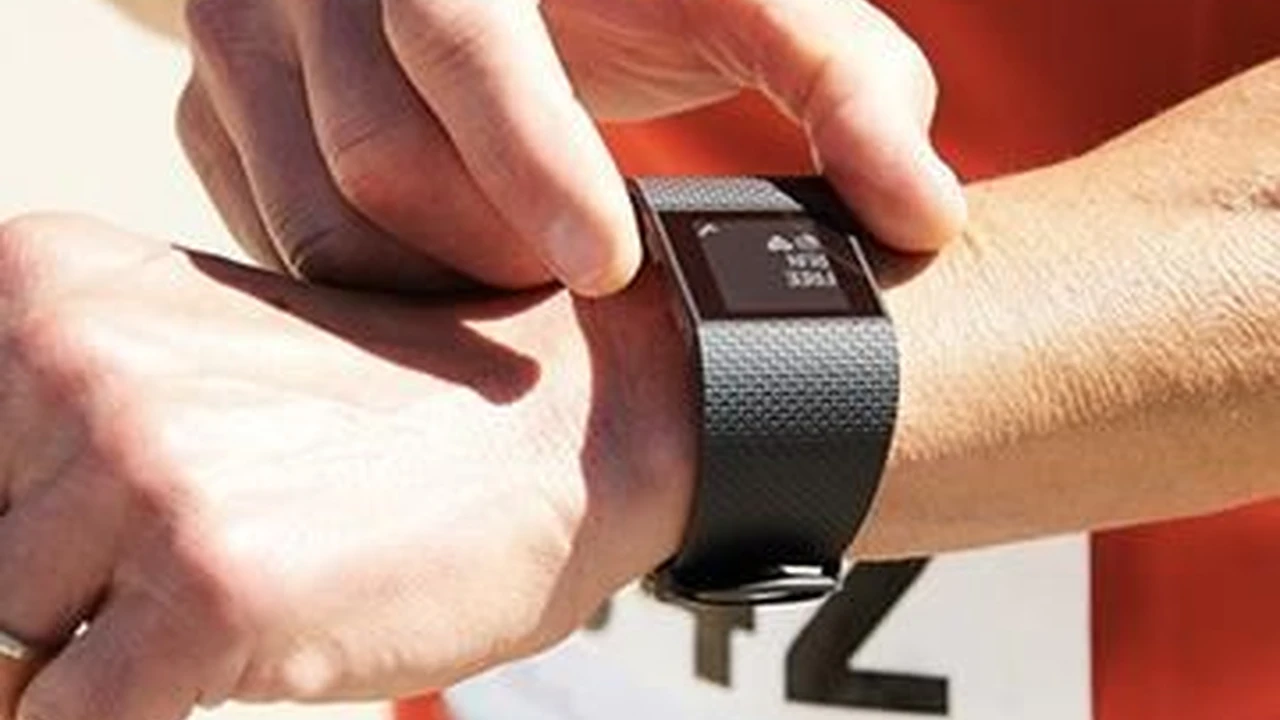
A fitness tracker can help you monitor your progress, track your distance, pace, and heart rate, and stay motivated. Many fitness trackers also offer features like GPS tracking, sleep monitoring, and smartphone notifications.
Product Recommendation: Fitbit Charge 5 - This fitness tracker offers a wide range of features, including GPS tracking, heart rate monitoring, sleep tracking, and stress management tools. Use Case: Ideal for runners who want to track their progress and gain insights into their overall health and fitness. Product Comparison: Compared to the Garmin Venu Sq, the Fitbit Charge 5 offers a more comprehensive set of features and a more user-friendly interface. Pricing: Approximately $150.
Hydration Pack Staying Hydrated on Longer Runs
If you're planning on going for longer runs, it's important to stay hydrated. A hydration pack allows you to carry water or other fluids with you, so you can stay hydrated without having to stop to refill your water bottle.
Product Recommendation: CamelBak HydroBak - This hydration pack is lightweight and comfortable, making it perfect for running. It has a 1.5-liter reservoir and a bite valve for easy drinking. Use Case: Ideal for runners who need to carry water or other fluids on longer runs. Product Comparison: Compared to the Osprey Duro 1.5, the CamelBak HydroBak is lighter and more affordable. Pricing: Approximately $70.
Crafting a Personalized Jogging Plan for Effective Weight Loss
A well-structured jogging plan is essential for achieving your weight loss goals. Here's how to create a plan that's tailored to your individual needs and fitness level:
Assessing Your Current Fitness Level Determining Your Starting Point
Before you start jogging, it's important to assess your current fitness level. This will help you determine how much you can handle and prevent injuries. Consider consulting with a doctor or certified personal trainer to get a professional assessment.
A simple way to assess your fitness level is to try walking briskly for 30 minutes. If you can do this without feeling overly winded or experiencing any pain, you're likely ready to start jogging. If not, start with shorter walks and gradually increase the duration and intensity as you get fitter.
Setting Realistic Goals Defining Your Objectives
Setting realistic goals is crucial for staying motivated and achieving your weight loss objectives. Start with small, achievable goals, such as jogging for 20 minutes three times a week. As you get fitter, you can gradually increase the duration, frequency, and intensity of your jogs.
Avoid setting unrealistic goals, such as trying to lose a large amount of weight in a short period of time. This can lead to disappointment and discouragement. Instead, focus on making gradual, sustainable changes to your diet and exercise habits.
Developing a Weekly Jogging Schedule Structuring Your Runs
A consistent jogging schedule is key to achieving your weight loss goals. Aim to jog at least three times a week, with rest days in between to allow your body to recover. Choose days and times that work best for your schedule and stick to them as much as possible.
Your jogging schedule should include a warm-up, the main jogging session, and a cool-down. The warm-up should consist of light cardio and stretching to prepare your muscles for exercise. The main jogging session should be at a moderate intensity, where you can hold a conversation but still feel challenged. The cool-down should consist of light cardio and stretching to help your body recover.
Incorporating Variety into Your Routine Preventing Plateaus
To prevent plateaus and keep your workouts interesting, incorporate variety into your jogging routine. Try different routes, distances, and intensities. You can also add interval training, which involves alternating between periods of high-intensity jogging and periods of rest or low-intensity jogging.
Another way to add variety is to incorporate other forms of exercise into your routine, such as strength training, swimming, or cycling. This will help you work different muscle groups and prevent overuse injuries.
Mastering Proper Jogging Technique for Efficiency and Injury Prevention
Proper jogging technique is essential for maximizing your efficiency and preventing injuries. Here are some key points to keep in mind:
Maintaining Good Posture Keeping Your Body Aligned
Good posture is crucial for efficient jogging. Stand tall with your head up, shoulders back, and core engaged. Avoid slouching or hunching over, as this can strain your back and neck.
Keep your gaze forward, about 10-20 feet ahead of you. This will help you maintain good posture and avoid looking down at your feet.
Using Proper Arm Swing Generating Momentum
Your arm swing should be natural and relaxed. Bend your elbows at a 90-degree angle and swing your arms forward and backward, keeping them close to your body. Avoid swinging your arms across your body, as this can waste energy.
Your arm swing should help propel you forward. As you swing your arms forward, your opposite leg should move forward as well.
Landing Midfoot Reducing Impact
Landing midfoot, rather than on your heel or toes, helps reduce the impact on your joints. This can help prevent injuries like shin splints and plantar fasciitis.
To land midfoot, focus on landing softly and quietly. Avoid stomping or slapping the ground with your feet.
Maintaining a Comfortable Cadence Optimizing Your Stride
Cadence refers to the number of steps you take per minute. A comfortable cadence for jogging is typically around 170-180 steps per minute. Experiment with different cadences to find what works best for you.
To increase your cadence, try taking shorter, quicker steps. Avoid overstriding, which can increase the risk of injury.
Fueling Your Body for Optimal Jogging Performance and Weight Loss
What you eat and drink can significantly impact your jogging performance and weight loss results. Here's how to fuel your body for optimal results:
Eating a Balanced Diet Providing Essential Nutrients
A balanced diet is essential for providing your body with the nutrients it needs to function properly and support your jogging efforts. Focus on eating plenty of fruits, vegetables, whole grains, and lean protein.
Avoid processed foods, sugary drinks, and unhealthy fats, as these can hinder your weight loss progress and negatively impact your energy levels.
Hydrating Properly Before, During, and After Your Runs
Staying hydrated is crucial for maintaining your energy levels and preventing dehydration. Drink plenty of water throughout the day, especially before, during, and after your runs.
For longer runs, consider drinking a sports drink to replenish electrolytes lost through sweat.
Timing Your Meals Strategically Maximizing Energy Levels
The timing of your meals can also impact your jogging performance. Eat a light meal or snack 1-2 hours before your run to provide your body with energy. Avoid eating a heavy meal right before your run, as this can cause stomach cramps.
After your run, eat a meal or snack that contains both carbohydrates and protein to replenish your glycogen stores and repair muscle tissue.
Considering Supplements Boosting Performance and Recovery
While a balanced diet should provide you with most of the nutrients you need, some supplements may be beneficial for boosting performance and recovery. Consider taking a multivitamin, creatine, or protein powder.
Consult with a doctor or registered dietitian before taking any supplements, as they can interact with medications or have side effects.
Staying Motivated and Consistent on Your Jogging Journey
Staying motivated and consistent is key to achieving long-term weight loss success. Here are some tips for staying on track:
Finding a Jogging Buddy Sharing the Experience
Jogging with a friend or family member can make the experience more enjoyable and help you stay motivated. You can encourage each other, hold each other accountable, and celebrate your successes together.
Joining a Running Club Connecting with Like-Minded Individuals
Joining a running club can provide you with a supportive community of like-minded individuals. You can participate in group runs, share tips and advice, and make new friends.
Tracking Your Progress Monitoring Your Achievements
Tracking your progress can help you stay motivated by showing you how far you've come. Keep a journal of your runs, noting the distance, time, and intensity. You can also use a fitness tracker to monitor your progress automatically.
Rewarding Yourself Celebrating Milestones
Reward yourself for achieving milestones, such as reaching a certain weight loss goal or completing a challenging run. Choose rewards that are healthy and don't undermine your weight loss efforts, such as a new pair of running shoes or a massage.
Adjusting Your Plan When Necessary Adapting to Changes
Life happens, and sometimes you may need to adjust your jogging plan. Don't get discouraged if you miss a few runs or fall off track. Just get back on track as soon as possible and keep moving forward.
Listen to your body and adjust your plan as needed. If you're feeling tired or sore, take a rest day. If you're feeling bored, try a new route or workout.
Addressing Common Jogging Challenges and Finding Solutions
Even the most dedicated joggers face challenges from time to time. Here are some common jogging challenges and how to overcome them:
Dealing with Injuries Seeking Professional Help
Injuries are a common occurrence for joggers. If you experience any pain or discomfort, stop jogging and consult with a doctor or physical therapist. Early treatment can help prevent the injury from becoming more serious.
Overcoming Motivation Slumps Reigniting Your Passion
Everyone experiences motivation slumps from time to time. When you're feeling unmotivated, try setting new goals, finding a new jogging buddy, or changing your routine.
Managing Time Constraints Prioritizing Your Health
Time constraints can make it difficult to fit jogging into your schedule. Prioritize your health and make time for jogging, even if it's just for a short period of time. You can also try jogging during your lunch break or early in the morning.
Navigating Weather Conditions Adjusting Your Approach
Weather conditions can also pose a challenge to joggers. Dress appropriately for the weather and adjust your pace and distance accordingly. Avoid jogging in extreme heat or cold.
The Long-Term Benefits of Jogging for Sustainable Weight Loss and Overall Well-being
Jogging is not just a quick fix for weight loss; it's a sustainable lifestyle change that can provide numerous long-term benefits for your physical and mental well-being.
By incorporating jogging into your routine, you can achieve and maintain a healthy weight, improve your cardiovascular health, boost your metabolism, reduce stress, and improve your mood. You'll also develop a greater sense of self-confidence and accomplishment.
So, lace up your shoes, get out there, and start jogging your way to a healthier, happier you!
:max_bytes(150000):strip_icc()/277019-baked-pork-chops-with-cream-of-mushroom-soup-DDMFS-beauty-4x3-BG-7505-5762b731cf30447d9cbbbbbf387beafa.jpg)