GPS Watches for Joggers: Navigating Your Runs
The Rise of GPS Technology in Jogging
Jogging has evolved significantly over the years. What was once a simple activity requiring little more than a pair of shoes has transformed into a data-driven pursuit, thanks in large part to the integration of GPS technology. GPS watches have become indispensable tools for runners of all levels, providing a wealth of information about their performance and helping them achieve their fitness goals. But why the sudden surge in popularity? Let's delve into the factors driving this trend.
First and foremost, GPS watches offer unparalleled accuracy in tracking distance and pace. Unlike traditional methods that relied on estimations or manual measurements, GPS technology uses satellite signals to pinpoint your location with remarkable precision. This allows runners to monitor their progress in real-time, ensuring they're staying on track with their training plans. The ability to see your pace fluctuate throughout a run can be incredibly valuable for optimizing your effort and preventing burnout.
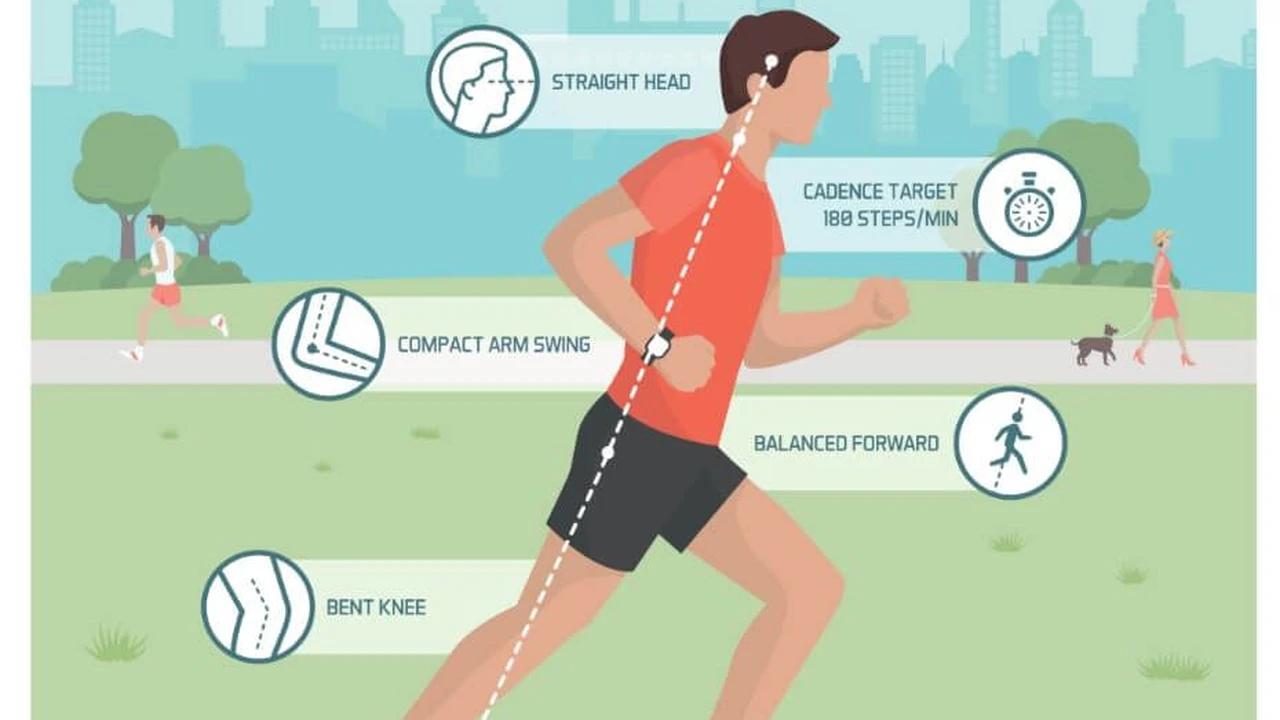
Beyond distance and pace, GPS watches provide a plethora of other metrics that can enhance your running experience. Heart rate monitoring, cadence tracking, and elevation gain are just a few examples of the data points that these devices can capture. By analyzing this information, runners can gain a deeper understanding of their body's response to different training stimuli and make adjustments to their workouts accordingly. For instance, monitoring your heart rate can help you stay within your target zone, maximizing the effectiveness of your training and minimizing the risk of injury.
The connectivity of GPS watches is another key factor driving their popularity. Most modern models seamlessly sync with smartphones and other devices, allowing runners to easily upload their data to online platforms and share their achievements with friends and family. This social aspect of running can be incredibly motivating, providing a sense of community and encouraging runners to stay consistent with their training. Furthermore, many GPS watches offer features like smart notifications, allowing runners to stay connected even while they're on the go.
Finally, the increasing affordability of GPS watches has made them accessible to a wider range of runners. While high-end models can still command a premium price, there are plenty of budget-friendly options that offer a good balance of features and performance. This has democratized access to GPS technology, allowing more runners to benefit from the insights and data that these devices provide.
Understanding Key Features in GPS Running Watches
Choosing the right GPS watch can feel overwhelming, given the sheer number of options available on the market. To make the decision easier, it's helpful to understand the key features that differentiate these devices. Here's a breakdown of some of the most important factors to consider.
GPS Accuracy: This is arguably the most crucial aspect of any GPS watch. Look for models that utilize multiple satellite systems (e.g., GPS, GLONASS, Galileo) for improved accuracy, especially in challenging environments like dense forests or urban canyons. A watch with a strong GPS signal will provide more reliable distance and pace readings, ensuring that your training data is accurate.
Battery Life: The battery life of a GPS watch can vary significantly depending on the model and usage. Consider how often you plan to use the watch and the duration of your typical runs. If you frequently run long distances or participate in ultramarathons, you'll need a watch with a long battery life. Some watches offer battery-saving modes that can extend the battery life at the expense of certain features.
Heart Rate Monitoring: Most GPS watches now include built-in heart rate sensors, allowing you to track your heart rate without the need for a chest strap. While wrist-based heart rate monitoring is generally accurate, it can be less reliable during intense workouts or in cold weather. If you require highly accurate heart rate data, a chest strap may still be the preferred option.
Navigation Features: Some GPS watches offer advanced navigation features, such as route planning, turn-by-turn navigation, and breadcrumb tracking. These features can be particularly useful for trail runners or those who enjoy exploring new routes. Look for watches that allow you to easily upload routes from online platforms or create your own routes using the watch's built-in mapping tools.
Smartwatch Functionality: Many GPS watches now incorporate smartwatch features, such as notifications, music playback, and contactless payments. While these features can be convenient, they can also drain the battery more quickly. Consider which smartwatch features are important to you and choose a watch that strikes the right balance between functionality and battery life.
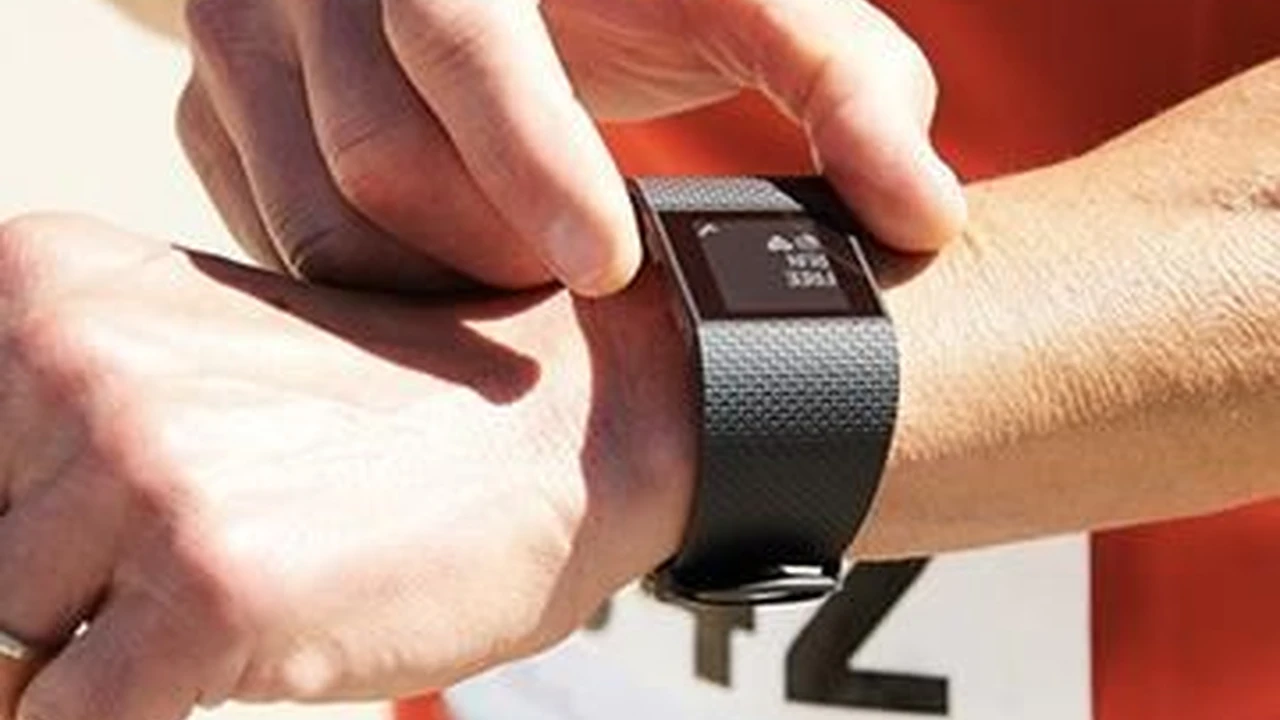
Display and User Interface: The display and user interface of a GPS watch can significantly impact your overall experience. Look for a watch with a clear and easy-to-read display, even in bright sunlight. The user interface should be intuitive and easy to navigate, allowing you to quickly access the information you need. Consider the size and weight of the watch as well, as a bulky or heavy watch can be uncomfortable to wear during long runs.
Top GPS Watches for Joggers Product Recommendations
Now that we've covered the key features to look for in a GPS watch, let's take a look at some specific models that are popular among runners. These recommendations are based on a combination of factors, including accuracy, battery life, features, and value.
Garmin Forerunner 955 A Premium Running Watch
The Garmin Forerunner 955 is a top-of-the-line GPS watch that's packed with features for serious runners. It offers exceptional accuracy, long battery life, and a comprehensive suite of training metrics. Key features include:
- Multi-band GPS for superior accuracy in challenging environments
- Up to 42 hours of battery life in GPS mode
- Wrist-based heart rate monitoring, including heart rate variability (HRV) status
- Training readiness score to help you optimize your workouts
- Real-time stamina tracking to prevent burnout
- Full-color mapping and navigation
- Garmin Pay contactless payments
- Music storage and playback
Use Cases: The Forerunner 955 is ideal for runners who want the most accurate and comprehensive data possible. It's also a great choice for those who participate in long-distance races or trail running. The navigation features are particularly useful for exploring new routes or navigating unfamiliar terrain.
Pricing: The Garmin Forerunner 955 typically retails for around $500.
Polar Vantage V2 A Multisport Powerhouse
The Polar Vantage V2 is another premium GPS watch that's designed for multisport athletes. It offers a similar range of features to the Forerunner 955, but with a slightly different emphasis on recovery and training load. Key features include:
- Precision Prime sensor fusion technology for accurate heart rate monitoring
- Training Load Pro to track your training load and recovery
- Nightly Recharge to measure your overnight recovery
- Leg Recovery Test to assess your readiness for intense workouts
- FuelWise smart fueling assistant to help you stay energized during long runs
- Route guidance with Komoot integration
- Music controls
Use Cases: The Vantage V2 is a great choice for runners who are focused on optimizing their training and recovery. The Training Load Pro and Nightly Recharge features can help you avoid overtraining and maximize your performance. The FuelWise feature is particularly useful for long-distance runners who need to carefully manage their nutrition.
Pricing: The Polar Vantage V2 typically retails for around $500.
Coros Apex 2 Pro A Long-Lasting Option
The Coros Apex 2 Pro stands out for its exceptional battery life and rugged design. It's a great choice for runners who frequently run long distances or in challenging environments. Key features include:
- Up to 75 hours of battery life in full GPS mode
- Titanium bezel and sapphire glass for durability
- Offline maps for navigation
- Wrist-based heart rate monitoring
- Barometric altimeter
- Compass
- Structured workout support
Use Cases: The Apex 2 Pro is ideal for ultramarathon runners or those who need a watch that can withstand harsh conditions. The long battery life and rugged design make it a reliable companion for long-distance adventures. The offline maps are particularly useful for navigating in areas with limited or no cell service.
Pricing: The Coros Apex 2 Pro typically retails for around $500.
Garmin Forerunner 255 A Mid-Range Marvel
The Garmin Forerunner 255 is a mid-range GPS watch that offers a great balance of features and value. It's a popular choice for runners who want a reliable and accurate watch without breaking the bank. Key features include:
- Multi-band GPS for improved accuracy
- Up to 14 days of battery life in smartwatch mode
- Wrist-based heart rate monitoring
- Training status and training effect metrics
- Morning report with personalized insights
- Garmin Pay contactless payments
- Music storage and playback
Use Cases: The Forerunner 255 is a great all-around GPS watch for runners of all levels. It offers a good balance of features, accuracy, and battery life, making it a versatile choice for everyday training and racing. The Garmin Pay feature is a convenient addition for those who want to leave their wallet at home.
Pricing: The Garmin Forerunner 255 typically retails for around $350.
Polar Pacer Pro A Budget-Friendly Choice
The Polar Pacer Pro is a budget-friendly GPS watch that offers a surprising number of features for its price. It's a great choice for runners who are just starting out or who want a simple and easy-to-use watch. Key features include:
- Accurate GPS tracking
- Wrist-based heart rate monitoring
- Running index to track your running performance
- Training Load Pro
- Sleep Plus Stages sleep tracking
- Music controls
Use Cases: The Pacer Pro is ideal for beginner runners or those who want a simple and affordable GPS watch. It offers all the essential features for tracking your runs, including distance, pace, heart rate, and cadence. The Running Index feature can help you track your progress over time.
Pricing: The Polar Pacer Pro typically retails for around $200.
GPS Watch Use Cases Enhancing Your Jogging Experience
GPS watches are more than just tracking devices; they are powerful tools that can enhance your jogging experience in a variety of ways. Let's explore some specific use cases that demonstrate the versatility of these devices.
Pace Monitoring and Control
One of the most common uses of a GPS watch is to monitor and control your pace. Maintaining a consistent pace is crucial for both training and racing, as it allows you to optimize your effort and avoid burnout. A GPS watch can provide real-time feedback on your pace, allowing you to adjust your stride and effort accordingly. This is particularly useful for long runs, where it's easy to start out too fast and fade later in the run.
Furthermore, many GPS watches offer features like pace alerts, which can notify you if you're running too fast or too slow. This can be particularly helpful for interval training or tempo runs, where it's important to maintain a specific pace for a set duration.
Distance Tracking and Route Planning
GPS watches are also essential for tracking distance and planning routes. Whether you're training for a race or simply exploring new areas, a GPS watch can provide accurate distance measurements and help you navigate unfamiliar terrain. Many watches allow you to upload routes from online platforms or create your own routes using the watch's built-in mapping tools. This can be particularly useful for trail runners or those who enjoy exploring new areas.
In addition, some GPS watches offer features like turn-by-turn navigation, which can guide you along a pre-planned route using visual cues or audio alerts. This can be incredibly helpful for navigating complex routes or running in areas with limited visibility.
Heart Rate Zone Training
Heart rate zone training is a popular method for optimizing your training and improving your fitness. By monitoring your heart rate during workouts, you can ensure that you're training at the right intensity to achieve your goals. A GPS watch with heart rate monitoring can provide real-time feedback on your heart rate, allowing you to stay within your target zone. This is particularly useful for endurance training, where it's important to spend a significant amount of time in specific heart rate zones.
Many GPS watches also offer features like heart rate zone alerts, which can notify you if you're exceeding your target heart rate zone. This can help you avoid overtraining and minimize the risk of injury.
Performance Analysis and Progress Tracking
GPS watches provide a wealth of data that can be used to analyze your performance and track your progress over time. By analyzing metrics like distance, pace, heart rate, and cadence, you can gain valuable insights into your training and identify areas for improvement. Most GPS watches sync with online platforms that allow you to visualize your data and track your progress over time.
Furthermore, many GPS watches offer features like training status and training effect metrics, which can provide insights into your overall training load and the impact of your workouts. This can help you optimize your training and avoid overtraining.
Motivation and Goal Setting
Finally, GPS watches can be a powerful tool for motivation and goal setting. By tracking your progress and setting goals, you can stay motivated and engaged with your training. Many GPS watches offer features like virtual partners, which allow you to race against a virtual runner or previous performance. This can be a fun and engaging way to push yourself and improve your performance.
In addition, many GPS watches offer social features that allow you to share your achievements with friends and family. This can provide a sense of community and encourage you to stay consistent with your training.
Comparing GPS Watch Brands A Detailed Look
Choosing between different GPS watch brands can be challenging, as each brand offers its own unique strengths and weaknesses. Let's take a closer look at some of the leading GPS watch brands and compare their key features and offerings.
Garmin A Leader in GPS Technology
Garmin is arguably the most well-known and respected brand in the GPS watch market. They offer a wide range of watches to suit runners of all levels, from beginner-friendly models to top-of-the-line devices packed with features. Garmin watches are known for their accuracy, reliability, and comprehensive suite of training metrics.
Strengths:
- Excellent GPS accuracy
- Wide range of models to choose from
- Comprehensive suite of training metrics
- User-friendly interface
- Garmin Connect platform for data analysis and progress tracking
Weaknesses:
- Can be expensive
- Some models can be bulky
- Battery life can vary depending on the model
Polar Focus on Training and Recovery
Polar is another well-established brand in the GPS watch market, with a strong focus on training and recovery. Polar watches are known for their accurate heart rate monitoring and advanced training load analysis features. They also offer a range of features designed to help runners optimize their recovery and avoid overtraining.
Strengths:
- Accurate heart rate monitoring
- Advanced training load analysis features
- Focus on recovery and preventing overtraining
- Polar Flow platform for data analysis and progress tracking
- Sleek and stylish design
Weaknesses:
- Can be less intuitive than Garmin watches
- GPS accuracy can be slightly less accurate than Garmin in challenging environments
- Limited smartwatch functionality compared to Garmin
Coros Long Battery Life and Rugged Design
Coros is a relatively new player in the GPS watch market, but they have quickly gained a reputation for their long battery life and rugged designs. Coros watches are a popular choice for ultramarathon runners and those who need a watch that can withstand harsh conditions. They also offer a competitive price point compared to Garmin and Polar.
Strengths:
- Exceptional battery life
- Rugged and durable designs
- Competitive price point
- Coros app for data analysis and progress tracking
- Easy-to-use interface
Weaknesses:
- Smaller range of models compared to Garmin and Polar
- Fewer advanced training metrics compared to Garmin and Polar
- Less established brand reputation
Suunto Adventure and Exploration Focus
Suunto is a brand that focuses on adventure and exploration, offering GPS watches designed for outdoor activities like hiking, trail running, and mountaineering. Suunto watches are known for their ruggedness, durability, and advanced navigation features. They also offer a range of features designed to help runners explore new areas and navigate unfamiliar terrain.
Strengths:
- Rugged and durable designs
- Advanced navigation features
- Focus on outdoor activities
- Suunto app for data analysis and progress tracking
- Stylish and modern design
Weaknesses:
- Can be expensive
- Less focus on training metrics compared to Garmin and Polar
- Battery life can vary depending on the model
Detailed Information on GPS Watch Pricing
The price of a GPS watch can vary significantly depending on the brand, features, and performance. Here's a more detailed breakdown of the pricing ranges for different types of GPS watches.
Entry-Level GPS Watches ($100-$200)
Entry-level GPS watches are typically simple and affordable models that offer basic features like distance tracking, pace monitoring, and heart rate monitoring. These watches are a great choice for beginner runners or those who want a simple and easy-to-use device. Examples include the Polar Pacer and older Garmin Forerunner models.
Mid-Range GPS Watches ($200-$400)
Mid-range GPS watches offer a good balance of features and value. They typically include more advanced features like multi-band GPS, training status metrics, and music storage. These watches are a popular choice for runners of all levels who want a reliable and accurate device without breaking the bank. Examples include the Garmin Forerunner 255 and the Coros Pace 2.
Premium GPS Watches ($400+)
Premium GPS watches are top-of-the-line devices that are packed with features for serious runners. They typically offer exceptional accuracy, long battery life, and a comprehensive suite of training metrics. These watches are a great choice for runners who want the most accurate and comprehensive data possible. Examples include the Garmin Forerunner 955, the Polar Vantage V2, and the Coros Apex 2 Pro.
Factors Affecting Price
Several factors can affect the price of a GPS watch, including:
- GPS Accuracy: Watches with more accurate GPS technology, such as multi-band GPS, tend to be more expensive.
- Battery Life: Watches with longer battery life typically command a higher price.
- Features: Watches with more advanced features, such as training status metrics, navigation features, and music storage, tend to be more expensive.
- Brand: Well-established brands like Garmin and Polar often charge a premium for their products.
- Materials: Watches made with premium materials, such as titanium and sapphire glass, tend to be more expensive.
Maintaining a Conversation Tone
Throughout this guide, we've aimed to maintain a conversational tone, as if we were chatting with you directly about GPS watches. We hope this approach has made the information more engaging and easier to understand. We believe that learning about technology should be an enjoyable experience, and we've strived to create a guide that is both informative and accessible.
Remember, choosing the right GPS watch is a personal decision. There is no one-size-fits-all solution. Consider your individual needs and preferences, and don't be afraid to try out different models before making a purchase. Happy running!
:max_bytes(150000):strip_icc()/277019-baked-pork-chops-with-cream-of-mushroom-soup-DDMFS-beauty-4x3-BG-7505-5762b731cf30447d9cbbbbbf387beafa.jpg)