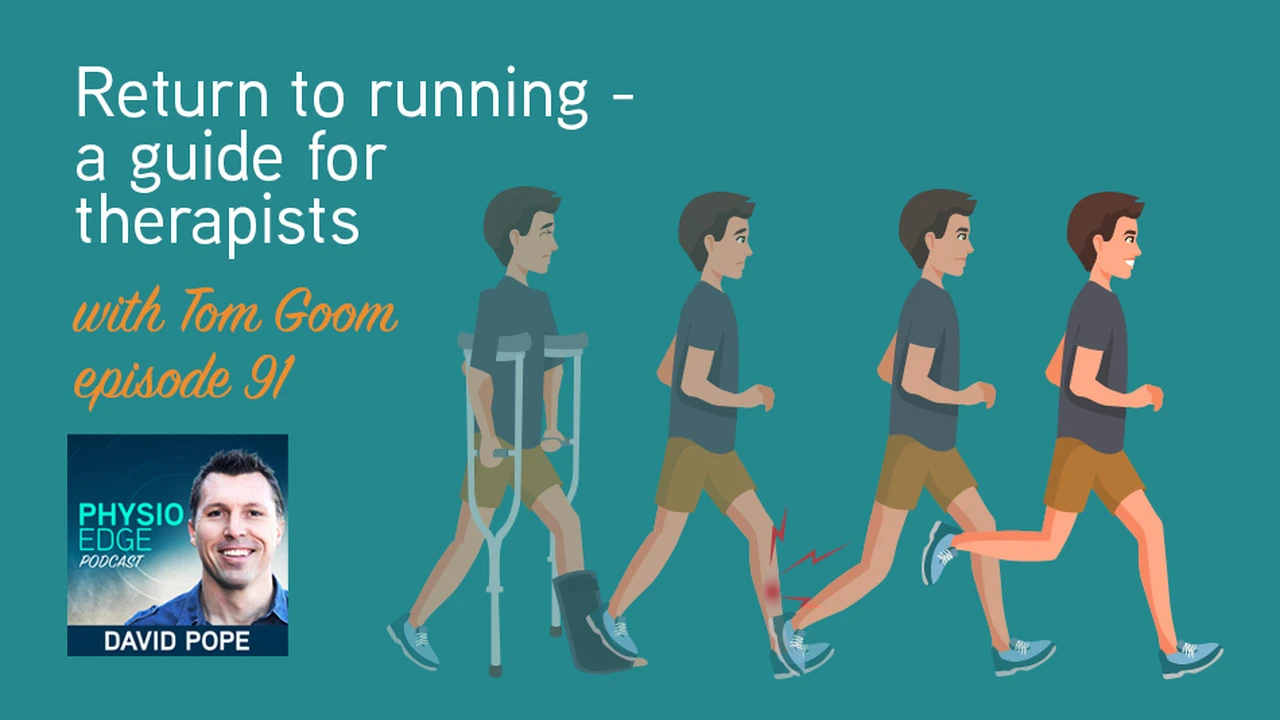
Setting Realistic Jogging Goals for Beginners

The Allure of Jogging Unveiling the Benefits
Jogging isn't just about putting one foot in front of the other It's a gateway to a healthier happier you. But what makes it so appealing Let's delve into the myriad benefits that await you on your jogging journey.
Cardiovascular Health Boost: At its core jogging is a fantastic cardio workout. It strengthens your heart improves blood circulation and lowers your risk of heart disease stroke and other cardiovascular ailments. Think of it as a tune-up for your engine ensuring it runs smoothly for years to come.
Weight Management Made Easy: Shedding those extra pounds can feel like an uphill battle but jogging offers a sustainable and enjoyable solution. It burns calories boosts your metabolism and helps you maintain a healthy weight. Plus it's far more fun than starving yourself on a restrictive diet.
Mental Well-being Elevated: Jogging isn't just good for your body it's also a boon for your mind. It releases endorphins natural mood boosters that alleviate stress anxiety and depression. A jog in the park can be just as effective as a therapy session.
Bone and Joint Health Improved: While it may seem counterintuitive jogging actually strengthens your bones and joints. The impact of each step stimulates bone growth and reinforces the cartilage in your joints making them more resilient to wear and tear.
Increased Energy Levels: Feeling sluggish and tired Jogging can be your secret weapon. It improves your cardiovascular function allowing your body to transport oxygen and nutrients more efficiently. This translates to sustained energy levels throughout the day.
Improved Sleep Quality: Tossing and turning at night Jogging can help you achieve a more restful sleep. It regulates your body's natural sleep-wake cycle promoting deeper and more restorative sleep.
Essential Gear for Beginning Joggers Selecting the Right Products
Before you hit the pavement it's crucial to equip yourself with the right gear. This doesn't mean breaking the bank but investing in a few key items can make a world of difference in your comfort and performance.
Running Shoes the Foundation of Your Jog: Your shoes are arguably the most important piece of equipment. They provide cushioning support and stability protecting your feet and joints from impact. Consider your foot type (neutral pronation overpronation or supination) and the terrain you'll be jogging on when making your selection.
Recommended Product: Brooks Ghost 14: Known for its exceptional cushioning and smooth ride the Brooks Ghost 14 is a versatile shoe suitable for beginners and experienced runners alike. Its DNA LOFT cushioning provides a plush feel while its segmented crash pad ensures a smooth heel-to-toe transition.
Use Case: Ideal for daily jogging on roads sidewalks and paved trails. Perfect for runners with neutral pronation or those who need a bit of extra cushioning.
Alternative: Saucony Kinvara 13: A lightweight and responsive shoe that offers a more natural feel. Great for runners who prefer a minimalist approach.
Running Apparel Comfort and Performance Combined: Choose breathable moisture-wicking fabrics that keep you cool and dry. Avoid cotton which can become heavy and uncomfortable when wet.
Recommended Product: Nike Dri-FIT Running T-Shirt: This classic running tee is made from Nike's signature Dri-FIT fabric which wicks away sweat to keep you dry and comfortable. Its lightweight design allows for unrestricted movement.
Use Case: Perfect for jogging in warm weather. Can be worn as a base layer in cooler conditions.
Alternative: Lululemon Metal Vent Tech 2.0 Short Sleeve: A premium running tee with excellent breathability and anti-odor properties.
Hydration Pack Staying Hydrated on the Go: Staying hydrated is crucial especially during longer jogs. A hydration pack allows you to carry water or sports drinks without having to hold a bottle.
Recommended Product: CamelBak HydroBak: A lightweight and minimalist hydration pack that holds 1.5 liters of water. Perfect for short to medium-length jogs.
Use Case: Ideal for runners who need to carry a small amount of water without adding bulk.
Alternative: Osprey Talon 6: A larger hydration pack with multiple compartments for carrying essentials like snacks phone and keys.
Fitness Tracker Monitoring Your Progress: A fitness tracker can help you monitor your distance pace heart rate and calories burned. This data can be valuable for tracking your progress and staying motivated.
Recommended Product: Fitbit Charge 5: A sleek and stylish fitness tracker that offers a wide range of features including heart rate tracking sleep monitoring and GPS. Its comfortable design makes it ideal for all-day wear.
Use Case: Perfect for runners who want to track their workouts and monitor their overall health.
Alternative: Garmin Forerunner 245: A more advanced running watch with detailed performance metrics and training features.
Product Comparison Chart Price Features and Performance
To help you make informed decisions here's a comparison chart of the recommended products:
| Product | Price (USD) | Key Features | Performance |
|---|---|---|---|
| Brooks Ghost 14 | $130 | DNA LOFT cushioning, Segmented Crash Pad | Excellent cushioning and smooth ride |
| Saucony Kinvara 13 | $120 | Lightweight design, Responsive feel | Natural feel, Good for speed work |
| Nike Dri-FIT Running T-Shirt | $30 | Dri-FIT fabric, Lightweight design | Breathable and comfortable |
| Lululemon Metal Vent Tech 2.0 | $78 | Breathable, Anti-odor | Premium quality, Excellent performance |
| CamelBak HydroBak | $70 | 1.5L capacity, Lightweight design | Minimalist and easy to use |
| Osprey Talon 6 | $120 | Multiple compartments, Larger capacity | Versatile and comfortable |
| Fitbit Charge 5 | $150 | Heart rate tracking, GPS, Sleep monitoring | Comprehensive health tracking |
| Garmin Forerunner 245 | $350 | Advanced performance metrics, Training features | Detailed data, Ideal for serious runners |
Jogging Techniques Mastering the Art of Efficient Movement
Jogging isn't just about speed it's about efficiency. Proper technique can help you conserve energy prevent injuries and improve your overall performance.
Posture is Key: Stand tall with your head up shoulders relaxed and core engaged. Avoid slouching or hunching over.
Foot Strike Matters: Aim for a midfoot strike landing on the middle of your foot rather than your heel or toes. This reduces impact and distributes weight more evenly.
Stride Length Optimize Your Movement: Shorten your stride length to increase your cadence (steps per minute). A higher cadence reduces stress on your joints and improves efficiency.
Arm Swing Generate Momentum: Keep your arms bent at a 90-degree angle and swing them forward and back not across your body. This helps generate momentum and propel you forward.
Breathing Techniques Deep and Rhythmic: Breathe deeply and rhythmically using both your nose and mouth. This ensures that your muscles receive enough oxygen.
Warm-up and Cool-down Routines Preparing Your Body
Never skip your warm-up and cool-down routines. These are essential for preparing your body for exercise and preventing injuries.
Warm-up Dynamic Stretches: Before you start jogging perform a series of dynamic stretches such as leg swings arm circles and torso twists. These improve blood flow and flexibility.
Cool-down Static Stretches: After your jog perform static stretches holding each stretch for 20-30 seconds. Focus on stretching your major muscle groups such as your hamstrings quads calves and hip flexors.
Jogging Routes Finding the Perfect Path
The scenery can make or break your jogging experience. Choose routes that are safe enjoyable and challenging.
Parks and Trails Nature's Gym: Parks and trails offer a variety of surfaces and terrains from paved paths to dirt trails. They also provide beautiful scenery and a sense of tranquility.
Residential Streets Safety First: If you're jogging on residential streets choose routes with sidewalks and minimal traffic. Be aware of your surroundings and follow traffic laws.
Treadmills Convenience and Control: Treadmills offer a controlled environment where you can adjust your speed incline and resistance. They're a good option for days when the weather is bad or you prefer to jog indoors.
Setting Realistic Jogging Goals Achieving Success
Setting realistic goals is crucial for staying motivated and achieving success. Start small and gradually increase your distance and intensity.
Start Slow and Steady: Don't try to do too much too soon. Begin with short jogs and gradually increase your distance and duration.
Set SMART Goals: Make sure your goals are Specific Measurable Achievable Relevant and Time-bound.
Track Your Progress: Use a fitness tracker or a journal to track your progress. This will help you stay motivated and identify areas where you need to improve.
Reward Yourself: Celebrate your accomplishments with small rewards. This will help you stay positive and motivated.
Nutrition and Hydration Fueling Your Body
Proper nutrition and hydration are essential for optimal performance and recovery.
Pre-Jogging Fuel: Eat a light and easily digestible meal or snack 1-2 hours before your jog. Good options include a banana a piece of toast with peanut butter or a small bowl of oatmeal.
Hydration is Key: Drink plenty of water throughout the day and especially before during and after your jog. Dehydration can lead to fatigue muscle cramps and decreased performance.
Post-Jogging Recovery: Replenish your energy stores and repair your muscles with a post-jogging snack or meal. Good options include a protein shake a Greek yogurt with fruit or a chicken breast with vegetables.
Common Jogging Injuries Prevention and Treatment
Jogging is a relatively safe activity but injuries can occur. Learn how to prevent and treat common jogging injuries.
Shin Splints: Pain along the shinbone. Prevent shin splints by wearing supportive shoes stretching your calves and gradually increasing your mileage.
Runner's Knee: Pain around the kneecap. Prevent runner's knee by strengthening your quads and hamstrings using proper running form and avoiding overtraining.
Plantar Fasciitis: Pain in the heel and arch of the foot. Prevent plantar fasciitis by wearing supportive shoes stretching your calves and using orthotics if needed.
Ankle Sprains: Injuries to the ligaments in the ankle. Prevent ankle sprains by running on even surfaces wearing supportive shoes and strengthening your ankle muscles.
Treatment RICE: For most minor jogging injuries the RICE protocol (Rest Ice Compression Elevation) is effective. If the pain is severe or doesn't improve after a few days consult a doctor.
Staying Motivated Long-Term Strategies
Staying motivated can be challenging but there are several strategies you can use to keep your jogging routine on track.
Find a Running Buddy: Jogging with a friend or family member can make the experience more enjoyable and keep you accountable.
Join a Running Club: Running clubs offer a sense of community and provide opportunities to meet new people.
Listen to Music or Podcasts: Music and podcasts can help you stay entertained and motivated during your jogs.
Vary Your Routes: Explore new routes to keep things interesting and prevent boredom.
Set New Challenges: Sign up for a race or set a new personal best to challenge yourself and stay motivated.
Jogging in Different Weather Conditions Adapting Your Routine
Don't let the weather stop you from jogging. Learn how to adapt your routine to different weather conditions.
Hot Weather Jogging: Wear light-colored clothing drink plenty of water and jog during the cooler hours of the day (early morning or late evening).
Cold Weather Jogging: Dress in layers wear a hat and gloves and be aware of the risk of hypothermia.
Rainy Weather Jogging: Wear waterproof clothing and shoes and be careful of slippery surfaces.
Snowy Weather Jogging: Wear shoes with good traction and be aware of the risk of falling.
Advanced Jogging Techniques Pushing Your Limits
Once you've mastered the basics you can start incorporating advanced techniques to push your limits and improve your performance.
Interval Training: Alternating between high-intensity bursts and periods of rest or low-intensity exercise.
Hill Training: Running up and down hills to build strength and endurance.
Tempo Runs: Sustained effort runs at a comfortably hard pace.
Fartlek Training: A Swedish term meaning "speed play" involving varying your pace throughout your run.
Cross-Training Activities Complementing Your Jogging Routine
Cross-training activities can help you improve your overall fitness prevent injuries and avoid burnout.
Swimming: A low-impact activity that strengthens your cardiovascular system and muscles.
Cycling: Another low-impact activity that builds leg strength and endurance.
Yoga: Improves flexibility balance and core strength.
Strength Training: Builds muscle strength and endurance which can improve your running performance and prevent injuries.
The Mental Game of Jogging Cultivating a Positive Mindset
Jogging is just as much a mental challenge as it is a physical one. Cultivating a positive mindset can help you overcome obstacles and achieve your goals.
Visualization: Visualize yourself successfully completing your runs.
Positive Self-Talk: Replace negative thoughts with positive affirmations.
Mindfulness: Focus on the present moment and appreciate the experience of jogging.
Gratitude: Be grateful for your ability to jog and for the benefits it provides.
Jogging and Weight Loss A Sustainable Approach
Jogging can be a highly effective tool for weight loss but it's important to approach it in a sustainable way.
Calorie Deficit: To lose weight you need to burn more calories than you consume. Jogging can help you burn calories but it's also important to eat a healthy diet.
Consistency is Key: Aim to jog regularly several times a week.
Listen to Your Body: Don't overtrain or push yourself too hard especially when you're first starting out.
Combine with Strength Training: Strength training can help you build muscle which can boost your metabolism and help you burn more calories even when you're at rest.
Jogging for Stress Relief Finding Your Zen
Jogging can be a powerful stress reliever. The combination of physical activity fresh air and nature can help you clear your mind and relax.
Focus on Your Breath: Pay attention to your breath and breathe deeply and rhythmically.
Enjoy the Scenery: Take in the sights and sounds around you.
Let Go of Your Worries: Use your jogging time to let go of your worries and focus on the present moment.
Find Your Flow: Get into a rhythm and let your body take over.
Jogging and Sleep Optimizing Your Rest
Jogging can improve your sleep quality but it's important to time your runs correctly.
Avoid Jogging Too Close to Bedtime: Jogging too close to bedtime can interfere with your sleep.
Jogging Earlier in the Day is Best: Jogging earlier in the day can help you regulate your body's natural sleep-wake cycle.
Create a Relaxing Bedtime Routine: Establish a relaxing bedtime routine to help you wind down before sleep.
Jogging and Social Connection Building Relationships
Jogging can be a great way to connect with others and build relationships.
Join a Running Club: Running clubs offer a sense of community and provide opportunities to meet new people.
Jog with Friends or Family: Jogging with friends or family members can make the experience more enjoyable and strengthen your relationships.
Attend Running Events: Running events offer a chance to meet other runners and celebrate your accomplishments.
Jogging as a Lifelong Habit Embracing the Journey
Jogging can be a lifelong habit that provides numerous physical and mental benefits. Embrace the journey and enjoy the process.
Be Patient: It takes time to build fitness and develop a consistent jogging routine.
Be Flexible: Adjust your routine as needed to accommodate your changing needs and circumstances.
Be Kind to Yourself: Don't be too hard on yourself if you miss a run or don't achieve your goals. Just get back on track and keep moving forward.
Celebrate Your Successes: Acknowledge and celebrate your accomplishments no matter how small.
:max_bytes(150000):strip_icc()/277019-baked-pork-chops-with-cream-of-mushroom-soup-DDMFS-beauty-4x3-BG-7505-5762b731cf30447d9cbbbbbf387beafa.jpg)