The Ultimate Beginner's Guide to Jogging Form
Embark on your jogging adventure with confidence Explore the world of jogging form gear and techniques to enhance your experience
Understanding the Fundamentals of Jogging
Jogging a low-impact form of running offers a plethora of physical and mental benefits Its accessibility makes it an ideal exercise for individuals of all fitness levels Whether you're aiming to improve cardiovascular health manage weight or simply enjoy the outdoors jogging can be a valuable addition to your routine
Defining Jogging and Its Benefits
Jogging is generally defined as running at a pace slower than 6 miles per hour (96 kilometers per hour) This pace allows for sustained conversation making it a social and enjoyable activity The benefits of jogging are numerous including improved cardiovascular health increased bone density weight management reduced stress levels and enhanced mood
Essential Gear for a Comfortable Jogging Experience
While jogging requires minimal equipment having the right gear can significantly enhance your comfort and performance Here are some essential items to consider
- Running Shoes Invest in a good pair of running shoes that provide adequate cushioning and support Visit a specialty running store for a professional fitting
- Moisture-Wicking Apparel Choose clothing made from moisture-wicking fabrics to keep you cool and dry
- Socks Opt for running socks that are designed to prevent blisters
- Hydration Pack or Water Bottle Stay hydrated by carrying water with you especially on longer jogs
- Sunscreen and Hat Protect yourself from the sun's harmful rays by applying sunscreen and wearing a hat
- Activity Tracker or Smartwatch Track your pace distance and heart rate to monitor your progress
Proper Warm-up and Cool-down Techniques
Before and after each jogging session it's crucial to perform proper warm-up and cool-down exercises This helps to prevent injuries and improve flexibility
Warm-up Exercises
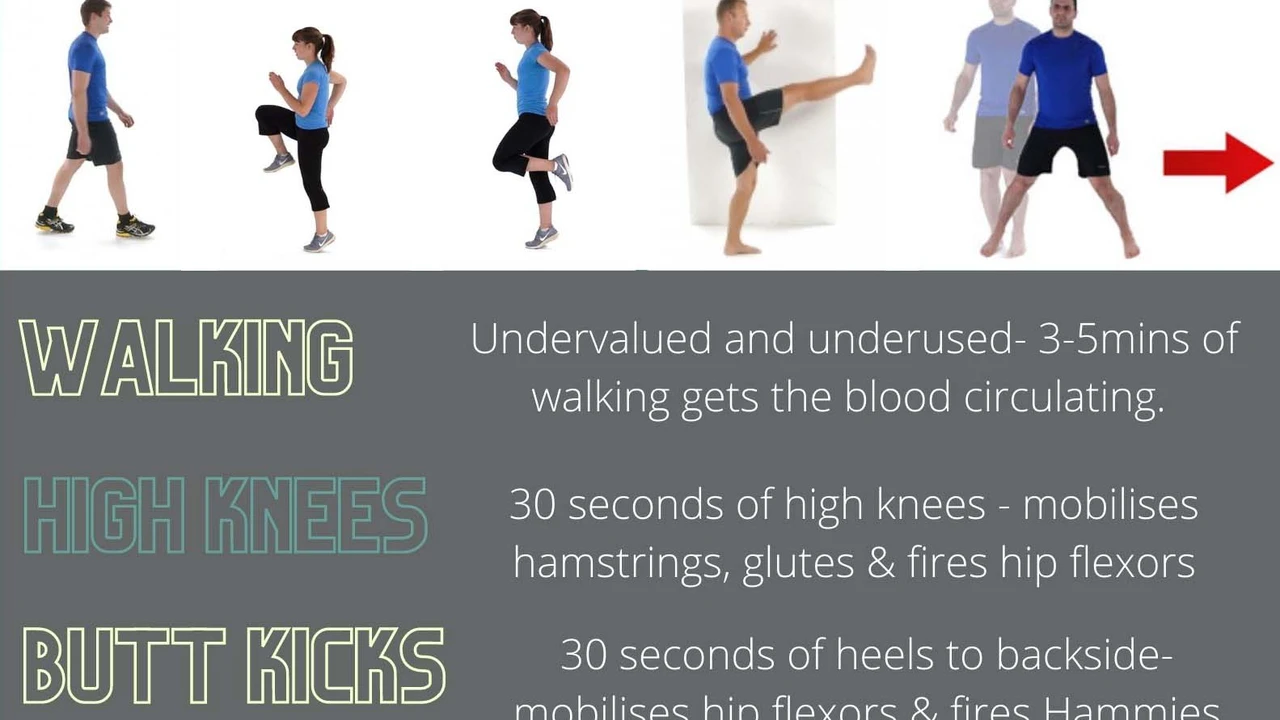
A dynamic warm-up prepares your muscles for the activity ahead Here are some examples
- Arm Circles Rotate your arms forward and backward
- Leg Swings Swing your legs forward and backward and side to side
- High Knees Bring your knees up towards your chest
- Butt Kicks Kick your heels towards your buttocks
- Walking Lunges Step forward with one leg and lower your body until both knees are bent at a 90-degree angle
Cool-down Exercises
A static cool-down helps your muscles recover after exercise Here are some examples
- Hamstring Stretch Sit on the ground with your legs extended and reach for your toes
- Quadriceps Stretch Stand and pull your heel towards your buttocks
- Calf Stretch Lean against a wall with one leg extended behind you
- Triceps Stretch Reach one arm overhead and bend your elbow reaching down your back
- Shoulder Stretch Reach one arm across your body and pull it towards you with the other arm
Mastering Jogging Form and Technique
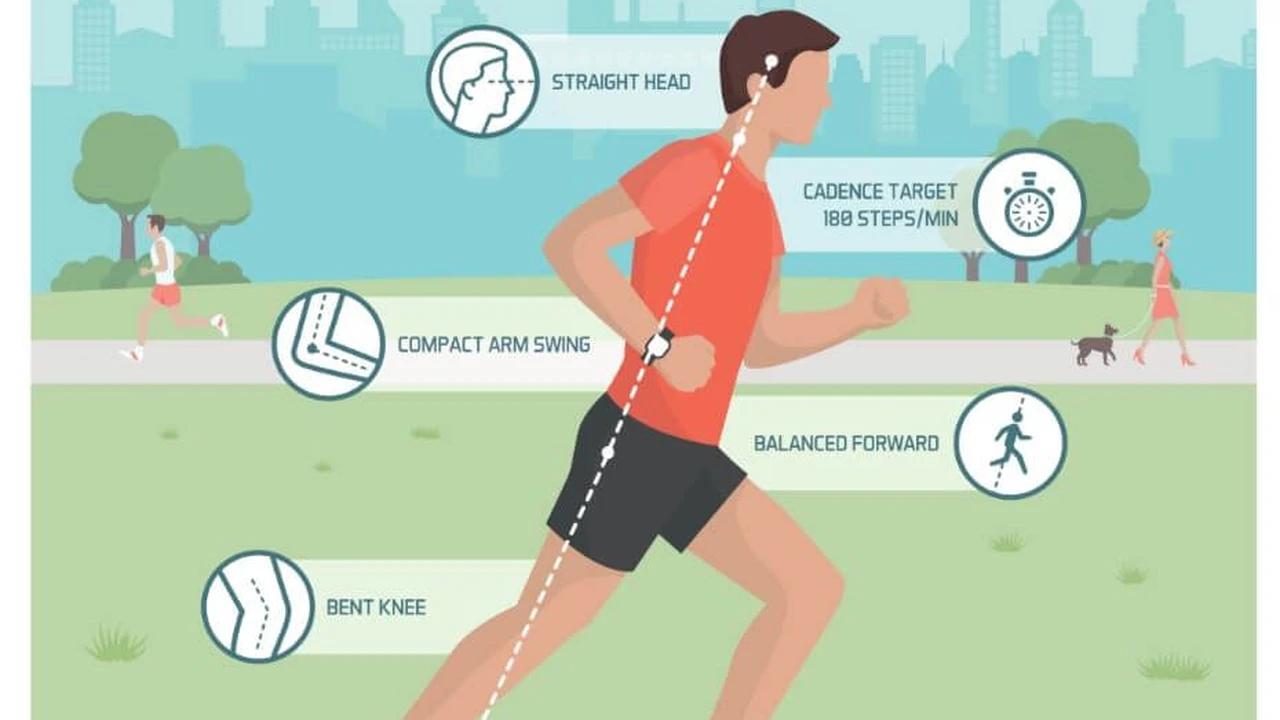
Proper jogging form is essential for preventing injuries and maximizing efficiency Pay attention to your posture stride and foot strike to improve your technique
Maintaining Proper Posture While Jogging
Maintain an upright posture with your head up shoulders relaxed and core engaged Avoid slouching or leaning forward
Optimizing Your Stride Length and Cadence
Your stride length should be natural and comfortable Avoid overstriding which can lead to injuries Cadence refers to the number of steps you take per minute Aim for a cadence of around 170-180 steps per minute
Understanding Different Foot Strike Techniques
There are three main foot strike techniques heel strike midfoot strike and forefoot strike The ideal foot strike depends on your individual biomechanics and preferences Experiment with different techniques to find what works best for you
Breathing Techniques for Efficient Jogging
Deep diaphragmatic breathing is essential for efficient jogging Breathe in through your nose and fill your abdomen with air Exhale slowly through your mouth
Choosing the Right Jogging Gear A Comprehensive Guide
Selecting the appropriate gear can significantly enhance your jogging experience From shoes to apparel to accessories here's a detailed guide to help you make informed decisions
Top Running Shoe Brands and Models for Jogging
Choosing the right running shoes is crucial for comfort and injury prevention Here are some top brands and models to consider
- Brooks Known for their comfortable and supportive shoes Brooks offers a wide range of models for different foot types and running styles The Ghost and Glycerin are popular choices
- Saucony Saucony shoes are known for their responsiveness and durability The Kinvara and Triumph are highly regarded models
- New Balance New Balance offers a variety of shoes for different foot types and running styles The Fresh Foam 1080 and 880 are popular choices
- Asics Asics shoes are known for their GEL cushioning which provides excellent shock absorption The Gel-Kayano and Gel-Nimbus are popular models
- Hoka One One Hoka One One shoes are known for their maximal cushioning which provides a plush and comfortable ride The Clifton and Bondi are popular choices
Product Comparison Brooks Ghost vs Saucony Kinvara
The Brooks Ghost and Saucony Kinvara are both popular neutral running shoes but they offer different experiences The Ghost provides a more cushioned and supportive ride while the Kinvara is lighter and more responsive
- Brooks Ghost Ideal for runners who prefer a soft and comfortable ride Suitable for daily training and long runs
- Saucony Kinvara Ideal for runners who prefer a lightweight and responsive shoe Suitable for tempo runs and races
Pricing and Availability of Top Running Shoe Models
The price of running shoes typically ranges from $100 to $200 depending on the brand model and features You can find running shoes at specialty running stores online retailers and department stores
Selecting Moisture-Wicking Apparel for Optimal Comfort
Moisture-wicking apparel helps to keep you cool and dry by drawing sweat away from your skin Look for fabrics such as polyester nylon and merino wool
Recommended Brands for Moisture-Wicking Apparel
- Nike Nike offers a wide range of moisture-wicking apparel for men and women
- Adidas Adidas apparel is known for its performance and style
- Under Armour Under Armour apparel is designed to keep you cool dry and comfortable
- Lululemon Lululemon apparel is known for its high quality and stylish designs
- REI Co-op REI Co-op offers a variety of affordable and durable moisture-wicking apparel
Choosing the Right Socks to Prevent Blisters
The right socks can make a big difference in preventing blisters Look for socks made from moisture-wicking materials such as merino wool or synthetic blends Avoid cotton socks which can trap moisture and lead to blisters
Top Sock Brands for Jogging
- Balega Balega socks are known for their comfort and durability
- Feetures Feetures socks are designed to provide targeted support and cushioning
- Smartwool Smartwool socks are made from merino wool which is naturally moisture-wicking and odor-resistant
- Drymax Drymax socks are designed to keep your feet dry and comfortable
- Thorlos Thorlos socks are known for their extra cushioning and support
Hydration Packs and Water Bottles Essential for Longer Jogs
Staying hydrated is crucial during jogging especially on longer runs Consider using a hydration pack or carrying a water bottle to ensure you have access to fluids
Product Recommendations Hydration Packs and Water Bottles
- CamelBak HydroBak A lightweight and compact hydration pack ideal for shorter runs
- Nathan VaporHowe/VaporKrar 12L A larger hydration pack with ample storage space for longer runs
- Hydro Flask Water Bottle A durable and insulated water bottle that keeps your drinks cold for hours
- Nathan QuickShot Plus Handheld A handheld water bottle with a comfortable grip
- UltrAspire UltraFlask 550 Hybrid Bottle A soft flask that collapses as you drink
Jogging for Weight Loss and Fitness
Jogging can be an effective way to lose weight and improve your overall fitness By incorporating jogging into your routine you can burn calories build muscle and boost your metabolism
Calculating Calorie Burn During Jogging
The number of calories you burn during jogging depends on several factors including your weight pace and duration of the workout You can use online calculators or fitness trackers to estimate your calorie burn
Creating a Jogging Schedule for Weight Loss
To lose weight effectively aim to jog for at least 30-60 minutes most days of the week Start slowly and gradually increase the intensity and duration of your workouts
Combining Jogging with a Healthy Diet
Weight loss is most effective when combined with a healthy diet Focus on eating whole unprocessed foods such as fruits vegetables lean protein and whole grains
Incorporating Strength Training for Enhanced Results
Strength training can help to build muscle which can boost your metabolism and improve your overall fitness Incorporate strength training exercises such as squats lunges and push-ups into your routine
Preventing Injuries and Staying Safe While Jogging
Preventing injuries is crucial for maintaining a consistent jogging routine Here are some tips for staying safe and avoiding common jogging injuries
Common Jogging Injuries and How to Prevent Them
- Shin Splints Inflammation of the muscles tendons and bone tissue around your tibia Prevent shin splints by wearing supportive shoes stretching your calf muscles and gradually increasing your mileage
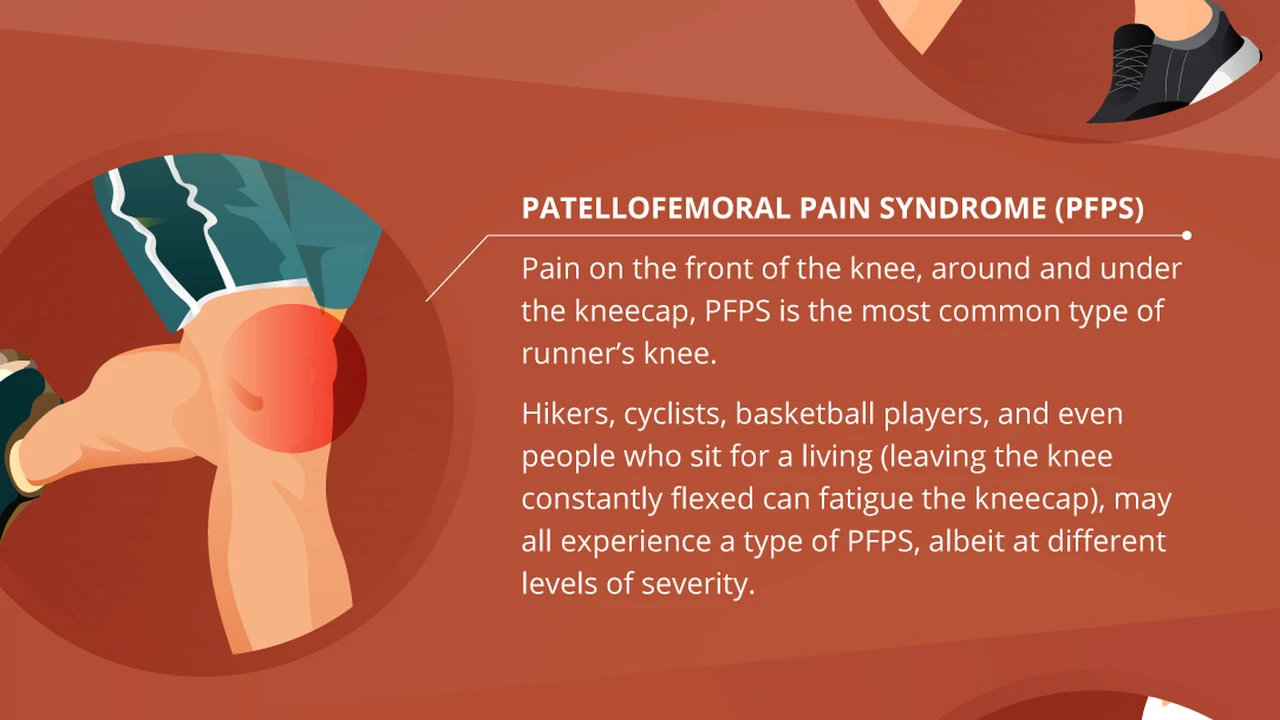
- Runner's Knee Pain around the kneecap Prevent runner's knee by strengthening your quadriceps and hamstring muscles and using proper running form
- Plantar Fasciitis Inflammation of the plantar fascia the tissue that runs along the bottom of your foot Prevent plantar fasciitis by stretching your calf muscles and using supportive shoes
- Achilles Tendinitis Inflammation of the Achilles tendon the tendon that connects your calf muscles to your heel Prevent Achilles tendinitis by stretching your calf muscles and gradually increasing your mileage
- Stress Fractures Small cracks in the bone Prevent stress fractures by wearing supportive shoes gradually increasing your mileage and ensuring you are getting enough calcium and vitamin D
Tips for Running in Different Weather Conditions
- Hot Weather Stay hydrated wear light-colored clothing and run during cooler times of the day
- Cold Weather Dress in layers wear a hat and gloves and be aware of the risk of hypothermia
- Rainy Weather Wear waterproof clothing and shoes and be aware of slippery surfaces
- Snowy Weather Wear shoes with good traction and be aware of icy conditions
Staying Visible and Aware of Your Surroundings
When jogging be aware of your surroundings and take precautions to stay safe Wear bright clothing or reflective gear especially when running in low-light conditions Run on well-lit paths and avoid running alone in secluded areas
Listening to Your Body and Taking Rest Days
It's important to listen to your body and take rest days when needed Overtraining can lead to injuries and burnout If you experience pain or fatigue take a break from jogging and allow your body to recover
Advanced Jogging Techniques and Training Plans
Once you've mastered the basics of jogging you can explore advanced techniques and training plans to further improve your performance
Interval Training for Speed and Endurance
Interval training involves alternating between high-intensity bursts of running and periods of rest or low-intensity jogging This type of training can help to improve your speed and endurance
Tempo Runs for Increased Lactate Threshold
A tempo run is a sustained effort run at a comfortably hard pace This type of training can help to increase your lactate threshold which is the point at which your body starts to produce lactic acid faster than it can be cleared
Long Runs for Endurance Development
Long runs are essential for building endurance Gradually increase the distance of your long runs over time to prepare your body for longer distances
Strength Training for Runners
Strength training can help to improve your running performance by strengthening your muscles and preventing injuries Focus on exercises that target your legs core and upper body
Sample Training Plans for Different Goals
There are many different training plans available depending on your goals Whether you're training for a 5k a 10k or a marathon there's a plan that can help you achieve your goals
Finding Jogging Communities and Resources
Connecting with other joggers can provide motivation support and valuable information Here are some ways to find jogging communities and resources
Local Running Clubs and Groups
Join a local running club or group to connect with other joggers in your area These groups often organize group runs social events and training programs
Online Forums and Communities
Participate in online forums and communities to share your experiences ask questions and learn from other joggers
Running Apps and Websites
Utilize running apps and websites to track your progress find new routes and connect with other runners
Coaching and Personal Training Options
Consider hiring a running coach or personal trainer to help you develop a personalized training plan and achieve your goals
By embracing the joys and benefits of jogging you can embark on a journey towards improved health fitness and well-being Remember to start slowly listen to your body and enjoy the process Happy jogging
:max_bytes(150000):strip_icc()/277019-baked-pork-chops-with-cream-of-mushroom-soup-DDMFS-beauty-4x3-BG-7505-5762b731cf30447d9cbbbbbf387beafa.jpg)