The Importance of Rest and Recovery for Joggers

Understanding Jogging Techniques The Foundation of Efficient Running
Jogging, often seen as a leisurely form of running, requires a certain level of technique to maximize its benefits and minimize the risk of injury. It's not just about putting one foot in front of the other; it's about doing it efficiently and effectively. This section will delve into the fundamental jogging techniques that every runner, from beginner to seasoned marathoner, should understand.
Proper Posture The Key to Upright Running
Posture is paramount. Imagine a string pulling you up from the crown of your head. Your spine should be straight, but not stiff. Avoid slouching or leaning forward excessively. A slight forward lean from the ankles is acceptable, but the bend should originate from your ankles, not your waist. Think tall and relaxed.
Foot Strike Optimizing Your Impact
Foot strike is another crucial element. Ideally, you want to aim for a midfoot strike, where your foot lands flat beneath your center of gravity. This distributes the impact evenly and reduces stress on your joints. Heel striking, where your heel hits the ground first, can send a jarring shock up your legs. Forefoot striking, while common among sprinters, can put excessive strain on your calf muscles. Finding that midfoot balance is key.
Arm Swing Powering Your Propulsion
Don't underestimate the importance of your arm swing. Your arms should swing forward and back, not across your body. Keep your elbows bent at approximately 90 degrees and your hands relaxed. Avoid clenching your fists, as this creates unnecessary tension. Your arm swing should be a natural extension of your leg movement, helping to propel you forward.
Cadence Finding Your Rhythm
Cadence refers to the number of steps you take per minute. A higher cadence, typically around 170-180 steps per minute, is generally more efficient and reduces the risk of injury. Shortening your stride and increasing your turnover can help you achieve a higher cadence. Use a metronome or a running app to help you find your optimal rhythm.
Breathing Techniques Fueling Your Run
Breathing is fundamental. Practice deep, diaphragmatic breathing. Breathe in through your nose and out through your mouth. This allows you to take in more oxygen and expel carbon dioxide more efficiently. Avoid shallow chest breathing, which can lead to fatigue and shortness of breath. Coordinate your breathing with your stride; for example, inhale for three steps and exhale for two.
Form Drills and Exercises Refining Your Jogging Style
Now that we've covered the basics of jogging techniques, let's explore some form drills and exercises that can help you refine your running style. These drills are designed to improve your posture, foot strike, arm swing, and overall efficiency.
High Knees Strengthening Your Hip Flexors
High knees involve lifting your knees high towards your chest with each step. This exercise strengthens your hip flexors and improves your leg drive. Focus on bringing your knees up as high as possible while maintaining good posture.
Butt Kicks Enhancing Your Hamstring Flexibility
Butt kicks involve bringing your heels up towards your glutes with each step. This exercise enhances your hamstring flexibility and improves your leg turnover. Focus on kicking your heels up as high as possible while maintaining good posture.
Ankle Hopping Improving Your Foot Strike
Ankle hopping involves hopping lightly on your toes, focusing on pushing off with your ankles. This exercise improves your foot strike and strengthens your calf muscles. Focus on landing softly and maintaining a quick turnover.
Arm Swing Drills Perfecting Your Motion
Practice your arm swing in front of a mirror. Focus on swinging your arms forward and back, keeping your elbows bent and your hands relaxed. Pay attention to any tension in your shoulders or neck and try to release it.
Core Strengthening Exercises Stabilizing Your Body
A strong core is essential for maintaining good posture and stability while jogging. Incorporate core strengthening exercises such as planks, crunches, and Russian twists into your routine. A stable core will help you avoid injuries and run more efficiently.
Essential Jogging Gear Enhancing Your Performance
Having the right gear can significantly enhance your jogging performance and comfort. From shoes to apparel to accessories, choosing the right equipment is crucial for a positive running experience.
Running Shoes The Foundation of Your Run
Choosing the right running shoes is paramount. Consider your foot type (neutral, pronated, or supinated) and the terrain you'll be running on. Visit a specialty running store for a gait analysis to determine the best shoes for your individual needs. Look for shoes with good cushioning, support, and breathability.
Product Recommendation: Brooks Ghost 14
The Brooks Ghost 14 is a popular choice for neutral runners. It offers a smooth and comfortable ride with excellent cushioning. It's versatile enough for everyday training and long runs.
Use Cases for Brooks Ghost 14
- Daily training runs
- Long runs
- Recovery runs
- Walking
Product Comparison: Brooks Ghost 14 vs. Nike Air Zoom Pegasus 38
Both the Brooks Ghost 14 and the Nike Air Zoom Pegasus 38 are excellent choices for neutral runners. The Ghost 14 offers a softer ride, while the Pegasus 38 provides a more responsive feel. The choice depends on your personal preference.
Detailed Information: Brooks Ghost 14
- Weight: 10.1 oz
- Heel-to-toe drop: 12mm
- Cushioning: BioMoGo DNA
- Price: $130
Running Apparel Staying Comfortable on the Road
Choose running apparel that is lightweight, breathable, and moisture-wicking. Avoid cotton, which can become heavy and uncomfortable when wet. Look for fabrics such as polyester or merino wool.
Product Recommendation: Nike Dri-FIT Running Shirt
The Nike Dri-FIT Running Shirt is a classic choice for its breathability and moisture-wicking properties. It's lightweight and comfortable, making it ideal for running in warm weather.
Use Cases for Nike Dri-FIT Running Shirt
- Running
- Working out
- Everyday wear
Product Comparison: Nike Dri-FIT Running Shirt vs. Under Armour HeatGear Running Shirt
Both the Nike Dri-FIT Running Shirt and the Under Armour HeatGear Running Shirt are excellent choices for running. The Dri-FIT shirt is slightly more breathable, while the HeatGear shirt offers more compression.
Detailed Information: Nike Dri-FIT Running Shirt
- Material: 100% polyester
- Moisture-wicking: Yes
- Breathable: Yes
- Price: $30
Running Accessories Enhancing Your Experience
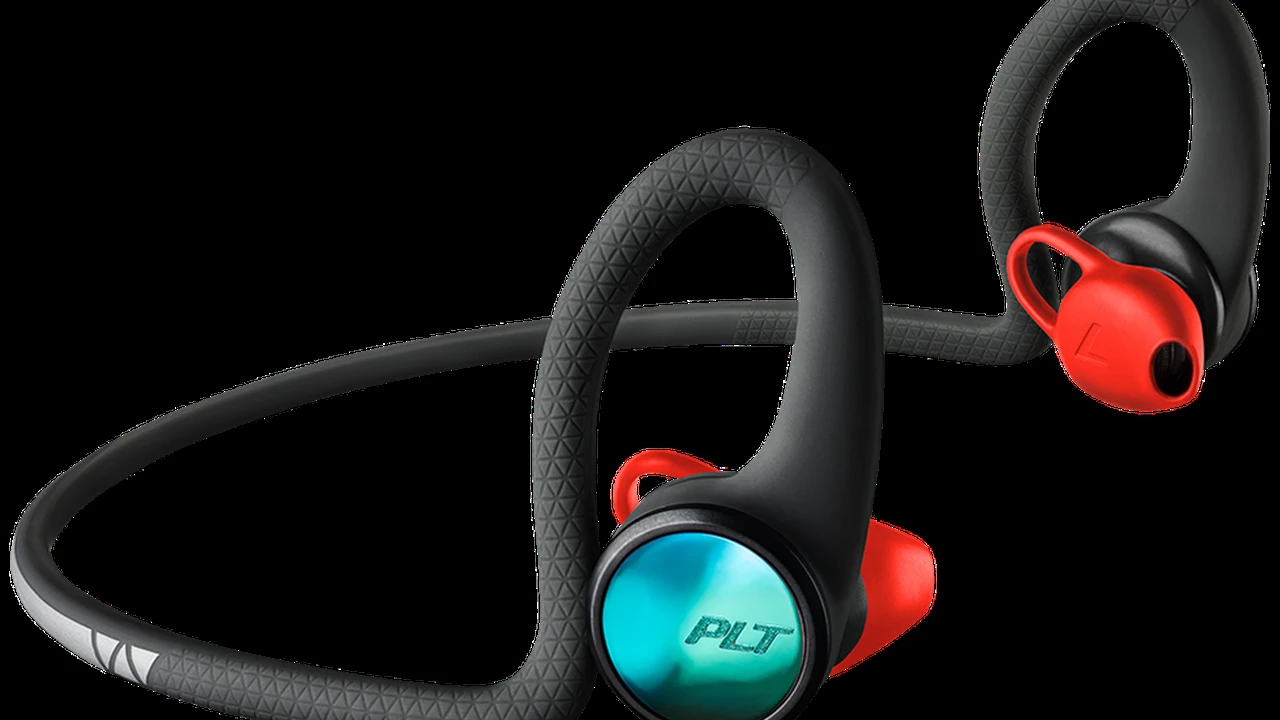
A variety of running accessories can enhance your experience. Consider items such as a running watch, headphones, a hydration pack, and a hat or visor.
Product Recommendation: Garmin Forerunner 245 Music
The Garmin Forerunner 245 Music is a popular running watch that tracks your pace, distance, heart rate, and more. It also allows you to store and listen to music without your phone.
Use Cases for Garmin Forerunner 245 Music
- Tracking runs
- Listening to music
- Monitoring heart rate
- Receiving notifications
Product Comparison: Garmin Forerunner 245 Music vs. Apple Watch Series 7
The Garmin Forerunner 245 Music is specifically designed for running, while the Apple Watch Series 7 is a more versatile smartwatch. The Forerunner 245 Music offers more detailed running metrics, while the Apple Watch Series 7 offers a wider range of features.
Detailed Information: Garmin Forerunner 245 Music
- GPS: Yes
- Heart rate monitoring: Yes
- Music storage: Yes
- Battery life: Up to 7 days in smartwatch mode
- Price: $350
Common Jogging Mistakes Avoiding Pitfalls
Even with proper technique and gear, runners can fall into common pitfalls that can lead to injury or hinder performance. Being aware of these mistakes is crucial for staying healthy and progressing in your jogging journey.
Overtraining Pushing Too Hard Too Soon
Overtraining is a common mistake among beginner runners. It occurs when you increase your mileage or intensity too quickly without allowing your body adequate time to recover. This can lead to injuries such as stress fractures, shin splints, and tendinitis. Gradually increase your mileage and intensity, and listen to your body.
Ignoring Pain Pushing Through the Discomfort
Ignoring pain is another common mistake. Pain is your body's way of telling you that something is wrong. Pushing through pain can lead to more serious injuries. If you experience pain, stop running and rest or seek medical attention.
Poor Nutrition Fueling Your Body Incorrectly
Poor nutrition can negatively impact your performance and recovery. Make sure you're eating a balanced diet that includes plenty of carbohydrates, protein, and healthy fats. Hydrate adequately before, during, and after your runs. Consider consulting with a registered dietitian for personalized nutrition advice.
Inadequate Warm-Up Skipping Essential Preparation
Skipping your warm-up can increase your risk of injury. A proper warm-up prepares your muscles and joints for the demands of running. Include dynamic stretches such as leg swings, arm circles, and torso twists in your warm-up routine.
Insufficient Cool-Down Neglecting Post-Run Recovery
An insufficient cool-down can hinder your recovery. A proper cool-down helps your body gradually return to its resting state. Include static stretches such as hamstring stretches, calf stretches, and quad stretches in your cool-down routine.
Advanced Jogging Techniques Elevating Your Performance
Once you've mastered the basics of jogging techniques and form, you can explore some advanced techniques to elevate your performance and challenge yourself.
Interval Training Boosting Your Speed and Endurance
Interval training involves alternating between periods of high-intensity running and periods of rest or low-intensity running. This type of training can improve your speed and endurance. Example: Run 400 meters at a fast pace, followed by 400 meters of jogging.
Tempo Runs Increasing Your Lactate Threshold
Tempo runs involve running at a comfortably hard pace for a sustained period of time. This type of training can increase your lactate threshold, which is the point at which your body starts to produce lactic acid more quickly than it can clear it. Example: Run for 20-30 minutes at a pace that is slightly faster than your normal easy pace.
Hill Training Building Strength and Power
Hill training involves running up hills. This type of training can build strength and power in your legs. Example: Run up a hill for a set amount of time, followed by a jog down the hill.
Fartlek Training Adding Variety and Fun
Fartlek training is a Swedish term that means "speed play." It involves varying your pace throughout your run, adding bursts of speed whenever you feel like it. This type of training can add variety and fun to your running routine.
Jogging for Weight Loss Burning Calories and Shedding Pounds
Jogging is an excellent way to burn calories and shed pounds. It's a low-impact exercise that can be easily incorporated into your daily routine.
Calorie Burn Understanding the Numbers
The number of calories you burn while jogging depends on your weight, pace, and duration. A 150-pound person can burn approximately 100 calories per mile while jogging at a moderate pace.
Creating a Calorie Deficit The Key to Weight Loss
To lose weight, you need to create a calorie deficit, which means burning more calories than you consume. Aim to create a calorie deficit of 500-1000 calories per day to lose 1-2 pounds per week.
Combining Jogging with Diet Maximizing Results
Combining jogging with a healthy diet is the most effective way to lose weight. Focus on eating whole, unprocessed foods and limiting your intake of sugary drinks, processed foods, and unhealthy fats. Consider consulting with a registered dietitian for personalized nutrition advice.
Setting Realistic Goals Staying Motivated
Set realistic goals for your weight loss journey. Don't try to lose weight too quickly, as this can be unhealthy and unsustainable. Aim to lose 1-2 pounds per week. Celebrate your successes along the way to stay motivated.
Jogging for Mental Health Boosting Your Mood and Reducing Stress
Jogging is not only beneficial for your physical health but also for your mental health. It can boost your mood, reduce stress, and improve your cognitive function.
Endorphin Release The Runner's High
Jogging releases endorphins, which are natural mood boosters. Endorphins can create a feeling of euphoria, often referred to as the "runner's high."
Stress Reduction Clearing Your Mind
Jogging can help reduce stress by clearing your mind and allowing you to focus on the present moment. It can also help you release pent-up energy and tension.
Improved Cognitive Function Sharpening Your Mind
Jogging can improve your cognitive function by increasing blood flow to your brain. This can lead to improved memory, attention, and problem-solving skills.
Connecting with Nature Enhancing Your Well-Being
Jogging outdoors can allow you to connect with nature, which can further enhance your well-being. Spending time in nature has been shown to reduce stress, improve mood, and boost creativity.
Jogging in Different Environments Adapting to Your Surroundings
Jogging in different environments can add variety and challenge to your routine. Whether you're running on a track, a trail, or a treadmill, adapting to your surroundings is crucial for staying safe and comfortable.
Track Running Focusing on Speed and Precision
Track running is ideal for focusing on speed and precision. The flat, even surface of a track allows you to maintain a consistent pace and monitor your progress. Use a track to practice interval training and tempo runs.
Trail Running Embracing Nature and Adventure
Trail running is a great way to embrace nature and adventure. Running on uneven terrain can challenge your balance and coordination. Be aware of your surroundings and wear appropriate footwear.
Treadmill Running Controlling Your Environment
Treadmill running allows you to control your environment. You can adjust the speed, incline, and duration of your run. Treadmill running is a good option when the weather is bad or when you need a consistent surface.
City Running Navigating Urban Landscapes
City running requires you to navigate urban landscapes. Be aware of traffic, pedestrians, and other obstacles. Wear bright clothing and run against traffic whenever possible.
Staying Motivated Maintaining Your Jogging Routine
Staying motivated is crucial for maintaining your jogging routine. Here are some tips to help you stay on track.
Setting Goals Creating a Purpose
Set realistic goals for your jogging routine. Whether it's to run a certain distance, lose a certain amount of weight, or simply improve your overall fitness, having a goal can give you a sense of purpose.
Finding a Running Buddy Sharing the Journey
Finding a running buddy can make your jogging routine more enjoyable and motivating. A running buddy can provide support, encouragement, and accountability.
Joining a Running Club Connecting with Others
Joining a running club can connect you with other runners and provide you with a sense of community. Running clubs often organize group runs, races, and social events.
Tracking Your Progress Monitoring Your Success
Tracking your progress can help you stay motivated by showing you how far you've come. Use a running app or a journal to track your distance, pace, and other metrics.
Rewarding Yourself Celebrating Your Achievements
Rewarding yourself for your achievements can help you stay motivated. Treat yourself to a new pair of running shoes, a massage, or a healthy meal.
Injury Prevention Staying Healthy and On the Road
Injury prevention is crucial for staying healthy and on the road. Here are some tips to help you avoid injuries.
Proper Warm-Up Preparing Your Body
A proper warm-up prepares your muscles and joints for the demands of running. Include dynamic stretches such as leg swings, arm circles, and torso twists in your warm-up routine.
Stretching Maintaining Flexibility
Stretching regularly can help maintain your flexibility and prevent injuries. Include static stretches such as hamstring stretches, calf stretches, and quad stretches in your cool-down routine.
Strength Training Building a Strong Foundation
Strength training can build a strong foundation for running. Focus on exercises that strengthen your core, legs, and glutes. Include exercises such as planks, squats, and lunges in your routine.
Proper Footwear Choosing the Right Shoes
Choosing the right running shoes is crucial for preventing injuries. Consider your foot type and the terrain you'll be running on. Visit a specialty running store for a gait analysis to determine the best shoes for your individual needs.
Listening to Your Body Recognizing the Signs
Listening to your body is crucial for preventing injuries. Pay attention to any pain or discomfort you experience and stop running if necessary. Rest and recover adequately to allow your body to heal.
Hydration and Nutrition Fueling Your Performance
Proper hydration and nutrition are essential for fueling your performance and recovery. Here are some tips to help you stay hydrated and nourished.
Hydration Staying Properly Hydrated
Drink plenty of water throughout the day, especially before, during, and after your runs. Dehydration can lead to fatigue, muscle cramps, and decreased performance. Consider using a hydration pack or carrying a water bottle with you on your runs.
Carbohydrates Fueling Your Muscles
Carbohydrates are the primary fuel source for your muscles. Choose complex carbohydrates such as whole grains, fruits, and vegetables. Avoid simple carbohydrates such as sugary drinks and processed foods.
Protein Repairing Your Muscles
Protein is essential for repairing your muscles after exercise. Choose lean protein sources such as chicken, fish, beans, and tofu. Aim to consume protein within 30-60 minutes after your runs.
Healthy Fats Supporting Overall Health
Healthy fats are important for supporting overall health. Choose unsaturated fats such as olive oil, avocados, and nuts. Avoid saturated and trans fats.
:max_bytes(150000):strip_icc()/277019-baked-pork-chops-with-cream-of-mushroom-soup-DDMFS-beauty-4x3-BG-7505-5762b731cf30447d9cbbbbbf387beafa.jpg)