Jogging for Weight Loss: A Comprehensive Guide

Understanding the Basics of Jogging for Weight Loss
So, you're looking to shed some pounds and you've heard jogging is a great way to do it? You're absolutely right! But before you lace up those running shoes and hit the pavement, let's break down the fundamentals. Jogging, in its simplest form, is a low-intensity form of running. It's slower, more sustainable, and generally easier on the joints than sprinting or high-intensity running. This makes it an excellent choice for beginners, those with joint issues, or anyone looking for a consistent and enjoyable way to burn calories.
Why jogging specifically? Well, jogging is a fantastic cardiovascular exercise. It strengthens your heart, improves circulation, and boosts your overall fitness. But more importantly for our purposes, it burns calories. And when you burn more calories than you consume, you lose weight. It's a simple equation, but consistency is key.
Think of your body as a car. It needs fuel to run. That fuel comes from the food you eat. Jogging, like driving, burns that fuel. The longer and faster you jog, the more fuel you burn. And if you're burning more fuel than you're putting in the tank, your body will start to tap into its reserves – namely, stored fat. That's where the weight loss magic happens.
But it's not just about burning calories. Jogging also helps to build muscle, especially in your legs and core. While you might not be packing on huge amounts of muscle, even a small increase in muscle mass can boost your metabolism, meaning you'll burn more calories even when you're not jogging. It's a win-win!
Finally, don't underestimate the mental benefits of jogging. It can reduce stress, improve your mood, and boost your self-esteem. Feeling good about yourself is a huge motivator for sticking to your weight loss goals.
Setting Realistic Weight Loss Goals with Jogging
Now that you're pumped up about jogging, let's talk about setting realistic goals. This is crucial for staying motivated and avoiding discouragement. The biggest mistake people make is trying to lose too much weight too quickly. This is not only unhealthy but also unsustainable. You're much more likely to burn out and give up if you try to do too much too soon.
A healthy and sustainable rate of weight loss is generally considered to be 1-2 pounds per week. This might not sound like much, but it adds up over time. And more importantly, it's a rate of loss that your body can handle without going into starvation mode, which can actually hinder your weight loss efforts.
So, how does jogging fit into this? Well, the number of calories you burn while jogging will depend on a number of factors, including your weight, your speed, and the duration of your jog. A general estimate is that a 150-pound person jogging at a moderate pace for 30 minutes will burn around 300 calories. You can use online calculators or fitness trackers to get a more accurate estimate for your specific situation.
Based on this, you can start to create a plan. If you want to lose 1 pound per week, you need to create a calorie deficit of 3,500 calories (since 1 pound of fat equals 3,500 calories). You can achieve this through a combination of jogging and diet. For example, you could aim to burn 300 calories per day through jogging and reduce your daily calorie intake by 200 calories. This would create a total deficit of 500 calories per day, leading to a weight loss of 1 pound per week.
Remember to be patient and consistent. Don't get discouraged if you don't see results immediately. It takes time for your body to adapt and for the weight to come off. Focus on making jogging a regular part of your routine and celebrating small victories along the way.
The Best Jogging Gear for Weight Loss and Comfort
Having the right gear can make a huge difference in your jogging experience. It can improve your comfort, prevent injuries, and even boost your performance. Let's take a look at some essential jogging gear for weight loss:
Running Shoes: This is the most important piece of equipment. Invest in a good pair of running shoes that fit properly and provide adequate support. Visit a specialty running store where they can analyze your gait and recommend shoes that are right for your foot type. Look for shoes with good cushioning to protect your joints and a breathable upper to keep your feet cool and dry.
Recommended Product: Brooks Ghost 14 - These shoes are known for their comfort and cushioning, making them ideal for jogging. They're also durable and can handle a lot of miles.
Use Case: Daily jogging on pavement or trails.
Pricing: Around $130.
Comparison: Compared to the Nike Air Zoom Pegasus (another popular running shoe), the Brooks Ghost 14 offers more cushioning and a smoother ride. However, the Nike Pegasus is lighter and more responsive.
Moisture-Wicking Clothing: Avoid wearing cotton clothing, as it absorbs sweat and becomes heavy and uncomfortable. Instead, opt for moisture-wicking fabrics like polyester or nylon. These fabrics will draw sweat away from your skin, keeping you cool and dry.
Recommended Product: Under Armour HeatGear - Under Armour's HeatGear line offers a wide range of moisture-wicking shirts, shorts, and leggings that are perfect for jogging.
Use Case: All-weather jogging.
Pricing: Varies depending on the item, but typically around $20-$50 per piece.
Comparison: Compared to Adidas ClimaCool, Under Armour HeatGear is generally considered to be more effective at wicking away sweat. However, Adidas ClimaCool often has a more stylish design.
Fitness Tracker: A fitness tracker can help you monitor your progress and stay motivated. It can track your distance, pace, calories burned, and heart rate. This data can be invaluable for optimizing your workouts and tracking your weight loss.
Recommended Product: Fitbit Charge 5 - This fitness tracker offers a comprehensive set of features, including GPS tracking, heart rate monitoring, sleep tracking, and smartphone notifications.
Use Case: Tracking jogging performance and overall fitness.
Pricing: Around $150.
Comparison: Compared to the Apple Watch SE, the Fitbit Charge 5 is more affordable and has a longer battery life. However, the Apple Watch SE offers more advanced features and a larger screen.
Water Bottle: Staying hydrated is essential, especially during longer jogs. Carry a water bottle with you and sip on it regularly to prevent dehydration.
Recommended Product: Hydro Flask 24 oz Standard Mouth - This water bottle is insulated to keep your water cold for hours, and it's durable enough to withstand the rigors of jogging.
Use Case: Staying hydrated during jogging.
Pricing: Around $35.
Comparison: Compared to a plastic water bottle, the Hydro Flask is more durable, keeps water colder for longer, and is more environmentally friendly.
Headphones: Listening to music or podcasts can make your jogs more enjoyable and help you stay motivated. Choose a pair of headphones that are comfortable, sweat-resistant, and stay in place while you're running.
Recommended Product: Jabra Elite Active 75t - These wireless earbuds are sweatproof, have excellent sound quality, and fit securely in your ears.
Use Case: Listening to music or podcasts while jogging.
Pricing: Around $150.
Comparison: Compared to Apple AirPods Pro, the Jabra Elite Active 75t are more sweatproof and have a longer battery life. However, the AirPods Pro offer better noise cancellation.
Creating a Jogging Plan for Maximum Weight Loss
Now that you have the gear, let's create a jogging plan to maximize your weight loss results. The key is to gradually increase the intensity and duration of your jogs over time. Start slowly and listen to your body. Don't push yourself too hard, especially when you're just starting out.
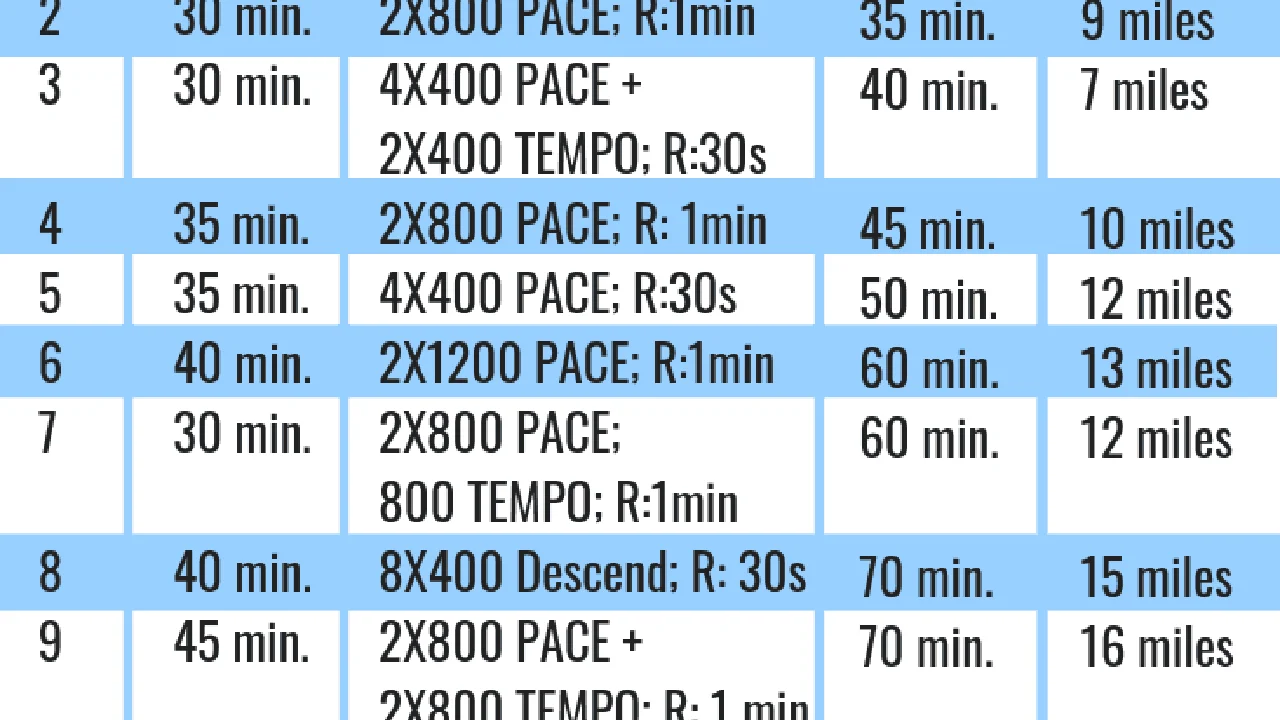
Week 1-2: Focus on establishing a routine. Aim to jog for 30 minutes, 3 times per week. Start with a brisk walk for 5 minutes to warm up, then jog at a comfortable pace for 20 minutes, and finish with a 5-minute cool-down walk. If you're unable to jog continuously for 20 minutes, break it up into shorter intervals with walking breaks in between.
Week 3-4: Increase the duration of your jogs. Aim to jog for 45 minutes, 3 times per week. Gradually increase the amount of time you spend jogging and decrease the amount of time you spend walking. You can also try adding a fourth jogging session to your week.
Week 5-6: Increase the intensity of your jogs. Try incorporating some interval training into your routine. This involves alternating between periods of high-intensity jogging and periods of low-intensity jogging or walking. For example, you could jog at a fast pace for 1 minute, then jog at a slow pace for 2 minutes, and repeat this cycle for 30 minutes.
Week 7-8: Continue to increase the intensity and duration of your jogs. You can also try adding some hill training to your routine. Jogging uphill is a great way to burn extra calories and build muscle.
Remember to listen to your body and take rest days when you need them. Don't be afraid to adjust your plan based on your individual needs and progress. The most important thing is to be consistent and make jogging a regular part of your lifestyle.
The Importance of Diet and Nutrition for Jogging Weight Loss
While jogging is a great way to burn calories, it's important to remember that diet plays a crucial role in weight loss. You can't outrun a bad diet. To maximize your weight loss results, you need to combine jogging with a healthy and balanced diet.
Focus on eating whole, unprocessed foods, such as fruits, vegetables, lean proteins, and whole grains. Limit your intake of processed foods, sugary drinks, and unhealthy fats. Pay attention to your portion sizes and try to eat slowly and mindfully.
Here are some specific dietary recommendations for joggers looking to lose weight:
Protein: Protein is essential for building and repairing muscle tissue. Aim to consume 0.8-1 gram of protein per pound of body weight per day. Good sources of protein include lean meats, poultry, fish, eggs, beans, and lentils.
Carbohydrates: Carbohydrates are your body's primary source of energy. Choose complex carbohydrates, such as whole grains, fruits, and vegetables, over simple carbohydrates, such as sugary drinks and processed foods. Aim to consume 2-3 grams of carbohydrates per pound of body weight per day.
Fats: Healthy fats are important for hormone production and overall health. Choose unsaturated fats, such as those found in avocados, nuts, seeds, and olive oil, over saturated and trans fats. Aim to consume 0.3-0.5 grams of fat per pound of body weight per day.
Hydration: Staying hydrated is crucial for performance and recovery. Drink plenty of water throughout the day, especially before, during, and after your jogs.
Consider consulting with a registered dietitian or nutritionist to create a personalized diet plan that meets your individual needs and goals.
Preventing Injuries While Jogging for Weight Loss
Injury prevention is crucial for maintaining a consistent jogging routine and achieving your weight loss goals. Here are some tips to help you prevent injuries while jogging:
Warm-up: Always warm up before you start jogging. This will help to prepare your muscles for activity and reduce your risk of injury. A good warm-up might include 5-10 minutes of light cardio, such as walking or jumping jacks, followed by some dynamic stretching exercises, such as leg swings and arm circles.
Cool-down: Always cool down after you finish jogging. This will help your muscles to recover and prevent soreness. A good cool-down might include 5-10 minutes of light cardio, such as walking, followed by some static stretching exercises, such as hamstring stretches and calf stretches.
Proper Form: Use proper jogging form. Keep your head up, your shoulders relaxed, and your core engaged. Land lightly on your midfoot and avoid overstriding.
Gradual Progression: Gradually increase the intensity and duration of your jogs over time. Don't try to do too much too soon.
Listen to Your Body: Pay attention to your body and stop jogging if you feel any pain. Don't try to push through pain, as this can lead to injury.
Rest and Recovery: Get enough rest and recovery. Your muscles need time to repair and rebuild after exercise. Aim for 7-8 hours of sleep per night and take rest days when you need them.
Proper Footwear: Wear proper running shoes that fit well and provide adequate support.
Surface: Choose a safe running surface. Avoid running on uneven or slippery surfaces.
Strength Training: Incorporate strength training into your routine. Strength training can help to strengthen your muscles and prevent injuries.
Flexibility: Maintain good flexibility. Stretching can help to improve your range of motion and prevent injuries.
Tracking Your Progress and Staying Motivated
Tracking your progress and staying motivated are essential for long-term success with jogging for weight loss. Here are some tips to help you stay on track:
Track Your Progress: Keep track of your jogs. Record your distance, pace, calories burned, and how you felt. This will help you to see how far you've come and stay motivated.
Set Goals: Set realistic goals for yourself. This will give you something to strive for and help you to stay focused.
Reward Yourself: Reward yourself for reaching your goals. This will help you to stay motivated and make the process more enjoyable.
Find a Jogging Buddy: Jogging with a friend can make the experience more enjoyable and help you to stay accountable.
Join a Running Club: Joining a running club can provide you with support and motivation.
Listen to Music or Podcasts: Listening to music or podcasts can make your jogs more enjoyable.
Find a Scenic Route: Jogging in a beautiful location can make the experience more enjoyable.
Don't Give Up: There will be times when you feel like giving up. Don't! Remember why you started and keep going.
Addressing Common Challenges and Plateaus in Jogging Weight Loss
Even with a solid plan, you might encounter challenges and plateaus along your jogging weight loss journey. Here's how to handle them:
Dealing with Soreness: Muscle soreness is common, especially when starting. Use ice packs, massage, and rest to alleviate discomfort. Consider taking an Epsom salt bath.
Overcoming Fatigue: Fatigue can be a sign of overtraining. Ensure you're getting enough sleep and nutrition. Reduce the intensity or duration of your jogs temporarily.
Breaking Through Plateaus: Weight loss plateaus are normal. Try varying your workouts, increasing intensity, or adjusting your diet. Consider adding strength training.
Managing Injuries: If you experience an injury, consult a doctor or physical therapist. Follow their recommendations for rest, rehabilitation, and a gradual return to jogging.
Combating Boredom: Keep your jogging routine interesting by exploring new routes, listening to different music, or jogging with different people.
Advanced Jogging Techniques for Enhanced Weight Loss
Once you've established a consistent jogging routine, you can explore advanced techniques to further enhance your weight loss:
Interval Training: Alternate between high-intensity bursts and periods of recovery. This method burns more calories and improves cardiovascular fitness.
Hill Training: Jogging uphill increases the intensity and engages more muscles, leading to greater calorie expenditure.
Fartlek Training: Incorporate bursts of speed into your jogs at random intervals. This unpredictable approach challenges your body and prevents adaptation.
Long Runs: Gradually increase the distance of your longest weekly jog. This builds endurance and burns a significant number of calories.
Strength Training for Joggers: Incorporate exercises that strengthen your legs, core, and upper body. This improves your running form, prevents injuries, and boosts your metabolism.
The Long-Term Benefits of Jogging Beyond Weight Loss
While weight loss is a significant benefit of jogging, the positive effects extend far beyond the scale:
Improved Cardiovascular Health: Jogging strengthens your heart and improves blood circulation, reducing the risk of heart disease, stroke, and other cardiovascular problems.
Increased Energy Levels: Regular jogging can boost your energy levels and combat fatigue.
Reduced Stress and Anxiety: Jogging releases endorphins, which have mood-boosting effects and can help to reduce stress and anxiety.
Improved Sleep Quality: Regular exercise, including jogging, can improve your sleep quality.
Stronger Bones and Muscles: Jogging helps to strengthen your bones and muscles, reducing the risk of osteoporosis and other age-related conditions.
Enhanced Cognitive Function: Studies have shown that regular exercise can improve cognitive function and protect against age-related cognitive decline.
Increased Self-Esteem: Achieving your weight loss goals and improving your fitness level can boost your self-esteem and confidence.
By embracing jogging as a lifestyle, you're investing in your long-term health and well-being.
:max_bytes(150000):strip_icc()/277019-baked-pork-chops-with-cream-of-mushroom-soup-DDMFS-beauty-4x3-BG-7505-5762b731cf30447d9cbbbbbf387beafa.jpg)