What to Eat Before a Jog: A Beginner's Guide
Understanding the Importance of Pre Jog Nutrition for Optimal Performance
So, you're lacing up your running shoes and ready to hit the pavement? That's fantastic! But before you pound the ground, let's talk about fueling your body properly. Just like a car needs gas, your body needs the right nutrients to perform its best during a jog. Pre-jog nutrition isn't just about avoiding that dreaded mid-run bonk; it's about maximizing energy levels, preventing muscle fatigue, and even aiding recovery.
Think of it this way: you wouldn't attempt a long drive on an empty tank, would you? The same principle applies to running. What you eat (and when you eat it) before a jog can significantly impact your performance and overall enjoyment. This guide will break down the essentials of pre-jog nutrition, offering practical advice and product recommendations to help you fuel your runs like a pro.
Carbohydrates The Runner's Best Friend for Pre Jog Energy
When it comes to pre-jog fuel, carbohydrates are king. They're your body's primary source of energy, and they're quickly converted into glucose, which your muscles can use to power your strides. But not all carbs are created equal. We're looking for easily digestible carbohydrates that provide sustained energy without causing stomach upset.
Simple vs. Complex Carbohydrates: Simple carbs (like those found in fruits and sugary drinks) provide a quick burst of energy, while complex carbs (like those found in whole grains and starchy vegetables) offer a more sustained release. For pre-jog fuel, a combination of both can be beneficial, depending on the length and intensity of your run.
Examples of Good Carbohydrate Choices Before a Jog:
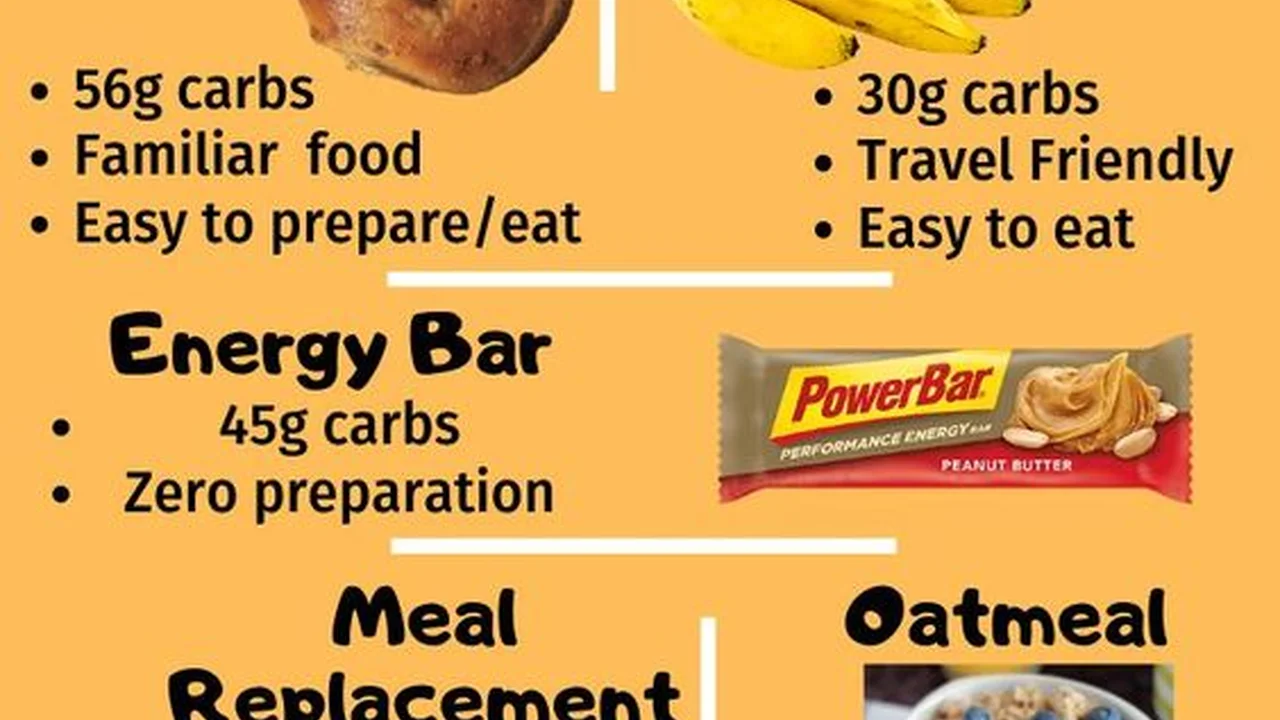
- Banana: A classic choice! Bananas are easily digestible, packed with potassium (an electrolyte lost through sweat), and provide a good source of simple carbohydrates.
- Oatmeal: A great option for longer runs. Oatmeal is a complex carbohydrate that provides sustained energy and can be customized with toppings like fruit and nuts.
- Toast with Jam: Simple, quick, and easy to digest. Choose whole-wheat toast for a bit of added fiber.
- Energy Gels or Chews: Convenient for longer runs or when you need a quick energy boost. We'll dive into specific product recommendations later.
Protein The Supporting Role in Pre Jog Muscle Protection and Recovery
While carbohydrates are the star of the show, protein plays an important supporting role in pre-jog nutrition. Protein helps protect your muscles from breakdown during exercise and aids in post-run recovery. However, it's important to choose protein sources that are easily digestible to avoid stomach upset.
Examples of Good Protein Choices Before a Jog:
- Greek Yogurt: A good source of protein and calcium. Choose plain Greek yogurt and add fruit or a drizzle of honey for flavor.
- Peanut Butter (in moderation): Provides protein and healthy fats. Spread a thin layer on toast or eat a small spoonful.
- Hard-Boiled Egg: A convenient and portable source of protein.
- Small Portion of Chicken or Turkey: Best suited for longer runs or when you have more time to digest.
Fats The Energy Reserve for Endurance Focused Jogging
Fats are an essential part of a healthy diet, but they should be consumed in moderation before a jog. Fats are digested more slowly than carbohydrates and protein, which can lead to stomach upset if consumed in large quantities before exercise. However, a small amount of healthy fats can provide sustained energy for longer runs.
Examples of Good Fat Choices Before a Jog (in moderation):
- Avocado: Provides healthy fats and nutrients. Add a few slices to toast or a smoothie.
- Nuts and Seeds: A good source of healthy fats and protein. Eat a small handful.
- Olive Oil: Use sparingly for cooking or drizzling on salads.
Hydration The Crucial Component of Pre Jog Performance and Well being
Hydration is just as important as nutrition when it comes to pre-jog preparation. Dehydration can lead to fatigue, muscle cramps, and decreased performance. Make sure you're adequately hydrated before you start your run, especially in hot weather.
How Much Water Should You Drink Before a Jog?
Aim to drink 16-20 ounces of water 2-3 hours before your run. Then, drink another 8-12 ounces 30 minutes before you start. Avoid sugary drinks, as they can lead to a sugar crash during your run.
Electrolytes: Maintaining Balance During and After Jogging
For longer runs (over an hour), consider consuming an electrolyte drink to replace the sodium and other minerals you lose through sweat. Electrolytes help maintain fluid balance and prevent muscle cramps.
Timing Your Pre Jog Meal Optimizing Digestion and Energy Levels
The timing of your pre-jog meal is just as important as what you eat. You need to give your body enough time to digest the food before you start running. The ideal timing depends on the size and composition of your meal.
General Guidelines for Pre-Jog Meal Timing:
- Large Meal (e.g., Oatmeal with Fruit and Nuts): 2-3 hours before your run.
- Medium Meal (e.g., Toast with Peanut Butter and Banana): 1-2 hours before your run.
- Small Snack (e.g., Energy Gel or Banana): 30-60 minutes before your run.
Experiment with different timing strategies to find what works best for your body. Pay attention to how you feel during your run and adjust accordingly.
Specific Product Recommendations for Pre Jog Fueling Needs
Now that we've covered the basics of pre-jog nutrition, let's dive into some specific product recommendations. These products are designed to provide convenient and effective fuel for your runs.
Energy Gels A Quick and Convenient Energy Boost for Jogging
Energy gels are a concentrated source of carbohydrates that are designed to be easily digested and absorbed. They're a great option for longer runs or when you need a quick energy boost. Here's a look at some popular energy gel options:
Gu Energy Gel: A classic choice among runners. Gu Energy Gel provides a blend of carbohydrates, electrolytes, and amino acids to fuel your muscles and prevent fatigue. It comes in a variety of flavors, including Chocolate Outrage, Tri-Berry, and Salted Caramel.
Use Case: Take one packet of Gu Energy Gel 15 minutes before your run and another packet every 45 minutes during your run.
Pricing: Approximately $1.50 - $2.00 per packet.
Clif Shot Energy Gel: Another popular option, Clif Shot Energy Gel is made with organic ingredients and provides a blend of carbohydrates, electrolytes, and caffeine (in some flavors). It comes in flavors like Razz, Mocha, and Citrus.
Use Case: Take one packet of Clif Shot Energy Gel 15 minutes before your run and another packet every 45 minutes during your run.
Pricing: Approximately $1.75 - $2.25 per packet.
Maurten Gel 100: A unique energy gel that uses a hydrogel technology to encapsulate the carbohydrates, allowing for faster absorption and reduced stomach upset. It's a more expensive option, but many runners swear by it.
Use Case: Take one packet of Maurten Gel 100 15 minutes before your run and another packet every 45 minutes during your run.
Pricing: Approximately $3.00 - $4.00 per packet.
Product Comparison:
| Product | Carbohydrates | Electrolytes | Caffeine | Price |
|---|---|---|---|---|
| Gu Energy Gel | 22g | Yes | Some flavors | $1.50 - $2.00 |
| Clif Shot Energy Gel | 24g | Yes | Some flavors | $1.75 - $2.25 |
| Maurten Gel 100 | 25g | No | No | $3.00 - $4.00 |
Energy Chews A Chewable Alternative for Sustained Jogging Energy
Energy chews are a chewable alternative to energy gels. They provide a similar blend of carbohydrates and electrolytes, but some runners find them easier to consume and digest. Here are some popular energy chew options:
Clif Bloks Energy Chews: Clif Bloks Energy Chews provide a blend of carbohydrates, electrolytes, and caffeine (in some flavors). They come in a variety of flavors, including Black Cherry, Citrus, and Mountain Berry.
Use Case: Consume 3 chews 15 minutes before your run and another 3 chews every 45 minutes during your run.
Pricing: Approximately $2.50 - $3.00 per packet.
Skratch Labs Energy Chews: Skratch Labs Energy Chews are made with real fruit and provide a blend of carbohydrates and electrolytes. They're a more natural option than some other energy chews.
Use Case: Consume 3 chews 15 minutes before your run and another 3 chews every 45 minutes during your run.
Pricing: Approximately $3.00 - $3.50 per packet.
Product Comparison:
| Product | Carbohydrates | Electrolytes | Caffeine | Price |
|---|---|---|---|---|
| Clif Bloks Energy Chews | 23g | Yes | Some flavors | $2.50 - $3.00 |
| Skratch Labs Energy Chews | 20g | Yes | No | $3.00 - $3.50 |
Pre Workout Supplements Elevating Jogging Performance with Added Ingredients
Pre-workout supplements are designed to enhance energy levels, focus, and performance during exercise. While not strictly necessary for every jog, they can be beneficial for intense workouts or when you need an extra boost. Be careful with pre-workout supplements, as some can cause side effects like jitters or stomach upset. Always start with a small dose and see how your body reacts.
Transparent Labs PreSeries BULK: Designed for strength training, but can also be used for endurance activities. Contains ingredients like citrulline malate, beta-alanine, and betaine anhydrous to improve blood flow, reduce fatigue, and enhance performance.
Use Case: Mix one scoop with water 20-30 minutes before your run.
Pricing: Approximately $49.00 per container (30 servings).
Gnarly Nutrition Pre-Workout: A more natural pre-workout option made with organic ingredients. Contains ingredients like beet root powder, caffeine, and electrolytes to improve energy levels and hydration.
Use Case: Mix one scoop with water 20-30 minutes before your run.
Pricing: Approximately $39.00 per container (30 servings).
Product Comparison:
| Product | Key Ingredients | Caffeine | Price |
|---|---|---|---|
| Transparent Labs PreSeries BULK | Citrulline Malate, Beta-Alanine, Betaine Anhydrous | 180mg | $49.00 |
| Gnarly Nutrition Pre-Workout | Beet Root Powder, Organic Caffeine, Electrolytes | 150mg | $39.00 |
Hydration Products Maintaining Fluid Balance During Jogging Activities
Staying hydrated is crucial for optimal performance during any physical activity, especially jogging. Here are some recommended hydration products that can help you maintain fluid balance:
Water Bottles: A basic necessity for carrying water during your runs. Options include handheld bottles, hydration vests, and waist packs.
Use Case: Fill your water bottle with water or an electrolyte drink and sip throughout your run.
Pricing: Varies depending on the type and brand, ranging from $10 to $50.
Electrolyte Tablets: Convenient tablets that dissolve in water to provide electrolytes lost through sweat. Popular brands include Nuun, GU Hydration Drink Tabs, and SaltStick Caps.
Use Case: Dissolve one tablet in 16 ounces of water and drink before, during, and after your run.
Pricing: Approximately $7 - $10 per tube (12 tablets).
Sports Drinks: Pre-mixed sports drinks like Gatorade and Powerade provide carbohydrates and electrolytes. However, they can be high in sugar, so choose wisely.
Use Case: Drink before, during, and after your run to replenish fluids and electrolytes.
Pricing: Varies depending on the brand and size, ranging from $1 to $3 per bottle.
Product Comparison:
| Product | Key Ingredients | Sugar Content | Price |
|---|---|---|---|
| Nuun Electrolyte Tablets | Sodium, Potassium, Magnesium, Calcium | 0g | $7 - $10 |
| Gatorade | Sodium, Potassium, Sugar | 21g (per 20 oz) | $1 - $3 |
Personalizing Your Pre Jog Nutrition Plan Finding What Works Best for You
The information in this guide provides a solid foundation for understanding pre-jog nutrition. However, it's important to remember that everyone is different, and what works for one person may not work for another. Experiment with different foods, timing strategies, and products to find what works best for your body.
Factors to Consider When Personalizing Your Pre-Jog Nutrition Plan:
- Run Length and Intensity: Longer and more intense runs require more fuel.
- Individual Tolerance: Pay attention to how your body reacts to different foods and products.
- Personal Preferences: Choose foods and products that you enjoy eating.
- Environmental Conditions: Hot weather requires more hydration and electrolytes.
Listening to Your Body The Key to Successful Pre Jog Fueling
Ultimately, the best way to determine your pre-jog nutrition needs is to listen to your body. Pay attention to how you feel during your runs and adjust your fueling strategy accordingly. If you experience stomach upset, fatigue, or muscle cramps, it's a sign that you need to make some changes. Keep experimenting until you find a plan that helps you perform your best and enjoy your runs to the fullest.
Pre Jog Fueling for Different Types of Jogging Activities
The ideal pre-jog fueling strategy can vary depending on the type of jogging activity you're planning. Here's a look at how to fuel for different types of runs:
Easy Runs Pre Jog Fueling for Short and Relaxed Jogging Sessions
For easy runs lasting less than an hour, you may not need to consume a lot of extra fuel beforehand. A small snack like a banana or a piece of toast with peanut butter 30-60 minutes before your run may be sufficient. Focus on staying hydrated.
Tempo Runs Pre Jog Fueling for Moderately Intense Jogging Sessions
Tempo runs are moderately intense runs that are designed to improve your speed and endurance. For tempo runs lasting 45-60 minutes, consume a slightly larger meal or snack 1-2 hours before your run. Good options include oatmeal with fruit, a bagel with cream cheese, or an energy gel.
Long Runs Pre Jog Fueling for Extended Jogging Durations
Long runs are the cornerstone of marathon training. For long runs lasting over an hour, it's crucial to fuel properly both before and during your run. Consume a larger meal 2-3 hours before your run, focusing on carbohydrates and some protein. During your run, consume energy gels or chews every 45 minutes to maintain energy levels. Also, ensure adequate hydration and electrolyte intake.
Interval Training Pre Jog Fueling for High Intensity Jogging Sessions
Interval training involves alternating between high-intensity bursts of running and periods of rest or recovery. For interval training sessions, consume a easily digestible carbohydrate source 1-2 hours before your run. Avoid high-fat or high-fiber foods, as they can cause stomach upset. Energy gels or chews can be useful during interval training to provide a quick energy boost.
Addressing Common Pre Jog Nutrition Mistakes Avoiding Pitfalls and Maximizing Benefits
Many runners make common mistakes when it comes to pre-jog nutrition. Here are some of the most common mistakes and how to avoid them:
Eating Too Much Too Close to Your Jogging Session
Eating a large meal too close to your run can lead to stomach upset, cramping, and sluggishness. Allow enough time for your body to digest the food before you start running.
Not Eating Enough Before Your Jogging Session
Not eating enough before your run can lead to fatigue, bonking, and decreased performance. Make sure you consume enough carbohydrates to fuel your muscles.
Consuming High Fiber Foods Before Your Jogging Session
High-fiber foods can cause bloating and gas, which can be uncomfortable during a run. Avoid high-fiber foods like beans, broccoli, and whole-wheat bread before your run.
Consuming Too Much Sugar Before Your Jogging Session
Consuming too much sugar before your run can lead to a sugar crash, which can leave you feeling tired and sluggish. Choose complex carbohydrates over simple sugars.
Not Hydrating Properly Before Your Jogging Session
Dehydration can significantly impact your performance. Make sure you're adequately hydrated before you start your run.
Conclusion (Omitted as requested)
This guide has provided a comprehensive overview of pre-jog nutrition. Remember to experiment with different foods, timing strategies, and products to find what works best for you. Listen to your body, and adjust your fueling strategy accordingly. With proper pre-jog nutrition, you can maximize your performance, prevent fatigue, and enjoy your runs to the fullest. Happy running!
:max_bytes(150000):strip_icc()/277019-baked-pork-chops-with-cream-of-mushroom-soup-DDMFS-beauty-4x3-BG-7505-5762b731cf30447d9cbbbbbf387beafa.jpg)