Jogging and Body Image: Building Confidence

The Powerful Connection Between Jogging and Weight Loss
So, you’re looking to shed some pounds and improve your overall health? Jogging might just be the perfect answer. It's more than just putting one foot in front of the other; it's a journey towards a healthier, happier you. Let's dive into why jogging is such a potent tool for weight loss and how you can maximize its benefits.
First things first, jogging is a fantastic calorie burner. The number of calories you torch depends on several factors: your weight, your speed, and the duration of your jog. A 150-pound person can burn upwards of 300 calories in just 30 minutes of moderate-paced jogging. Over time, those calories add up, leading to significant weight loss. But it's not just about the calories; jogging also boosts your metabolism, turning your body into a fat-burning machine even after you've stopped running.
Beyond the calorie burn, jogging offers a host of other benefits. It improves cardiovascular health, strengthens your bones and muscles, and even elevates your mood. The release of endorphins during exercise acts as a natural mood booster, helping to combat stress and anxiety – factors that often contribute to weight gain. Plus, jogging is a relatively low-impact exercise compared to activities like sprinting or jumping, making it a great option for people of all ages and fitness levels.
Crafting Your Jogging for Weight Loss Plan
Now that you're convinced of the benefits, let's talk about creating a jogging plan that works for you. Consistency is key, so start slow and gradually increase the intensity and duration of your workouts. Begin with brisk walking and gradually incorporate short bursts of jogging. As your fitness improves, you can extend the jogging intervals and reduce the walking periods.
A good starting point might be to jog for 20-30 minutes, three to four times a week. Listen to your body and don't push yourself too hard, especially in the beginning. Rest days are crucial for muscle recovery and preventing injuries. As you progress, you can increase the frequency, duration, or intensity of your jogs. Consider incorporating interval training, which involves alternating between high-intensity jogging and periods of rest or slower jogging. This can help you burn more calories and improve your cardiovascular fitness.
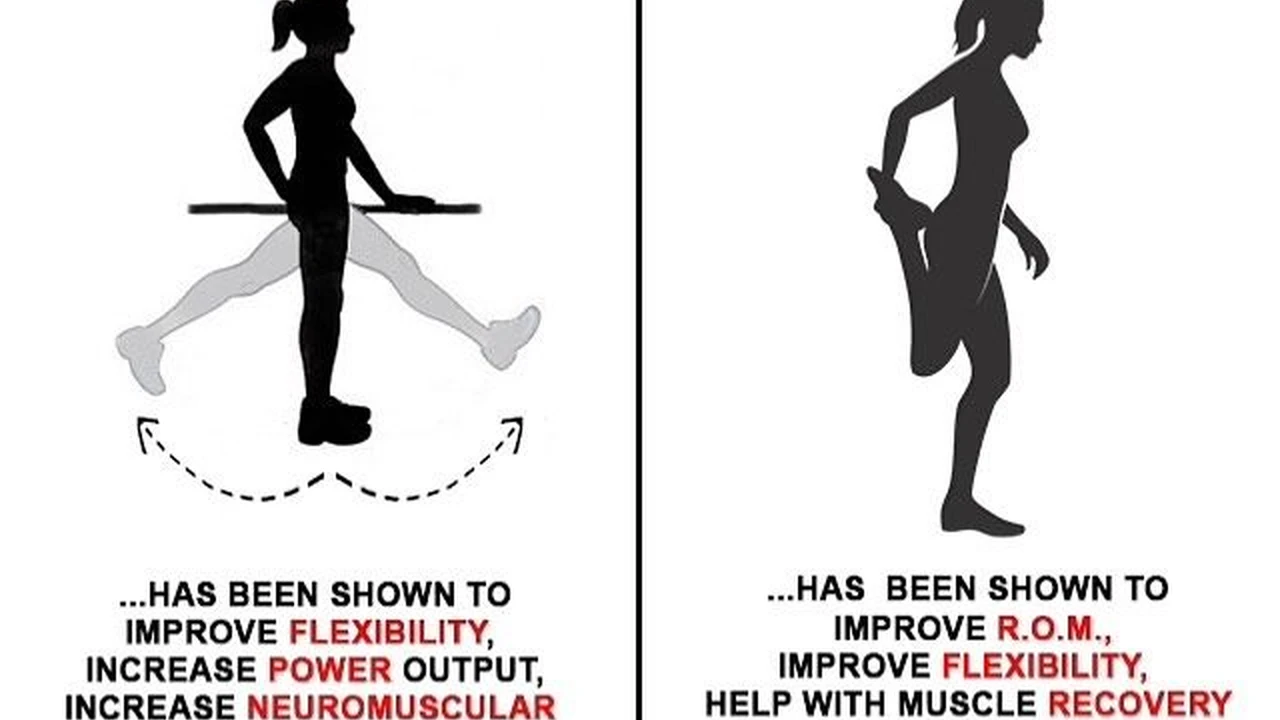
Don't forget about proper warm-up and cool-down routines. A warm-up prepares your muscles for exercise, reducing the risk of injury. A cool-down helps your body gradually return to its resting state, preventing muscle soreness and stiffness. Dynamic stretches like leg swings and arm circles are great for warming up, while static stretches like hamstring stretches and calf stretches are ideal for cooling down.
Optimizing Your Jogging Routine for Maximum Weight Loss
To really maximize your weight loss efforts, consider incorporating these strategies into your jogging routine:
* **Vary your routes:** Running the same route every day can become monotonous and your body can adapt, leading to a plateau in your weight loss. Explore different terrains, such as hills, trails, or beaches, to challenge your muscles in new ways. * **Incorporate hills:** Hill running is a fantastic way to boost your calorie burn and strengthen your leg muscles. Find a route with some hills and incorporate them into your jogging routine. * **Listen to your body:** Pay attention to any pain or discomfort you may experience. Don't push yourself through pain, as this can lead to injury. Rest when you need to and adjust your training accordingly. * **Track your progress:** Keep a record of your jogging workouts, including the distance, time, and intensity. This can help you track your progress and stay motivated. There are many apps available that can help you track your runs, such as Strava, Runkeeper, and MapMyRun. * **Stay hydrated:** Drink plenty of water before, during, and after your jogs to stay hydrated and prevent dehydration. * **Fuel your body:** Eat a healthy diet that supports your weight loss goals. Focus on whole, unprocessed foods, such as fruits, vegetables, lean protein, and whole grains.The Right Gear for Successful Jogging and Weight Loss
Having the right gear can make a big difference in your comfort and performance while jogging. Here are some essentials:
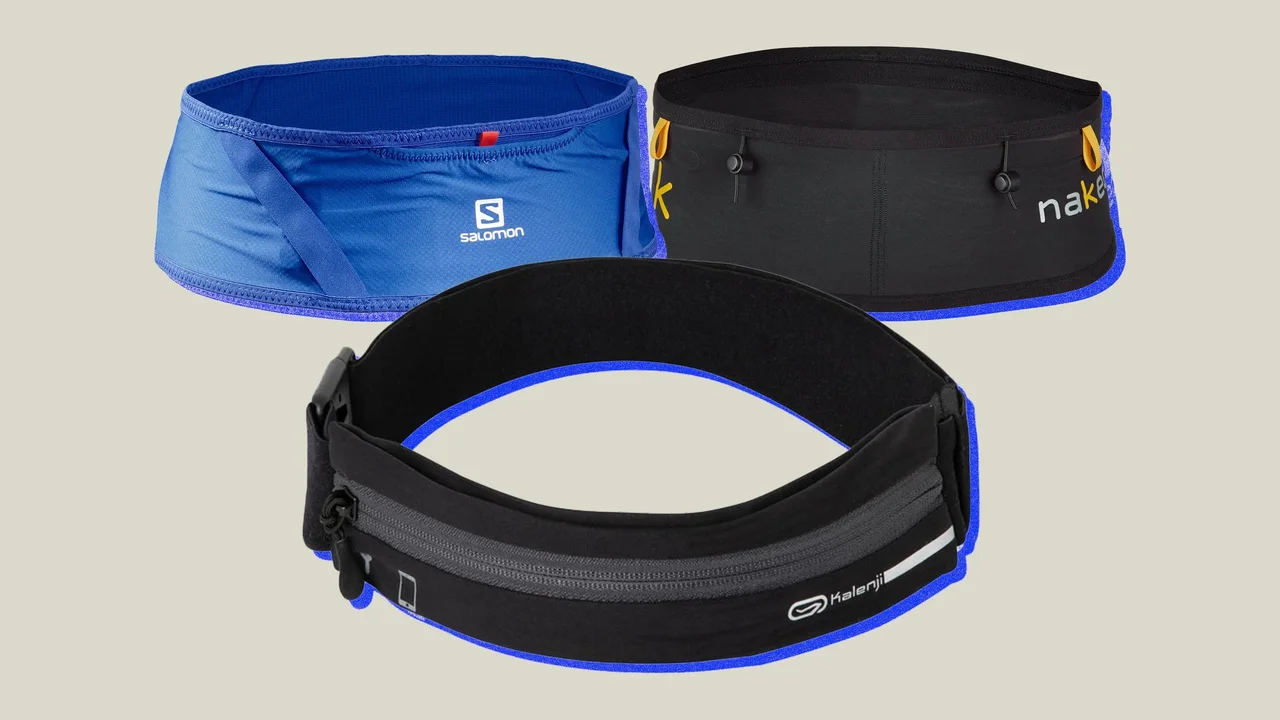
* **Running shoes:** Invest in a good pair of running shoes that provide adequate support and cushioning. Visit a specialty running store to get fitted for the right shoes for your foot type and running style. Ill-fitting shoes can lead to blisters, shin splints, and other injuries. * **Moisture-wicking clothing:** Choose clothing made from moisture-wicking fabrics that will keep you cool and dry during your jogs. Avoid cotton, which can become heavy and uncomfortable when wet. * **Sports bra (for women):** A supportive sports bra is essential for women to minimize breast movement and prevent discomfort. * **Sunglasses:** Protect your eyes from the sun's harmful rays with a pair of sunglasses. * **Sunscreen:** Apply sunscreen to exposed skin to protect yourself from sunburn. * **Hat or visor:** A hat or visor can help shield your face from the sun and keep you cool. * **Water bottle or hydration pack:** Stay hydrated by carrying a water bottle or hydration pack with you on your jogs. * **Fitness tracker or smartwatch:** A fitness tracker or smartwatch can help you track your progress, monitor your heart rate, and stay motivated.Product Recommendations: Gear Up for Your Jogging Journey
Let's explore some specific product recommendations to help you gear up for your jogging and weight loss journey. These are just examples, and the best choice for you will depend on your individual needs and preferences.
Running Shoes: Brooks Ghost 14 vs. Saucony Kinvara 13
Finding the right running shoes is paramount. Two popular options are the Brooks Ghost 14 and the Saucony Kinvara 13. The Brooks Ghost 14 is known for its exceptional cushioning and smooth ride, making it a great choice for beginners or those who prefer a more plush feel. It's a versatile shoe that can handle a variety of distances and paces. The Saucony Kinvara 13, on the other hand, is a lighter and more responsive shoe, ideal for faster workouts and races. It offers a more natural feel and encourages a midfoot strike. Consider your running style and preferences when choosing between these two excellent options.
* **Brooks Ghost 14:** * **Use Case:** Daily training, long runs, recovery runs. * **Details:** Neutral shoe with excellent cushioning, smooth transitions, and a durable outsole. * **Pricing:** Typically around $130. * **Saucony Kinvara 13:** * **Use Case:** Tempo runs, speed workouts, races. * **Details:** Lightweight shoe with a responsive feel, flexible midsole, and a comfortable fit. * **Pricing:** Typically around $120.Fitness Trackers: Fitbit Charge 5 vs. Garmin Forerunner 245
A fitness tracker can be a valuable tool for monitoring your progress and staying motivated. The Fitbit Charge 5 and the Garmin Forerunner 245 are two popular choices. The Fitbit Charge 5 is a sleek and stylish tracker that offers a wide range of features, including heart rate monitoring, sleep tracking, GPS, and smartphone notifications. It's a great option for those who want a comprehensive overview of their health and fitness. The Garmin Forerunner 245 is a more advanced running watch that provides detailed metrics such as pace, distance, cadence, heart rate, and VO2 max. It's ideal for serious runners who want to track their performance and improve their training.
* **Fitbit Charge 5:** * **Use Case:** Daily activity tracking, sleep monitoring, general fitness. * **Details:** Sleek design, heart rate monitoring, GPS, sleep tracking, smartphone notifications. * **Pricing:** Typically around $150. * **Garmin Forerunner 245:** * **Use Case:** Running, training, performance tracking. * **Details:** Detailed running metrics, GPS, heart rate monitoring, training plans, music storage. * **Pricing:** Typically around $350.Hydration Packs: CamelBak HydroBak vs. Osprey Talon 6
Staying hydrated is crucial during your jogs, especially in warm weather. A hydration pack allows you to carry water hands-free. The CamelBak HydroBak and the Osprey Talon 6 are two popular options. The CamelBak HydroBak is a lightweight and minimalist pack that carries 1.5 liters of water. It's perfect for shorter runs where you don't need to carry much else. The Osprey Talon 6 is a larger pack that carries 6 liters of water and has additional storage for snacks, keys, and other essentials. It's ideal for longer runs or hikes where you need to carry more gear.
* **CamelBak HydroBak:** * **Use Case:** Short runs, minimalist hydration. * **Details:** Lightweight, 1.5-liter capacity, comfortable fit. * **Pricing:** Typically around $70. * **Osprey Talon 6:** * **Use Case:** Longer runs, hikes, carrying extra gear. * **Details:** 6-liter capacity, comfortable fit, multiple pockets. * **Pricing:** Typically around $100.Jogging and Nutrition: Fueling Your Weight Loss
Weight loss is a combination of exercise and nutrition. You can't outrun a bad diet. To maximize your weight loss efforts, focus on eating a healthy diet that supports your jogging routine. Here are some tips:
* **Eat plenty of fruits and vegetables:** Fruits and vegetables are packed with nutrients and fiber, which can help you feel full and satisfied. * **Choose lean protein sources:** Lean protein sources, such as chicken, fish, beans, and lentils, help build and repair muscle tissue. * **Opt for whole grains:** Whole grains, such as brown rice, quinoa, and oats, provide sustained energy and fiber. * **Limit processed foods:** Processed foods are often high in calories, sugar, and unhealthy fats. * **Stay hydrated:** Drink plenty of water throughout the day. * **Time your meals:** Eat a small meal or snack before your jogs to fuel your workout. After your jogs, replenish your glycogen stores with a combination of carbohydrates and protein.Common Jogging Mistakes to Avoid
Even with the best intentions, it's easy to make mistakes that can hinder your progress or lead to injury. Here are some common jogging mistakes to avoid:
* **Starting too fast:** Gradually increase your pace and distance to avoid overexertion and injury. * **Ignoring pain:** Pay attention to any pain or discomfort you may experience and rest when you need to. * **Wearing the wrong shoes:** Invest in a good pair of running shoes that provide adequate support and cushioning. * **Not warming up or cooling down:** Always warm up before your jogs and cool down afterward to prevent muscle soreness and stiffness. * **Not staying hydrated:** Drink plenty of water before, during, and after your jogs to stay hydrated. * **Not fueling your body:** Eat a healthy diet that supports your weight loss goals. * **Running the same route every day:** Vary your routes to challenge your muscles in new ways and prevent boredom.Jogging for Weight Loss Success Stories and Motivation
Need a little extra motivation? Hearing about other people's success stories can be incredibly inspiring. Search online for stories of people who have successfully lost weight through jogging. Read about their challenges, their triumphs, and their tips for success. Remember, you're not alone on this journey. There are countless people who have achieved their weight loss goals through jogging, and you can too.
Find a running buddy to help you stay motivated and accountable. Join a running club or online community to connect with other runners. Set realistic goals and reward yourself for achieving them. Celebrate your progress, no matter how small. Every step you take is a step closer to your goals.
Jogging and Mental Wellbeing a Holistic Approach
It's important to remember that weight loss is about more than just physical health; it's also about mental wellbeing. Jogging can have a profound impact on your mental health, reducing stress, anxiety, and depression. Make jogging a part of your self-care routine. Use it as an opportunity to clear your head, connect with nature, and appreciate your body's capabilities.
Practice mindfulness while jogging. Focus on your breath, your surroundings, and the sensations in your body. Let go of any negative thoughts or emotions. Embrace the present moment and enjoy the feeling of movement. Jogging can be a form of meditation, helping you to cultivate a sense of calm and inner peace.
Advanced Jogging Techniques for Enhanced Weight Loss
Once you've established a solid jogging base, you can incorporate advanced techniques to further enhance your weight loss efforts:
* **Interval Training:** Alternate between high-intensity jogging and periods of rest or slower jogging. This can help you burn more calories and improve your cardiovascular fitness. Examples include 30 seconds of sprinting followed by 60 seconds of jogging, repeated for 20-30 minutes. * **Fartlek Training:** This Swedish term means "speed play." It involves varying your pace throughout your jog, incorporating bursts of speed, hills, and other challenges. * **Tempo Runs:** These are sustained, moderately hard runs that help improve your aerobic capacity and running efficiency. * **Long Runs:** Gradually increase the distance of your long runs to improve your endurance and burn more calories. * **Strength Training:** Incorporate strength training exercises into your routine to build muscle mass, which can help boost your metabolism and burn more calories. Focus on exercises that target your legs, core, and upper body. Squats, lunges, push-ups, and planks are all great options.Maintaining Your Weight Loss Through Continued Jogging
Once you've reached your weight loss goals, it's important to maintain your progress through continued jogging and a healthy lifestyle. Don't fall back into old habits. Make jogging a part of your regular routine, even if you reduce the frequency or intensity. Continue to eat a healthy diet and stay active in other ways. Remember, weight loss is a journey, not a destination. It requires ongoing effort and commitment.
Set new goals to keep yourself motivated. Sign up for a race, try a new type of jogging, or challenge yourself to improve your pace or distance. Find ways to make jogging fun and enjoyable. Run with friends, listen to music, or explore new routes. The key is to find something that you enjoy and that you can stick with for the long term.
Overcoming Obstacles and Staying Consistent with Jogging
Life can throw curveballs, and there will be times when it's difficult to stay consistent with your jogging routine. Don't get discouraged. It's okay to miss a workout or two. Just get back on track as soon as possible. Identify your obstacles and develop strategies to overcome them. If you're short on time, try jogging in the morning before work or during your lunch break. If you're feeling unmotivated, find a running buddy or listen to an inspiring podcast. The key is to be flexible and adaptable. Don't let obstacles derail your progress. Keep your goals in mind and remember why you started jogging in the first place.
The Science Behind Jogging and Weight Loss
Let's delve a little deeper into the science behind why jogging is so effective for weight loss. As mentioned earlier, jogging burns calories. This calorie expenditure creates a calorie deficit, which is essential for weight loss. A calorie deficit occurs when you burn more calories than you consume. Your body then starts to tap into its stored fat reserves for energy, leading to weight loss.
Jogging also increases your metabolism. This means that your body burns more calories even when you're at rest. The increase in metabolism is due to the increase in muscle mass that results from regular exercise. Muscle tissue burns more calories than fat tissue, so the more muscle you have, the higher your metabolism will be.
Furthermore, jogging improves insulin sensitivity. Insulin is a hormone that helps regulate blood sugar levels. When you're insulin resistant, your body doesn't respond properly to insulin, which can lead to weight gain and other health problems. Jogging helps improve insulin sensitivity, which can help you control your blood sugar levels and lose weight.
Debunking Common Myths About Jogging and Weight Loss
There are many myths surrounding jogging and weight loss. Let's debunk some of the most common ones:
* **Myth: You have to run fast to lose weight.** Fact: You can lose weight by jogging at a moderate pace. The key is to be consistent and burn more calories than you consume. * **Myth: Jogging is bad for your knees.** Fact: Jogging is generally safe for your knees, as long as you wear the right shoes and listen to your body. If you have knee problems, talk to your doctor or physical therapist before starting a jogging program. * **Myth: You have to jog every day to lose weight.** Fact: You don't have to jog every day to lose weight. Three to four times a week is a good starting point. * **Myth: You can target fat loss in specific areas of your body.** Fact: You can't target fat loss in specific areas of your body. When you lose weight, you lose it all over your body. * **Myth: Jogging is the only way to lose weight.** Fact: Jogging is a great way to lose weight, but it's not the only way. You can also lose weight through other forms of exercise and a healthy diet.Jogging as Part of a Holistic Weight Management Strategy
Jogging should be viewed as part of a holistic weight management strategy that includes healthy eating, stress management, and adequate sleep. Don't rely solely on jogging to lose weight. Focus on making healthy lifestyle changes that you can sustain for the long term.
Get enough sleep. Sleep deprivation can lead to weight gain by disrupting your hormones and increasing your appetite. Aim for 7-8 hours of sleep per night.
Manage your stress. Stress can also lead to weight gain by increasing your levels of cortisol, a stress hormone. Find healthy ways to manage stress, such as yoga, meditation, or spending time in nature.
Build a support system. Surround yourself with people who support your weight loss goals. This could include friends, family members, or a support group.
The Future of Jogging and Weight Loss Technology and Trends
The future of jogging and weight loss is likely to be shaped by technology and emerging trends. We're already seeing advancements in wearable technology, such as smartwatches and fitness trackers, that provide detailed insights into our workouts and health. These devices can track our pace, distance, heart rate, sleep, and more. This data can be used to personalize our training plans and optimize our weight loss efforts.
We're also seeing the rise of virtual running communities and online training programs. These platforms provide a sense of community and support, as well as access to expert coaching and personalized training plans. Virtual reality (VR) and augmented reality (AR) technologies are also being used to create immersive and engaging running experiences. Imagine running through a virtual forest or city, all from the comfort of your own home.
Furthermore, advancements in nutrition science are leading to a better understanding of how to fuel our bodies for optimal performance and weight loss. Personalized nutrition plans, based on our individual genetics and metabolism, are becoming increasingly popular. In the future, we may see even more sophisticated technologies that can analyze our blood and provide real-time feedback on our nutritional needs.
Jogging and weight loss are constantly evolving, and it's exciting to see how technology and innovation are shaping the future of this field. By staying informed and embracing new approaches, we can continue to improve our health and achieve our weight loss goals.
:max_bytes(150000):strip_icc()/277019-baked-pork-chops-with-cream-of-mushroom-soup-DDMFS-beauty-4x3-BG-7505-5762b731cf30447d9cbbbbbf387beafa.jpg)