Jogging for Weight Loss: A Beginner's Guide

This article will delve into advanced jogging techniques, equipment recommendations, injury prevention, and personalized training plans to help you elevate your jogging experience.
Advanced Jogging Techniques for Experienced Runners
So, you've mastered the basics of jogging? Great! Now it's time to take things up a notch. Advanced jogging isn't just about running faster; it's about running smarter. It involves incorporating various techniques to improve your efficiency, endurance, and overall performance. Let's explore some key strategies.
Interval Training for Increased Speed and Endurance
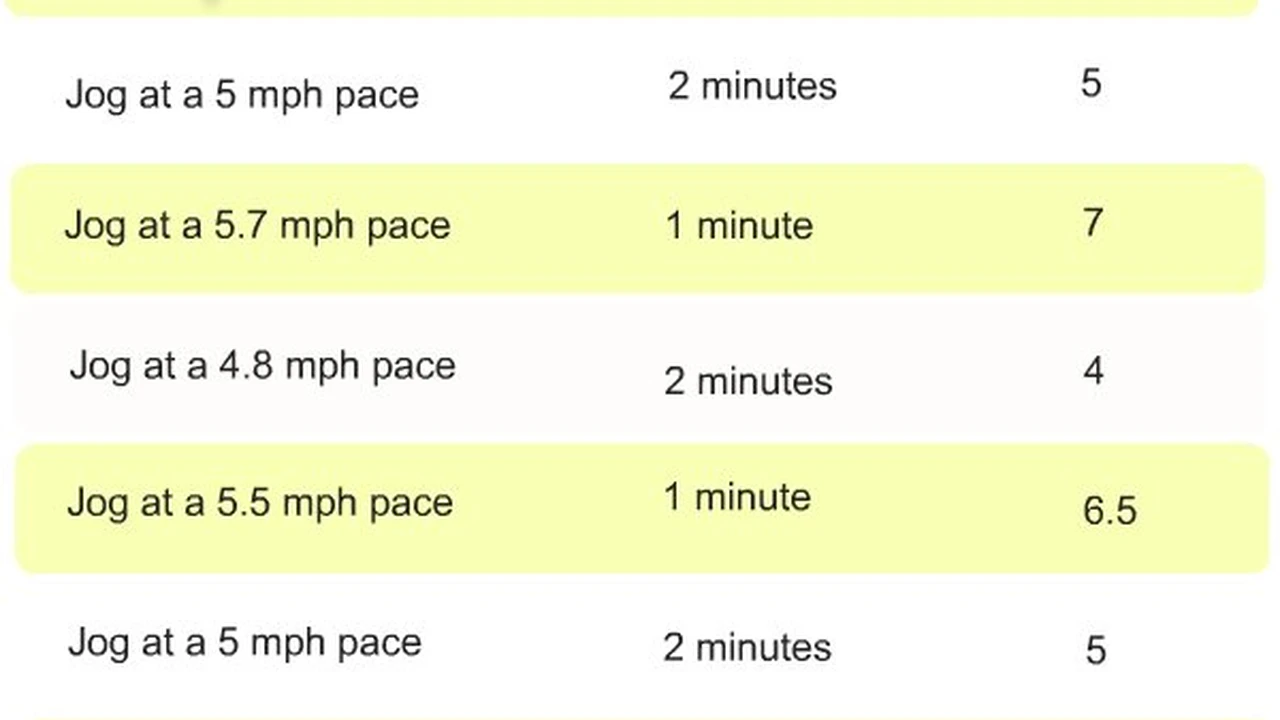
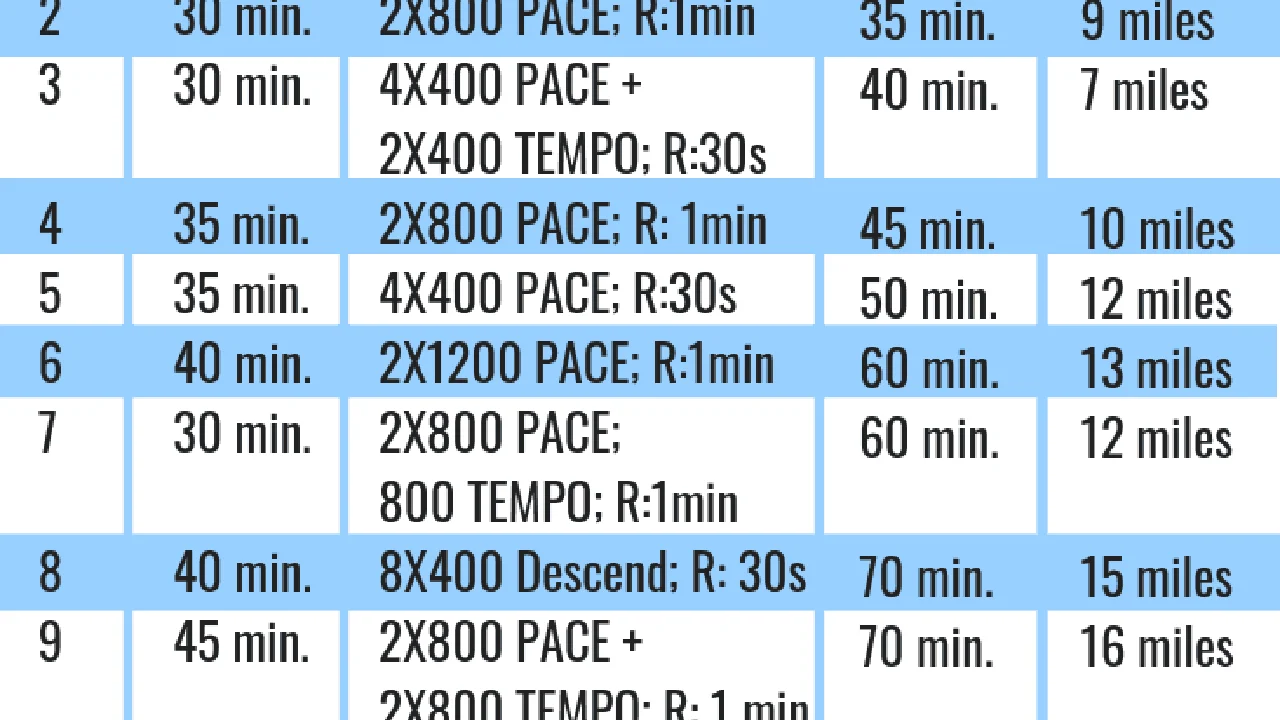
Interval training is a fantastic way to boost your speed and stamina. It involves alternating between high-intensity bursts and periods of rest or low-intensity jogging. For example, you could sprint for 30 seconds, followed by a minute of slow jogging, and repeat this cycle for 20-30 minutes. This pushes your cardiovascular system and helps you become a faster and more efficient runner. There are numerous interval training apps available that can guide you through workouts, like Nike Run Club and Strava.
Fartlek Training for Varied Intensity Workouts
Fartlek, Swedish for "speed play," is a less structured form of interval training. It involves mixing up your pace throughout your run, adding short bursts of speed whenever you feel like it. You might sprint to the next lamppost, jog slowly to the next tree, and then pick up the pace again. Fartlek training is great for improving your speed, agility, and overall fitness. It also keeps things interesting and prevents boredom.
Hill Training for Strength and Power
Running uphill is a challenging but rewarding workout. It builds strength in your legs and glutes, improves your cardiovascular fitness, and increases your running power. Find a hill that's moderately steep and run up it at a comfortable pace. Jog or walk back down to recover, and repeat this several times. Start with a few repetitions and gradually increase the number as you get stronger.
Cadence and Stride Length Optimization for Efficiency
Your cadence, or the number of steps you take per minute, and your stride length, the distance between your feet when you run, can significantly impact your running efficiency. Aim for a cadence of around 170-180 steps per minute. This can help reduce your risk of injury and improve your running economy. Experiment with shortening or lengthening your stride to find what feels most comfortable and efficient for you. A running watch with cadence tracking can be a valuable tool here.
Essential Jogging Equipment Recommendations and Reviews
Having the right equipment can make a big difference in your jogging experience. While you don't need to spend a fortune, investing in a few key items can improve your comfort, performance, and safety. Let's take a look at some essential gear.
Running Shoes: Finding the Perfect Fit for Your Foot Type
Choosing the right running shoes is crucial. Your shoes should provide adequate cushioning, support, and stability for your foot type and running style. Visit a specialty running store and have your gait analyzed to determine the best shoe for you. Some popular brands include Brooks, Asics, Saucony, and New Balance. * **Brooks Ghost 14:** A neutral shoe known for its smooth ride and comfortable cushioning. Price: Around $130. * **Asics Gel-Kayano 28:** A stability shoe designed for overpronators, providing excellent support and cushioning. Price: Around $160. * **Saucony Kinvara 13:** A lightweight and responsive shoe perfect for speed work and tempo runs. Price: Around $120. * **New Balance Fresh Foam 880v12:** A versatile shoe suitable for a variety of runs, offering a good balance of cushioning and responsiveness. Price: Around $135. Consider factors like the drop (the difference in height between the heel and the forefoot), cushioning level, and support features when making your decision.
Running Apparel: Moisture-Wicking Fabrics for Comfort
Wear clothing made from moisture-wicking fabrics to stay cool and dry during your runs. Avoid cotton, which can become heavy and uncomfortable when wet. Look for materials like polyester, nylon, and merino wool. Running shorts, t-shirts, and leggings are all available in moisture-wicking fabrics. Brands like Nike, Adidas, Under Armour, and Lululemon offer a wide selection of running apparel. * **Nike Dri-FIT Running T-Shirt:** A lightweight and breathable t-shirt designed to keep you cool and dry. Price: Around $30. * **Adidas Own the Run Shorts:** Comfortable and supportive running shorts with moisture-wicking fabric. Price: Around $40. * **Lululemon Fast and Free Leggings:** High-performance leggings with a comfortable fit and plenty of storage pockets. Price: Around $128.
Running Watch: Tracking Your Progress and Performance
A running watch can be a valuable tool for tracking your distance, pace, heart rate, and other metrics. Many running watches also offer GPS tracking, interval training features, and smartphone connectivity. Some popular brands include Garmin, Suunto, and Apple. * **Garmin Forerunner 245:** A mid-range running watch with advanced features like GPS tracking, heart rate monitoring, and training analysis. Price: Around $350. * **Suunto 9 Baro:** A high-end running watch with long battery life and advanced navigation features. Price: Around $500. * **Apple Watch Series 7:** A versatile smartwatch with fitness tracking capabilities, including GPS tracking, heart rate monitoring, and activity tracking. Price: Around $400. Consider your budget and your specific needs when choosing a running watch.
Hydration Gear: Staying Hydrated on Long Runs
Staying hydrated is essential, especially on longer runs. Carry a water bottle, hydration pack, or hydration belt to ensure you have access to fluids. Some popular options include: * **Nathan SpeedDraw Plus Insulated Flask:** A handheld water bottle with an insulated sleeve to keep your water cool. Price: Around $30. * **CamelBak HydroBak Hydration Pack:** A lightweight hydration pack with a 1.5-liter reservoir. Price: Around $75. * **Amphipod AirFlow Lite Waistpack:** A comfortable hydration belt with two water bottles. Price: Around $40.
Other Accessories: Hats, Sunglasses, and More
Other accessories can also enhance your running experience. A hat or visor can protect you from the sun, sunglasses can shield your eyes, and a running belt can carry your phone, keys, and other essentials.
Preventing Common Jogging Injuries Through Proper Form and Training
Injuries are a common setback for runners, but many can be prevented with proper form, training, and recovery. Let's explore some common jogging injuries and how to avoid them.
Shin Splints: Causes, Prevention, and Treatment
Shin splints, or medial tibial stress syndrome, is pain along the shinbone. It's often caused by overuse, improper footwear, or running on hard surfaces. To prevent shin splints, gradually increase your mileage, wear supportive shoes, and avoid running on concrete or asphalt. If you develop shin splints, rest, ice, and stretch your calf muscles.
Runner's Knee: Strengthening Exercises and Proper Alignment
Runner's knee, or patellofemoral pain syndrome, is pain around the kneecap. It's often caused by weak quadriceps muscles, tight hamstrings, or improper running form. To prevent runner's knee, strengthen your quadriceps, stretch your hamstrings, and focus on maintaining proper alignment while running. Consider using a knee brace for added support.
Plantar Fasciitis: Stretching and Support for Foot Pain
Plantar fasciitis is inflammation of the plantar fascia, the thick band of tissue that runs along the bottom of your foot. It's often caused by overuse, tight calf muscles, or improper footwear. To prevent plantar fasciitis, stretch your calf muscles and plantar fascia regularly, wear supportive shoes, and avoid running on hard surfaces. If you develop plantar fasciitis, rest, ice, and consider using orthotics.
Achilles Tendinitis: Gradual Progression and Proper Warm-up
Achilles tendinitis is inflammation of the Achilles tendon, the tendon that connects your calf muscles to your heel bone. It's often caused by overuse, tight calf muscles, or improper footwear. To prevent Achilles tendinitis, gradually increase your mileage, stretch your calf muscles regularly, and wear supportive shoes. If you develop Achilles tendinitis, rest, ice, and consider using a heel lift.
Ankle Sprains: Strengthening and Balance Exercises
Ankle sprains are common injuries that occur when the ligaments that support your ankle are stretched or torn. To prevent ankle sprains, strengthen your ankle muscles with exercises like calf raises and ankle circles. Practice balance exercises like standing on one leg. Wear supportive shoes and avoid running on uneven surfaces.
Creating a Personalized Jogging Training Plan for Optimal Results
A personalized training plan can help you achieve your jogging goals, whether you want to improve your speed, endurance, or overall fitness. Here's how to create a plan that's tailored to your needs.
Setting Realistic Goals and Defining Your Training Objectives
Start by setting realistic goals. Do you want to run a 5k, improve your mile time, or simply increase your overall fitness? Once you know your goals, you can define your training objectives. This might include increasing your mileage, improving your speed, or incorporating strength training.
Assessing Your Current Fitness Level and Identifying Weaknesses
Before you start training, assess your current fitness level. How far can you run comfortably? How fast can you run a mile? Identify any weaknesses, such as tight muscles or weak core. This will help you tailor your training plan to your specific needs.
Designing a Weekly Training Schedule with Variety and Rest
Create a weekly training schedule that includes a variety of workouts, such as easy runs, interval training, hill training, and long runs. Be sure to incorporate rest days to allow your body to recover. A sample weekly schedule might look like this: * **Monday:** Rest * **Tuesday:** Easy run (3-5 miles) * **Wednesday:** Interval training (e.g., 400m repeats) * **Thursday:** Strength training * **Friday:** Rest * **Saturday:** Long run (6-10 miles) * **Sunday:** Easy run (3-5 miles) Adjust this schedule based on your fitness level and goals.
Incorporating Cross-Training and Strength Training for Overall Fitness
Cross-training and strength training can complement your running and improve your overall fitness. Cross-training activities like swimming, cycling, and yoga can help you build endurance and reduce your risk of injury. Strength training can help you build muscle strength and power, which can improve your running performance.
Monitoring Your Progress and Making Adjustments as Needed
Track your progress and make adjustments to your training plan as needed. If you're not seeing results, consider increasing your mileage, changing your workouts, or adjusting your diet. Listen to your body and take rest days when you need them.
Jogging for Different Purposes: Weight Loss, Stress Relief, and Social Connection
Jogging offers a wide range of benefits, including weight loss, stress relief, and social connection. Let's explore how you can use jogging to achieve these goals.
Jogging for Weight Loss: Calorie Burning and Metabolism Boosting
Jogging is an effective way to burn calories and boost your metabolism. To maximize your weight loss potential, combine jogging with a healthy diet. Aim for at least 30 minutes of moderate-intensity jogging most days of the week.
Jogging for Stress Relief: Endorphin Release and Mental Clarity
Jogging can be a great way to relieve stress and improve your mental clarity. When you jog, your body releases endorphins, which have mood-boosting effects. Jogging can also help you clear your head and gain a new perspective on problems.
Jogging for Social Connection: Running Clubs and Group Runs
Jogging can be a social activity. Join a running club or participate in group runs to connect with other runners. This can provide motivation, support, and camaraderie.
Advanced Tips and Tricks for Experienced Joggers
For experienced joggers looking to take their training to the next level, here are some advanced tips and tricks.
Nutrition and Hydration Strategies for Peak Performance
Proper nutrition and hydration are essential for peak performance. Eat a balanced diet that includes plenty of carbohydrates, protein, and healthy fats. Drink plenty of water throughout the day, especially before, during, and after your runs. Consider using sports drinks or gels to replenish electrolytes and energy during longer runs.
Mental Training Techniques for Overcoming Challenges
Mental training can help you overcome challenges and achieve your goals. Use techniques like visualization, positive self-talk, and mindfulness to stay focused and motivated.
Race Day Strategies for Success
If you're planning to race, develop a race day strategy. This includes planning your pacing, nutrition, and hydration. Practice your race day strategy during training runs.
:max_bytes(150000):strip_icc()/277019-baked-pork-chops-with-cream-of-mushroom-soup-DDMFS-beauty-4x3-BG-7505-5762b731cf30447d9cbbbbbf387beafa.jpg)