Snacks for Jogging: Quick and Easy Options
Understanding the Nutritional Needs of Joggers Fueling Your Run
Jogging, unlike a leisurely stroll, demands a significant amount of energy. Understanding the specific nutritional needs of joggers is crucial for optimizing performance, preventing fatigue, and ensuring a speedy recovery. It's not just about calories; it's about the right balance of macronutrients – carbohydrates, proteins, and fats – and micronutrients – vitamins and minerals – to fuel your body effectively.
Carbohydrates are the primary energy source for joggers. They are broken down into glucose, which is then used by your muscles for fuel. The intensity and duration of your run will determine how much carbohydrates you need. Longer runs require a greater carbohydrate intake to replenish glycogen stores, the stored form of glucose in your muscles and liver.
Protein is essential for muscle repair and recovery. Jogging causes microscopic tears in muscle fibers, and protein helps to rebuild and strengthen these fibers. While carbohydrates are the primary fuel, protein is the building block for a stronger, more resilient body.
Fats provide a concentrated source of energy and play a vital role in hormone production and nutrient absorption. While fats are often demonized, healthy fats are crucial for overall health and performance. Unsaturated fats, found in foods like avocados, nuts, and olive oil, are particularly beneficial.
Micronutrients, such as vitamins and minerals, are also essential for joggers. They support various bodily functions, including energy production, immune function, and bone health. Deficiencies in key micronutrients can impair performance and increase the risk of injury.
Hydration for Joggers Maintaining Optimal Fluid Balance
Dehydration can significantly impair jogging performance. Even mild dehydration can lead to fatigue, decreased speed, and increased risk of muscle cramps. Maintaining optimal fluid balance is crucial for staying hydrated and performing at your best.
Water is the primary fluid for hydration. The amount of water you need will depend on factors such as the intensity and duration of your run, the weather conditions, and your individual sweat rate. As a general rule, aim to drink water before, during, and after your run.
Sports drinks can be beneficial for longer runs, especially in hot weather. They contain electrolytes, such as sodium and potassium, which are lost through sweat. Electrolytes help to maintain fluid balance and prevent muscle cramps. Look for sports drinks that contain a moderate amount of carbohydrates to provide additional energy.
Avoid sugary drinks, such as soda and juice, as they can lead to dehydration and energy crashes. These drinks are often high in calories and low in nutrients, making them a poor choice for joggers.
Pre-Jogging Nutrition Optimizing Energy Levels Before Your Run
What you eat before your run can significantly impact your performance. The goal is to fuel your body with carbohydrates to provide energy, while avoiding foods that can cause digestive discomfort.
A good pre-jogging meal should be high in carbohydrates, moderate in protein, and low in fat and fiber. This will ensure that you have enough energy without feeling heavy or bloated.
Examples of good pre-jogging meals include:
- A banana with a tablespoon of peanut butter
- A slice of whole-wheat toast with avocado
- Oatmeal with berries and a sprinkle of nuts
- A small smoothie with fruit, yogurt, and protein powder
Experiment with different pre-jogging meals to find what works best for you. Pay attention to how your body feels during your run and adjust your diet accordingly.
During-Jogging Nutrition Sustaining Energy During Longer Runs
For runs lasting longer than an hour, you may need to replenish your energy stores during the run. This is especially important in hot weather, when you are losing fluids and electrolytes through sweat.
Energy gels and chews are convenient sources of carbohydrates for during-jogging nutrition. They are easy to carry and provide a quick burst of energy. Choose gels and chews that contain electrolytes to help maintain fluid balance.
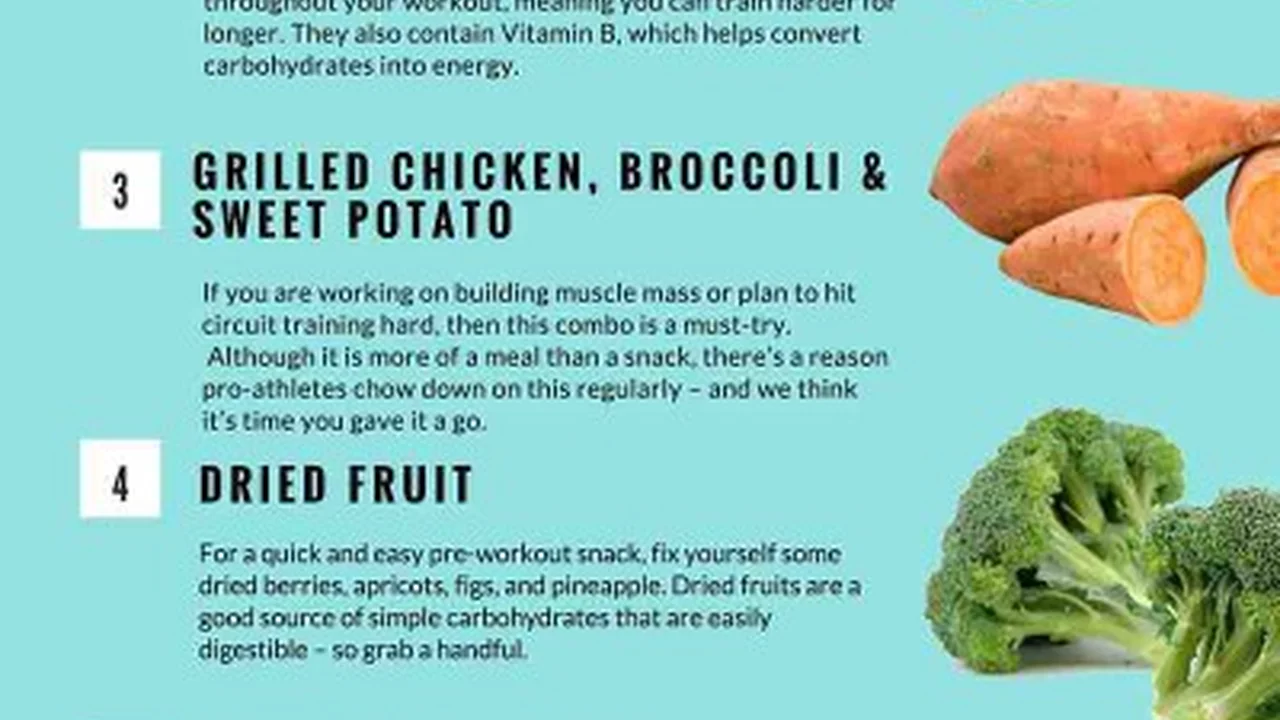
Real food options, such as dried fruit, pretzels, or a small piece of fruit, can also be good choices for during-jogging nutrition. However, these options may be more difficult to carry and digest.
Aim to consume 30-60 grams of carbohydrates per hour during longer runs. Start with a small amount and gradually increase your intake as needed.
Post-Jogging Nutrition Replenishing and Repairing After Your Run
What you eat after your run is just as important as what you eat before and during. The goal is to replenish glycogen stores, repair muscle damage, and rehydrate your body.
A good post-jogging meal should be high in carbohydrates and protein. This will help to replenish energy stores and repair muscle tissue. It's also important to rehydrate by drinking plenty of water or a sports drink.
Examples of good post-jogging meals include:
- A protein shake with fruit and yogurt
- A chicken breast with brown rice and vegetables
- A tuna sandwich on whole-wheat bread
- A bowl of chili with cornbread
Try to eat within 30-60 minutes of finishing your run to maximize recovery. This is when your body is most receptive to nutrients.
Electrolyte Replacement for Joggers Preventing Muscle Cramps
Electrolytes are minerals that help regulate fluid balance, muscle contractions, and nerve function. When you sweat, you lose electrolytes, which can lead to dehydration, muscle cramps, and fatigue. Replacing electrolytes is crucial for maintaining optimal performance, especially during longer runs or in hot weather.
Sodium, potassium, magnesium, and calcium are the most important electrolytes for joggers. Sodium helps to regulate fluid balance, while potassium helps with muscle contractions. Magnesium is involved in energy production and muscle relaxation, and calcium is essential for bone health.
Sports drinks are a convenient way to replace electrolytes during and after your run. They typically contain sodium, potassium, and other electrolytes. Look for sports drinks that contain a moderate amount of carbohydrates to provide additional energy.
Electrolyte tablets and powders are another option for replacing electrolytes. They can be added to water or other beverages. Be sure to follow the directions on the label to avoid overconsumption.
You can also get electrolytes from food. Sodium is found in salty foods, such as pretzels and chips. Potassium is found in bananas, potatoes, and spinach. Magnesium is found in nuts, seeds, and leafy green vegetables. Calcium is found in dairy products, leafy green vegetables, and fortified foods.
The Role of Vitamins and Minerals in Jogging Performance Optimizing Nutrient Intake
Vitamins and minerals play a crucial role in various bodily functions, including energy production, immune function, and bone health. While they don't directly provide energy like carbohydrates, protein, and fats, they are essential for converting food into energy and supporting overall health. Deficiencies in key vitamins and minerals can impair jogging performance and increase the risk of injury.
Some of the most important vitamins and minerals for joggers include:
- Iron: Essential for carrying oxygen to the muscles. Iron deficiency can lead to fatigue and decreased performance.
- Vitamin D: Important for bone health and immune function. Vitamin D deficiency is common, especially in people who live in northern climates or spend a lot of time indoors.
- Calcium: Essential for bone health and muscle function.
- Vitamin C: An antioxidant that helps protect against cell damage.
- B vitamins: Involved in energy production and nerve function.
A balanced diet that includes a variety of fruits, vegetables, whole grains, and lean protein sources should provide most of the vitamins and minerals you need. However, some joggers may benefit from taking a multivitamin or mineral supplement, especially if they have a restricted diet or are at risk for deficiencies.
Optimizing Hydration Strategies for Different Jogging Distances Tailoring Your Fluid Intake
Hydration needs vary depending on the distance and intensity of your run, as well as the weather conditions. A short, easy run in cool weather will require less fluid than a long, hard run in hot weather. Tailoring your fluid intake to your specific needs is crucial for maintaining optimal hydration and preventing dehydration.
For short runs (less than 30 minutes): Water is usually sufficient for hydration. Drink water before, during (if needed), and after your run.
For moderate runs (30-60 minutes): Water is still a good choice, but you may also consider a sports drink to replace electrolytes lost through sweat. Drink water or a sports drink before, during, and after your run.
For long runs (longer than 60 minutes): A sports drink is recommended to replace electrolytes and provide additional energy. Drink water or a sports drink before, during, and after your run. Aim to consume 4-8 ounces of fluid every 15-20 minutes during your run.
In hot weather: You will need to drink more fluids to compensate for the increased sweat rate. Drink water or a sports drink before, during, and after your run. Consider carrying a water bottle or using a hydration pack.
Listen to your body and drink when you are thirsty. Don't wait until you are dehydrated to start drinking. Pay attention to the color of your urine. Light yellow urine indicates adequate hydration, while dark yellow urine indicates dehydration.
Sample Meal Plans for Joggers Supporting Training and Recovery
Creating a well-balanced meal plan can be challenging, but it's essential for supporting your training and recovery as a jogger. Here are a few sample meal plans to give you some ideas:
Sample Meal Plan 1: Focus on Carbohydrates
- Breakfast: Oatmeal with berries, nuts, and a scoop of protein powder.
- Mid-Morning Snack: Banana with peanut butter.
- Lunch: Whole-wheat pasta salad with grilled chicken or tofu and plenty of vegetables.
- Afternoon Snack: Greek yogurt with fruit.
- Dinner: Salmon with brown rice and steamed broccoli.
- Evening Snack (if needed): Cottage cheese with a handful of almonds.
Sample Meal Plan 2: Emphasizing Protein
- Breakfast: Scrambled eggs with whole-wheat toast and avocado.
- Mid-Morning Snack: Protein shake with fruit and spinach.
- Lunch: Chicken salad sandwich on whole-grain bread with a side of carrots and hummus.
- Afternoon Snack: Hard-boiled egg with a piece of fruit.
- Dinner: Lean steak with sweet potato and green beans.
- Evening Snack (if needed): Casein protein shake.
Sample Meal Plan 3: Vegetarian/Vegan Option
- Breakfast: Tofu scramble with vegetables and whole-wheat toast.
- Mid-Morning Snack: Apple slices with almond butter.
- Lunch: Lentil soup with a side salad.
- Afternoon Snack: Trail mix with nuts, seeds, and dried fruit.
- Dinner: Black bean burgers on whole-wheat buns with avocado and a side of roasted vegetables.
- Evening Snack (if needed): Soy yogurt with berries.
These are just examples, and you should adjust them to fit your individual needs and preferences. Consider consulting with a registered dietitian or sports nutritionist for personalized meal planning advice.
Product Recommendations for Joggers Fueling and Hydrating Your Runs
Here are some specific product recommendations that can help you fuel and hydrate your runs effectively. These recommendations include specific products, their uses, product comparisons, and pricing information (approximate and subject to change).
Energy Gels: Quick Fuel for Long Distances
Energy gels are a convenient and effective way to replenish carbohydrates during long runs. They provide a quick burst of energy to keep you going strong.
Gu Energy Gel
Use: Consuming Gu Energy Gel approximately 15 minutes before a run and then every 45 minutes during a run provides a consistent supply of energy. It's designed for easy consumption on the go.
Product Details: Gu Energy Gel is one of the most popular energy gels on the market. It contains a blend of carbohydrates, electrolytes, and amino acids. It's available in a variety of flavors, including Chocolate Outrage, Strawberry Banana, and Tri-Berry.
Pricing: Approximately $1.50 - $2.50 per packet.
Clif Shot Energy Gel
Use: Similar to Gu, Clif Shot is used before and during runs, especially those exceeding an hour. It's designed to provide sustained energy and electrolytes.
Product Details: Clif Shot Energy Gel is another popular option. It's made with organic ingredients and contains a blend of carbohydrates and electrolytes. It's available in a variety of flavors, including Chocolate, Citrus, and Razz.
Pricing: Approximately $1.75 - $2.75 per packet.
Maurten Gel 100
Use: Maurten is known for its high carbohydrate concentration and is used by elite athletes. It's taken before and during intense running sessions to maximize energy intake.
Product Details: Maurten Gel 100 is a unique energy gel that uses hydrogel technology to encapsulate carbohydrates. This allows for a higher carbohydrate concentration without causing digestive distress. It has a mild, neutral flavor.
Pricing: Approximately $3.00 - $4.00 per packet.
Product Comparison
| Product | Carbohydrates (per packet) | Electrolytes | Ingredients | Price (approx.) |
|---|---|---|---|---|
| Gu Energy Gel | 22-23g | Yes | Maltodextrin, Fructose | $1.50 - $2.50 |
| Clif Shot Energy Gel | 24g | Yes | Organic Brown Rice Syrup, Evaporated Cane Syrup | $1.75 - $2.75 |
| Maurten Gel 100 | 25g | No | Maltodextrin, Fructose (Hydrogel Technology) | $3.00 - $4.00 |
Hydration Products: Staying Hydrated on the Go
Staying hydrated is crucial for jogging performance. These products can help you maintain optimal fluid balance.
Nuun Sport Electrolyte Tablets
Use: Nuun tablets are dissolved in water and consumed before, during, and after runs to replenish electrolytes lost through sweat.
Product Details: Nuun Sport Electrolyte Tablets are a convenient and sugar-free way to replace electrolytes. They dissolve quickly in water and are available in a variety of flavors. They contain sodium, potassium, magnesium, and calcium.
Pricing: Approximately $7 - $10 per tube (10 tablets).
Liquid I V Hydration Multiplier
Use: Liquid I.V. is used to quickly hydrate and replenish electrolytes. It's designed for use before, during, or after intense physical activity.
Product Details: Liquid I.V. Hydration Multiplier is a powder that you mix with water. It contains electrolytes, vitamins, and a blend of ingredients that help you absorb fluids more efficiently. It's available in a variety of flavors.
Pricing: Approximately $20 - $25 per box (30 packets).
CamelBak Hydration Pack
Use: CamelBak hydration packs are used to carry water during long runs, allowing for hands-free hydration.
Product Details: CamelBak hydration packs are backpacks with a built-in water reservoir. They allow you to carry a significant amount of water and drink easily through a tube while running. They come in various sizes and styles.
Pricing: Approximately $70 - $150 depending on size and features.
Product Comparison
| Product | Electrolytes | Sugar | Features | Price (approx.) |
|---|---|---|---|---|
| Nuun Sport | Sodium, Potassium, Magnesium, Calcium | 0g | Sugar-free, Dissolves quickly | $7 - $10 (per tube) |
| Liquid I V | Sodium, Potassium, Vitamin C, B Vitamins | 11g | Enhanced hydration, Vitamin boost | $20 - $25 (per box) |
| CamelBak | N/A (Carries water) | N/A | Hands-free hydration, Various sizes | $70 - $150 |
Protein Powders: Muscle Recovery After Runs
Protein powders are a convenient way to increase your protein intake after a run, aiding in muscle recovery and repair.
Whey Protein
Use: Whey protein is typically consumed immediately after a run to aid in muscle recovery. It's a fast-digesting protein source.
Product Details: Whey protein is a complete protein source derived from milk. It's quickly absorbed by the body, making it ideal for post-workout recovery. It's available in a variety of flavors and forms, including whey concentrate, whey isolate, and whey hydrolysate.
Pricing: Approximately $30 - $60 per container (depending on size and brand).
Casein Protein
Use: Casein protein is often consumed before bed or between meals to provide a slow-releasing source of protein. It's beneficial for long-term muscle recovery.
Product Details: Casein protein is another protein source derived from milk. It's digested more slowly than whey protein, providing a sustained release of amino acids. It's often used as a nighttime protein supplement.
Pricing: Approximately $35 - $65 per container (depending on size and brand).
Plant-Based Protein (Pea, Soy, Rice)
Use: Plant-based protein is an alternative for vegetarians, vegans, or those with dairy sensitivities. It's used similarly to whey protein, post-workout.
Product Details: Plant-based protein powders are made from various plant sources, such as pea protein, soy protein, and rice protein. They are a good source of protein for vegetarians and vegans. Some plant-based protein powders may not be complete proteins, so it's important to choose a blend that contains all essential amino acids.
Pricing: Approximately $35 - $70 per container (depending on size and brand).
Product Comparison
| Product | Protein Source | Digestion Rate | Suitable For | Price (approx.) |
|---|---|---|---|---|
| Whey Protein | Milk | Fast | Post-workout, Quick recovery | $30 - $60 |
| Casein Protein | Milk | Slow | Nighttime, Sustained release | $35 - $65 |
| Plant-Based Protein | Pea, Soy, Rice | Variable | Vegetarians, Vegans, Dairy-free | $35 - $70 |
Common Nutrition Mistakes Joggers Make and How to Avoid Them
Even experienced joggers can make nutrition mistakes that can impact their performance. Here are some common mistakes and how to avoid them:
- Not eating enough carbohydrates: Carbohydrates are the primary fuel for jogging. Not eating enough carbohydrates can lead to fatigue and decreased performance. Make sure you are consuming enough carbohydrates before, during, and after your runs.
- Not eating enough protein: Protein is essential for muscle repair and recovery. Not eating enough protein can slow down recovery and increase the risk of injury. Make sure you are consuming enough protein after your runs.
- Not hydrating properly: Dehydration can significantly impair jogging performance. Make sure you are drinking enough fluids before, during, and after your runs.
- Experimenting with new foods or drinks on race day: Never try new foods or drinks on race day. Stick with what you know works for you.
- Ignoring individual needs: Everyone is different, and what works for one person may not work for another. Pay attention to how your body feels and adjust your diet accordingly.
- Relying solely on supplements: Supplements can be helpful, but they should not replace a healthy diet. Focus on eating a variety of nutrient-rich foods.
- Eating too much fiber before a run: High-fiber foods can cause digestive discomfort during a run. Avoid eating too much fiber before your runs.
- Over-consuming sugary drinks: Sugary drinks can lead to energy crashes and dehydration. Avoid sugary drinks and opt for water or sports drinks instead.
Personalized Nutrition Plans Tailoring Your Diet to Your Needs
The best nutrition plan is one that is tailored to your individual needs and preferences. Factors to consider when creating a personalized nutrition plan include:
- Your jogging goals (e.g., weight loss, improved performance, injury prevention)
- Your training schedule (e.g., mileage, intensity, frequency)
- Your body weight and composition
- Your dietary preferences and restrictions
- Your medical history
Consider consulting with a registered dietitian or sports nutritionist for personalized nutrition planning advice. They can help you assess your individual needs and create a plan that is tailored to your specific goals.
:max_bytes(150000):strip_icc()/277019-baked-pork-chops-with-cream-of-mushroom-soup-DDMFS-beauty-4x3-BG-7505-5762b731cf30447d9cbbbbbf387beafa.jpg)