Recovering from a Jogging Injury: Tips and Advice
Understanding Common Jogging Injuries and Prevention Strategies
Jogging, a fantastic way to stay active and enjoy the outdoors, unfortunately comes with its own set of potential injuries. Understanding these common ailments and how to prevent them is the first step towards a smooth and injury-free running experience. Let's dive into some of the most frequent jogging injuries and explore preventative measures.
Runner's Knee (Patellofemoral Pain Syndrome): This is perhaps the most prevalent jogging injury. It manifests as pain around or behind the kneecap, often exacerbated by running downhill, prolonged sitting, or squatting. The causes are varied, ranging from muscle imbalances in the hips and thighs to improper footwear and overuse. Prevention strategies include strengthening exercises focusing on the quadriceps, hamstrings, and glutes. Proper running form, including a shorter stride and avoiding heel striking, can also significantly reduce the risk. Consider incorporating lateral exercises like side lunges and banded walks to improve hip stability. Foam rolling the IT band and quadriceps can help release tension and improve flexibility.
Shin Splints (Medial Tibial Stress Syndrome): Shin splints are characterized by pain along the shinbone (tibia). They are commonly caused by overuse, improper footwear, running on hard surfaces, and flat feet. The pain typically worsens with activity and improves with rest. Prevention involves gradually increasing running mileage, wearing supportive shoes, running on softer surfaces (like trails or tracks), and incorporating calf stretches and strengthening exercises. Consider using orthotics if you have flat feet. Rest is crucial in the initial stages of shin splints. Cross-training activities like swimming or cycling can help maintain fitness without further stressing the shins.
Plantar Fasciitis: This painful condition affects the plantar fascia, a thick band of tissue that runs along the bottom of the foot from the heel to the toes. Pain is typically felt in the heel and is often worse in the morning or after periods of rest. Causes include overuse, tight calf muscles, improper footwear, and high arches. Prevention involves stretching the plantar fascia and calf muscles regularly, wearing supportive shoes, and avoiding running on hard surfaces for extended periods. Rolling a frozen water bottle under the foot can help reduce inflammation. Consider using night splints to keep the plantar fascia stretched while you sleep.
Achilles Tendinitis: Achilles tendinitis is an inflammation of the Achilles tendon, the large tendon that connects the calf muscles to the heel bone. Symptoms include pain, stiffness, and tenderness in the Achilles tendon. Causes include overuse, tight calf muscles, improper footwear, and hill running. Prevention involves stretching the calf muscles regularly, wearing supportive shoes, gradually increasing running mileage, and avoiding overtraining. Eccentric calf raises (lowering the heel slowly) can help strengthen the Achilles tendon. Consider using a heel lift in your shoes to reduce stress on the tendon.
Ankle Sprains: Ankle sprains occur when the ligaments that support the ankle are stretched or torn. They are often caused by twisting or turning the ankle, often on uneven terrain. Prevention involves strengthening the muscles around the ankle, wearing supportive shoes, and being mindful of the running surface. Balance exercises, such as standing on one leg, can improve ankle stability. Consider using an ankle brace for added support, especially if you have a history of ankle sprains.
Early Signs of Injury Recognizing When to Stop
One of the most crucial aspects of preventing long-term injuries is recognizing the early warning signs. Ignoring minor aches and pains can quickly lead to more serious problems that sideline you for weeks or even months. Listen to your body and be proactive in addressing any discomfort.
Persistent Pain: Pain that doesn't subside with rest is a red flag. It's normal to experience some muscle soreness after a challenging run, but pain that lingers for more than a day or two warrants attention. Don't try to "run through" persistent pain, as this can exacerbate the injury.
Sharp or Shooting Pain: Sharp or shooting pain is often indicative of a more serious injury, such as a stress fracture or nerve impingement. Seek medical attention promptly if you experience this type of pain.
Swelling or Inflammation: Swelling or inflammation around a joint or tendon is a sign that there is damage to the tissues. Apply ice to the affected area and elevate it to reduce swelling.
Limited Range of Motion: If you notice a decrease in your range of motion in a joint, it could be a sign of an injury. Don't force the joint beyond its comfortable range, as this can worsen the condition.
Changes in Running Form: Pain can often cause you to alter your running form subconsciously. If you notice that you are limping or running differently, it's important to stop and assess the situation.
Tenderness to the Touch: If an area is tender to the touch, it's a sign that there is inflammation or damage to the underlying tissues. Avoid putting pressure on the area and seek medical attention if the tenderness persists.
What to Do When You Suspect an Injury: If you suspect that you have an injury, the first step is to stop running. Follow the RICE protocol (Rest, Ice, Compression, Elevation). Rest the injured area, apply ice for 15-20 minutes at a time several times a day, compress the area with a bandage, and elevate it above your heart. Consult with a doctor or physical therapist to get a proper diagnosis and treatment plan. Early intervention can often prevent minor injuries from becoming chronic problems.
Rest and Recovery The Cornerstone of Healing
Rest isn't just about avoiding running; it's about allowing your body the time and resources it needs to repair itself. Active recovery, strategic nutrition, and prioritizing sleep are all integral components of a comprehensive recovery plan.
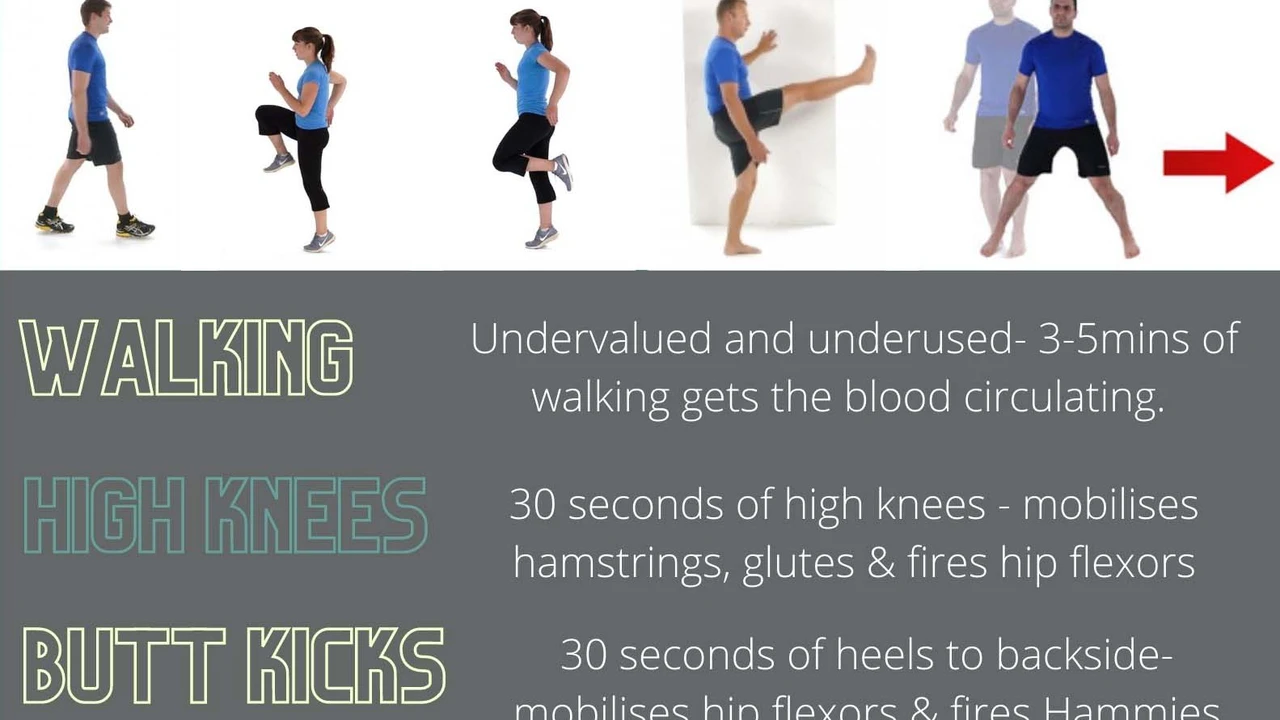
Active Recovery Techniques: Active recovery involves low-intensity activities that promote blood flow to the injured area without putting excessive stress on it. Examples include walking, swimming, cycling, and yoga. Active recovery can help reduce stiffness, improve circulation, and accelerate healing.
Strategic Nutrition for Healing: Proper nutrition is essential for tissue repair and recovery. Focus on consuming a diet rich in protein, vitamins, and minerals. Protein is the building block of tissues, so ensure you are getting enough protein from sources like lean meats, fish, eggs, beans, and lentils. Vitamins and minerals, particularly vitamin C, vitamin D, and zinc, play a crucial role in immune function and tissue repair. Consider taking a multivitamin to ensure you are meeting your nutritional needs. Stay hydrated by drinking plenty of water.
The Importance of Sleep: Sleep is when your body does the majority of its repair work. Aim for 7-9 hours of quality sleep each night. Create a relaxing bedtime routine to improve sleep quality. Avoid caffeine and alcohol before bed. A dark, quiet, and cool room is conducive to sleep. Consider using a white noise machine or earplugs to block out distractions.
How Long Should You Rest: The length of time you need to rest depends on the severity of your injury. Minor injuries may only require a few days of rest, while more serious injuries may require several weeks or even months. Listen to your body and don't rush back into running before you are fully healed. Consult with a doctor or physical therapist to determine when it is safe to return to activity.
Rehabilitation Exercises Strength and Flexibility
Rehabilitation exercises are crucial for restoring strength, flexibility, and range of motion after an injury. These exercises should be performed under the guidance of a physical therapist to ensure proper form and avoid further injury.
Strengthening Exercises: Strengthening exercises help rebuild the muscles that support the injured area. Examples include calf raises, hamstring curls, quadriceps extensions, and hip abductions. Start with light weights and gradually increase the resistance as you get stronger. Focus on proper form to avoid injury.
Flexibility Exercises: Flexibility exercises help improve range of motion and reduce stiffness. Examples include calf stretches, hamstring stretches, quadriceps stretches, and hip flexor stretches. Hold each stretch for 30 seconds and repeat several times a day.
Proprioceptive Exercises: Proprioceptive exercises help improve balance and coordination. Examples include standing on one leg, using a balance board, and performing agility drills. These exercises help retrain your body to react quickly and efficiently to changes in terrain.
Sample Rehabilitation Program: A typical rehabilitation program might include the following exercises: Calf raises (3 sets of 15 repetitions), Hamstring curls (3 sets of 15 repetitions), Quadriceps extensions (3 sets of 15 repetitions), Hip abductions (3 sets of 15 repetitions), Calf stretches (hold for 30 seconds, repeat 3 times), Hamstring stretches (hold for 30 seconds, repeat 3 times), Quadriceps stretches (hold for 30 seconds, repeat 3 times), Hip flexor stretches (hold for 30 seconds, repeat 3 times), Standing on one leg (hold for 30 seconds, repeat 3 times), Balance board exercises (10 minutes), Agility drills (10 minutes). This is just a sample program, and your specific program may vary depending on the nature and severity of your injury.
Choosing the Right Gear Footwear and Support
Proper gear plays a significant role in both preventing and recovering from jogging injuries. Footwear is particularly important, as it provides cushioning, support, and stability. Other supportive gear, such as compression socks and braces, can also be beneficial.
Selecting the Right Running Shoes: The right running shoes can make a world of difference. Consider your foot type (pronated, supinated, or neutral), running surface, and mileage when choosing shoes. Visit a specialty running store to get fitted properly. They can analyze your gait and recommend shoes that are appropriate for your needs. Replace your running shoes every 300-500 miles or when you notice signs of wear and tear.
Orthotics for Support: Orthotics are custom-made or over-the-counter inserts that provide additional support and cushioning for your feet. They can help correct biomechanical imbalances and reduce stress on your joints. Consider using orthotics if you have flat feet, high arches, or other foot problems.
Compression Socks for Circulation: Compression socks can help improve circulation and reduce swelling in your legs and feet. They can also help reduce muscle fatigue and soreness. Wear compression socks during and after running.
Braces for Support and Stability: Braces can provide additional support and stability to injured joints. Ankle braces can help prevent ankle sprains, while knee braces can help stabilize the knee joint. Consult with a doctor or physical therapist to determine if a brace is appropriate for your condition.
Gradual Return to Running A Safe and Sustainable Approach
Returning to running too quickly after an injury is a common mistake that can lead to re-injury. A gradual and progressive return to running is essential for a safe and sustainable recovery.
The Importance of a Gradual Progression: Start with short, low-intensity runs and gradually increase the distance and intensity over time. Listen to your body and don't push yourself too hard, too soon. If you experience pain, stop running and rest.
The 10% Rule: A general guideline is to increase your weekly mileage by no more than 10%. This allows your body to adapt to the increased stress and reduces the risk of re-injury.
Cross-Training During Recovery: Continue cross-training activities like swimming, cycling, or elliptical training to maintain your fitness while you are gradually returning to running. Cross-training can help you stay in shape without putting excessive stress on the injured area.
Listen to Your Body and Adjust Accordingly: Pay attention to how your body feels and adjust your training plan accordingly. If you experience pain or discomfort, reduce your mileage or intensity. Don't be afraid to take rest days when you need them.
Specific Product Recommendations For Recovery
Several products can aid in your recovery journey. Here are some recommendations, including their uses, comparisons, and details.
Foam Rollers for Muscle Relief and Flexibility
What it is: A foam roller is a cylindrical tool used for self-myofascial release (SMR). This means it helps to release tension and knots in your muscles, improving flexibility and reducing pain.
Uses: Foam rollers are incredibly versatile. They can be used to target various muscle groups, including the quads, hamstrings, calves, back, and glutes. They are particularly helpful for addressing muscle tightness caused by running, sitting for long periods, or general overuse.
Product Comparison:
* TriggerPoint GRID Foam Roller: This is a popular choice due to its durable construction and varied surface texture, which allows for deeper tissue massage. It's a good all-around option for both beginners and experienced users. **Price:** Around $35. * AmazonBasics High-Density Round Foam Roller: A more budget-friendly option that still provides effective muscle relief. It's a solid choice for beginners who are unsure if they'll stick with foam rolling. **Price:** Around $15. * RumbleRoller: This foam roller features aggressive bumps that provide a very deep tissue massage. It's best suited for experienced users who are looking for intense muscle relief. **Price:** Around $70.Detailed Information: When using a foam roller, apply moderate pressure to the targeted muscle group and slowly roll back and forth. Spend extra time on areas that feel particularly tight or tender. Remember to breathe deeply and relax your muscles. Avoid rolling directly over bones or joints.
Massage Guns for Targeted Muscle Therapy
What it is: A massage gun is a handheld device that delivers rapid percussive therapy to your muscles. This helps to increase blood flow, reduce muscle soreness, and improve range of motion.
Uses: Massage guns are excellent for targeting specific muscle groups and providing deep tissue massage. They are particularly useful for runners who experience muscle tightness in their legs, back, or shoulders.
Product Comparison:
* Theragun Pro: This is a high-end massage gun known for its powerful motor, long battery life, and customizable attachments. It's a great option for serious athletes who demand the best performance. **Price:** Around $600. * Hypervolt: A more affordable massage gun that still delivers effective muscle relief. It's a good balance of power, features, and price. **Price:** Around $300. * Renpho Massage Gun: A budget-friendly option that's perfect for beginners. It offers a variety of attachments and intensity levels. **Price:** Around $80.Detailed Information: When using a massage gun, start with the lowest intensity setting and gradually increase the pressure as needed. Move the massage gun slowly over the targeted muscle group, spending extra time on areas that feel particularly tight or tender. Avoid using the massage gun directly over bones or joints.
Compression Boots for Enhanced Recovery
What it is: Compression boots are inflatable sleeves that you wear on your legs. They use pneumatic pressure to massage your muscles, improve circulation, and reduce swelling.
Uses: Compression boots are primarily used for post-workout recovery. They help to flush out metabolic waste products, reduce muscle soreness, and speed up the healing process. They are particularly beneficial for runners who experience heavy legs after long runs or intense workouts.
Product Comparison:
* NormaTec Pulse 2.0 Recovery System: This is the gold standard in compression boots. It's used by professional athletes and physical therapists. It offers a variety of customizable settings and delivers a powerful and effective massage. **Price:** Around $1300. * Air Relax Recovery System: A more affordable option that still provides excellent compression therapy. It's a good choice for serious runners who are looking for a high-quality recovery system. **Price:** Around $500. * Rapid Reboot Recovery System: Another popular option that offers a balance of performance and price. It features a user-friendly interface and a variety of compression settings. **Price:** Around $700.Detailed Information: When using compression boots, start with a low pressure setting and gradually increase it as needed. Relax and enjoy the massage. Most systems have pre-set programs for different recovery goals. Use them after runs or hard workouts for best results.
Epsom Salts for Muscle Relaxation
What it is: Epsom salt, or magnesium sulfate, is a mineral compound that has been used for centuries to relieve muscle soreness and reduce inflammation.
Uses: Epsom salt is typically used in bath water. The magnesium in Epsom salt is believed to be absorbed through the skin, helping to relax muscles and reduce pain. It's a simple and affordable way to soothe sore muscles after a run.
Product Comparison:
* Dr Teal's Epsom Salt Soaking Solution: A popular and affordable option that comes in a variety of scents. It's a great way to relax and soothe sore muscles. **Price:** Around $8. * San Francisco Salt Company Epsom Salt: A pure and unscented Epsom salt that's perfect for those with sensitive skin. **Price:** Around $15 (for a larger bag). * Ancient Minerals Magnesium Bath Flakes: A more concentrated form of magnesium chloride flakes that are easily absorbed through the skin. **Price:** Around $30.Detailed Information: Add 1-2 cups of Epsom salt to a warm bath and soak for 20-30 minutes. The warm water will help to relax your muscles, while the Epsom salt will help to reduce inflammation and pain. You can also add essential oils to the bath for added relaxation.
Maintaining Your Health Long Term Injury Prevention Strategies
Preventing injuries is always better than treating them. Adopting healthy habits, incorporating strength training, and prioritizing proper nutrition can significantly reduce your risk of injury and keep you running strong for years to come.
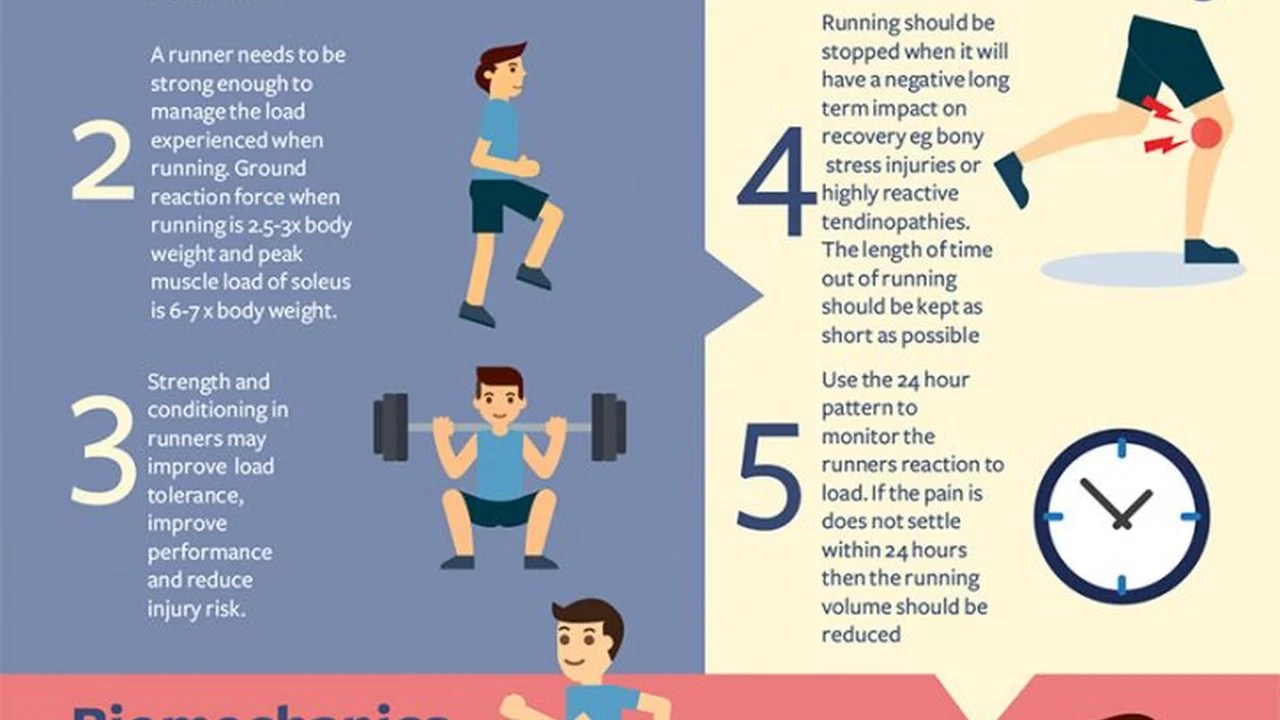
Regular Strength Training: Strength training is essential for building strong muscles and supporting your joints. Focus on exercises that target the muscles used in running, such as the quadriceps, hamstrings, glutes, and calves. Incorporate strength training into your routine 2-3 times per week.
Proper Nutrition and Hydration: A balanced diet and adequate hydration are crucial for maintaining overall health and preventing injuries. Eat plenty of fruits, vegetables, whole grains, and lean protein. Drink plenty of water throughout the day, especially before, during, and after running.
Listen to Your Body: Pay attention to your body and don't ignore pain or discomfort. Rest when you need to and don't push yourself too hard, too soon. Regularly assess your running form and make adjustments as needed.
Professional Guidance: Consider consulting with a doctor, physical therapist, or running coach for personalized advice and guidance. They can help you identify potential risk factors and develop a plan to prevent injuries.
:max_bytes(150000):strip_icc()/277019-baked-pork-chops-with-cream-of-mushroom-soup-DDMFS-beauty-4x3-BG-7505-5762b731cf30447d9cbbbbbf387beafa.jpg)