Proper Jogging Form: A Step-by-Step Guide
Understanding the Importance of Proper Jogging Form
Jogging, a seemingly simple activity, can become a source of injury and frustration if not performed correctly. Understanding and implementing proper jogging form is crucial for maximizing efficiency, preventing injuries, and enjoying a sustainable running journey. Many beginners overlook the nuances of form, focusing solely on speed and distance. However, neglecting proper technique can lead to a host of problems, including shin splints, knee pain, hip issues, and back pain. This guide will break down the key elements of proper jogging form, providing a step-by-step approach to help you optimize your technique and run more comfortably and efficiently.
Why is Good Jogging Form Essential?
Good jogging form is essential for several reasons:
- Injury Prevention: Proper form minimizes stress on joints and muscles, reducing the risk of common running injuries.
- Improved Efficiency: Efficient form allows you to run faster and farther with less effort.
- Enhanced Performance: By optimizing your biomechanics, you can improve your overall running performance.
- Increased Comfort: Good form makes jogging more comfortable and enjoyable, encouraging you to stick with it.
The Foundation Posture and Body Alignment for Jogging
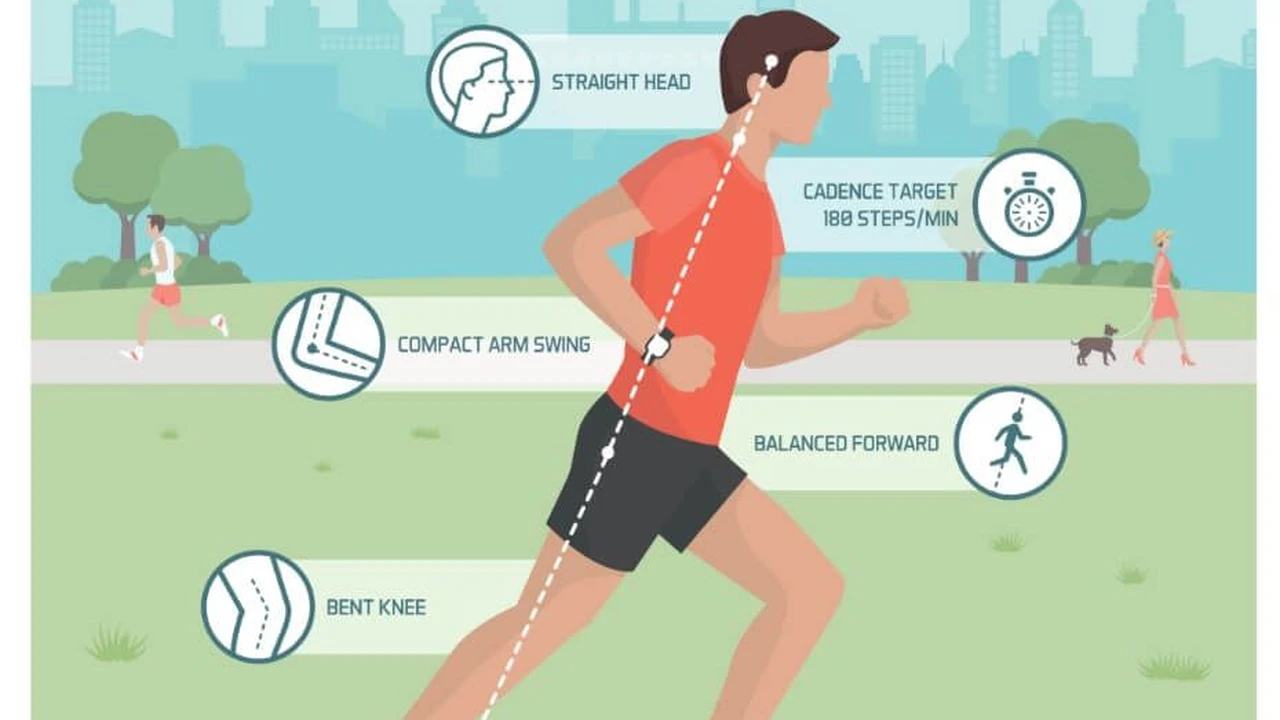
Your posture is the foundation of proper jogging form. Maintaining a neutral spine and proper alignment is crucial for distributing impact evenly and preventing strain. Imagine a straight line running from your ear, through your shoulder, hip, and ankle. This is the ideal alignment you should strive for while jogging.
Head Position During Jogging Maintain Focus and Balance
Keep your head up, eyes looking forward, and chin parallel to the ground. Avoid looking down at your feet, as this can strain your neck and disrupt your posture. A slight forward lean from the ankles is acceptable, but avoid bending at the waist.
Shoulder Positioning Relaxed and Natural for Efficient Movement
Your shoulders should be relaxed and square, not hunched or tense. Avoid shrugging your shoulders up towards your ears. Allow your arms to swing naturally from your shoulders.
Core Engagement Stabilizing Your Body for Power and Control
Engage your core muscles to stabilize your spine and maintain proper posture. Think of drawing your belly button towards your spine. This will help prevent excessive rotation and maintain a stable base for your movements.
Hip Alignment Maintaining Balance and Preventing Injury
Keep your hips level and avoid excessive side-to-side movement. Engage your glutes to help stabilize your hips and propel you forward.
Arm Swing and Hand Position Maximizing Efficiency and Comfort
The way you swing your arms can significantly impact your efficiency and comfort while jogging. Proper arm swing helps to propel you forward and maintain balance.
Arm Swing Technique Driving Forward with Controlled Motion
Your arms should swing forward and back, not across your body. Keep your elbows bent at a 90-degree angle and swing from your shoulders. Avoid excessive arm swing, which can waste energy.
Hand Position Relaxed Hands for Reduced Tension
Keep your hands relaxed and unclenched. Imagine holding an egg in each hand without breaking it. Avoid clenching your fists, as this can create tension in your arms and shoulders.
Foot Strike and Stride Length Optimizing Impact and Efficiency
Your foot strike and stride length are crucial elements of proper jogging form. Landing correctly and taking appropriate strides can minimize impact and improve efficiency.
Foot Strike Midfoot Landing for Reduced Impact
Aim to land midfoot, rather than on your heel or toes. Midfoot landing helps to distribute the impact of each stride more evenly, reducing stress on your joints. Many runners find that a slight adjustment to their cadence (steps per minute) can help them achieve a midfoot strike. A cadence of 170-180 steps per minute is often recommended.
Stride Length Finding the Right Balance for Efficiency
Your stride length should be natural and comfortable. Avoid overstriding, which means landing with your foot too far in front of your body. Overstriding can increase impact and stress on your joints. Focus on taking shorter, quicker steps. A shorter stride length also helps to improve your cadence.
Cadence Steps Per Minute for Improved Form
Cadence, measured in steps per minute (SPM), is a key indicator of running efficiency. Aim for a cadence of 170-180 SPM. This can be challenging to achieve initially, but with practice, it will become more natural. Using a metronome or a running app that tracks your cadence can be helpful.
Breathing Techniques for Jogging Sustaining Energy and Comfort
Proper breathing is essential for sustaining energy and comfort while jogging. Many beginners hold their breath or breathe shallowly, which can lead to fatigue and discomfort.
Diaphragmatic Breathing Engaging Your Core for Efficient Respiration
Focus on breathing deeply from your diaphragm. This means allowing your belly to expand as you inhale, rather than just your chest. Diaphragmatic breathing allows you to take in more oxygen and use your core muscles more effectively.
Breathing Rhythm Finding a Comfortable and Sustainable Pace
Experiment with different breathing rhythms to find what works best for you. A common rhythm is 3:2 (inhale for three steps, exhale for two steps). However, you may find that a different rhythm feels more comfortable and sustainable.
Breathing Through Your Nose vs Mouth Maximizing Oxygen Intake and Comfort
While jogging at a comfortable pace, try to breathe through your nose as much as possible. Nasal breathing helps to filter and humidify the air, which can be beneficial in cold or dry conditions. However, if you find yourself struggling to breathe through your nose, don't hesitate to breathe through your mouth.
Footwear Considerations Choosing the Right Shoes for Your Needs
Choosing the right running shoes is crucial for comfort, performance, and injury prevention. Consider your foot type, running style, and the type of terrain you'll be running on.
Understanding Foot Types and Pronation Finding the Right Support
There are three main foot types: neutral, pronated (flat feet), and supinated (high arches). Understanding your foot type is essential for choosing shoes that provide the appropriate support and cushioning. A running store professional can help you determine your foot type and recommend suitable shoes.
Shoe Types and Features Cushioning, Stability, and Responsiveness
Running shoes are available in a variety of styles, each with different features and benefits. Consider the following factors when choosing shoes:
- Cushioning: Provides shock absorption and comfort.
- Stability: Offers support and control for runners with pronation issues.
- Responsiveness: Provides a springy feel and helps to propel you forward.
- Weight: Lighter shoes can improve efficiency, while heavier shoes may offer more cushioning and durability.
Recommended Running Shoe Brands and Models Exploring Top Options
Here are a few popular running shoe brands and models known for their quality and performance:
- Brooks: Known for their comfortable and supportive shoes. The Brooks Ghost and Brooks Glycerin are popular choices.
- Saucony: Known for their responsive and lightweight shoes. The Saucony Kinvara and Saucony Triumph are highly regarded.
- ASICS: Known for their stability and cushioning. The ASICS GEL-Kayano and ASICS GEL-Nimbus are popular options.
- New Balance: Offers a wide range of shoes for different foot types and running styles. The New Balance 880 and New Balance Fresh Foam X are well-regarded.
- Hoka One One: Known for their maximal cushioning and unique design. The Hoka Clifton and Hoka Bondi are popular choices for runners seeking maximum comfort.
Brooks Ghost: The Versatile Daily Trainer
The Brooks Ghost is a popular neutral running shoe known for its smooth ride and comfortable fit. It's a great option for everyday training and long runs. Priced around $130.
Saucony Kinvara: The Lightweight and Responsive Option
The Saucony Kinvara is a lightweight and responsive running shoe that's perfect for tempo runs and races. It offers a natural feel and a comfortable fit. Priced around $120.
ASICS GEL-Kayano: The Stability Shoe for Overpronators
The ASICS GEL-Kayano is a stability shoe designed for runners with overpronation. It provides excellent support and cushioning. Priced around $160.
New Balance 880: The Reliable and Durable Choice
The New Balance 880 is a reliable and durable running shoe that's perfect for everyday training. It offers a comfortable fit and a smooth ride. Priced around $130.
Hoka Clifton: The Maximally Cushioned Option
The Hoka Clifton is a maximally cushioned running shoe that provides exceptional comfort. It's a great option for runners seeking maximum shock absorption. Priced around $140.
Comparing Running Shoe Features and Benefits Making Informed Choices
When comparing running shoes, consider the following features and benefits:
- Cushioning: How much cushioning does the shoe provide? Is it soft and plush or firm and responsive?
- Stability: Does the shoe offer stability features for runners with overpronation?
- Weight: How heavy is the shoe? Lighter shoes can improve efficiency, while heavier shoes may offer more cushioning and durability.
- Fit: How does the shoe fit? Is it true to size? Does it provide enough room in the toe box?
- Durability: How durable is the shoe? How many miles can you expect to get out of it?
Warm-up and Cool-down Routines Preparing Your Body for and Recovering from Jogging
Warming up before jogging and cooling down afterward are essential for preventing injuries and improving performance.
Dynamic Warm-up Exercises Preparing Your Muscles for Activity
A dynamic warm-up involves active movements that gradually increase your heart rate and prepare your muscles for jogging. Examples of dynamic warm-up exercises include:
- Arm circles: Forward and backward arm circles to warm up your shoulder muscles.
- Leg swings: Forward and backward leg swings to warm up your hip flexors and hamstrings.
- Walking lunges: Walking lunges to warm up your quads, glutes, and hamstrings.
- High knees: Bringing your knees up towards your chest to warm up your hip flexors.
- Butt kicks: Bringing your heels up towards your glutes to warm up your hamstrings.
Static Stretching Cool-down Exercises Improving Flexibility and Reducing Soreness
A static stretching cool-down involves holding stretches for 30 seconds to improve flexibility and reduce muscle soreness. Examples of static stretching cool-down exercises include:
- Hamstring stretch: Sitting on the ground with your legs straight out and reaching for your toes.
- Quad stretch: Standing and pulling your heel towards your glutes.
- Calf stretch: Leaning against a wall with one leg straight back and the other leg bent.
- Hip flexor stretch: Kneeling on one knee and pushing your hips forward.
- Shoulder stretch: Reaching one arm across your body and pulling it towards you with your other arm.
Common Jogging Form Mistakes and How to Correct Them
Many runners make common form mistakes that can lead to injuries and decreased efficiency. Identifying and correcting these mistakes is crucial for improving your jogging technique.
Overstriding Landing Too Far in Front of Your Body
Overstriding is landing with your foot too far in front of your body. This can increase impact and stress on your joints. To correct overstriding, focus on taking shorter, quicker steps and landing midfoot.
Heel Striking Landing on Your Heel Instead of Midfoot
Heel striking is landing on your heel instead of midfoot. This can increase impact and stress on your joints. To correct heel striking, focus on landing midfoot and increasing your cadence.
Slouching Maintaining Proper Posture for Optimal Performance
Slouching can strain your neck and back and disrupt your posture. To correct slouching, focus on maintaining a neutral spine and proper alignment. Keep your head up, eyes looking forward, and chin parallel to the ground.
Tense Shoulders Relaxing Your Upper Body for Efficient Movement
Tense shoulders can waste energy and create discomfort. To correct tense shoulders, focus on relaxing your shoulders and allowing your arms to swing naturally from your shoulders.
Excessive Arm Swing Controlling Your Arm Movement for Reduced Energy Waste
Excessive arm swing can waste energy. To correct excessive arm swing, focus on swinging your arms forward and back, not across your body. Keep your elbows bent at a 90-degree angle and swing from your shoulders.
Advanced Jogging Form Techniques Enhancing Efficiency and Speed
Once you've mastered the basics of proper jogging form, you can explore advanced techniques to further enhance your efficiency and speed.
Hill Running Adapting Your Form for Inclines and Declines
Running uphill requires a different form than running on flat ground. Shorten your stride, increase your cadence, and lean slightly forward. Running downhill requires careful control. Shorten your stride, keep your core engaged, and avoid leaning back.
Speed Work and Interval Training Improving Your Pace and Endurance
Speed work and interval training can help you improve your pace and endurance. Focus on maintaining proper form during high-intensity intervals. Warm up thoroughly before speed work and cool down afterward.
Strength Training for Runners Building a Strong and Stable Foundation
Strength training can help you build a strong and stable foundation for running. Focus on exercises that strengthen your core, glutes, quads, hamstrings, and calves. Include exercises such as squats, lunges, planks, and calf raises in your routine.
Jogging Form Drills Practicing Specific Movements for Improved Technique
Jogging form drills are specific exercises that help you practice and improve individual aspects of your running technique.
A Skips Enhancing Leg Drive and Coordination
A skips involve skipping forward while bringing your knees up towards your chest. This drill helps to enhance leg drive and coordination.
B Skips Improving Hip Flexor Strength and Range of Motion
B skips are similar to A skips, but you extend your leg forward after bringing your knee up towards your chest. This drill helps to improve hip flexor strength and range of motion.
High Knees Strengthening Hip Flexors and Improving Cadence
High knees involve bringing your knees up towards your chest while jogging. This drill helps to strengthen your hip flexors and improve your cadence.
Butt Kicks Strengthening Hamstrings and Improving Foot Strike
Butt kicks involve bringing your heels up towards your glutes while jogging. This drill helps to strengthen your hamstrings and improve your foot strike.
Using Technology to Analyze and Improve Your Jogging Form
Technology can be a valuable tool for analyzing and improving your jogging form. There are several apps and devices that can track your cadence, stride length, ground contact time, and other metrics.
Running Apps and Wearable Devices Tracking Your Performance Metrics
Popular running apps such as Strava, Runkeeper, and Nike Run Club can track your performance metrics and provide insights into your running form. Wearable devices such as Garmin watches and Fitbit trackers can also provide detailed data about your running technique.
Video Analysis Identifying Areas for Improvement
Recording yourself running and analyzing the video can be a helpful way to identify areas for improvement. Pay attention to your posture, arm swing, foot strike, and stride length. Compare your form to examples of proper jogging technique.
Staying Consistent with Proper Jogging Form Practicing and Reinforcing Good Habits
Maintaining proper jogging form requires consistent practice and reinforcement of good habits. Focus on consciously implementing the techniques described in this guide during every run.
Mindful Running Paying Attention to Your Body and Form
Practice mindful running by paying attention to your body and form. Be aware of your posture, arm swing, foot strike, and stride length. Make adjustments as needed to maintain proper technique.
Seeking Feedback from Coaches or Experienced Runners Getting Expert Advice
Consider seeking feedback from a running coach or experienced runner. They can provide personalized advice and help you identify areas for improvement.
Nutrition and Hydration Fueling Your Body for Optimal Performance
Proper nutrition and hydration are essential for fueling your body for optimal performance and recovery.
Pre-Run Nutrition Fueling Your Body for Energy
Eat a light, carbohydrate-rich snack before jogging to fuel your body for energy. Examples of pre-run snacks include a banana, a piece of toast with peanut butter, or an energy bar.
Hydration Staying Hydrated Before During and After Your Run
Stay hydrated by drinking plenty of water before, during, and after your run. Carry a water bottle with you on longer runs. Consider using an electrolyte drink to replace lost electrolytes during hot weather or intense workouts.
Post-Run Recovery Replenishing Energy and Repairing Muscles
Eat a post-run meal or snack that contains both carbohydrates and protein to replenish energy and repair muscles. Examples of post-run meals include a smoothie with protein powder, a chicken breast with brown rice, or a Greek yogurt with fruit.
Gear Recommendations Beyond Shoes Essential Equipment for a Comfortable Jog
Beyond running shoes, there are several other pieces of gear that can enhance your comfort and performance while jogging.
Running Apparel Choosing Breathable and Comfortable Clothing
Choose running apparel that is breathable and comfortable. Look for moisture-wicking fabrics that will help to keep you dry and cool. Consider layering your clothing in cold weather.
Running Socks Preventing Blisters and Enhancing Comfort
Choose running socks that are designed to prevent blisters and enhance comfort. Look for socks made from moisture-wicking materials. Avoid cotton socks, which can trap moisture and lead to blisters.
Hydration Packs and Belts Carrying Water on Longer Runs
If you're planning on running longer distances, consider using a hydration pack or belt to carry water. Hydration packs are worn like backpacks and can hold a significant amount of water. Hydration belts are worn around your waist and can hold smaller water bottles.
GPS Watches and Heart Rate Monitors Tracking Your Progress and Monitoring Your Health
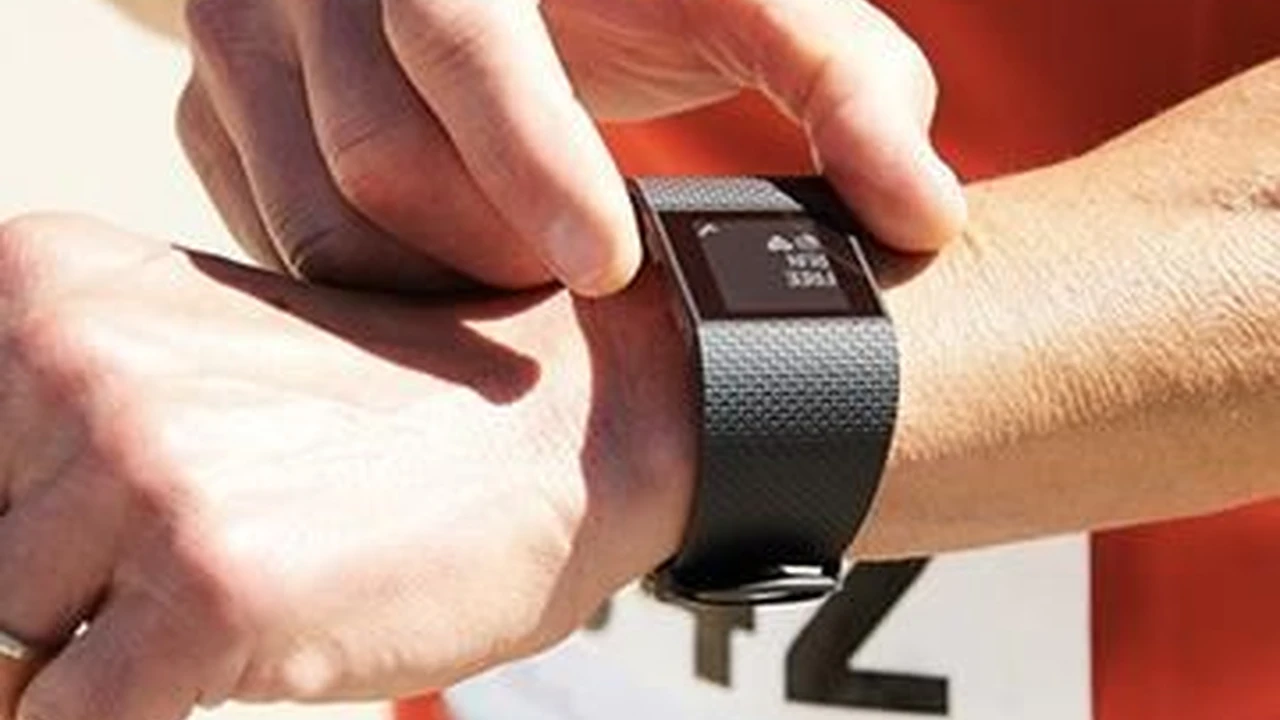
GPS watches and heart rate monitors can track your progress and monitor your health while jogging. GPS watches can track your distance, pace, and elevation. Heart rate monitors can track your heart rate and provide insights into your fitness level.
Staying Motivated and Enjoying Your Jogging Journey
Staying motivated and enjoying your jogging journey is crucial for long-term success. Set realistic goals, find a running buddy, and explore new routes.
Setting Realistic Goals Achieving Progress and Preventing Burnout
Set realistic goals that are challenging but achievable. Avoid trying to do too much too soon. Gradually increase your mileage and intensity over time.
Finding a Running Buddy Sharing the Experience and Staying Accountable
Finding a running buddy can help you stay motivated and accountable. Running with a friend can make the experience more enjoyable and help you push yourself harder.
Exploring New Routes Keeping Your Runs Fresh and Engaging
Explore new routes to keep your runs fresh and engaging. Run in different parks, neighborhoods, or trails. Variety can help to prevent boredom and keep you motivated.
Conclusion Alternative Phrasing
So, as you lace up those running shoes and head out the door, remember that proper jogging form is your key to a more enjoyable, efficient, and injury-free experience. By focusing on posture, arm swing, foot strike, and breathing, you can unlock your running potential and achieve your fitness goals. Keep practicing, stay mindful, and enjoy the journey! Happy jogging!
:max_bytes(150000):strip_icc()/277019-baked-pork-chops-with-cream-of-mushroom-soup-DDMFS-beauty-4x3-BG-7505-5762b731cf30447d9cbbbbbf387beafa.jpg)