Managing Stress While Jogging for Weight Loss

The Connection Between Stress Weight Gain and Jogging
We all know that nagging feeling of stress. Maybe it's a looming deadline at work, a family issue, or just the general chaos of daily life. But did you know that stress can actually sabotage your weight loss goals? When you're stressed, your body releases cortisol, a hormone that can increase appetite, especially for sugary and fatty foods. It also encourages your body to store fat, particularly around your abdomen. So, that extra padding around your middle might be more than just a few extra calories – it could be stress in disguise.
But here's the good news: jogging can be a powerful tool to combat stress and, in turn, support your weight loss journey. When you jog, your body releases endorphins, which have mood-boosting and pain-relieving effects. It's like a natural antidepressant, helping you feel calmer and more relaxed. Plus, jogging can help you burn calories and improve your overall fitness, making it a win-win situation for both your mental and physical health.
Understanding Cortisol and Its Impact on Weight Loss
Let's dive a little deeper into the science behind stress and weight gain. Cortisol, the primary stress hormone, plays a crucial role in regulating your body's response to stress. While it's essential for survival in short bursts (think fight-or-flight response), chronic stress can lead to consistently elevated cortisol levels. This can wreak havoc on your metabolism, immune system, and even your mood.
High cortisol levels can lead to increased appetite, especially for calorie-dense foods. It also promotes the storage of visceral fat, the dangerous type of fat that accumulates around your abdominal organs. This type of fat is linked to an increased risk of heart disease, type 2 diabetes, and other health problems.
Furthermore, cortisol can interfere with your sleep, leading to fatigue and further exacerbating stress. This creates a vicious cycle where stress leads to poor sleep, which leads to more stress and weight gain. Breaking this cycle is crucial for both your physical and mental well-being.
Jogging as a Stress Reduction Technique for Weight Management
Now, let's talk about how jogging can help you break free from this stress-weight gain cycle. Jogging is a form of aerobic exercise that has been shown to have numerous benefits for both physical and mental health. It's a fantastic way to reduce stress, improve your mood, and burn calories, all of which are essential for successful weight loss.
When you jog, your body releases endorphins, natural mood elevators that can help you feel calmer and more relaxed. It also helps to reduce cortisol levels, breaking the cycle of stress and weight gain. Regular jogging can also improve your sleep, leading to increased energy and a better ability to cope with stress.
But the benefits of jogging extend beyond stress reduction. It's also a great way to improve your cardiovascular health, strengthen your muscles and bones, and boost your overall fitness level. And of course, it burns calories, which is essential for weight loss.
Creating a Jogging Routine for Stress Relief and Weight Loss
So, how do you incorporate jogging into your routine to reduce stress and lose weight? Here are a few tips to get you started:
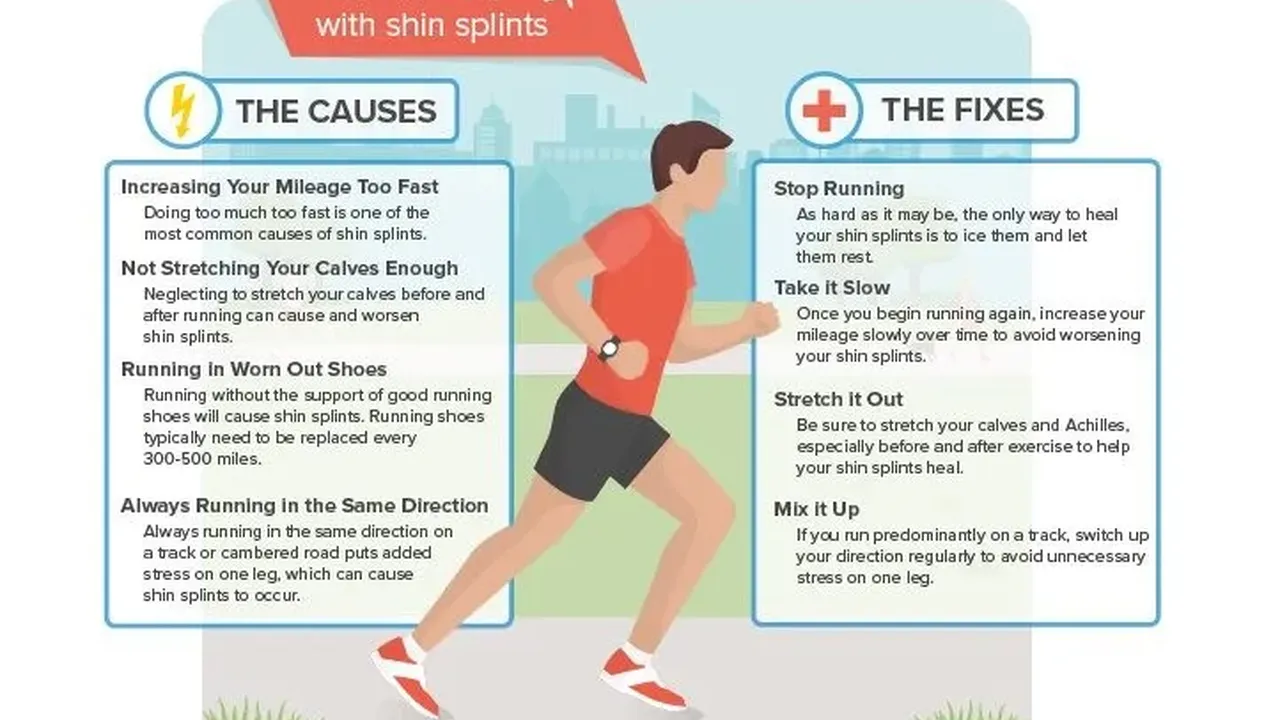
- Start slowly: If you're new to jogging, don't try to do too much too soon. Start with short intervals of jogging and walking, gradually increasing the jogging time as you get fitter.
- Find a route you enjoy: Choose a scenic route that you find enjoyable. This will make jogging more appealing and help you stick with it. Consider a park, a trail, or even just your neighborhood streets.
- Listen to your body: Pay attention to your body and don't push yourself too hard. If you feel pain, stop and rest.
- Make it a habit: Aim to jog at least three times a week for 30 minutes or more. Consistency is key to seeing results.
- Incorporate strength training: Strength training can help you build muscle, which can boost your metabolism and help you burn more calories.
- Focus on your breathing: Pay attention to your breathing and try to breathe deeply and evenly. This can help you relax and reduce stress.
- Make it social: Jogging with a friend can make it more enjoyable and help you stay motivated.
Mindful Jogging Techniques for Enhanced Stress Reduction
Beyond just the physical act of jogging, you can also incorporate mindfulness techniques to further enhance its stress-reducing benefits. Mindful jogging involves paying attention to your breath, your body, and your surroundings, without judgment. This can help you to be more present in the moment and less caught up in your thoughts and worries.
Here are a few tips for practicing mindful jogging:
- Focus on your breath: Pay attention to the sensation of your breath as it enters and leaves your body.
- Notice your body: Pay attention to the sensations in your body, such as the feeling of your feet hitting the ground, the movement of your arms, and the rhythm of your breathing.
- Observe your surroundings: Take in the sights, sounds, and smells around you. Notice the trees, the birds, the people, and the weather.
- Let go of judgments: Don't judge yourself or your experience. Simply observe what is happening without trying to change it.
- Be present in the moment: Focus on the present moment and let go of thoughts about the past or future.
By practicing mindful jogging, you can transform your run into a moving meditation that helps you to reduce stress, improve your focus, and enhance your overall well-being.
The Role of Nutrition in Supporting Jogging and Weight Loss
Jogging is a fantastic tool for weight loss and stress reduction, but it's only one piece of the puzzle. Nutrition plays a crucial role in supporting your efforts. Eating a healthy, balanced diet can provide you with the energy you need to jog, help you burn more calories, and reduce your stress levels.
Here are a few nutritional tips to support your jogging and weight loss goals:
- Eat plenty of fruits and vegetables: Fruits and vegetables are packed with vitamins, minerals, and antioxidants, which are essential for overall health and well-being.
- Choose lean protein sources: Lean protein sources, such as chicken, fish, beans, and lentils, can help you build muscle and stay full.
- Opt for whole grains: Whole grains, such as brown rice, quinoa, and oats, are a good source of fiber, which can help you feel full and satisfied.
- Limit processed foods: Processed foods are often high in calories, sugar, and unhealthy fats, which can sabotage your weight loss efforts.
- Stay hydrated: Drink plenty of water throughout the day to stay hydrated. Dehydration can lead to fatigue and decreased performance.
- Consider a pre-jogging snack: A small snack before your jog can provide you with the energy you need to perform your best. Opt for something like a banana, a handful of nuts, or a small bowl of oatmeal.
- Refuel after your jog: After your jog, it's important to refuel with a healthy snack or meal to replenish your glycogen stores and repair your muscles. Choose something that contains both protein and carbohydrates.
Essential Jogging Gear for Comfort and Performance
Having the right gear can make a big difference in your comfort and performance while jogging. Here are a few essential items to consider:
- Running shoes: Invest in a good pair of running shoes that fit well and provide adequate support. Visit a specialty running store to get fitted properly.
- Moisture-wicking clothing: Choose clothing that is made from moisture-wicking fabric to keep you cool and dry.
- Sports bra: Women should wear a supportive sports bra to minimize breast movement and discomfort.
- Socks: Choose socks that are made from moisture-wicking fabric to prevent blisters.
- Water bottle: Stay hydrated by carrying a water bottle with you on your jog.
- Headphones: Listen to music or podcasts to stay entertained during your jog.
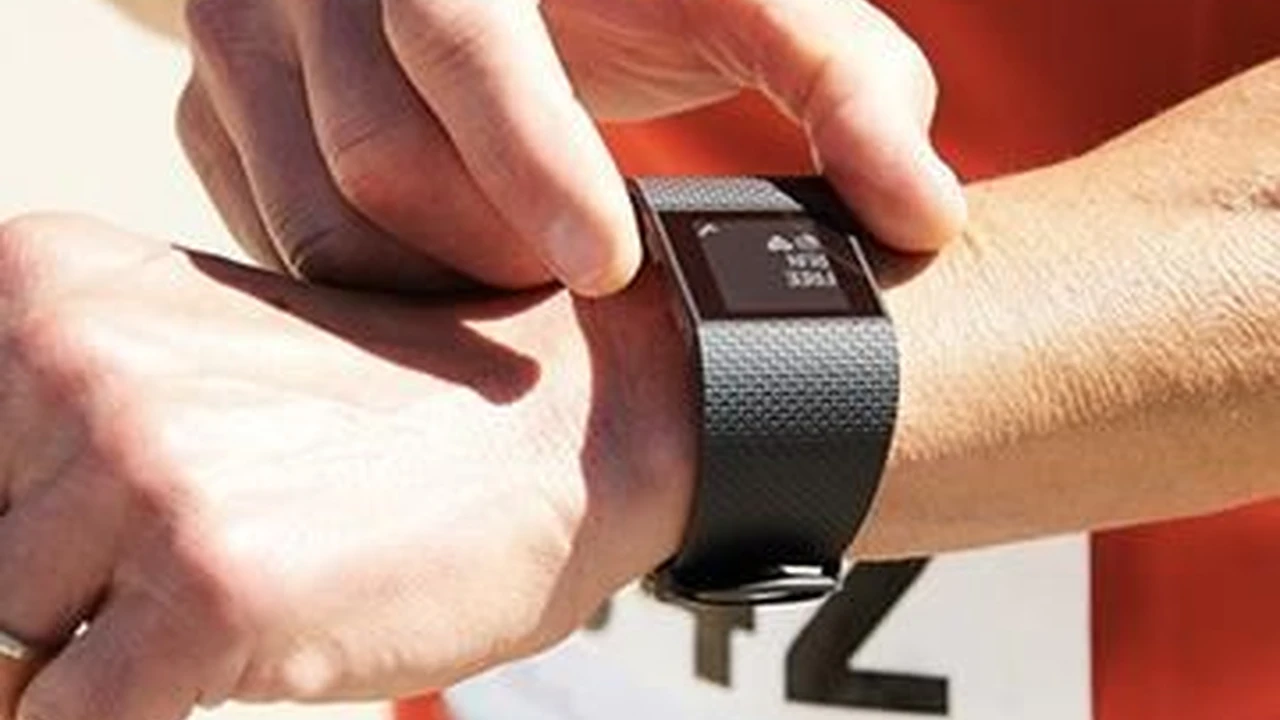
- Fitness tracker: Track your progress and stay motivated with a fitness tracker.
- Sunscreen: Protect your skin from the sun by wearing sunscreen.
- Hat or visor: Protect your face from the sun by wearing a hat or visor.
- Reflective gear: If you jog at night, wear reflective gear to stay visible to drivers.
Product Recommendations for Jogging and Weight Loss Support
Here are a few product recommendations that can help support your jogging and weight loss journey:
Running Shoes: Hoka Clifton 9
Use Case: Daily training, long runs, recovery runs. The Hoka Clifton 9 is known for its exceptional cushioning and lightweight design, making it a great choice for runners of all levels. It provides a smooth and comfortable ride, reducing impact on your joints and allowing you to run longer and more comfortably.
Details:
- Price: $140
- Features: Lightweight, breathable mesh upper, full compression EVA midsole, early stage Meta-Rocker, durable rubber outsole.
- Pros: Excellent cushioning, lightweight, comfortable, durable.
- Cons: Can be slightly unstable on uneven terrain.
Fitness Tracker: Fitbit Charge 5
Use Case: Tracking steps, distance, calories burned, heart rate, sleep, and stress levels. The Fitbit Charge 5 is a comprehensive fitness tracker that can help you monitor your progress and stay motivated. It also offers features like GPS tracking, workout modes, and smartphone notifications.
Details:
- Price: $150
- Features: Built-in GPS, heart rate tracking, sleep tracking, stress management tools, workout modes, smartphone notifications, color touchscreen display.
- Pros: Comprehensive tracking, GPS, stylish design, long battery life.
- Cons: Subscription required for some features.
Wireless Headphones: Jabra Elite Active 75t
Use Case: Listening to music or podcasts while jogging. The Jabra Elite Active 75t are waterproof and sweatproof wireless headphones that provide excellent sound quality and a secure fit. They're perfect for jogging in any weather conditions.
Details:
- Price: $180
- Features: Waterproof and sweatproof, secure fit, excellent sound quality, active noise cancellation, long battery life.
- Pros: Waterproof, sweatproof, secure fit, great sound quality, long battery life.
- Cons: Can be slightly expensive.
Protein Powder: Optimum Nutrition Gold Standard 100% Whey
Use Case: Post-workout recovery. Optimum Nutrition Gold Standard 100% Whey is a high-quality protein powder that can help you repair and rebuild muscle tissue after your jog. It's available in a variety of flavors and is easy to mix.
Details:
- Price: $30 (for a 2lb container)
- Features: 24 grams of protein per serving, whey protein isolate as the primary ingredient, low in sugar and fat, available in a variety of flavors.
- Pros: High-quality protein, low in sugar and fat, great taste, easy to mix.
- Cons: Can be slightly expensive compared to other protein powders.
Water Bottle: Hydro Flask 24 oz
Use Case: Staying hydrated during your jog. The Hydro Flask 24 oz is an insulated water bottle that keeps your drinks cold for up to 24 hours. It's durable, leak-proof, and easy to carry.
Details:
- Price: $35
- Features: Insulated, leak-proof, durable, easy to carry, available in a variety of colors.
- Pros: Keeps drinks cold for a long time, durable, leak-proof, stylish.
- Cons: Can be slightly heavy when full.
Product Comparison: Running Shoes for Different Foot Types
Choosing the right running shoe is crucial for comfort and injury prevention. Here's a comparison of a few popular running shoes for different foot types:
| Shoe | Foot Type | Features | Pros | Cons |
|---|---|---|---|---|
| Hoka Clifton 9 | Neutral | Excellent cushioning, lightweight, smooth ride | Comfortable, durable, good for daily training | Can be slightly unstable on uneven terrain |
| Brooks Adrenaline GTS 23 | Overpronation | Guidance support, comfortable cushioning, smooth transitions | Provides stability, comfortable, good for overpronators | Can feel slightly stiff for some runners |
| Saucony Kinvara 14 | Neutral to Supination | Lightweight, flexible, responsive cushioning | Fast, lightweight, good for tempo runs and races | Less cushioning than other shoes |
| New Balance Fresh Foam X 880v13 | Neutral | Balanced cushioning, durable outsole, comfortable upper | Versatile, durable, good for daily training | Can feel slightly heavy for some runners |
Additional Tips for Managing Stress and Promoting Weight Loss Through Jogging
Here are a few more tips to help you manage stress and promote weight loss through jogging:
- Set realistic goals: Don't try to lose too much weight too quickly. Aim for a gradual and sustainable weight loss of 1-2 pounds per week.
- Be patient: It takes time to see results. Don't get discouraged if you don't see progress immediately. Stick with your routine and you will eventually see results.
- Celebrate your successes: Acknowledge and celebrate your accomplishments, no matter how small. This will help you stay motivated.
- Don't compare yourself to others: Everyone is different. Focus on your own journey and don't compare yourself to others.
- Be kind to yourself: Don't beat yourself up if you miss a workout or indulge in a treat. Just get back on track as soon as possible.
- Seek support: Talk to a friend, family member, or therapist if you're struggling with stress or weight loss.
- Get enough sleep: Aim for 7-8 hours of sleep per night. Sleep deprivation can increase stress and lead to weight gain.
- Practice relaxation techniques: Incorporate relaxation techniques, such as yoga, meditation, or deep breathing, into your routine.
- Find joy in the process: Make jogging something that you enjoy. This will make it more likely that you'll stick with it.
Remember, managing stress and losing weight is a journey, not a destination. Be patient, be persistent, and be kind to yourself. With the right approach, you can achieve your goals and improve your overall well-being.
The Mental and Emotional Benefits of Jogging Beyond Weight Loss
While weight loss is often a primary motivator for starting a jogging routine, the mental and emotional benefits can be equally profound. Jogging provides an opportunity to disconnect from the daily grind, clear your head, and reconnect with yourself. It can be a form of moving meditation, allowing you to process emotions, reduce anxiety, and boost your mood.
The rhythmic nature of jogging can be incredibly calming and grounding. As you focus on your breath and the movement of your body, you can quiet the mental chatter and find a sense of peace. This can be particularly helpful for managing stress, anxiety, and depression.
Furthermore, jogging can boost your self-esteem and confidence. As you achieve your fitness goals and see progress in your physical abilities, you'll naturally feel better about yourself. This can have a positive impact on all areas of your life.
Jogging and Social Connection: Building Community Through Running
Jogging doesn't have to be a solitary activity. In fact, running with others can provide a sense of community and support that can further enhance its benefits. Joining a running club or finding a jogging buddy can help you stay motivated, make new friends, and share your experiences with others.
Running with others can also make jogging more enjoyable. You can chat with your running partners, explore new routes together, and push each other to achieve your goals. The social aspect of running can make it feel less like a chore and more like a fun and rewarding activity.
Many communities also host running events, such as 5Ks, 10Ks, and marathons. Participating in these events can be a great way to challenge yourself, meet other runners, and support a good cause.
Adapting Your Jogging Routine for Different Life Stages and Conditions
Your jogging routine should be adaptable to your individual needs and circumstances. As you go through different life stages or experience changes in your health, you may need to adjust your routine accordingly. For example, pregnant women may need to modify their jogging routine to accommodate their changing bodies. People with injuries or chronic conditions may need to work with a healthcare professional to develop a safe and effective jogging plan.
It's important to listen to your body and adjust your routine as needed. Don't be afraid to take rest days or modify your workouts if you're feeling tired or sore. And always consult with a healthcare professional before starting a new exercise program, especially if you have any underlying health conditions.
The Long-Term Sustainability of Jogging for Stress Management and Weight Loss
The key to long-term success with jogging for stress management and weight loss is to make it a sustainable part of your lifestyle. This means finding a routine that you enjoy and that fits into your schedule. It also means being patient, persistent, and kind to yourself.
Don't try to do too much too soon. Start slowly and gradually increase the intensity and duration of your workouts. Focus on making small, sustainable changes to your lifestyle that you can maintain over the long term.
And remember, it's okay to have setbacks. Everyone misses workouts or indulges in treats from time to time. The important thing is to get back on track as soon as possible and to not give up on your goals.
By making jogging a regular part of your life, you can reap its many benefits for years to come. You'll reduce stress, improve your mood, lose weight, and boost your overall well-being.
:max_bytes(150000):strip_icc()/277019-baked-pork-chops-with-cream-of-mushroom-soup-DDMFS-beauty-4x3-BG-7505-5762b731cf30447d9cbbbbbf387beafa.jpg)