How to Avoid Shin Splints While Jogging
Understanding the Fundamentals of Jogging Form
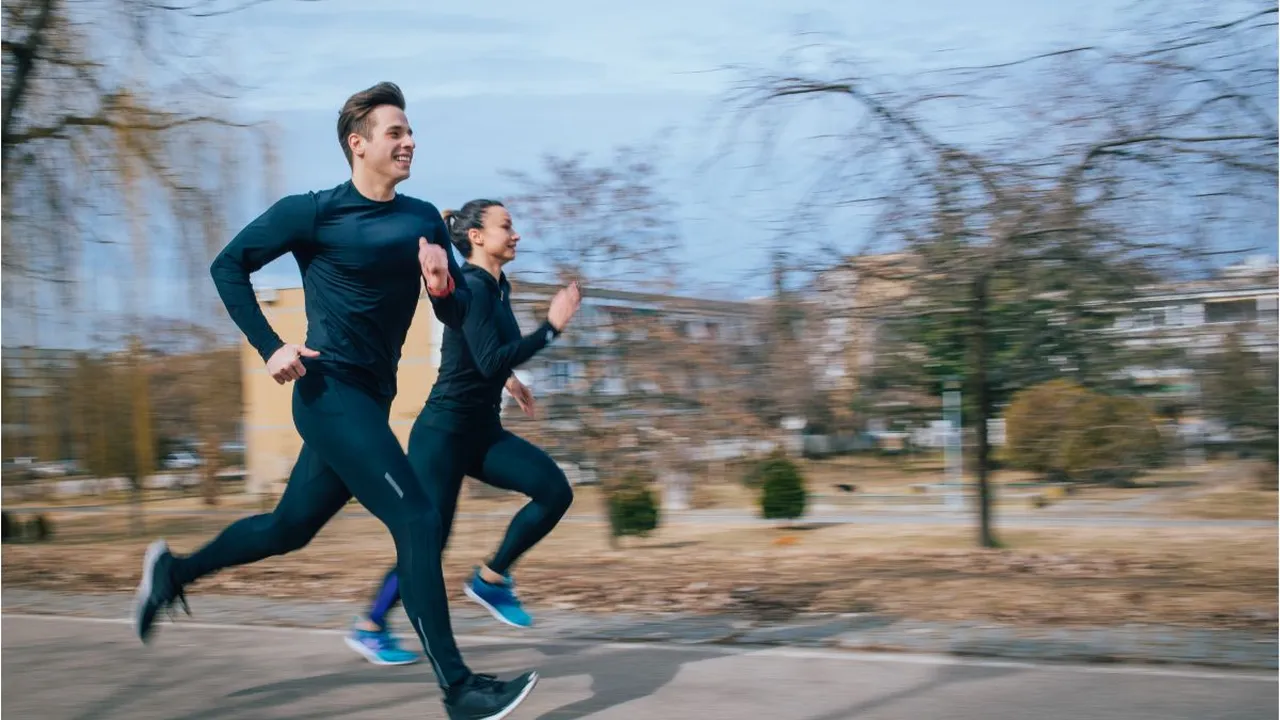
So, you're lacing up your shoes and hitting the pavement? Awesome! But before you pound the miles, let's talk about form. Good jogging form isn't just about looking graceful; it's about efficiency, injury prevention, and ultimately, enjoying your run more. Think of it as the foundation upon which all your jogging progress is built.
First things first: posture. Imagine a string pulling you up from the crown of your head. Stand tall, but relaxed. Avoid slouching, which can compress your lungs and restrict your breathing. Your head should be level, eyes looking forward, not down at your feet. Think about engaging your core muscles – not like you're doing a crunch, but just a gentle tightening to stabilize your torso. This helps maintain a neutral spine and prevents excessive swaying.
Next up: arm swing. Your arms should swing forward and back, not across your body. Keep your elbows bent at roughly 90 degrees and your hands relaxed – imagine holding a delicate butterfly. Avoid clenching your fists, as this can create tension in your shoulders and neck. Your arm swing should be driven by your shoulders, not your elbows. This helps propel you forward and contributes to overall efficiency.
Now for the legs. Focus on a short, quick stride. Overstriding, where your foot lands far in front of your body, is a common mistake that can lead to injuries. Aim for your foot to land underneath your hips. Your cadence, or the number of steps you take per minute, is also important. A higher cadence (around 170-180 steps per minute) can reduce impact forces and improve running economy. Use a metronome app or listen to music with a consistent beat to help you find your optimal cadence.
Finally, think about your foot strike. Ideally, you want to land midfoot, rather than on your heel or toes. Heel striking can send jarring forces up your legs, while toe striking can strain your calf muscles. Midfoot striking allows you to use your natural cushioning system and distribute the impact more evenly.
The Importance of Proper Breathing Techniques for Jogging
Breathing is often overlooked, but it's absolutely crucial for efficient and comfortable jogging. You need to get enough oxygen to your muscles to fuel your activity, and you need to expel carbon dioxide, a waste product. Shallow breathing won't cut it; you need to breathe deeply and rhythmically.
Focus on breathing from your diaphragm, rather than your chest. When you inhale, your belly should expand, not your chest. This allows you to take in more air and fully utilize your lung capacity. Exhale completely, squeezing out all the air from your lungs. This helps prevent a buildup of carbon dioxide, which can lead to fatigue and cramping.
Establish a breathing rhythm that works for you. A common rhythm is 2:2, meaning you inhale for two steps and exhale for two steps. Experiment with different rhythms to find what feels most comfortable and efficient. As you increase your pace, you may need to switch to a 1:1 rhythm, inhaling and exhaling with each step.
Pay attention to your breathing. If you find yourself gasping for air, slow down. Don't be afraid to walk for a bit to catch your breath. Over time, your breathing will become more efficient, and you'll be able to maintain a comfortable pace for longer periods.
Selecting the Right Jogging Shoes for Optimal Performance
Your shoes are your most important piece of equipment. The wrong shoes can lead to blisters, shin splints, knee pain, and a host of other problems. The right shoes can provide cushioning, support, and stability, allowing you to run comfortably and injury-free.
Consider your foot type. Are you a neutral pronator, an overpronator, or a supinator? Pronation refers to the way your foot rolls inward when you land. Neutral pronators have a balanced foot strike, while overpronators roll inward excessively, and supinators roll outward. Knowing your foot type will help you choose shoes that provide the appropriate level of support.
Visit a specialty running store. The staff can analyze your gait and recommend shoes that are right for you. They can also help you find the right size. Your running shoes should be about a half-size larger than your street shoes to allow for foot swelling during exercise.
Try on several pairs of shoes. Walk around the store and even run on a treadmill to get a feel for how they perform. Pay attention to how the shoes feel on your feet. Are they comfortable? Do they provide enough cushioning and support? Do they fit properly?
Don't be afraid to spend a little extra money on quality running shoes. They're an investment in your health and well-being. A good pair of running shoes can last for 300-500 miles, so it's worth it to get something that's comfortable and durable.
Warming Up Effectively Before Each Jogging Session
Warming up is essential for preparing your body for exercise. It increases blood flow to your muscles, improves flexibility, and reduces the risk of injury. A good warm-up should include both dynamic stretching and light cardio.
Start with light cardio. Jog in place, do jumping jacks, or walk briskly for 5-10 minutes to get your heart rate up and your muscles warm. This will help prepare your body for the more intense activity to come.
Then, perform dynamic stretches. Dynamic stretches involve movement, such as arm circles, leg swings, and torso twists. These stretches help improve flexibility and range of motion. Avoid static stretches, which involve holding a stretch for an extended period of time. Static stretches are best saved for after your run.
Focus on stretches that target the muscles you'll be using during your run, such as your calves, hamstrings, quads, and hip flexors. Perform each stretch for 10-15 repetitions.
A good warm-up should leave you feeling energized and ready to run. It shouldn't be exhausting or painful. If you feel any pain, stop and adjust the stretch.
Cooling Down and Stretching After Jogging for Recovery
Cooling down is just as important as warming up. It helps your body gradually return to its resting state and reduces the risk of muscle soreness and stiffness. A good cool-down should include light cardio and static stretching.
Start with light cardio. Walk slowly for 5-10 minutes to allow your heart rate to gradually decrease. This helps prevent blood from pooling in your legs, which can cause dizziness and fainting.
Then, perform static stretches. Hold each stretch for 30 seconds, focusing on the muscles you used during your run. This will help improve flexibility and reduce muscle soreness.
Focus on stretches that target your calves, hamstrings, quads, hip flexors, and glutes. Hold each stretch gently and avoid bouncing. You should feel a slight pull, but not pain.
A good cool-down should leave you feeling relaxed and refreshed. It shouldn't be rushed or skipped. Take your time and enjoy the process.
Hydration Strategies for Joggers Maintaining Optimal Fluid Balance
Staying hydrated is crucial for performance and health. Dehydration can lead to fatigue, muscle cramps, and decreased performance. You need to drink enough fluids before, during, and after your run to maintain optimal fluid balance.
Drink water throughout the day. Don't wait until you're thirsty to drink. Carry a water bottle with you and sip on it throughout the day.
Drink water before your run. Aim to drink 16-20 ounces of water 2-3 hours before your run. This will give your body time to absorb the fluids and hydrate your muscles.
Drink water during your run. If you're running for more than 30 minutes, you'll need to replenish fluids. Carry a water bottle with you or plan your route so that you can stop at water fountains along the way. Aim to drink 4-8 ounces of water every 15-20 minutes.
Drink water after your run. Replenish the fluids you lost during your run. Drink 16-24 ounces of water for every pound of weight you lost. You can also drink sports drinks to replenish electrolytes, which are lost through sweat.
Pay attention to the color of your urine. Pale yellow urine indicates that you're well-hydrated, while dark yellow urine indicates that you're dehydrated.
Nutrition Tips for Joggers Fueling Your Body for Success
Nutrition plays a vital role in your jogging performance and overall health. You need to fuel your body with the right nutrients to provide energy, repair muscle tissue, and prevent injuries. A balanced diet that includes carbohydrates, protein, and healthy fats is essential.
Eat a balanced diet. Focus on whole, unprocessed foods, such as fruits, vegetables, whole grains, lean protein, and healthy fats. Avoid processed foods, sugary drinks, and excessive amounts of saturated and unhealthy fats.
Carbohydrates are your primary source of energy. Choose complex carbohydrates, such as whole grains, fruits, and vegetables, over simple carbohydrates, such as sugary drinks and processed foods. Complex carbohydrates provide sustained energy, while simple carbohydrates provide a quick burst of energy followed by a crash.
Protein is essential for muscle repair and growth. Choose lean protein sources, such as chicken, fish, beans, and lentils. Aim to consume 0.5-0.8 grams of protein per pound of body weight per day.
Healthy fats are important for hormone production, cell function, and overall health. Choose healthy fat sources, such as avocados, nuts, seeds, and olive oil. Avoid saturated and unhealthy fats, such as those found in processed foods and fatty meats.
Eat a pre-run snack. A small snack that's high in carbohydrates and low in fat and fiber can provide you with energy for your run. Examples include a banana, a piece of toast with jam, or a handful of pretzels.
Eat a post-run meal. A meal that's high in carbohydrates and protein can help replenish your energy stores and repair muscle tissue. Examples include a chicken breast with brown rice and vegetables, or a smoothie with fruit, protein powder, and milk.
Cross Training for Joggers Enhancing Performance and Preventing Injuries
Cross training involves engaging in activities other than jogging to improve your overall fitness and reduce the risk of injury. It can help strengthen different muscle groups, improve cardiovascular health, and prevent overuse injuries.
Choose activities you enjoy. Cross training should be fun and enjoyable. If you dread your cross-training workouts, you're less likely to stick with them.
Consider swimming. Swimming is a low-impact activity that's easy on your joints. It's a great way to improve cardiovascular health and strengthen your upper body.
Try cycling. Cycling is another low-impact activity that's good for your cardiovascular health and leg strength.
Incorporate strength training. Strength training can help strengthen your muscles and bones, which can improve your running performance and reduce the risk of injury. Focus on exercises that target your core, legs, and upper body.
Practice yoga or Pilates. Yoga and Pilates can help improve flexibility, balance, and core strength. They can also help reduce stress and improve your overall well-being.
Listen to your body. Don't overdo it with cross training. Give your body time to rest and recover. If you experience any pain, stop and adjust your workouts.
Jogging on Different Terrains Adapting Your Technique
The terrain you run on can significantly impact your form and risk of injury. Adjusting your technique to suit different surfaces is crucial for safe and efficient jogging.
Road Running: On paved roads, maintain a consistent stride length and cadence. Be mindful of traffic and uneven surfaces like potholes or cracks. Wear shoes with good cushioning to absorb the impact.
Trail Running: Trails present uneven terrain, rocks, roots, and hills. Shorten your stride, increase your cadence, and lift your feet higher to clear obstacles. Engage your core for stability and be prepared to adjust your footing frequently. Trail running shoes offer better traction and ankle support.
Treadmill Running: Treadmills provide a controlled environment. Focus on maintaining good posture and a consistent pace. Avoid leaning on the handrails, which can disrupt your form. Consider using the incline feature to simulate outdoor running.
Grass Running: Running on grass is softer than pavement but can be uneven. Maintain a shorter stride and be aware of hidden holes or obstacles. Grass running can be a good option for recovery runs.
Sand Running: Sand provides a challenging workout due to the increased resistance. Shorten your stride, lift your knees higher, and engage your core. Be prepared for increased muscle fatigue. Sand running is a great way to build strength and improve cardiovascular fitness.
Jogging in Different Weather Conditions Safety and Performance Considerations
Weather conditions can significantly affect your jogging experience. It's essential to adapt your clothing, hydration, and pace to ensure safety and performance.
Hot Weather: Wear lightweight, breathable clothing. Hydrate frequently before, during, and after your run. Run during cooler parts of the day, such as early morning or late evening. Consider wearing a hat and sunglasses to protect yourself from the sun. Be aware of the signs of heat exhaustion and heat stroke, such as dizziness, headache, and nausea.
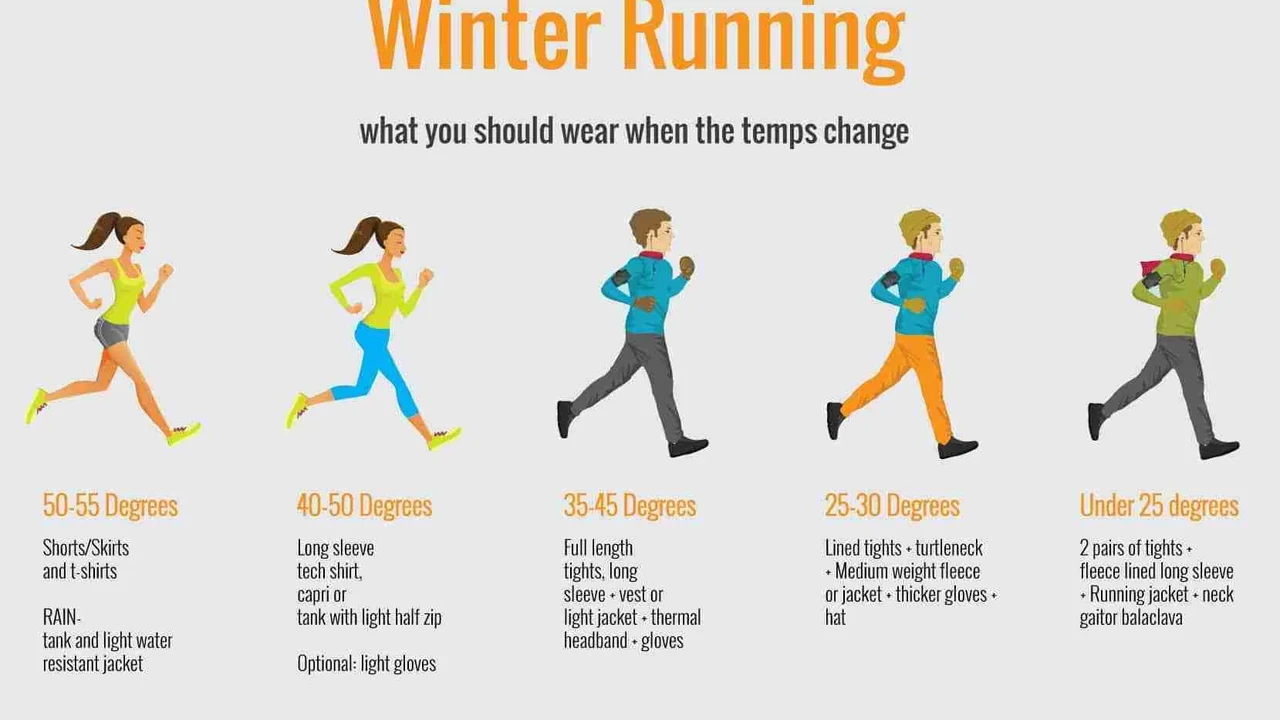
Cold Weather: Dress in layers to trap heat and wick away moisture. Wear gloves, a hat, and a scarf to protect your extremities. Run into the wind on your way out and with the wind on your way back. Be aware of the risks of hypothermia, such as shivering, confusion, and slurred speech.
Rainy Weather: Wear waterproof or water-resistant clothing. Run on surfaces with good traction to avoid slipping. Be visible to traffic by wearing bright colors or reflective gear. Avoid running in heavy rain or thunderstorms.
Windy Weather: Run into the wind on your way out and with the wind on your way back. This will help you maintain a consistent effort level. Be aware of the risk of windburn and dehydration.
Snowy or Icy Weather: Avoid running on snowy or icy surfaces if possible. If you must run, wear shoes with good traction and be prepared to shorten your stride and slow your pace. Be visible to traffic by wearing bright colors or reflective gear.
Dealing with Common Jogging Injuries Prevention and Treatment
Injuries are a common occurrence for joggers. Understanding how to prevent and treat common injuries is crucial for staying healthy and active.
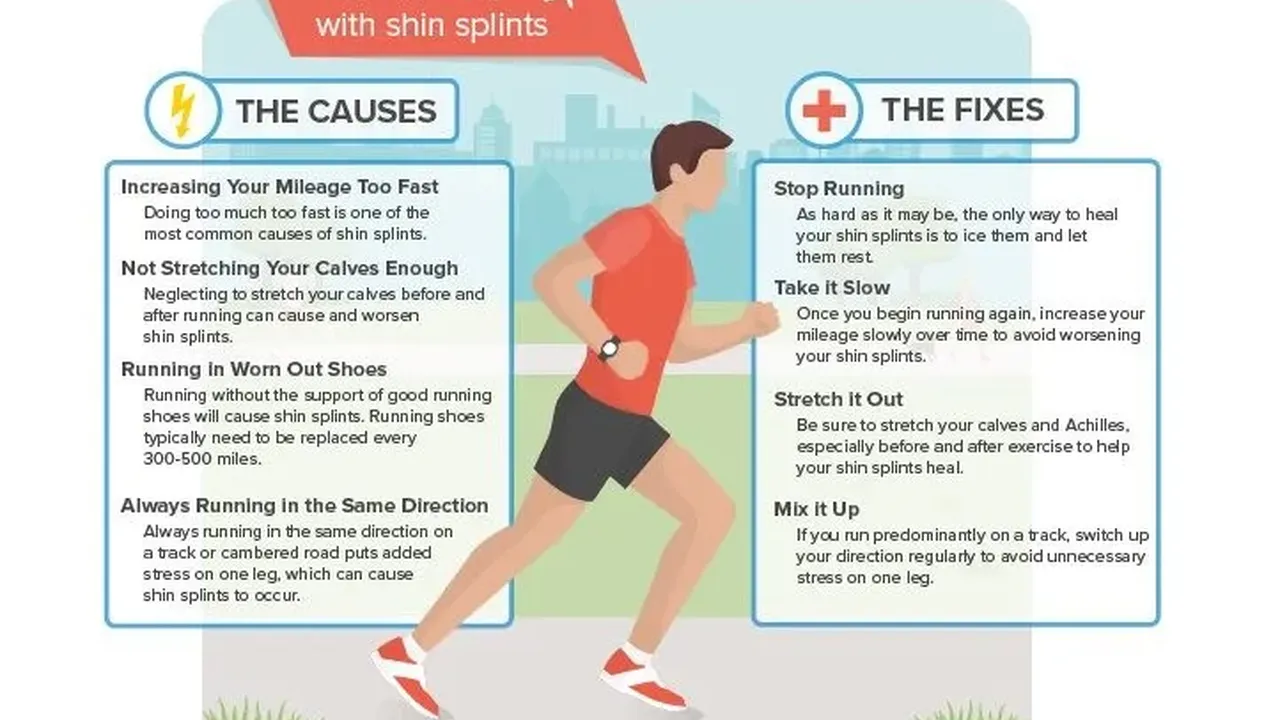
Shin Splints: Shin splints are pain along the shinbone, often caused by overuse or improper footwear. Prevention includes wearing supportive shoes, stretching your calf muscles, and gradually increasing your mileage. Treatment includes rest, ice, compression, and elevation (RICE). Consider using compression sleeves like the **CEP Compression Run Sleeves 3.0** (around $50 on Amazon). They provide targeted compression to the lower leg, reducing muscle vibration and improving circulation. Use cases include long runs, recovery after intense workouts, and travel to prevent swelling. A comparable product is the **Pro Compression Marathon Sock** (around $40), offering similar benefits but in sock form. The CEP sleeves are generally preferred for their targeted compression and versatility with different sock choices.
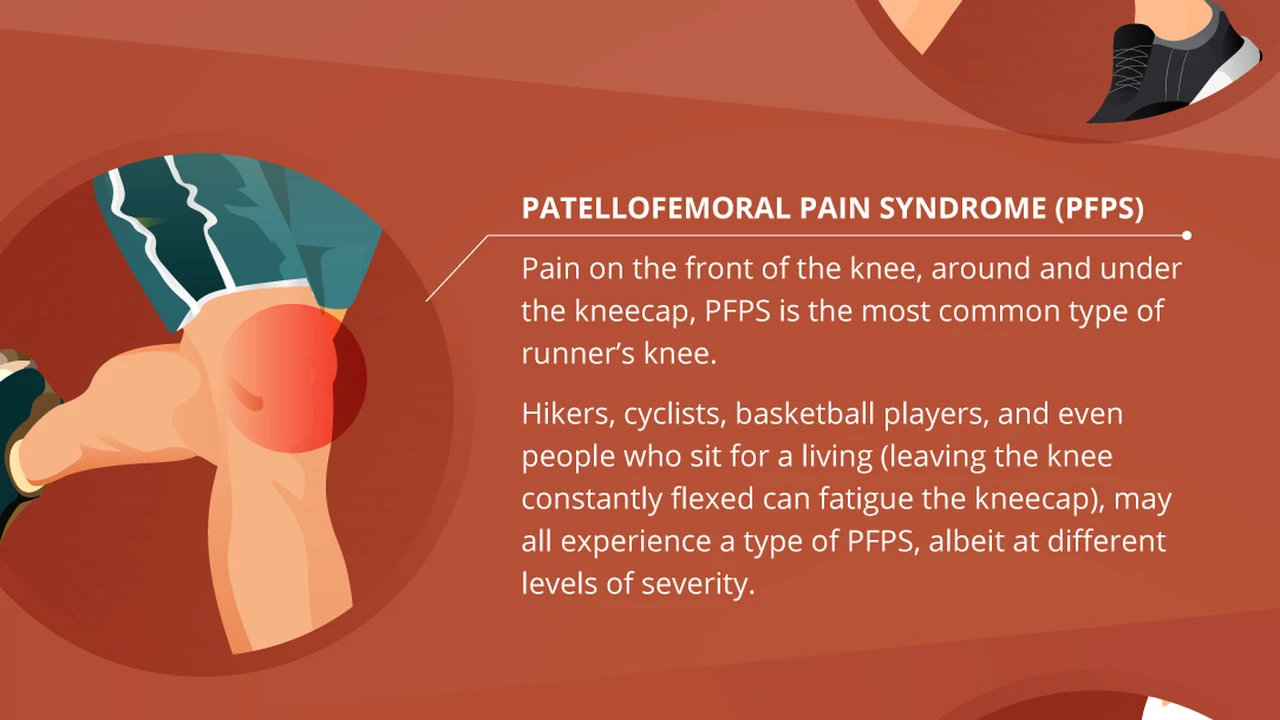
Runner's Knee: Runner's knee is pain around the kneecap, often caused by muscle imbalances or overuse. Prevention includes strengthening your quads, hamstrings, and glutes, and using proper running form. Treatment includes RICE, stretching, and physical therapy. Consider using a knee brace like the **Mueller Adjustable Hinged Knee Brace** (around $30 on Amazon). It provides support and stability to the knee joint, reducing pain and inflammation. Use cases include running, hiking, and other activities that put stress on the knee. A comparable product is the **DonJoy Advantage Playmaker II Knee Brace** (around $80), offering more advanced support and stability. The Mueller brace is a good option for mild to moderate knee pain, while the DonJoy brace is better suited for more severe injuries.
Plantar Fasciitis: Plantar fasciitis is pain in the heel and arch of the foot, often caused by tight calf muscles or improper footwear. Prevention includes stretching your calf muscles and wearing supportive shoes with good arch support. Treatment includes RICE, stretching, and orthotics. Consider using plantar fasciitis insoles like the **Powerstep Pinnacle Orthotic Inserts** (around $40 on Amazon). These insoles provide arch support and cushioning, reducing stress on the plantar fascia. Use cases include running, walking, and standing for long periods. A comparable product is the **Superfeet Green Insoles** (around $50), offering similar benefits but with a more rigid design. The Powerstep insoles are generally preferred for their balance of support and cushioning.
Achilles Tendinitis: Achilles tendinitis is pain in the Achilles tendon, often caused by overuse or tight calf muscles. Prevention includes stretching your calf muscles and gradually increasing your mileage. Treatment includes RICE, stretching, and physical therapy. Consider using a heel lift like the **Heel That Pain Plantar Fasciitis Heel Seats** (around $25 on Amazon). These heel lifts raise the heel, reducing stress on the Achilles tendon. Use cases include running, walking, and standing for long periods. A comparable product is the **Tuli's Heel Cups** (around $20), offering similar benefits but with a more gel-like design. The Heel That Pain heel seats are generally preferred for their targeted support and durability.
Tracking Your Jogging Progress Using Technology and Apps
Tracking your progress can help you stay motivated, monitor your improvements, and identify areas for improvement. Technology and apps offer a variety of tools for tracking your jogging data.
GPS Watches: GPS watches track your distance, pace, time, heart rate, and other metrics. They can also provide real-time feedback and guidance during your runs. Popular options include the **Garmin Forerunner 245** (around $300 on Amazon) and the **Apple Watch Series 8** (around $400). The Garmin Forerunner 245 is specifically designed for runners, offering advanced features like training load analysis and recovery recommendations. The Apple Watch Series 8 is a more versatile smartwatch with fitness tracking capabilities. The Garmin is preferred by serious runners for its focus on running metrics, while the Apple Watch is a good option for those who want a smartwatch with fitness tracking features.
Fitness Trackers: Fitness trackers track your steps, distance, calories burned, and sleep. They can also provide notifications and reminders to stay active. Popular options include the **Fitbit Charge 5** (around $150 on Amazon) and the **Garmin Vivosmart 5** (around $130). These trackers are smaller and less expensive than GPS watches, making them a good option for casual runners. The Fitbit Charge 5 offers more advanced features like EDA scan for stress management, while the Garmin Vivosmart 5 focuses on basic activity tracking and sleep monitoring. The Fitbit is preferred for its comprehensive features, while the Garmin is a good option for those who want a simple and reliable tracker.
Mobile Apps: Mobile apps track your distance, pace, time, and other metrics using your smartphone's GPS. They can also provide personalized training plans and connect you with other runners. Popular options include **Strava**, **Nike Run Club**, and **MapMyRun**. These apps are free to download and use, with optional premium subscriptions that offer additional features. Strava is known for its social features and competitive challenges, while Nike Run Club offers guided runs and training plans. MapMyRun is a good option for tracking a variety of activities, including running, cycling, and walking.
Setting Realistic Jogging Goals and Staying Motivated
Setting realistic goals and staying motivated are essential for long-term success. Whether you're aiming to run a marathon or simply improve your fitness, having a clear plan and staying focused can help you achieve your objectives.
Start Small: Don't try to do too much too soon. Start with short, easy runs and gradually increase your mileage and intensity. This will help you avoid injuries and stay motivated.
Set Specific Goals: Instead of saying "I want to get in shape," set a specific goal, such as "I want to run a 5k in 30 minutes." This will give you a clear target to aim for.
Make a Plan: Create a training plan that outlines your weekly runs and cross-training activities. This will help you stay organized and on track.
Find a Running Buddy: Running with a friend or group can help you stay motivated and accountable.
Reward Yourself: Celebrate your accomplishments, no matter how small. This will help you stay positive and motivated.
Advanced Jogging Techniques Interval Training and Tempo Runs
Once you've established a solid foundation, you can incorporate advanced techniques like interval training and tempo runs to improve your speed and endurance.
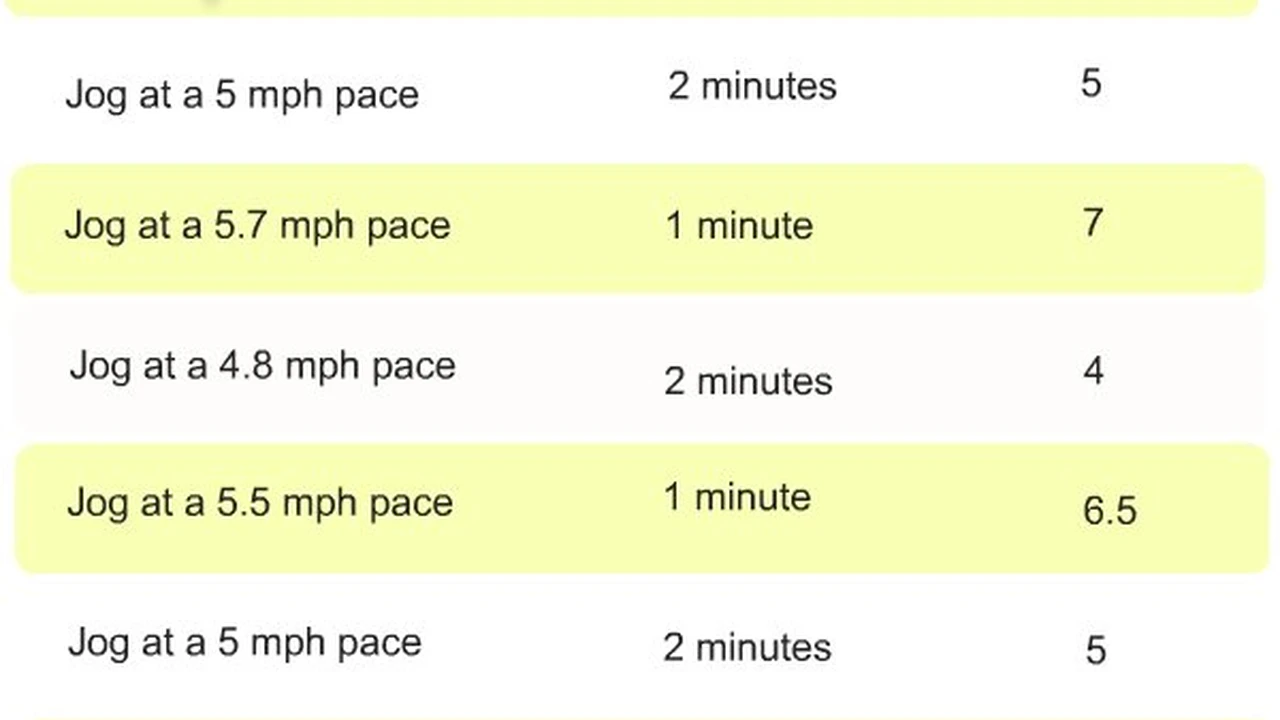
Interval Training: Interval training involves alternating between high-intensity bursts of running and periods of rest or easy jogging. This type of training can improve your cardiovascular fitness and running speed. A popular interval workout is 400-meter repeats, where you run 400 meters at a fast pace followed by a recovery jog. The **Polar Vantage V2** (around $500 on Amazon) is a great watch for interval training, offering detailed heart rate data and recovery analysis. It allows you to create structured workouts and track your performance. A cheaper alternative is the **Coros Pace 2** (around $200), which offers similar features but with a less premium design. The Polar Vantage V2 is preferred by serious athletes for its advanced features, while the Coros Pace 2 is a good option for those on a budget.
Tempo Runs: Tempo runs involve running at a comfortably hard pace for a sustained period of time. This type of training can improve your lactate threshold, which is the point at which your body starts to accumulate lactic acid. A typical tempo run is 20-30 minutes at a pace that's slightly faster than your normal easy pace. The **Hoka Clifton 9** (around $140) is an excellent shoe for tempo runs, providing cushioning and responsiveness. It allows you to maintain a comfortable pace for longer periods. A comparable shoe is the **Brooks Ghost 15** (around $140), offering similar benefits but with a slightly firmer feel. The Hoka Clifton 9 is preferred by those who want a softer ride, while the Brooks Ghost 15 is a good option for those who want more support.
Hill Repeats: Hill repeats involve running up a hill at a fast pace followed by a recovery jog down the hill. This type of training can improve your strength and power. Find a hill that's moderately steep and run up it for 30-60 seconds, then jog down for recovery. The **Salomon Speedcross 6** (around $140) is a great shoe for hill repeats, providing excellent traction and stability. It allows you to grip the terrain and power up the hill. A comparable shoe is the **Saucony Peregrine 13** (around $130), offering similar benefits but with a more flexible feel. The Salomon Speedcross 6 is preferred for its aggressive tread, while the Saucony Peregrine 13 is a good option for those who want a more natural feel.
:max_bytes(150000):strip_icc()/277019-baked-pork-chops-with-cream-of-mushroom-soup-DDMFS-beauty-4x3-BG-7505-5762b731cf30447d9cbbbbbf387beafa.jpg)