Jogging in Different Weather Conditions: A Guide
The Allure of Jogging Embracing a Healthier Lifestyle
Jogging, often perceived as a simple activity, holds the key to unlocking a multitude of health benefits and a more vibrant lifestyle. It's more than just putting one foot in front of the other; it's a journey of self-discovery, improved well-being, and a connection with the world around you. This guide dives deep into the world of jogging, providing you with the knowledge and tools to embark on your own successful running adventure.
Why choose jogging? The reasons are compelling. From boosting cardiovascular health and strengthening bones to reducing stress and improving mood, the benefits are far-reaching. Jogging is also an accessible activity, requiring minimal equipment and easily adaptable to various fitness levels. Whether you're a seasoned athlete or a complete beginner, jogging can be tailored to your individual needs and goals.
Essential Jogging Gear Setting Yourself Up for Success
While jogging requires minimal equipment, investing in a few key items can significantly enhance your comfort, performance, and safety. Let's explore the essential gear you'll need to kickstart your jogging journey.
The Importance of Running Shoes Selecting the Right Footwear
Your running shoes are arguably the most crucial piece of equipment. Ill-fitting shoes can lead to blisters, shin splints, and other injuries. Choosing the right shoes depends on your foot type (neutral, pronated, or supinated), running style, and the terrain you'll be jogging on. Consult with a running shoe specialist at a reputable store to get a professional fitting. They can analyze your gait and recommend shoes that provide the necessary support and cushioning.
Product Recommendation: Consider the Brooks Ghost 14. These shoes are renowned for their neutral support, excellent cushioning, and durability, making them a great choice for beginners and experienced runners alike. They are versatile enough for road running, light trails, and even walking. Use Case: Ideal for daily training, long runs, and recovery runs. Product Comparison: Compared to the Nike Pegasus, the Ghost 14 offers a more plush and forgiving ride. Compared to the Saucony Kinvara, the Ghost 14 provides more support and stability. Details: Available in various colors and sizes. Pricing typically ranges from $120-$150.
Comfortable Running Apparel Choosing the Right Clothing
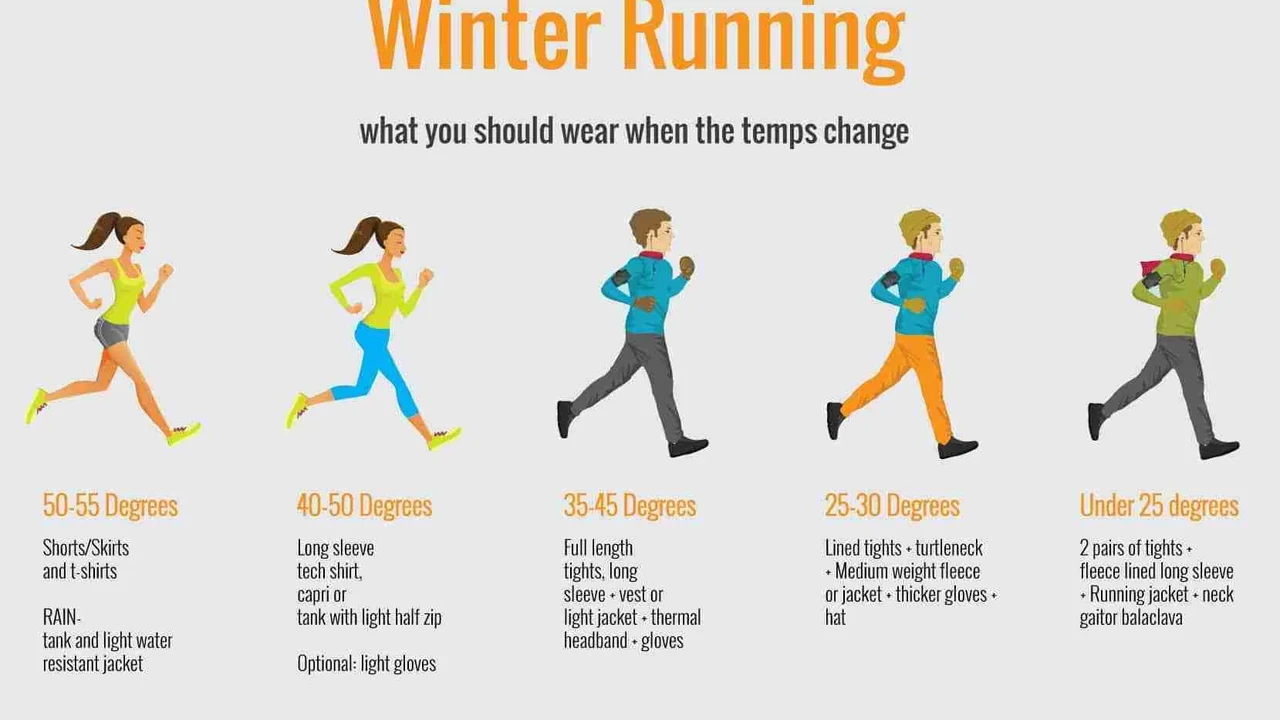
Your clothing should be comfortable, breathable, and allow for a full range of motion. Avoid cotton, which absorbs sweat and can become heavy and uncomfortable. Opt for moisture-wicking fabrics like polyester or merino wool. Consider the weather conditions when choosing your apparel. In warmer weather, wear lightweight shorts and a tank top. In colder weather, layer your clothing with a base layer, a mid-layer, and a windproof jacket.
Essential Accessories Enhancing Your Jogging Experience
A few essential accessories can further enhance your jogging experience. A running watch can track your distance, pace, and heart rate. A water bottle or hydration pack is essential for staying hydrated, especially during longer runs. A hat or visor can protect you from the sun. And a pair of sunglasses can shield your eyes from glare. Don't forget sunscreen to protect your skin from harmful UV rays.
Product Recommendation: Consider the Garmin Forerunner 245 Music. This running watch offers a wealth of features, including GPS tracking, heart rate monitoring, music storage, and advanced running dynamics. Use Case: Ideal for tracking your runs, monitoring your fitness progress, and listening to music without needing your phone. Product Comparison: Compared to the Apple Watch Series 7, the Forerunner 245 Music offers longer battery life and more focused running features. Compared to the Fitbit Versa 3, the Forerunner 245 Music provides more accurate GPS tracking and more detailed running data. Details: Available in various colors. Pricing typically ranges from $300-$350.
Mastering Jogging Techniques Improving Your Form and Efficiency
Proper jogging technique can improve your efficiency, reduce your risk of injury, and make your runs more enjoyable. Let's delve into the key elements of good running form.
Maintaining Proper Posture Aligning Your Body for Optimal Performance
Stand tall with your head up, shoulders relaxed, and core engaged. Avoid slouching or leaning forward. Your gaze should be focused a few feet ahead of you. Proper posture allows for efficient breathing and reduces strain on your back and joints.
Perfecting Your Stride Length Finding Your Natural Rhythm
Your stride length should feel natural and comfortable. Avoid overstriding, which can lead to injuries. Aim for a shorter, quicker stride. Your feet should land underneath your hips, not out in front of you.
Arm Swing Optimizing Your Upper Body Movement
Your arms should swing forward and backward, not across your body. Keep your elbows bent at a 90-degree angle. Your arm swing should be relaxed and natural. Proper arm swing helps propel you forward and maintain balance.
Foot Strike Minimizing Impact and Maximizing Efficiency
Ideally, you should aim for a midfoot strike, where your foot lands flat on the ground. Avoid heel striking, which can put excessive stress on your joints. A midfoot strike helps absorb impact and propel you forward more efficiently.
Crafting a Jogging Plan Tailoring Your Approach to Your Goals
A well-structured jogging plan is essential for achieving your fitness goals and preventing injuries. Let's explore how to create a plan that's tailored to your individual needs and abilities.
Setting Realistic Goals Defining Your Objectives and Motivations
Before you start jogging, it's important to set realistic goals. What do you hope to achieve? Do you want to lose weight, improve your cardiovascular health, or simply enjoy the outdoors? Be specific and measurable. For example, instead of saying "I want to get in shape," say "I want to be able to run a 5k in 30 minutes."
Assessing Your Fitness Level Evaluating Your Current Capabilities
It's crucial to assess your current fitness level before starting a jogging program. If you're completely new to exercise, start slowly and gradually increase your mileage. If you're already active, you can start at a higher level. Listen to your body and don't push yourself too hard, especially in the beginning.
Developing a Weekly Schedule Structuring Your Runs for Consistent Progress
Create a weekly schedule that incorporates a variety of runs. Include easy runs, long runs, and interval training. Easy runs should be at a conversational pace, where you can comfortably hold a conversation. Long runs should be longer in distance and at a slower pace. Interval training involves alternating between high-intensity bursts and periods of rest or low-intensity activity.
The Importance of Rest and Recovery Allowing Your Body to Rebuild
Rest and recovery are just as important as the runs themselves. Your body needs time to rebuild and repair after exercise. Aim for at least one rest day per week. Get plenty of sleep, eat a healthy diet, and consider incorporating active recovery activities like yoga or stretching.
Fueling Your Jogging Performance Optimizing Your Nutrition
Proper nutrition is essential for fueling your jogging performance and recovering effectively. Let's explore the key nutritional considerations for runners.
Hydration Staying Properly Hydrated for Optimal Performance
Hydration is crucial for maintaining performance and preventing dehydration. Drink plenty of water throughout the day, especially before, during, and after your runs. Consider carrying a water bottle with you on longer runs. Sports drinks can also be helpful for replenishing electrolytes, especially during hot weather or intense workouts.
Carbohydrates Providing Energy for Your Runs
Carbohydrates are the primary source of energy for runners. Choose complex carbohydrates like whole grains, fruits, and vegetables. Avoid processed carbohydrates like sugary drinks and pastries. Consume carbohydrates before, during, and after your runs to fuel your muscles and replenish glycogen stores.
Protein Repairing and Rebuilding Muscle Tissue
Protein is essential for repairing and rebuilding muscle tissue. Choose lean protein sources like chicken, fish, beans, and tofu. Consume protein after your runs to help your muscles recover.
Fats Supporting Overall Health and Energy Production
Fats are important for overall health and energy production. Choose healthy fats like avocados, nuts, and olive oil. Avoid saturated and trans fats. Consume fats in moderation as part of a balanced diet.
Preventing Jogging Injuries Staying Safe and Injury-Free
Injuries are a common concern for runners. However, with proper precautions, you can significantly reduce your risk of injury. Let's explore some key strategies for staying safe and injury-free.
Warming Up Preparing Your Body for Exercise
Always warm up before each run. A proper warm-up prepares your muscles for exercise and reduces your risk of injury. Include dynamic stretches like leg swings, arm circles, and torso twists.
Cooling Down Promoting Recovery and Reducing Muscle Soreness
Cool down after each run. A cool-down helps your body gradually return to its resting state and reduces muscle soreness. Include static stretches like hamstring stretches, calf stretches, and quadriceps stretches.
Stretching Maintaining Flexibility and Range of Motion
Stretching is essential for maintaining flexibility and range of motion. Stretch regularly, even on your rest days. Focus on stretching the muscles that are commonly used in running, such as your hamstrings, calves, and hip flexors.
Listening to Your Body Recognizing and Responding to Pain
Listen to your body and don't ignore pain. If you experience pain, stop running and rest. If the pain persists, consult with a doctor or physical therapist. Ignoring pain can lead to more serious injuries.
Gradual Progression Avoiding Overexertion and Overtraining
Increase your mileage gradually. Avoid increasing your mileage by more than 10% per week. Overtraining can lead to injuries and burnout. Allow your body time to adapt to the increased workload.
Jogging in Different Weather Conditions Adapting to Environmental Challenges
Jogging can be enjoyed in a variety of weather conditions, but it's important to adapt your approach to stay safe and comfortable. Let's explore how to jog in different weather conditions.
Jogging in Hot Weather Staying Cool and Hydrated
Jogging in hot weather can be challenging. Stay hydrated by drinking plenty of water before, during, and after your runs. Wear lightweight, breathable clothing. Run in the early morning or late evening when the temperature is cooler. Consider running on a treadmill indoors if the heat is unbearable.
Jogging in Cold Weather Staying Warm and Protected
Jogging in cold weather requires proper layering. Wear a base layer to wick away sweat, a mid-layer for insulation, and a windproof jacket to protect you from the elements. Cover your head, hands, and feet to prevent heat loss. Be aware of ice and snow, and choose your route accordingly.
Jogging in Rainy Weather Staying Safe and Dry
Jogging in the rain can be invigorating, but it's important to stay safe. Wear waterproof clothing and shoes. Be aware of slippery surfaces. Consider running on a treadmill indoors if the rain is heavy or the conditions are dangerous.
Jogging in Windy Weather Protecting Yourself from the Elements
Jogging in windy weather can be challenging. Dress in layers to protect yourself from the wind chill. Run into the wind for the first half of your run and with the wind for the second half. Be aware of falling debris, such as tree branches.
Exploring Different Jogging Routes Discovering New Landscapes
One of the joys of jogging is exploring different routes and discovering new landscapes. Let's explore some ideas for finding new and exciting places to run.
Road Running Finding Safe and Scenic Routes
Road running is a convenient option for many runners. Choose routes with sidewalks or bike paths. Be aware of traffic and follow traffic laws. Look for scenic routes with interesting landmarks.
Trail Running Connecting with Nature and Challenging Yourself
Trail running offers a more challenging and rewarding experience. Choose trails that are appropriate for your fitness level. Be aware of uneven terrain and obstacles. Enjoy the beauty of nature.
Track Running Improving Speed and Endurance
Track running is a great way to improve your speed and endurance. Tracks are typically flat and offer a consistent surface. Use track workouts to focus on specific training goals.
Park Running Enjoying Green Spaces and Fresh Air
Park running offers a peaceful and refreshing experience. Choose parks with paved or unpaved trails. Enjoy the scenery and the fresh air.
Maintaining Motivation Staying Committed to Your Jogging Journey
Staying motivated can be challenging, especially when you're first starting out. Let's explore some strategies for maintaining motivation and staying committed to your jogging journey.
Finding a Running Buddy Accountability and Support
Running with a friend can provide accountability and support. Find a running buddy who shares your goals and fitness level. Encourage each other and celebrate your successes.
Joining a Running Club Community and Camaraderie
Joining a running club can provide a sense of community and camaraderie. Running clubs often offer group runs, training programs, and social events.
Tracking Your Progress Monitoring Your Improvements
Tracking your progress can help you stay motivated. Use a running app or a journal to record your runs, distances, and times. Monitor your improvements and celebrate your achievements.
Rewarding Yourself Celebrating Your Accomplishments
Reward yourself for achieving your goals. Treat yourself to a new pair of running shoes, a massage, or a weekend getaway. Celebrating your accomplishments can help you stay motivated.
Setting New Goals Continuously Challenging Yourself
Set new goals regularly to keep yourself challenged. Once you've achieved a goal, set a new one. Continuously challenging yourself can help you stay motivated and engaged.
Jogging for Weight Loss Achieving Your Fitness Goals
Jogging is an excellent way to lose weight and improve your overall fitness. Let's explore how to use jogging effectively for weight loss.
Burning Calories Creating a Calorie Deficit
Jogging burns a significant number of calories. To lose weight, you need to create a calorie deficit, meaning you need to burn more calories than you consume. Combine jogging with a healthy diet to maximize your weight loss results.
Increasing Metabolism Boosting Your Body's Fat-Burning Capacity
Jogging can help increase your metabolism, which is the rate at which your body burns calories. A higher metabolism makes it easier to lose weight and maintain a healthy weight.
Building Muscle Mass Improving Your Body Composition
Jogging can help build muscle mass, which can further boost your metabolism and improve your body composition. Muscle tissue burns more calories than fat tissue, even at rest.
Reducing Stress Lowering Cortisol Levels
Jogging can help reduce stress levels, which can lower cortisol levels. Cortisol is a hormone that can promote fat storage, especially in the abdominal area. Reducing stress can help you lose weight and improve your overall health.
Improving Sleep Quality Enhancing Recovery and Weight Management
Jogging can improve your sleep quality, which is essential for recovery and weight management. Getting enough sleep can help regulate your appetite and prevent overeating.
Advanced Jogging Techniques Taking Your Running to the Next Level
Once you've mastered the basics of jogging, you can explore advanced techniques to take your running to the next level. Let's explore some advanced techniques for experienced runners.
Interval Training Maximizing Speed and Endurance
Interval training involves alternating between high-intensity bursts and periods of rest or low-intensity activity. This technique can significantly improve your speed and endurance.
Tempo Runs Sustained Effort at a Challenging Pace
Tempo runs involve running at a comfortably hard pace for a sustained period of time. This technique can improve your lactate threshold, which is the point at which your body starts to accumulate lactic acid.
Hill Training Building Strength and Power
Hill training involves running uphill. This technique can build strength and power in your legs and improve your cardiovascular fitness.
Fartlek Training Varying Your Pace and Intensity
Fartlek training involves varying your pace and intensity throughout your run. This technique can improve your speed, endurance, and overall fitness.
Strength Training Complementing Your Running with Resistance Exercises
Strength training can complement your running by building strength and stability in your muscles. Focus on exercises that target your legs, core, and upper body.
The Mental Benefits of Jogging Enhancing Your Well-Being
Jogging offers a wealth of mental benefits, including stress reduction, mood improvement, and increased self-esteem. Let's explore the mental benefits of jogging in more detail.
Stress Reduction Lowering Anxiety and Tension
Jogging can help reduce stress levels by lowering anxiety and tension. Exercise releases endorphins, which have mood-boosting effects.
Mood Improvement Combating Depression and Enhancing Happiness
Jogging can improve your mood and combat depression. Exercise can increase levels of serotonin, a neurotransmitter that regulates mood.
Increased Self-Esteem Boosting Confidence and Self-Worth
Jogging can increase your self-esteem by boosting confidence and self-worth. Achieving your fitness goals can make you feel proud of yourself and your accomplishments.
Improved Cognitive Function Enhancing Memory and Focus
Jogging can improve your cognitive function by enhancing memory and focus. Exercise increases blood flow to the brain, which can improve cognitive performance.
Connection with Nature Appreciating the Outdoors and Finding Peace
Jogging outdoors can provide a connection with nature, which can be incredibly therapeutic. Appreciating the outdoors and finding peace can help reduce stress and improve your overall well-being.
Jogging and Mindfulness Cultivating Present Moment Awareness
Combining jogging with mindfulness can enhance your experience and promote present moment awareness. Let's explore how to incorporate mindfulness into your jogging routine.
Focusing on Your Breath Paying Attention to Your Inhale and Exhale
Focus on your breath as you jog. Pay attention to your inhale and exhale. This can help you stay present and grounded.
Observing Your Surroundings Noticing the Details of Your Environment
Observe your surroundings as you jog. Notice the details of your environment, such as the trees, the birds, and the people you pass. This can help you appreciate the beauty of the world around you.
Accepting Your Thoughts and Feelings Without Judgment
Accept your thoughts and feelings as they arise, without judgment. Don't try to control your thoughts or push them away. Simply observe them and let them pass.
Being Present in the Moment Fully Engaging in the Activity
Be present in the moment as you jog. Fully engage in the activity and let go of distractions. This can help you experience the joy and satisfaction of running.
Gratitude Appreciating Your Body and Your Ability to Move
Practice gratitude as you jog. Appreciate your body and your ability to move. This can help you cultivate a positive mindset and enhance your overall well-being.
The Future of Jogging Embracing Innovation and Technology
The future of jogging is bright, with ongoing innovations and advancements in technology. Let's explore some of the exciting developments that are shaping the future of running.
Wearable Technology Tracking Performance and Providing Feedback
Wearable technology, such as running watches and fitness trackers, is becoming increasingly sophisticated. These devices can track your performance, provide feedback, and help you optimize your training.
Virtual Reality Running Immersive Experiences and Personalized Training
Virtual reality running is an emerging technology that offers immersive experiences and personalized training. VR headsets can transport you to different environments and provide real-time feedback on your form and performance.
Artificial Intelligence Personalized Training Plans and Injury Prevention
Artificial intelligence is being used to create personalized training plans and predict injury risk. AI algorithms can analyze your data and provide tailored recommendations to help you achieve your goals and stay healthy.
Sustainable Running Gear Eco-Friendly Materials and Ethical Production
Sustainable running gear is becoming increasingly popular. Brands are using eco-friendly materials and ethical production practices to create running shoes and apparel that are better for the planet.
Community and Social Running Connecting with Others and Sharing Your Passion
Community and social running are becoming more important than ever. Online platforms and running clubs are connecting runners from around the world and providing opportunities to share their passion and support each other.
:max_bytes(150000):strip_icc()/277019-baked-pork-chops-with-cream-of-mushroom-soup-DDMFS-beauty-4x3-BG-7505-5762b731cf30447d9cbbbbbf387beafa.jpg)