The Role of Nutrition in Jogging Performance

Understanding the Fundamentals of Jogging Techniques
So, you're lacing up your shoes and hitting the pavement? Fantastic! But are you really maximizing your jogging potential? It's not just about putting one foot in front of the other. Understanding the fundamentals of jogging techniques can dramatically improve your performance, reduce your risk of injury, and make the whole experience more enjoyable. We're talking about everything from your posture to your foot strike – the little details that add up to big results.
Posture Perfect Aligning Your Body for Optimal Jogging
Think of your body as a well-oiled machine. If one part is out of alignment, the whole system suffers. Good posture is crucial for efficient jogging. Imagine a straight line running from your ear, through your shoulder, hip, and down to your ankle. Keep your head up, eyes looking forward, and avoid slouching. Engage your core muscles to maintain stability and prevent lower back pain. A slight lean forward from the ankles is acceptable, but avoid bending at the waist.
Foot Strike Finding Your Ideal Landing Zone
Foot strike is a hot topic in the jogging world. Should you be landing on your heel, midfoot, or forefoot? The answer isn't always straightforward and depends on your individual biomechanics and running style. However, generally speaking, a midfoot strike is often recommended as it helps to distribute impact more evenly and reduce stress on your joints. Heel striking can lead to increased impact on your knees and hips, while forefoot striking can put more strain on your calf muscles and Achilles tendon. Experiment to find what feels most natural and comfortable for you.
Arm Swing Mastering the Upper Body Motion
Don't underestimate the power of your arm swing! It's not just about flailing your arms around. A proper arm swing can help to propel you forward and maintain balance. Keep your elbows bent at a 90-degree angle and swing your arms forward and back, not across your body. Avoid clenching your fists, as this can create tension in your shoulders and neck. Relax your hands and let your arms swing naturally from your shoulders.
Cadence Optimizing Your Steps Per Minute
Cadence, or steps per minute, is another important factor to consider. A higher cadence (around 170-180 steps per minute) is often associated with reduced impact and improved efficiency. However, don't try to drastically increase your cadence overnight. Gradually increase it over time, focusing on taking shorter, quicker steps. Think of it like playing a faster drumbeat – your legs should be moving with a quick, light rhythm.
Common Jogging Technique Mistakes to Avoid
Even experienced joggers can fall into bad habits. Recognizing and correcting these common mistakes can significantly improve your performance and prevent injuries.
Overstriding Reaching Too Far with Your Stride
Overstriding is one of the most common jogging mistakes. It occurs when you reach too far forward with your stride, landing with your heel in front of your body. This can put excessive stress on your knees and hips. Focus on landing your foot underneath your body, rather than in front of it. Shortening your stride and increasing your cadence can help to correct this issue.
Slouching Maintaining an Upright Posture
We mentioned posture earlier, but it's worth reiterating. Slouching not only looks bad but also restricts your breathing and puts unnecessary strain on your back. Imagine a string pulling you up from the crown of your head, maintaining a tall, upright posture. Engage your core muscles to support your spine and prevent slouching.
Looking Down Keeping Your Eyes on the Horizon
Looking down at the ground can strain your neck and throw off your balance. Keep your eyes focused on the horizon, about 10-20 feet ahead of you. This will help you maintain a more natural and efficient posture.
Tensing Up Relaxing Your Shoulders and Face
Tension is the enemy of efficient jogging. Many people unconsciously tense their shoulders, neck, and face while running. Consciously relax these muscles. Shake out your arms and shoulders periodically to release any built-up tension. A relaxed face is a fast face!
Advanced Jogging Techniques for Performance Enhancement
Once you've mastered the fundamentals, you can start experimenting with advanced techniques to further improve your performance.
Hill Work Building Strength and Endurance
Hill work is a fantastic way to build strength and endurance. Running uphill engages your leg muscles more intensely, helping to improve your power and speed. Find a hill that is moderately steep and run up it at a challenging but sustainable pace. Walk or jog slowly back down to recover. Repeat this several times.
Interval Training Boosting Your Speed and Stamina
Interval training involves alternating between periods of high-intensity running and periods of rest or low-intensity jogging. This type of training can significantly improve your speed and stamina. For example, you could run at a fast pace for 400 meters, followed by a slow jog for 400 meters, and repeat this several times.
Fartlek Training Adding Variety to Your Runs
Fartlek training, which is Swedish for "speed play," is a more unstructured form of interval training. It involves varying your pace and intensity throughout your run, based on how you feel. For example, you might sprint to a lamppost, then jog to the next one, then run at a moderate pace for a few minutes, and so on. This type of training can add variety and excitement to your runs.
Strength Training Supporting Your Jogging
Strength training is essential for preventing injuries and improving your running performance. Focus on exercises that strengthen your core, legs, and glutes. Squats, lunges, planks, and calf raises are all excellent choices. Aim to incorporate strength training into your routine 2-3 times per week.
The Importance of Proper Footwear for Jogging
Your shoes are your most important piece of jogging equipment. Choosing the right shoes can make a huge difference in your comfort, performance, and risk of injury.
Understanding Different Types of Running Shoes
There are many different types of running shoes available, each designed for specific purposes. Some common types include:
- Neutral shoes: These shoes are designed for runners with a neutral gait, meaning that their feet don't pronate (roll inward) excessively.
- Stability shoes: These shoes are designed for runners who overpronate. They provide extra support and control to help prevent excessive pronation.
- Motion control shoes: These shoes provide the most support and control and are designed for runners with severe overpronation.
- Trail shoes: These shoes are designed for running on uneven terrain, such as trails and dirt roads. They typically have more aggressive tread and provide more protection from rocks and roots.
Choosing the Right Shoe for Your Foot Type
The best way to choose the right shoe for your foot type is to visit a specialty running store and have your gait analyzed. A knowledgeable salesperson can assess your pronation and recommend shoes that are appropriate for your needs. You can also try the "wet foot test" at home. Wet your foot and step onto a piece of paper. The shape of your footprint can give you an indication of your arch type and pronation.
Recommended Running Shoe Brands and Models
Here are a few highly recommended running shoe brands and models:
- Brooks: Brooks is known for its comfortable and durable running shoes. The Brooks Glycerin and Brooks Adrenaline GTS are popular choices.
- Saucony: Saucony is another popular brand that offers a wide range of running shoes. The Saucony Kinvara and Saucony Triumph are well-regarded models.
- Asics: Asics is known for its gel cushioning technology, which provides excellent shock absorption. The Asics Gel-Kayano and Asics Gel-Nimbus are popular choices.
- New Balance: New Balance offers a variety of running shoes, including models with wide widths. The New Balance 880 and New Balance 1080 are well-regarded models.
Gear and Accessories to Enhance Your Jogging Experience
Beyond shoes, there are a variety of gear and accessories that can enhance your jogging experience.
Running Apparel Choosing Comfortable and Functional Clothing
Choose clothing that is comfortable, breathable, and moisture-wicking. Avoid cotton, which can become heavy and uncomfortable when wet. Look for synthetic fabrics like polyester and nylon. In cold weather, dress in layers to stay warm and dry. Consider running tights, long-sleeved shirts, and a hat and gloves.
Hydration Packs and Bottles Staying Hydrated on the Go
Staying hydrated is crucial, especially on longer runs. Consider using a hydration pack or carrying a water bottle. Hydration packs allow you to carry a larger volume of water and distribute the weight more evenly. Water bottles are a more convenient option for shorter runs.
Fitness Trackers and Smartwatches Monitoring Your Progress
Fitness trackers and smartwatches can help you monitor your progress and track your performance. They can track your distance, pace, heart rate, and calories burned. Some models also offer GPS tracking and advanced features like interval training timers.
Product Recommendation: Garmin Forerunner 245
The Garmin Forerunner 245 is a highly recommended fitness tracker for joggers. It offers a wide range of features, including GPS tracking, heart rate monitoring, advanced running dynamics, and music storage. It's also lightweight and comfortable to wear. Learn more on Garmin's website.
Use Cases for the Garmin Forerunner 245
- Tracking distance, pace, and heart rate: The Forerunner 245 accurately tracks your distance, pace, and heart rate during your runs, providing you with valuable data to monitor your progress.
- Planning and executing interval training workouts: The Forerunner 245 allows you to plan and execute interval training workouts with ease. You can set up custom intervals and receive alerts when it's time to switch between high-intensity and low-intensity periods.
- Listening to music without your phone: The Forerunner 245 Music model allows you to store up to 500 songs on your watch, so you can listen to music without having to carry your phone.
- Analyzing your running dynamics: The Forerunner 245 provides advanced running dynamics data, such as cadence, stride length, and ground contact time, which can help you improve your running form.
Garmin Forerunner 245 vs. Fitbit Versa 3
The Garmin Forerunner 245 and the Fitbit Versa 3 are both popular fitness trackers, but they are designed for different purposes. The Forerunner 245 is geared towards serious runners, while the Versa 3 is a more general-purpose fitness tracker. The Forerunner 245 offers more advanced running features, such as running dynamics and interval training timers, while the Versa 3 offers features like sleep tracking and stress monitoring. The Forerunner 245 also has a longer battery life than the Versa 3.
Garmin Forerunner 245 Pricing and Availability
The Garmin Forerunner 245 typically retails for around $300-$350. The Forerunner 245 Music model, which includes music storage, typically retails for around $350-$400. You can find the Forerunner 245 at most major retailers, including Amazon, Best Buy, and REI.
Headphones Listening to Music or Podcasts While Jogging
Listening to music or podcasts can make your runs more enjoyable. Choose headphones that are comfortable, sweat-resistant, and stay in place while you're running. Consider wireless headphones for added convenience.
Nutrition and Hydration Fueling Your Jogging Performance
What you eat and drink can have a significant impact on your jogging performance.
Pre-Run Nutrition Fueling Up for Success
Before a run, focus on consuming easily digestible carbohydrates to fuel your muscles. Good options include a banana, a slice of toast with peanut butter, or a small bowl of oatmeal. Avoid eating heavy, greasy foods before running, as they can cause stomach upset.
During-Run Nutrition Maintaining Energy Levels
For runs longer than an hour, consider consuming some carbohydrates during your run to maintain energy levels. Energy gels, chews, or sports drinks are convenient options. Experiment to find what works best for you.
Post-Run Nutrition Replenishing Your Body
After a run, focus on replenishing your glycogen stores and repairing muscle damage. Consume a combination of carbohydrates and protein within 30-60 minutes of finishing your run. Good options include a protein shake, a yogurt with fruit, or a chicken breast with rice.
Injury Prevention Staying Healthy and on the Road
Preventing injuries is crucial for staying healthy and on the road. Here are a few tips to help you avoid common jogging injuries.
Warm-Up and Cool-Down Preparing Your Body for Exercise
Always warm up before your runs and cool down afterward. A warm-up prepares your muscles for exercise, while a cool-down helps to prevent muscle soreness. A good warm-up might include light cardio, such as jogging in place, and dynamic stretching, such as leg swings and arm circles. A good cool-down might include static stretching, such as holding a hamstring stretch or a calf stretch.
Stretching Maintaining Flexibility and Range of Motion
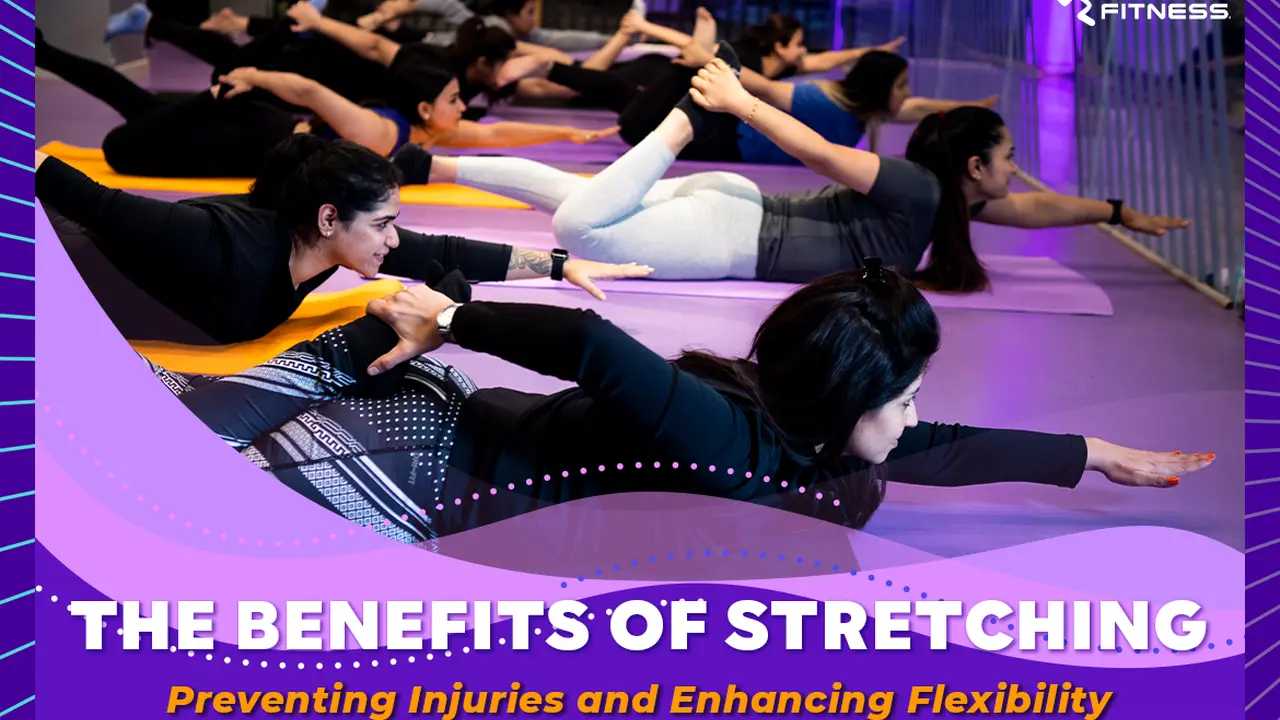
Stretching is important for maintaining flexibility and range of motion. Focus on stretching the muscles that are commonly used in jogging, such as your hamstrings, calves, quads, and hip flexors. Hold each stretch for 20-30 seconds.
Proper Rest and Recovery Allowing Your Body to Heal
Rest and recovery are just as important as training. Allow your body adequate time to heal and rebuild after your runs. Get enough sleep, eat a healthy diet, and avoid overtraining.
Listening to Your Body Recognizing and Addressing Pain
Pay attention to your body and listen to any pain signals. Don't try to push through pain. If you experience pain, stop running and rest. If the pain persists, see a doctor or physical therapist.
Jogging in Different Environments Adapting to Various Conditions
Jogging can be enjoyed in a variety of environments. Here's how to adapt your techniques to different conditions.
Road Running Staying Safe on Pavement
When running on roads, be aware of traffic and follow traffic laws. Run on the sidewalk or shoulder whenever possible. Wear bright clothing and reflective gear, especially when running in low-light conditions.
Trail Running Navigating Uneven Terrain
Trail running can be a challenging but rewarding experience. Choose trail shoes with good traction and ankle support. Be aware of your surroundings and watch out for obstacles such as rocks, roots, and mud. Consider using a hiking stick for added stability.
Treadmill Running Adjusting Your Technique
Treadmill running can be a convenient option, especially when the weather is bad. Adjust your technique slightly to compensate for the lack of wind resistance. Shorten your stride and increase your cadence. Avoid holding onto the handrails, as this can throw off your posture.
Mental Strategies for Successful Jogging
Jogging is not just a physical activity; it's also a mental one. Here are a few mental strategies to help you stay motivated and achieve your goals.
Setting Realistic Goals Staying Motivated and Focused
Set realistic goals that are challenging but achievable. Start small and gradually increase your distance and intensity. Having clear goals can help you stay motivated and focused.
Visualization Imagining Success
Visualization is a powerful tool that can help you improve your performance. Before a run, visualize yourself running strong and effortlessly. Imagine yourself achieving your goals.
Positive Self-Talk Encouraging Yourself
Replace negative thoughts with positive self-talk. Encourage yourself and remind yourself of your accomplishments. Believe in yourself and your ability to succeed.
Mindfulness Staying Present in the Moment
Practice mindfulness by focusing on the present moment. Pay attention to your breath, your body, and your surroundings. Avoid getting caught up in negative thoughts or worrying about the future.
The Social Aspects of Jogging Connecting with Others
Jogging can be a social activity as well as a solitary one. Connecting with other joggers can provide support, motivation, and camaraderie.
Joining a Running Club Finding a Supportive Community
Joining a running club is a great way to connect with other joggers. Running clubs typically offer group runs, training programs, and social events. They can provide a supportive and encouraging community.
Running with Friends Sharing the Experience
Running with friends can make your runs more enjoyable and motivating. You can encourage each other, share stories, and celebrate your accomplishments.
Participating in Races Challenging Yourself and Celebrating Success
Participating in races is a great way to challenge yourself and celebrate your success. Races can range from 5Ks to marathons. They provide a goal to train for and a chance to test your limits.
Staying Motivated Long-Term Enjoying the Journey
Staying motivated long-term is essential for making jogging a sustainable part of your lifestyle. Here are a few tips to help you stay motivated and enjoy the journey.
Varying Your Routes Keeping Things Interesting
Vary your routes to keep things interesting. Explore new neighborhoods, parks, and trails. Changing your scenery can help to prevent boredom and keep you motivated.
Tracking Your Progress Seeing How Far You've Come
Track your progress and celebrate your accomplishments. Use a fitness tracker or a running log to record your distance, pace, and other metrics. Seeing how far you've come can be a great motivator.
Rewarding Yourself Celebrating Milestones
Reward yourself for achieving your goals. Treat yourself to a new pair of running shoes, a massage, or a healthy meal. Celebrating milestones can help you stay motivated and focused.
Remembering Why You Started Focusing on the Benefits
Remember why you started jogging in the first place. Focus on the benefits of jogging, such as improved health, increased energy, and reduced stress. Reminding yourself of these benefits can help you stay motivated when you're feeling discouraged.
:max_bytes(150000):strip_icc()/277019-baked-pork-chops-with-cream-of-mushroom-soup-DDMFS-beauty-4x3-BG-7505-5762b731cf30447d9cbbbbbf387beafa.jpg)