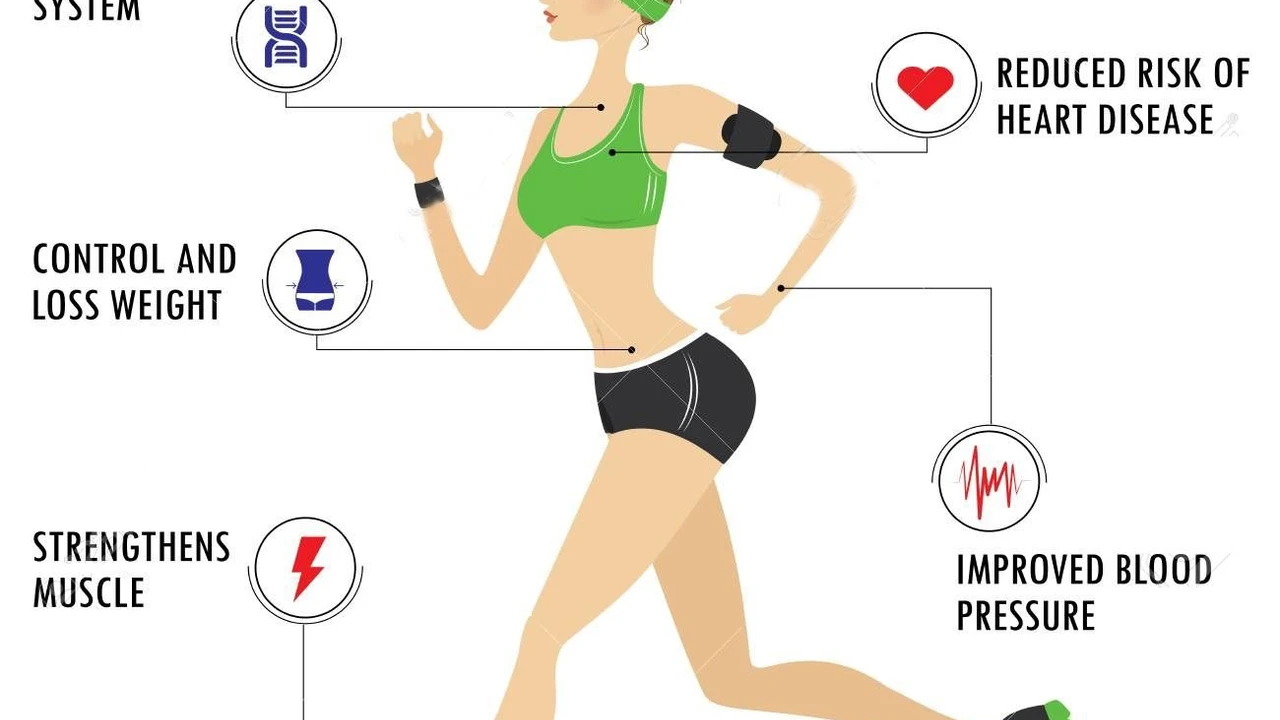
The Role of Fiber in Weight Loss and Jogging
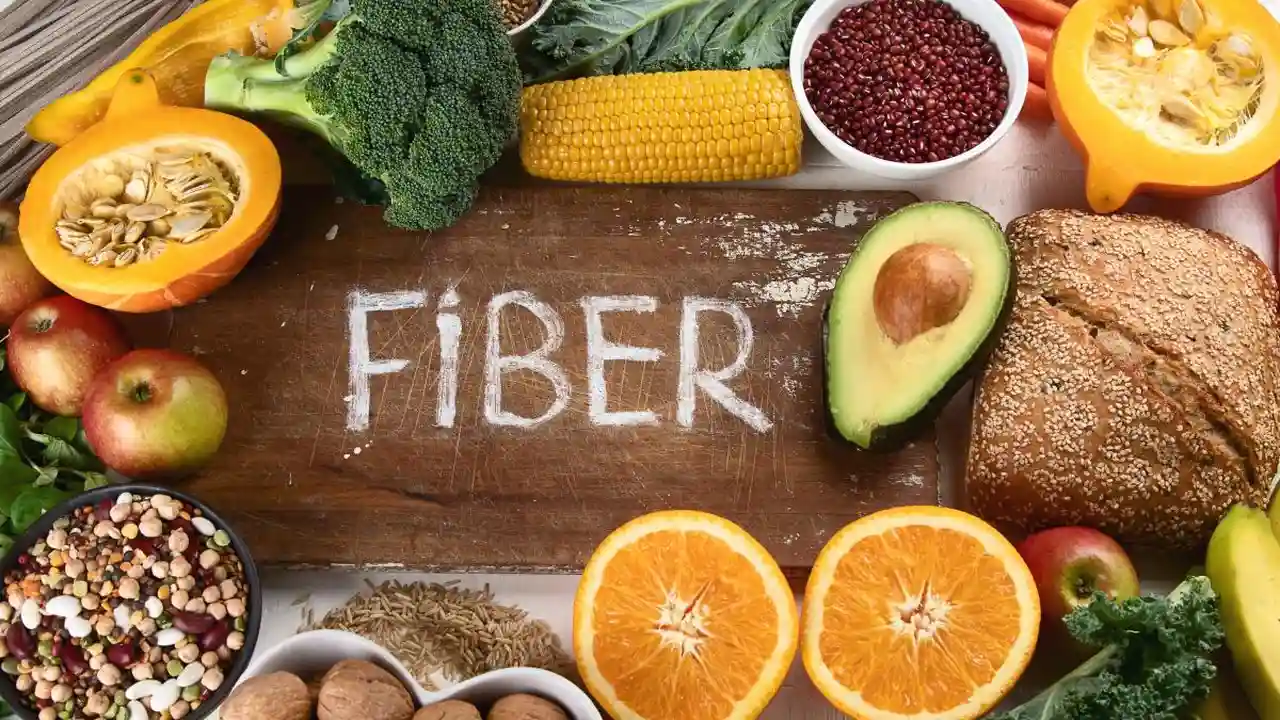
Understanding Fiber and Its Impact on Weight Management
Let's dive into the world of fiber, a nutritional powerhouse that plays a significant role in weight loss and overall health, particularly when combined with activities like jogging. But what exactly is fiber? Simply put, it's a type of carbohydrate that your body can't digest. This indigestibility is actually what makes it so beneficial for weight management and various other bodily functions.
There are two main types of fiber: soluble and insoluble. Soluble fiber dissolves in water, forming a gel-like substance that can help lower cholesterol and blood sugar levels. Think of oats, beans, and apples. Insoluble fiber, on the other hand, doesn't dissolve in water and adds bulk to your stool, promoting regularity and preventing constipation. Whole wheat bread, vegetables, and wheat bran are excellent sources of insoluble fiber.
Now, how does fiber contribute to weight loss? Several mechanisms are at play. First, fiber makes you feel fuller for longer. Because it's not digested, it takes up space in your stomach, signaling to your brain that you're satisfied. This can lead to reduced calorie intake throughout the day. Second, fiber can slow down the absorption of sugar into your bloodstream, preventing spikes in blood sugar levels that can lead to cravings and weight gain. Third, some types of fiber can bind to fat molecules in the digestive tract, preventing them from being absorbed by the body.
Jogging and Fiber A Synergistic Approach to Weight Loss
Combining jogging with a high-fiber diet can be a remarkably effective strategy for weight loss. Jogging burns calories, boosts metabolism, and improves cardiovascular health. When coupled with the appetite-suppressing and blood sugar-regulating effects of fiber, you create a powerful synergy that promotes sustainable weight loss.
Think about it: you go for a jog, burning calories and feeling energized. Afterward, you consume a meal rich in fiber, like a whole-grain salad with plenty of vegetables and lean protein. The fiber helps you feel full and satisfied, preventing you from overeating later in the day. The sustained energy release from the complex carbohydrates in the whole grains keeps you feeling good and motivated to continue your healthy lifestyle.
Furthermore, jogging can improve your body's sensitivity to insulin, a hormone that helps regulate blood sugar levels. This improved insulin sensitivity, combined with the blood sugar-regulating effects of fiber, can help prevent insulin resistance, a condition that can contribute to weight gain and type 2 diabetes.
Incorporating Fiber Rich Foods into Your Jogging Diet Plan
So, how do you incorporate more fiber into your diet, especially when you're actively jogging? Here are some practical tips:
*Start your day with a high-fiber breakfast: Oatmeal with berries and nuts, whole-wheat toast with avocado, or a high-fiber smoothie are all excellent options.
*Choose whole grains over refined grains: Opt for whole-wheat bread, brown rice, quinoa, and whole-grain pasta instead of white bread, white rice, and refined pasta.
*Load up on fruits and vegetables: Aim for at least five servings of fruits and vegetables per day. Berries, apples, pears, broccoli, spinach, and carrots are all excellent sources of fiber.
*Add legumes to your meals: Beans, lentils, and peas are packed with fiber and protein, making them a great addition to soups, salads, and stews.
*Snack on nuts and seeds: Almonds, walnuts, chia seeds, and flaxseeds are all good sources of fiber and healthy fats.
*Read food labels: Pay attention to the fiber content of packaged foods and choose options that are high in fiber.
Fiber Supplements A Helpful Boost or Unnecessary Addition
While it's always best to get your fiber from whole foods, fiber supplements can be a helpful option for those who struggle to meet their daily fiber needs through diet alone. There are various types of fiber supplements available, including psyllium husk, methylcellulose, and wheat dextrin. Psyllium husk is a popular choice as it's a soluble fiber that can help lower cholesterol and improve regularity.
However, it's important to use fiber supplements with caution. Start with a low dose and gradually increase it to avoid digestive discomfort, such as bloating and gas. Also, be sure to drink plenty of water when taking fiber supplements, as they can absorb water and cause dehydration if you're not adequately hydrated.
Whether or not you need a fiber supplement depends on your individual dietary habits and fiber intake. If you're already consuming a diet rich in whole foods, you may not need a supplement. However, if you struggle to eat enough fruits, vegetables, and whole grains, a fiber supplement can be a convenient way to boost your fiber intake.
Comparing Fiber Supplements Psyllium Husk vs Methylcellulose vs Wheat Dextrin
Choosing the right fiber supplement can be tricky, given the variety available. Let's compare three popular options: psyllium husk, methylcellulose, and wheat dextrin.
*Psyllium Husk: This is a soluble fiber derived from the seeds of the Plantago ovata plant. It's highly effective at promoting regularity, lowering cholesterol, and controlling blood sugar levels. However, it can cause bloating and gas in some individuals. A popular brand is Metamucil.
*Methylcellulose: This is a synthetic fiber that's less likely to cause gas and bloating than psyllium husk. It works by adding bulk to the stool, promoting regularity. A common brand is Citrucel.
*Wheat Dextrin: This is a soluble fiber derived from wheat starch. It's generally well-tolerated and can be easily mixed into beverages and foods. However, it may not be as effective at lowering cholesterol as psyllium husk. A well-known brand is Benefiber.
The best choice for you will depend on your individual needs and preferences. If you're concerned about gas and bloating, methylcellulose or wheat dextrin may be better options. If you're looking for a supplement that can help lower cholesterol, psyllium husk may be the best choice. Always consult with your doctor or a registered dietitian before starting any new supplement regimen.
Recommended Fiber Rich Products and Their Specific Uses
Let's explore some specific products that can help you increase your fiber intake:
*Bob's Red Mill Rolled Oats: These are a classic source of soluble fiber, perfect for a hearty and healthy breakfast. Use them to make oatmeal, add them to smoothies, or incorporate them into baked goods. Use Case: A pre-jogging breakfast to provide sustained energy. Pricing: Approximately $4-5 per bag.
*Chia Seeds: These tiny seeds are packed with fiber, protein, and omega-3 fatty acids. Add them to smoothies, yogurt, or oatmeal, or use them to make chia seed pudding. Use Case: A post-jogging snack to replenish nutrients and promote satiety. Pricing: Approximately $8-10 per bag.
*Lentils: These legumes are a great source of fiber and protein, making them a versatile ingredient for soups, stews, and salads. Use Case: A hearty lunch or dinner option to keep you feeling full and energized. Pricing: Approximately $2-3 per bag.
*Broccoli: This cruciferous vegetable is rich in fiber, vitamins, and minerals. Steam it, roast it, or add it to stir-fries and salads. Use Case: A side dish with dinner to increase your fiber intake. Pricing: Approximately $2-3 per head.
*Metamucil (Psyllium Husk): A convenient way to supplement your fiber intake, especially if you struggle to get enough from food alone. Use Case: To promote regularity and lower cholesterol. Pricing: Approximately $20-25 per container.
Detailed Information on Fiber Content and Nutritional Value
To make informed choices about your fiber intake, it's helpful to understand the fiber content of various foods. Here's a breakdown of some common high-fiber foods:
*Oats (1/2 cup cooked): Approximately 4 grams of fiber.
*Chia Seeds (1 ounce): Approximately 10 grams of fiber.
*Lentils (1/2 cup cooked): Approximately 8 grams of fiber.
*Broccoli (1 cup cooked): Approximately 5 grams of fiber.
*Apple (1 medium): Approximately 4 grams of fiber.
*Pear (1 medium): Approximately 6 grams of fiber.
*Almonds (1 ounce): Approximately 3.5 grams of fiber.
*Black Beans (1/2 cup cooked): Approximately 7.5 grams of fiber.
*Whole Wheat Bread (1 slice): Approximately 2-4 grams of fiber.
*Avocado (1/2 medium): Approximately 5 grams of fiber.
In addition to fiber, these foods also provide a wealth of other essential nutrients, including vitamins, minerals, and antioxidants. For example, broccoli is rich in vitamin C and vitamin K, while almonds are a good source of vitamin E and magnesium. Aim for a variety of fiber-rich foods to ensure you're getting a well-rounded nutritional profile.
Potential Side Effects and How to Mitigate Them
While fiber is generally beneficial, it's important to be aware of potential side effects, especially when increasing your fiber intake rapidly. The most common side effects include bloating, gas, and abdominal discomfort. These symptoms occur because your gut bacteria need time to adjust to the increased fiber intake. To minimize these side effects, increase your fiber intake gradually over a period of several weeks, allowing your gut bacteria to adapt.
Another important tip is to drink plenty of water. Fiber absorbs water in the digestive tract, so it's crucial to stay hydrated to prevent constipation. Aim for at least eight glasses of water per day, especially when consuming high-fiber foods or taking fiber supplements.
In rare cases, excessive fiber intake can interfere with the absorption of certain minerals, such as iron and zinc. If you're concerned about this, consider taking a multivitamin or mineral supplement. However, it's always best to consult with your doctor or a registered dietitian before taking any supplements.
Expert Opinions on Fiber and Exercise Performance
What do the experts say about the role of fiber in exercise performance? Many nutritionists and sports dietitians emphasize the importance of a balanced diet that includes adequate fiber for optimal energy levels and recovery. Fiber helps regulate blood sugar levels, preventing energy crashes during workouts and providing sustained energy for longer periods of exercise.
Some experts also suggest that fiber can help reduce inflammation after exercise. High-intensity exercise can cause inflammation in the muscles, which can lead to soreness and delayed recovery. Fiber has anti-inflammatory properties that can help mitigate this inflammation and promote faster recovery.
However, it's important to note that consuming too much fiber right before a workout can lead to digestive discomfort and hinder performance. It's generally recommended to consume high-fiber meals several hours before exercise to allow for proper digestion.
The Long Term Benefits of a High Fiber Diet and Regular Jogging
The benefits of a high-fiber diet combined with regular jogging extend far beyond weight loss. This healthy lifestyle can significantly reduce your risk of chronic diseases, such as heart disease, type 2 diabetes, and certain types of cancer. Fiber helps lower cholesterol levels, regulate blood sugar levels, and promote healthy bowel movements, all of which contribute to overall health and well-being.
Regular jogging improves cardiovascular health, strengthens bones and muscles, and boosts mood. When combined with the nutritional benefits of a high-fiber diet, you create a powerful synergy that promotes a long and healthy life.
Think of it as an investment in your future. By prioritizing your health today, you're increasing your chances of enjoying a vibrant and active life for years to come. Small changes, such as incorporating more fiber into your diet and making time for regular jogging, can have a profound impact on your long-term health and well-being.
Debunking Myths About Fiber and Weight Loss
There are many myths surrounding fiber and weight loss. Let's debunk some of the most common ones:
*Myth: Fiber is only important for weight loss. Reality: Fiber is beneficial for overall health, regardless of your weight. It helps regulate blood sugar levels, lower cholesterol, and promote healthy bowel movements.
*Myth: All fiber is the same. Reality: There are two main types of fiber: soluble and insoluble. Each type has different benefits, so it's important to consume a variety of fiber-rich foods.
*Myth: You can eat as much as you want as long as it's high in fiber. Reality: While fiber can help you feel fuller for longer, it's still important to be mindful of your overall calorie intake. Overeating, even with high-fiber foods, can lead to weight gain.
*Myth: Fiber supplements are as good as whole foods. Reality: While fiber supplements can be helpful, they don't provide the same nutritional benefits as whole foods. Whole foods contain vitamins, minerals, and antioxidants that are essential for overall health.
*Myth: You need to drastically increase your fiber intake to see results. Reality: Even small increases in fiber intake can have a positive impact on your health and weight. Focus on making gradual changes to your diet and lifestyle.
Sample Meal Plans for Joggers Focused on High Fiber Intake
To help you incorporate more fiber into your diet, here are some sample meal plans for joggers:
Meal Plan 1:
*Breakfast: Oatmeal with berries, nuts, and a sprinkle of chia seeds.
*Lunch: Lentil soup with a whole-wheat roll.
*Dinner: Baked salmon with roasted broccoli and quinoa.
*Snacks: Apple with almond butter, a handful of almonds.
Meal Plan 2:
*Breakfast: High-fiber smoothie with spinach, banana, berries, and protein powder.
*Lunch: Salad with grilled chicken, black beans, corn, and avocado.
*Dinner: Stir-fry with brown rice, tofu, and plenty of vegetables.
*Snacks: Pear with cheese, a handful of walnuts.
Meal Plan 3:
*Breakfast: Whole-wheat toast with avocado and a poached egg.
*Lunch: Leftover stir-fry from dinner.
*Dinner: Chicken and vegetable skewers with brown rice.
*Snacks: Carrot sticks with hummus, a small bowl of berries.
Remember to adjust these meal plans to your individual needs and preferences. Experiment with different high-fiber foods and find what works best for you.
Tracking Your Fiber Intake Tips and Tools
Tracking your fiber intake can help you ensure that you're meeting your daily fiber goals. There are several ways to track your fiber intake:
*Food Diary: Keep a record of everything you eat and drink, and note the fiber content of each food. You can use a paper food diary or a food tracking app.
*Food Tracking Apps: Apps like MyFitnessPal, Lose It!, and Cronometer allow you to track your food intake and automatically calculate your fiber intake. These apps also provide valuable insights into your overall diet and nutrient intake.
*Online Nutrition Calculators: Websites like the USDA FoodData Central offer detailed nutritional information for a wide variety of foods, including fiber content.
Aim for at least 25-30 grams of fiber per day. However, individual fiber needs may vary depending on factors such as age, gender, and activity level. Consult with your doctor or a registered dietitian to determine your specific fiber needs.
Advanced Strategies for Optimizing Fiber Intake
Once you've established a baseline of adequate fiber intake, you can explore advanced strategies to optimize your fiber intake for even greater benefits:
*Fiber Cycling: This involves varying your fiber intake throughout the day or week. For example, you might consume more fiber on days when you're less active and less fiber on days when you're engaging in high-intensity exercise.
*Prebiotic Fiber: Focus on consuming prebiotic fiber, which nourishes the beneficial bacteria in your gut. Prebiotic fiber is found in foods like onions, garlic, leeks, asparagus, and bananas.
*Resistant Starch: Incorporate resistant starch into your diet. Resistant starch is a type of carbohydrate that resists digestion and acts like fiber in the gut. It's found in foods like cooked and cooled potatoes, rice, and green bananas.
These advanced strategies can help further improve your gut health and overall well-being.
The Psychological Benefits of Combining Fiber Rich Diet and Jogging
The benefits of combining a fiber-rich diet and jogging aren't just physical; they extend to your mental and emotional well-being as well. Regular exercise and a healthy diet can significantly improve your mood, reduce stress and anxiety, and boost self-esteem.
Jogging releases endorphins, which have mood-boosting effects. A high-fiber diet can also contribute to improved mood by stabilizing blood sugar levels and preventing energy crashes. Furthermore, the feeling of accomplishment that comes from taking care of your body can boost your self-esteem and confidence.
A healthy lifestyle can also improve your sleep quality, which is essential for mental and emotional well-being. Regular exercise can help you fall asleep faster and sleep more soundly, while a high-fiber diet can help regulate your digestive system and prevent nighttime disturbances.
Common Mistakes to Avoid When Increasing Fiber Intake
Here are some common mistakes to avoid when increasing your fiber intake:
*Increasing fiber intake too quickly: This can lead to digestive discomfort, such as bloating and gas. Increase your fiber intake gradually over a period of several weeks.
*Not drinking enough water: Fiber absorbs water in the digestive tract, so it's crucial to stay hydrated to prevent constipation.
*Relying solely on fiber supplements: While fiber supplements can be helpful, they don't provide the same nutritional benefits as whole foods.
*Ignoring food sensitivities: Some people may be sensitive to certain high-fiber foods, such as gluten or FODMAPs. Pay attention to how your body responds to different foods and adjust your diet accordingly.
*Not reading food labels: Pay attention to the fiber content of packaged foods and choose options that are high in fiber.
Long Term Sustainability of a High Fiber Jogging Lifestyle
The key to long-term success with a high-fiber jogging lifestyle is to make it sustainable and enjoyable. Focus on making gradual changes to your diet and exercise routine that you can maintain over the long term. Don't try to overhaul your entire life overnight. Instead, focus on making small, sustainable changes that will add up over time.
Find activities that you enjoy and that fit into your lifestyle. If you don't enjoy jogging, try other forms of exercise, such as swimming, cycling, or dancing. Experiment with different high-fiber foods and find what you like. The more you enjoy your healthy lifestyle, the more likely you are to stick with it over the long term.
Remember that setbacks are normal. Everyone has days when they don't feel like exercising or eating healthy. Don't beat yourself up over it. Just get back on track the next day. The most important thing is to be consistent over time.
Personalizing Your Fiber Intake and Jogging Routine
The best way to achieve long-term success with a high-fiber jogging lifestyle is to personalize it to your individual needs and preferences. Consider factors such as your age, gender, activity level, health status, and food preferences. Consult with your doctor or a registered dietitian to develop a personalized plan that's right for you.
Experiment with different types of fiber and different forms of exercise to find what works best for you. Pay attention to how your body responds to different foods and activities. The more you understand your body, the better equipped you'll be to make informed choices about your health and well-being.
The Future of Fiber Research and Weight Loss
Research on fiber and weight loss is ongoing, and new discoveries are constantly being made. Scientists are exploring the role of gut bacteria in fiber metabolism and the potential for personalized fiber recommendations based on individual gut microbiome profiles.
Future research may also focus on developing new types of fiber that are even more effective at promoting weight loss and improving overall health. As our understanding of fiber and its role in the body continues to grow, we can expect to see even more innovative strategies for using fiber to achieve optimal health and well-being.
:max_bytes(150000):strip_icc()/277019-baked-pork-chops-with-cream-of-mushroom-soup-DDMFS-beauty-4x3-BG-7505-5762b731cf30447d9cbbbbbf387beafa.jpg)