Jogging for Stress Relief: A Mindful Approach
The Beginner's Guide to Jogging
So, you're thinking about getting into jogging? Excellent choice! It's a fantastic way to improve your cardiovascular health, boost your mood, and enjoy the great outdoors. But where do you start? This section is your beginner's guide, covering everything you need to know to lace up your shoes and hit the pavement.
Understanding the Basics of Jogging
Jogging, at its core, is simply running at a comfortable, sustainable pace. It's slower than sprinting, faster than walking, and should allow you to hold a conversation (at least partially!). The key is to find a pace that you can maintain for a longer period without feeling completely winded.
Essential Gear for New Joggers
While you don't need a ton of fancy equipment to start jogging, a few essentials will make your experience much more enjoyable. Invest in:
- Good Running Shoes: This is the most important piece of gear. Visit a specialty running store to get fitted properly. They can analyze your gait and recommend shoes that provide the right support and cushioning for your foot type.
- Comfortable Clothing: Opt for breathable, moisture-wicking fabrics that won't chafe. Avoid cotton, which can become heavy and uncomfortable when wet.
- A Water Bottle or Hydration Pack: Staying hydrated is crucial, especially on longer jogs or in warm weather.
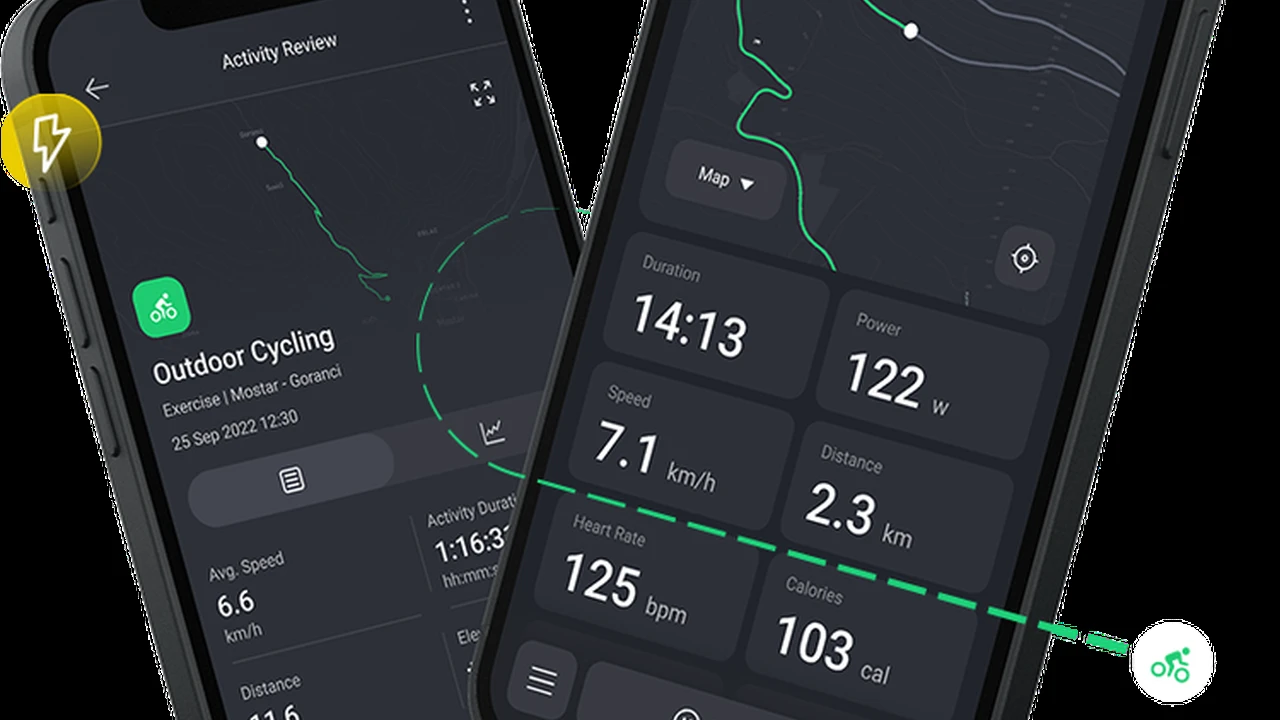
- Optional Accessories: A fitness tracker, headphones, and sunscreen are all helpful but not essential.
Finding the Right Jogging Route
Your jogging route can significantly impact your experience. Consider these factors when choosing a route:
- Surface: Paved roads, sidewalks, and trails are all good options. Avoid uneven or hazardous surfaces that could increase your risk of injury.
- Terrain: Start with flat routes and gradually introduce hills as you get fitter.
- Safety: Choose well-lit routes with minimal traffic. Let someone know where you're going and when you expect to be back.
- Accessibility: Pick a route that's easily accessible from your home or work.
Setting Realistic Goals for Jogging Success
Don't try to do too much too soon. Start with short jogs and gradually increase the distance and duration as your fitness improves. A good starting point might be:
- Week 1: 20-30 minutes of jogging/walking intervals, 3 times per week.
- Week 2: Increase jogging time and decrease walking time.
- Week 3: Aim for 30-45 minutes of continuous jogging.
Remember to listen to your body and take rest days when needed. Consistency is key to building a sustainable jogging habit.
Jogging for Weight Loss: A Comprehensive Guide
Jogging is an excellent tool for weight loss, but it's not a magic bullet. To maximize your results, you need to combine jogging with a healthy diet and lifestyle. Let's delve into the specifics of using jogging for weight loss.
How Jogging Burns Calories and Fat
Jogging burns calories, which helps you create a calorie deficit (burning more calories than you consume). This calorie deficit is what leads to weight loss. The number of calories you burn depends on your weight, speed, and the duration of your jog. Generally, a 150-pound person can burn around 300-400 calories per hour of jogging.
Furthermore, jogging helps your body become more efficient at burning fat for fuel. As you jog regularly, your body adapts by improving its ability to utilize fat stores, especially during lower-intensity exercise like jogging.
Crafting a Jogging Plan for Weight Loss
Here's a sample jogging plan designed for weight loss:
- Frequency: Aim for at least 3-5 jogging sessions per week.
- Duration: Start with 30 minutes and gradually increase to 45-60 minutes.
- Intensity: Maintain a moderate intensity where you can still hold a conversation, but are breathing noticeably harder.
- Interval Training: Incorporate short bursts of higher-intensity running (sprints) followed by periods of jogging or walking. This can help boost your calorie burn and improve your cardiovascular fitness. For example, jog for 5 minutes, sprint for 30 seconds, walk for 1 minute, and repeat.
The Importance of Diet and Nutrition
Jogging alone won't guarantee weight loss. You also need to focus on your diet. Here are some key dietary guidelines:
- Eat a Balanced Diet: Focus on whole, unprocessed foods like fruits, vegetables, lean protein, and whole grains.
- Control Portion Sizes: Be mindful of how much you're eating. Use smaller plates and bowls to help manage portion sizes.
- Limit Processed Foods, Sugary Drinks, and Unhealthy Fats: These foods are high in calories and low in nutrients.
- Stay Hydrated: Drink plenty of water throughout the day.
Recommended Products for Weight Loss Support
While not essential, certain products can support your weight loss journey alongside jogging:
Fitbit Charge 5: Advanced Fitness & Health Tracker
Use Case: The Fitbit Charge 5 is a great tool for tracking your activity levels, calorie burn, and sleep patterns. It can help you stay motivated and monitor your progress. It also provides insights into your heart health and stress levels.
Detailed Information: The Fitbit Charge 5 features a color touchscreen, built-in GPS, heart rate monitoring, activity tracking, sleep tracking, and stress management tools. It also offers personalized insights and guidance based on your data.
Pricing: Typically ranges from $129.95 - $179.95 depending on retailer and current sales.
Garmin Forerunner 245 Music
Use Case: The Garmin Forerunner 245 Music is a more advanced running watch that provides detailed running metrics, such as pace, distance, cadence, and heart rate. It also has built-in music storage, so you can listen to your favorite tunes without your phone.
Detailed Information: The Garmin Forerunner 245 Music features a lightweight design, a bright display, advanced training features (such as training load and training effect), and smartphone notifications. It also has a long battery life.
Pricing: Typically ranges from $249.99 - $349.99 depending on retailer and current sales.
Product Comparison: Fitbit Charge 5 vs. Garmin Forerunner 245 Music
The Fitbit Charge 5 is a more general-purpose fitness tracker, while the Garmin Forerunner 245 Music is specifically designed for runners. The Garmin offers more advanced running metrics and training features, but it's also more expensive. If you're a serious runner, the Garmin is the better choice. If you're looking for a more affordable and versatile fitness tracker, the Fitbit is a good option.
Protein Powder: Optimum Nutrition Gold Standard 100% Whey
Use Case: Protein powder can help you meet your protein needs, which is important for muscle recovery and growth after jogging. It can also help you feel fuller, which can aid in weight management.
Detailed Information: Optimum Nutrition Gold Standard 100% Whey is a popular protein powder that contains a blend of whey protein isolate, whey protein concentrate, and whey peptides. It's low in carbs and fat and comes in a variety of flavors.
Pricing: Typically ranges from $30 - $60 depending on the size of the container and retailer.
Maintaining Motivation and Consistency
Staying motivated and consistent is crucial for long-term weight loss success. Here are some tips:
- Find a Jogging Buddy: Exercising with a friend can help you stay accountable and make your workouts more enjoyable.
- Set Realistic Goals: Don't try to lose too much weight too quickly. Aim for a gradual and sustainable weight loss of 1-2 pounds per week.
- Reward Yourself (Non-Food Related): Celebrate your milestones with non-food rewards, such as a new workout outfit or a massage.
- Track Your Progress: Monitor your weight, body measurements, and jogging times to see how far you've come.
- Don't Give Up: Everyone has setbacks. If you miss a workout or overeat, don't beat yourself up. Just get back on track the next day.
Advanced Jogging Techniques for Performance Enhancement
Once you've established a consistent jogging routine, you can start incorporating advanced techniques to improve your performance, increase your speed, and prevent injuries. This section explores some of these techniques.
Proper Jogging Form and Posture
Good form is essential for efficient and injury-free jogging. Pay attention to these key aspects:
- Head and Neck: Keep your head up, eyes looking forward, and neck relaxed.
- Shoulders: Relax your shoulders and avoid shrugging them.
- Arms: Bend your elbows at a 90-degree angle and swing your arms forward and backward, not across your body.
- Core: Engage your core muscles to stabilize your spine and improve your posture.
- Hips: Keep your hips level and avoid excessive rotation.
- Legs: Land midfoot and push off with your toes. Avoid overstriding (landing with your heel far in front of your body).
- Cadence: Aim for a cadence of around 170-180 steps per minute. This can help reduce impact and improve efficiency.
Interval Training for Speed and Endurance
Interval training involves alternating between periods of high-intensity running and periods of rest or low-intensity jogging. This type of training can help you improve your speed, endurance, and cardiovascular fitness.
Here are some examples of interval workouts:
- 400-Meter Repeats: Run 400 meters at a fast pace, followed by a 400-meter jog or walk for recovery. Repeat 6-8 times.
- Hill Repeats: Run uphill at a moderate to hard pace, followed by a jog or walk downhill for recovery. Repeat 8-10 times.
- Fartlek Training: This is a less structured form of interval training. Alternate between periods of fast running and jogging at random intervals. For example, run hard to the next lamppost, then jog to the next tree.
Tempo Runs for Increased Lactate Threshold
A tempo run is a sustained effort run at a comfortably hard pace. This type of running helps improve your lactate threshold, which is the point at which your body starts to accumulate lactic acid in your muscles. Improving your lactate threshold allows you to run faster for longer before fatigue sets in.
To perform a tempo run, warm up for 10-15 minutes, then run at a comfortably hard pace for 20-40 minutes, followed by a 10-15 minute cool-down.
Strength Training for Injury Prevention and Performance
Strength training is essential for preventing injuries and improving your jogging performance. Focus on exercises that strengthen your core, legs, and glutes. Here are some examples:
- Squats: Strengthen your quads, hamstrings, and glutes.
- Lunges: Improve your balance and strengthen your legs and glutes.
- Plank: Strengthen your core muscles.
- Glute Bridges: Strengthen your glutes and hamstrings.
- Calf Raises: Strengthen your calf muscles.
Stretching and Flexibility for Injury Prevention
Stretching and flexibility are important for preventing injuries and improving your range of motion. Stretch after each jogging session and incorporate regular flexibility exercises into your routine. Here are some important stretches for joggers:
- Hamstring Stretch: Stretch the back of your thighs.
- Quadriceps Stretch: Stretch the front of your thighs.
- Calf Stretch: Stretch your calf muscles.
- Hip Flexor Stretch: Stretch the front of your hips.
- IT Band Stretch: Stretch the outside of your thighs.
Jogging with Injuries: Prevention and Rehabilitation
Unfortunately, injuries are a common occurrence for joggers. Understanding how to prevent them and how to rehabilitate them is crucial for staying active and healthy. This section covers common jogging injuries and strategies for dealing with them.
Common Jogging Injuries and Their Causes
Here are some of the most common jogging injuries:
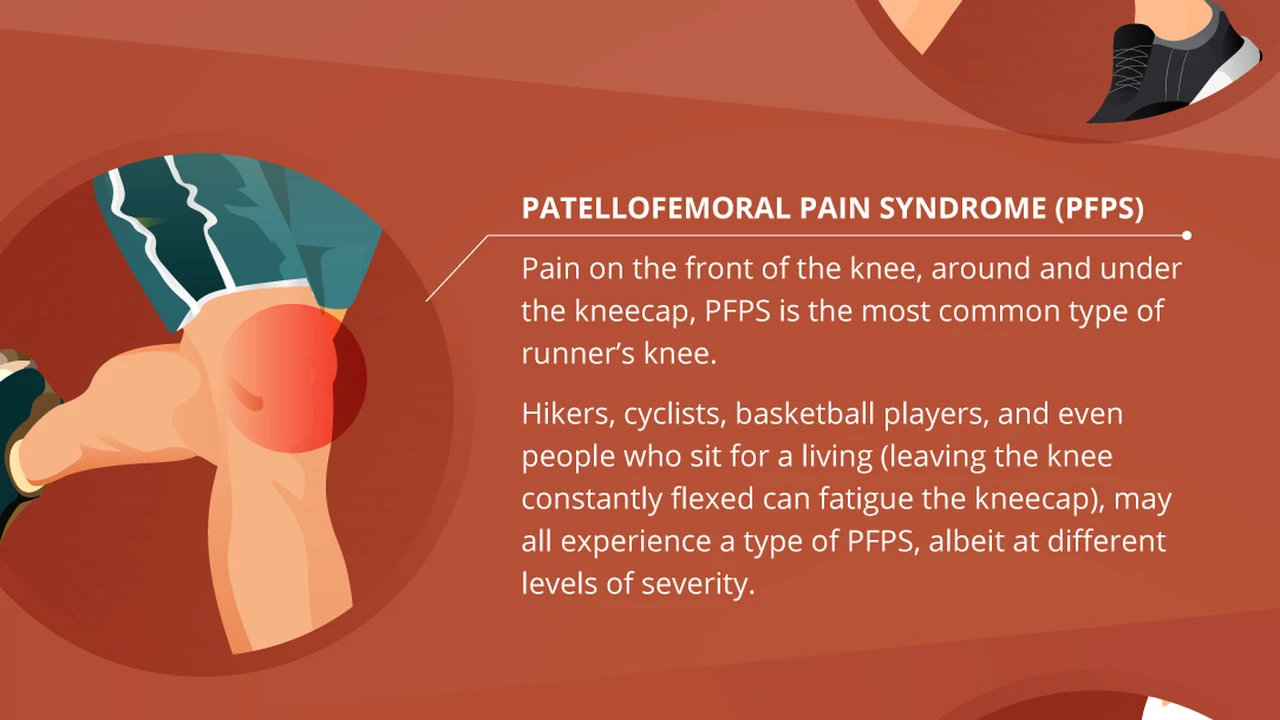
- Runner's Knee (Patellofemoral Pain Syndrome): Pain around the kneecap, often caused by overuse, muscle imbalances, or poor biomechanics.
- Shin Splints (Medial Tibial Stress Syndrome): Pain along the shinbone, often caused by overuse, flat feet, or improper footwear.
- Plantar Fasciitis: Pain in the heel and arch of the foot, often caused by overuse, tight calf muscles, or improper footwear.
- Achilles Tendinitis: Pain in the Achilles tendon, often caused by overuse, tight calf muscles, or improper footwear.
- Stress Fractures: Small cracks in the bone, often caused by overuse and repetitive impact.
Preventing Jogging Injuries
Prevention is key to avoiding jogging injuries. Here are some tips:
- Warm-Up Properly: Before each jog, warm up with light cardio and dynamic stretches.
- Cool-Down Properly: After each jog, cool down with light cardio and static stretches.
- Increase Mileage Gradually: Avoid increasing your mileage too quickly. Follow the 10% rule (don't increase your mileage by more than 10% per week).
- Wear Proper Footwear: Get fitted for running shoes at a specialty running store.
- Run on Soft Surfaces: When possible, run on grass, trails, or other soft surfaces.
- Strength Train Regularly: Strengthen your core, legs, and glutes to support your joints.
- Listen to Your Body: If you feel pain, stop jogging and rest.
Rehabilitating Jogging Injuries
If you do get injured, it's important to seek medical attention and follow your doctor's recommendations. Here are some general guidelines for rehabilitating jogging injuries:
- Rest: Avoid activities that aggravate your injury.
- Ice: Apply ice to the injured area for 15-20 minutes at a time, several times per day.
- Compression: Use a compression bandage to reduce swelling.
- Elevation: Elevate the injured area above your heart.
- Physical Therapy: Work with a physical therapist to regain strength, flexibility, and range of motion.
- Gradual Return to Jogging: Gradually increase your mileage and intensity as your injury heals.
Recommended Products for Injury Prevention and Recovery
Foam Roller: TriggerPoint GRID Foam Roller
Use Case: Foam rolling can help release muscle tension, improve flexibility, and prevent injuries. It's a great tool for self-massage and myofascial release.
Detailed Information: The TriggerPoint GRID Foam Roller features a patented design with different densities that target specific muscle groups. It's durable, lightweight, and easy to use.
Pricing: Typically ranges from $29.99 - $49.99 depending on size and retailer.
Compression Socks: CEP Compression Run Socks 3.0
Use Case: Compression socks can improve blood flow, reduce muscle fatigue, and prevent swelling. They can also help speed up recovery after jogging.
Detailed Information: CEP Compression Run Socks 3.0 provide graduated compression that is designed to improve circulation and support your muscles. They are made from breathable materials and come in a variety of sizes and colors.
Pricing: Typically ranges from $40 - $60 per pair.
Theragun Mini
Use Case: The Theragun Mini is a portable massage device that uses percussive therapy to relieve muscle soreness and tension. It's a great tool for targeting specific muscle groups and speeding up recovery.
Detailed Information: The Theragun Mini features a compact design, three speed settings, and a long battery life. It's easy to use and effective at relieving muscle pain.
Pricing: Typically ranges from $199 - $249 depending on retailer and current sales.
Jogging and Mental Health: Benefits and Strategies
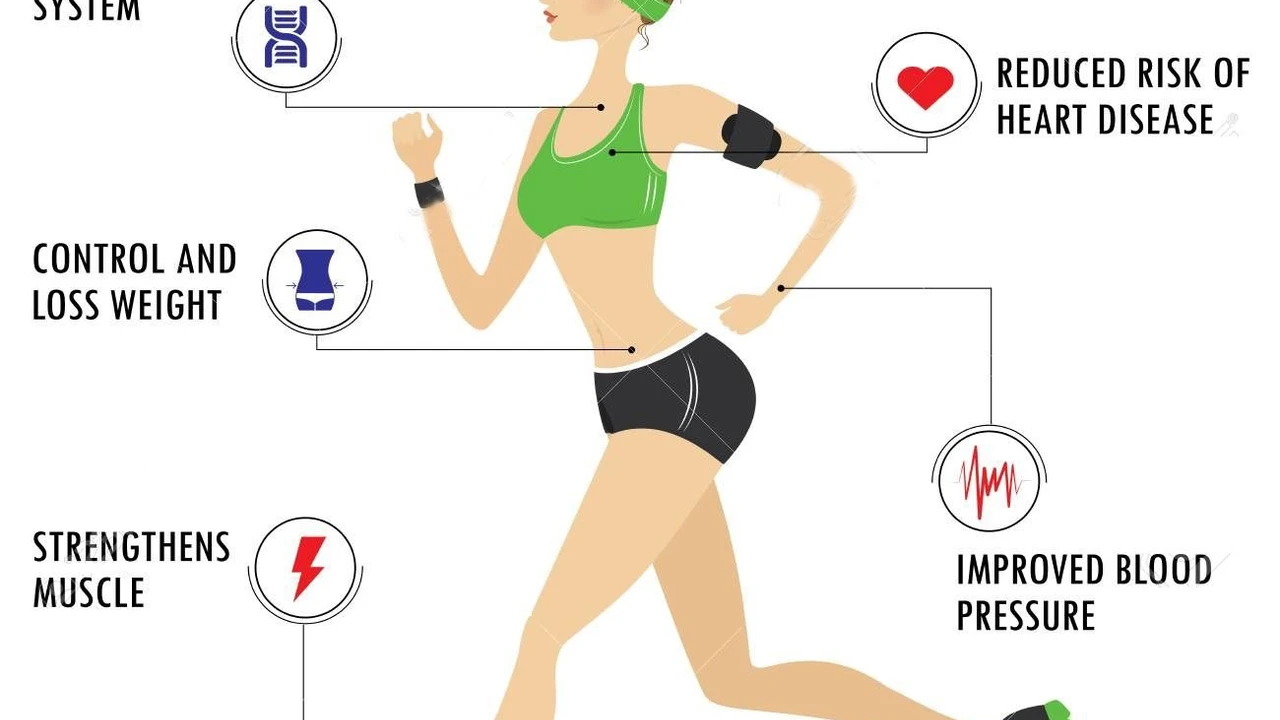
Jogging is not only beneficial for physical health but also for mental well-being. It can help reduce stress, improve mood, and boost self-esteem. This section explores the mental health benefits of jogging and provides strategies for maximizing these benefits.
The Mental Health Benefits of Jogging
Here are some of the key mental health benefits of jogging:
- Stress Reduction: Jogging can help reduce stress hormones like cortisol and adrenaline.
- Mood Improvement: Jogging releases endorphins, which have mood-boosting effects.
- Anxiety Relief: Jogging can help reduce anxiety symptoms by providing a distraction and promoting relaxation.
- Improved Sleep: Regular jogging can improve sleep quality.
- Increased Self-Esteem: Achieving your jogging goals can boost your self-esteem and confidence.
- Cognitive Enhancement: Jogging can improve cognitive function, including memory and attention.
Mindful Jogging Techniques
To maximize the mental health benefits of jogging, try incorporating these mindful jogging techniques:
- Focus on Your Breath: Pay attention to your breath and use it as an anchor to stay present in the moment.
- Engage Your Senses: Notice the sights, sounds, and smells around you.
- Practice Gratitude: Take a moment to appreciate your body and your ability to jog.
- Let Go of Negative Thoughts: When negative thoughts arise, acknowledge them and let them go.
- Listen to Your Body: Pay attention to your body's signals and adjust your pace accordingly.
Jogging in Nature for Enhanced Well-Being
Jogging in nature can provide even greater mental health benefits. Studies have shown that spending time in nature can reduce stress, improve mood, and boost creativity. Try jogging in a park, forest, or along a beach.
Using Music and Podcasts to Enhance Your Jogging Experience
Listening to music or podcasts while jogging can make your workouts more enjoyable and engaging. Choose music that motivates you and podcasts that are informative or entertaining. However, be mindful of your surroundings and avoid listening to music too loudly.
Recommended Products for Mental Well-Being During Jogging
Noise-Cancelling Headphones: Bose QuietComfort 45
Use Case: Noise-cancelling headphones can help you block out distractions and focus on your music or podcast. This can enhance your jogging experience and promote relaxation.
Detailed Information: The Bose QuietComfort 45 headphones feature excellent noise cancellation, comfortable earcups, and long battery life. They also have a built-in microphone for phone calls.
Pricing: Typically ranges from $279 - $329 depending on retailer and current sales.
Meditation App Subscription: Headspace or Calm
Use Case: Meditation apps can provide guided meditations that you can listen to before, during, or after your jogging sessions. This can help you reduce stress, improve focus, and cultivate mindfulness.
Detailed Information: Headspace and Calm offer a wide variety of guided meditations for different purposes, such as stress reduction, sleep improvement, and anxiety relief. They also offer mindfulness exercises and relaxation techniques.
Pricing: Typically ranges from $69.99 - $99.99 per year depending on the app and subscription plan.
Jogging in Different Weather Conditions: Safety and Considerations
Jogging outdoors means facing various weather conditions. Understanding how to adapt your jogging routine to different weather conditions is crucial for safety and comfort. This section provides tips for jogging in hot, cold, rainy, and windy weather.
Jogging in Hot Weather: Staying Cool and Hydrated
Jogging in hot weather can be challenging and potentially dangerous. Here are some tips for staying cool and hydrated:
- Run Early or Late in the Day: Avoid jogging during the hottest part of the day (usually between 10 am and 4 pm).
- Wear Light-Colored, Loose-Fitting Clothing: Light colors reflect sunlight, and loose-fitting clothing allows for better ventilation.
- Wear a Hat and Sunglasses: A hat will protect your head from the sun, and sunglasses will protect your eyes.
- Apply Sunscreen: Apply sunscreen to all exposed skin.
- Hydrate Before, During, and After Your Jog: Drink plenty of water or sports drinks to replace fluids lost through sweat.
- Slow Down Your Pace: Don't try to run as fast as you would in cooler weather.
- Take Breaks: If you start to feel overheated, take a break in the shade.
- Watch for Signs of Heat Exhaustion: Symptoms include dizziness, headache, nausea, and muscle cramps. If you experience these symptoms, stop jogging immediately and seek medical attention.
Jogging in Cold Weather: Staying Warm and Safe
Jogging in cold weather can also be challenging, but it can be enjoyable if you take the proper precautions. Here are some tips for staying warm and safe:
- Dress in Layers: Wear several layers of clothing that you can remove as you warm up.
- Wear Moisture-Wicking Fabrics: Avoid cotton, which can become wet and cold.
- Protect Your Extremities: Wear a hat, gloves, and warm socks.
- Cover Your Mouth and Nose: This will help warm the air before it enters your lungs.
- Be Aware of Ice and Snow: Run on cleared paths or wear shoes with good traction.
- Shorten Your Stride: This will help you maintain your balance on slippery surfaces.
- Watch for Signs of Hypothermia: Symptoms include shivering, confusion, and slurred speech. If you experience these symptoms, stop jogging immediately and seek medical attention.
Jogging in Rainy Weather: Staying Dry and Avoiding Slips
Jogging in the rain can be refreshing, but it's important to take precautions to stay dry and avoid slips. Here are some tips:
- Wear Waterproof Clothing: A waterproof jacket and pants will help keep you dry.
- Wear a Hat with a Brim: A hat will keep the rain out of your eyes.
- Wear Shoes with Good Traction: Avoid running shoes with smooth soles.
- Run on Paved Surfaces: Avoid running on trails or grass, which can be slippery when wet.
- Be Careful of Puddles: Puddles can hide potholes or other hazards.
- Be Visible: Wear bright clothing or reflective gear.
Jogging in Windy Weather: Protecting Yourself from the Elements
Jogging in windy weather can be challenging, but it's manageable with the right gear and precautions. Here are some tips:
- Dress in Layers: Wear layers of clothing to protect yourself from the wind.
- Wear a Windbreaker: A windbreaker will help block the wind.
- Protect Your Face: Wear a scarf or balaclava to protect your face from the wind.
- Run into the Wind First: This will make the return trip easier.
- Be Aware of Windchill: Windchill can make the air feel much colder than it actually is.
- Avoid Running Near Trees or Power Lines: These can be dangerous in high winds.
Recommended Products for Jogging in Various Weather Conditions
Waterproof Running Jacket: Salomon Bonatti Race WP Jacket
Use Case: A waterproof running jacket will keep you dry and comfortable during rainy weather. It's essential for jogging in wet conditions.
Detailed Information: The Salomon Bonatti Race WP Jacket is a lightweight and breathable waterproof jacket that is designed for running. It features a waterproof membrane, a hood, and reflective details.
Pricing: Typically ranges from $120 - $180 depending on retailer and current sales.
Running Gloves: Smartwool Liner Gloves
Use Case: Running gloves will keep your hands warm in cold weather. They are essential for jogging in chilly conditions.
Detailed Information: The Smartwool Liner Gloves are made from merino wool, which is warm, breathable, and moisture-wicking. They can be worn alone or as a liner under heavier gloves.
Pricing: Typically ranges from $25 - $35 per pair.
Sunglasses: Goodr Sunglasses
Use Case: Sunglasses will protect your eyes from the sun's glare, especially during bright days. They are essential for jogging in sunny conditions.
Detailed Information: Goodr Sunglasses are affordable, stylish, and functional. They feature polarized lenses, a no-slip grip, and a lightweight design.
Pricing: Typically ranges from $25 - $35 per pair.
:max_bytes(150000):strip_icc()/277019-baked-pork-chops-with-cream-of-mushroom-soup-DDMFS-beauty-4x3-BG-7505-5762b731cf30447d9cbbbbbf387beafa.jpg)



-vs.-Steady-State-Jogging-for-Weight-Loss.webp)