The Benefits of Jogging in Nature

Understanding Jogging Fundamentals Perfecting Your Jogging Form
Jogging, often seen as a gentler form of running, is a fantastic way to improve cardiovascular health, boost your mood, and enjoy the great outdoors. But did you know that mastering your jogging technique can significantly enhance its benefits and reduce the risk of injury? Let's dive into the fundamentals of jogging and how you can perfect your form for a more enjoyable and effective workout.
The Importance of Proper Jogging Posture Achieving Optimal Alignment
Posture is key to efficient and injury-free jogging. Imagine a straight line running from your ear, through your shoulder, hip, and knee, down to your ankle. This is the ideal alignment you should strive for. Avoid slouching or leaning too far forward, as this can strain your back and neck.
Think of your core as the engine of your jogging motion. Engaging your abdominal muscles will help stabilize your spine and prevent excessive twisting. Keep your shoulders relaxed and avoid hunching. A slight lean forward from the ankles is natural, but the majority of your body weight should be balanced over your midfoot.
Foot Strike Techniques Optimizing Impact Absorption
How your foot strikes the ground can significantly impact your joints and overall efficiency. There are three main foot strike patterns: heel strike, midfoot strike, and forefoot strike. While heel striking is common, it can send a jarring impact up your legs. Midfoot striking is generally considered the most efficient and least injury-prone technique.
To achieve a midfoot strike, imagine landing on the flat part of your foot, just behind your toes. This allows your foot and ankle muscles to absorb the impact more effectively. Practice consciously focusing on this landing technique during your jogs. Experiment to find what feels most natural and comfortable for you.
Arm Swing Mechanics Enhancing Propulsion and Balance
Your arms play a crucial role in maintaining balance and propelling you forward. Keep your elbows bent at a 90-degree angle and swing your arms forward and back, not across your body. Avoid clenching your fists; keep your hands relaxed.
Your arm swing should be driven by your shoulders, not your elbows. Imagine a pendulum swinging from your shoulder joint. A smooth, controlled arm swing will help you maintain momentum and conserve energy. Avoid swinging your arms too high, as this can waste energy and lead to shoulder fatigue.
Cadence and Stride Length Finding Your Rhythm
Cadence, or the number of steps you take per minute, is a key indicator of running efficiency. Aim for a cadence of around 170-180 steps per minute. This may feel fast at first, but it can help reduce impact and improve your overall running economy.
Stride length is the distance between each foot strike. Avoid overstriding, which means reaching too far forward with your foot. This can put excessive stress on your joints and lead to injuries. Instead, focus on taking shorter, quicker steps. Experiment with different stride lengths to find what feels most comfortable and efficient for you.
Essential Jogging Gear Enhancing Your Performance and Safety
Having the right gear can make a big difference in your jogging experience. From supportive shoes to moisture-wicking apparel, investing in quality equipment can help you stay comfortable, prevent injuries, and perform your best.
The Importance of Running Shoes Choosing the Right Footwear
Your running shoes are arguably the most important piece of equipment you'll need. Choosing the right shoes for your foot type and running style can significantly reduce the risk of injuries like plantar fasciitis, shin splints, and knee pain.
Visit a specialty running store and have your gait analyzed. This will help determine whether you pronate (roll inward) or supinate (roll outward) when you run. Based on your gait analysis, the store associate can recommend shoes that provide the right amount of support and cushioning.
Product Recommendation: The Brooks Ghost 14 is a highly recommended neutral running shoe known for its excellent cushioning and smooth ride. It's a great option for beginners and experienced joggers alike. Pricing: Typically ranges from $130-$150.
Use Case: Ideal for daily jogging, long runs, and recovery runs. The shoe's cushioning provides excellent impact absorption, making it a comfortable choice for those who are new to jogging or who are prone to joint pain.
Product Comparison: Compared to the Nike Air Zoom Pegasus, the Brooks Ghost 14 offers a slightly softer ride and more accommodating fit. While the Pegasus is a more versatile shoe that can be used for both running and cross-training, the Ghost 14 is specifically designed for running comfort.
Moisture-Wicking Apparel Staying Comfortable and Dry
Wearing moisture-wicking apparel can help keep you cool and dry during your jogs. Cotton clothing absorbs sweat and can become heavy and uncomfortable, leading to chafing. Moisture-wicking fabrics, on the other hand, pull sweat away from your skin and allow it to evaporate quickly.
Look for fabrics like polyester, nylon, or merino wool. These materials are breathable and quick-drying. Consider investing in moisture-wicking shirts, shorts, and socks for optimal comfort.
Product Recommendation: The Under Armour HeatGear line offers a wide range of moisture-wicking apparel for both men and women. Their shirts and shorts are made from lightweight, breathable fabrics that will keep you cool and dry during even the most intense workouts. Pricing: Shirts typically range from $25-$40, and shorts range from $30-$50.
Use Case: Perfect for jogging in warm weather or for those who sweat heavily. The apparel's moisture-wicking properties will help prevent chafing and keep you feeling fresh throughout your workout.
Product Comparison: Compared to the Adidas ClimaLite line, the Under Armour HeatGear line is generally considered to be more durable and offers better moisture management. While the ClimaLite line is a more affordable option, the HeatGear line is a better investment for those who are serious about their jogging.
Hydration Packs and Water Bottles Staying Hydrated on the Go
Staying hydrated is crucial for optimal performance and preventing dehydration. Carry a water bottle or hydration pack with you on your jogs, especially during warm weather or longer distances.
A handheld water bottle is a convenient option for shorter jogs. A hydration pack, which is a backpack with a water reservoir, is a better choice for longer runs. Consider the capacity of the water bottle or hydration pack and choose one that will provide enough water for your needs.
Product Recommendation: The CamelBak HydroBak is a lightweight and compact hydration pack that's perfect for jogging. It holds 1.5 liters of water and features a comfortable, breathable design. Pricing: Typically ranges from $60-$80.
Use Case: Ideal for longer jogs or runs where access to water is limited. The hydration pack allows you to carry enough water to stay hydrated without having to stop and refill.
Product Comparison: Compared to handheld water bottles, the CamelBak HydroBak offers a hands-free hydration solution. While handheld water bottles are more convenient for shorter jogs, the HydroBak is a better choice for longer distances where you need to carry a larger volume of water.
Fitness Trackers and Smartwatches Monitoring Your Progress
Fitness trackers and smartwatches can be valuable tools for monitoring your progress and staying motivated. These devices can track your distance, pace, heart rate, and calories burned.
Look for a fitness tracker or smartwatch that has GPS functionality, which will allow you to accurately track your distance and pace. Some devices also offer advanced features like heart rate monitoring, sleep tracking, and VO2 max estimation.
Product Recommendation: The Garmin Forerunner 245 is a popular running watch that offers a wide range of features, including GPS tracking, heart rate monitoring, and advanced training metrics. Pricing: Typically ranges from $300-$350.
Use Case: Ideal for serious joggers who want to track their progress and optimize their training. The watch provides detailed data on your performance, allowing you to identify areas for improvement.
Product Comparison: Compared to the Fitbit Charge 5, the Garmin Forerunner 245 offers more advanced running features and a longer battery life. While the Fitbit Charge 5 is a good option for general fitness tracking, the Forerunner 245 is a better choice for dedicated runners.
Jogging Injury Prevention Strategies Staying Safe and Healthy
Injuries are a common concern for joggers, but many injuries can be prevented with proper preparation, technique, and recovery. By following these injury prevention strategies, you can stay safe and healthy and enjoy your jogging routine for years to come.
Warming Up Before Jogging Preparing Your Body for Exercise
Warming up before jogging is essential for preparing your muscles and joints for exercise. A proper warm-up will increase blood flow to your muscles, improve flexibility, and reduce the risk of injury.
Start with a few minutes of light cardio, such as walking or jumping jacks. Then, perform dynamic stretching exercises, such as leg swings, arm circles, and torso twists. Avoid static stretching before jogging, as this can actually decrease performance.
Cooling Down After Jogging Promoting Recovery and Reducing Soreness
Cooling down after jogging is just as important as warming up. A proper cool-down will help your body gradually return to its resting state, reducing muscle soreness and promoting recovery.
Start with a few minutes of light cardio, such as walking. Then, perform static stretching exercises, holding each stretch for 30 seconds. Focus on stretching the muscles you used during your jog, such as your hamstrings, quads, and calves.
Strength Training for Joggers Building a Strong Foundation
Strength training is often overlooked by joggers, but it's crucial for building a strong foundation and preventing injuries. Strong muscles will help support your joints and improve your running efficiency.
Focus on exercises that target your core, legs, and glutes. Examples include squats, lunges, planks, and bridges. Aim to strength train 2-3 times per week.
Listening to Your Body Recognizing and Responding to Pain
One of the most important things you can do to prevent injuries is to listen to your body. If you experience pain, stop jogging and rest. Don't try to push through the pain, as this can make the injury worse.
Pay attention to your body's signals and don't ignore any aches or pains. If the pain persists, consult a doctor or physical therapist.
Advanced Jogging Techniques Elevating Your Performance
Once you've mastered the fundamentals of jogging, you can start incorporating advanced techniques to elevate your performance and challenge yourself. These techniques can help you improve your speed, endurance, and overall fitness.
Interval Training Boosting Your Speed and Endurance
Interval training involves alternating between high-intensity bursts of exercise and periods of rest or low-intensity exercise. This type of training is highly effective for improving your speed and endurance.
For example, you could jog at a moderate pace for 5 minutes, then sprint for 30 seconds, followed by 1 minute of walking or jogging at a slow pace. Repeat this cycle several times.
Hill Training Building Strength and Power
Hill training is another great way to build strength and power. Running uphill requires more effort and engages more muscles, helping you improve your cardiovascular fitness and leg strength.
Find a hill that's challenging but manageable. Jog up the hill at a moderate pace, then walk or jog slowly down the hill. Repeat this several times.
Tempo Runs Improving Your Aerobic Capacity
Tempo runs are sustained efforts at a comfortably hard pace. This type of training helps improve your aerobic capacity, which is your body's ability to use oxygen to fuel exercise.
Start with a warm-up, then jog at a comfortably hard pace for 20-30 minutes. Finish with a cool-down.
Cross-Training Enhancing Your Overall Fitness
Cross-training involves engaging in different types of exercise to complement your jogging routine. This can help prevent overuse injuries and improve your overall fitness.
Examples of cross-training activities include swimming, cycling, yoga, and strength training. Aim to incorporate cross-training into your routine 1-2 times per week.
Jogging for Weight Loss Burning Calories and Shedding Pounds
Jogging is an excellent way to burn calories and lose weight. When combined with a healthy diet, jogging can help you achieve your weight loss goals.
Calculating Your Calorie Burn Estimating Your Energy Expenditure
The number of calories you burn during jogging depends on several factors, including your weight, pace, and duration of your workout. You can use online calculators or fitness trackers to estimate your calorie burn.
Keep in mind that these are just estimates. The actual number of calories you burn may vary depending on your individual metabolism and other factors.
Creating a Calorie Deficit Burning More Calories Than You Consume
To lose weight, you need to create a calorie deficit, which means burning more calories than you consume. You can achieve this by jogging regularly and eating a healthy diet.
Aim to create a calorie deficit of 500-1000 calories per day, which should result in a weight loss of 1-2 pounds per week.
Combining Jogging with a Healthy Diet Maximizing Weight Loss Results
Jogging is most effective for weight loss when combined with a healthy diet. Focus on eating whole, unprocessed foods, such as fruits, vegetables, lean protein, and whole grains.
Avoid processed foods, sugary drinks, and unhealthy fats. These foods are high in calories and low in nutrients, which can hinder your weight loss efforts.
Staying Consistent with Your Jogging Routine Building a Sustainable Habit
Consistency is key when it comes to weight loss. Aim to jog regularly, even when you don't feel like it. Building a sustainable habit will help you stay on track and achieve your weight loss goals.
Set realistic goals and gradually increase the duration and intensity of your workouts. Find a jogging buddy to help you stay motivated and accountable.
Jogging for Mental Health Boosting Your Mood and Reducing Stress
Jogging isn't just good for your physical health; it's also beneficial for your mental health. Exercise releases endorphins, which have mood-boosting and stress-reducing effects.
Reducing Stress and Anxiety Promoting Relaxation and Calmness
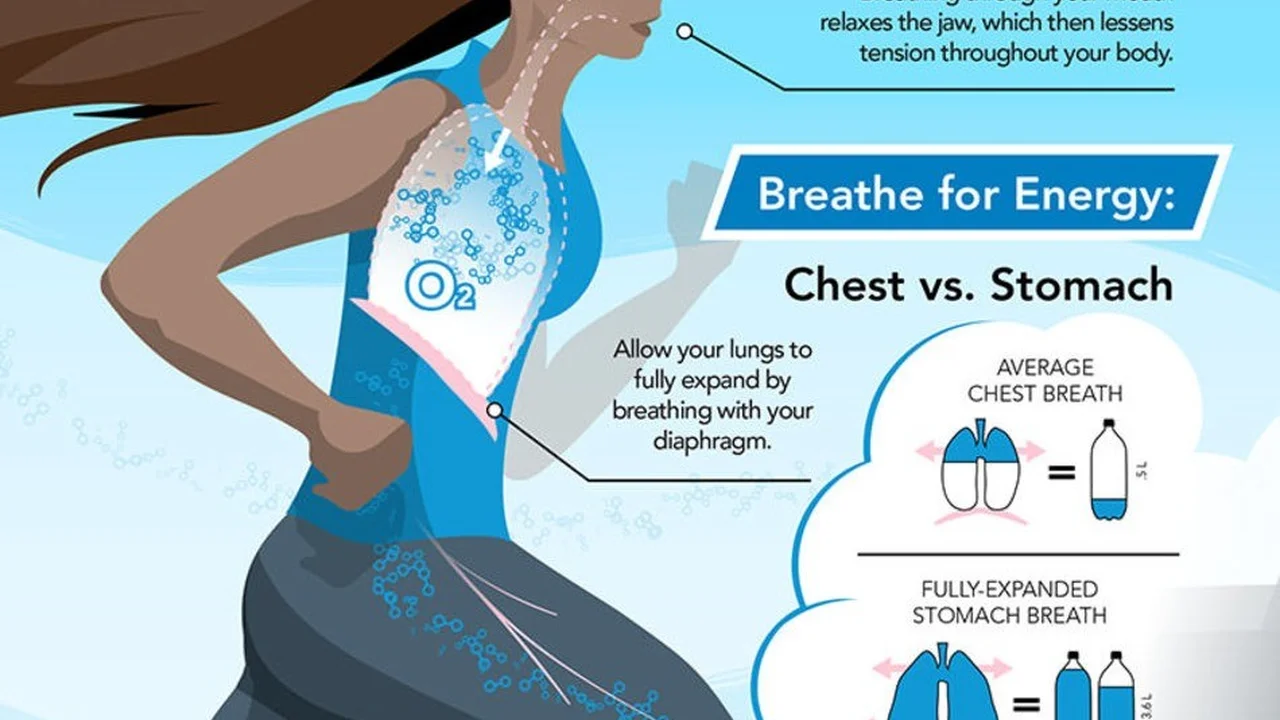
Jogging can be a great way to reduce stress and anxiety. The rhythmic movement of jogging can have a calming effect on the mind and body.
When you're feeling stressed or anxious, try going for a jog. Focus on your breathing and the sensations in your body. Let go of your worries and enjoy the present moment.
Improving Mood and Self-Esteem Boosting Your Confidence and Happiness
Jogging can also improve your mood and self-esteem. Achieving your fitness goals can boost your confidence and make you feel good about yourself.
Set realistic goals and celebrate your successes. Don't compare yourself to others; focus on your own progress.
Boosting Cognitive Function Enhancing Memory and Focus
Studies have shown that exercise can boost cognitive function, including memory and focus. Jogging increases blood flow to the brain, which can improve cognitive performance.
Make jogging a regular part of your routine to reap the cognitive benefits.
Connecting with Nature Enhancing Your Well-Being
Jogging in nature can have a particularly powerful effect on your well-being. Spending time in nature has been shown to reduce stress, improve mood, and boost creativity.
Find a scenic trail or park to jog in. Enjoy the fresh air and the beauty of nature.
Jogging for Seniors Maintaining Mobility and Independence
Jogging can be a safe and effective way for seniors to maintain mobility and independence. However, it's important to take certain precautions to prevent injuries.
Consulting with a Doctor Before Starting a Jogging Routine Ensuring Safety and Suitability
Before starting a jogging routine, seniors should consult with their doctor to ensure that it's safe and appropriate for them. Your doctor can assess your overall health and identify any potential risks.
Starting Slowly and Gradually Increasing Intensity Avoiding Overexertion
Seniors should start slowly and gradually increase the intensity and duration of their workouts. Avoid overexertion, which can lead to injuries.
Begin with short walks and gradually increase the pace and distance. Listen to your body and rest when you need to.
Choosing Safe Jogging Surfaces Minimizing Impact and Risk of Falls
Choose safe jogging surfaces, such as paved trails or grassy fields. Avoid uneven surfaces, which can increase the risk of falls.
Wearing Supportive Shoes and Using Assistive Devices if Needed Providing Stability and Comfort
Wear supportive shoes that provide good cushioning and stability. If needed, use assistive devices, such as walking sticks or canes, to provide additional support.
Conclusion Avoiding a Conclusion and Maintaining Conversational Tone
So, there you have it – a deep dive into the world of jogging techniques and form. Remember, it's all about finding what works best for *you*. Experiment with different techniques, listen to your body, and most importantly, have fun! Whether you're aiming for weight loss, improved mental health, or simply a more enjoyable workout, mastering your stride can unlock a whole new level of benefits from your jogging routine. Now lace up those shoes and get out there!
:max_bytes(150000):strip_icc()/277019-baked-pork-chops-with-cream-of-mushroom-soup-DDMFS-beauty-4x3-BG-7505-5762b731cf30447d9cbbbbbf387beafa.jpg)