The Long-Term Benefits of Jogging for Weight Management
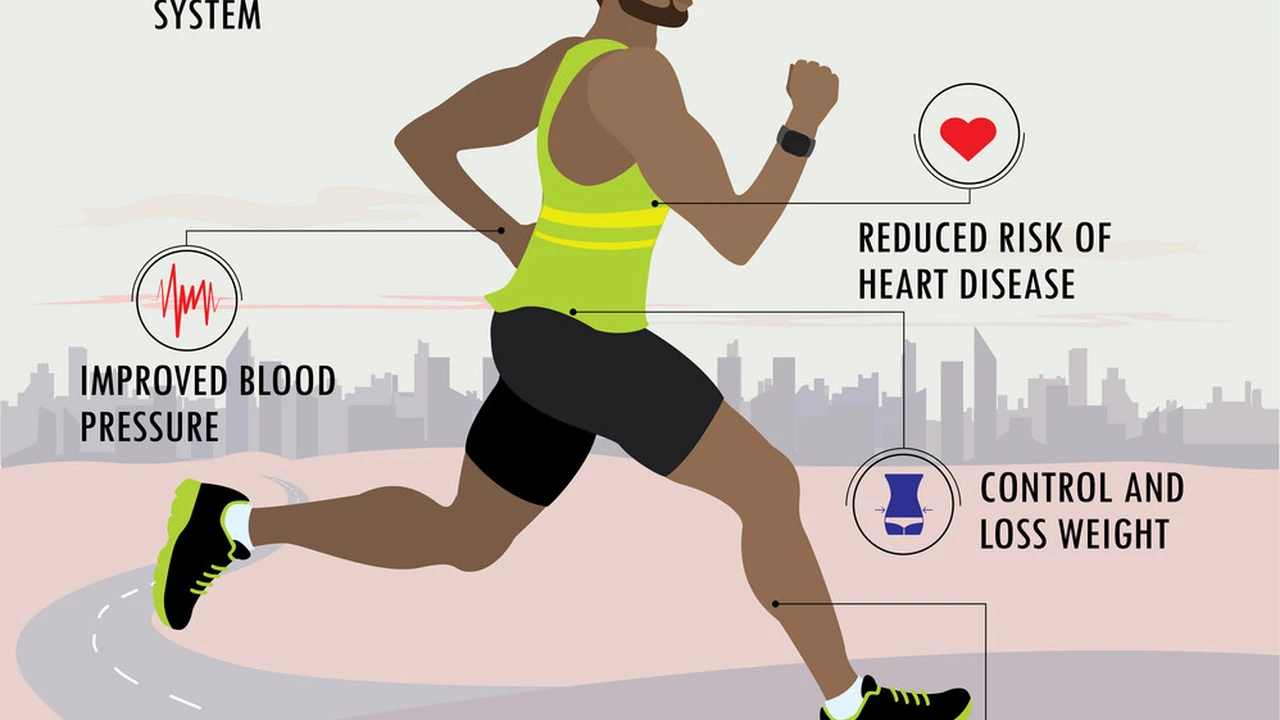
Discover the transformative power of jogging for long-term weight management and overall health. Explore the science-backed benefits, practical tips, and expert recommendations to kickstart your jogging journey and achieve sustainable wellness.
Jogging for Weight Loss Unlocking the Secrets
So, you're considering jogging for weight loss? Excellent choice! It's more than just putting one foot in front of the other; it's about embarking on a journey towards a healthier, happier you. But where do you even begin? Let's dive into the nitty-gritty of how jogging can be your secret weapon against unwanted pounds.
The Science Behind Jogging and Calorie Burning
Ever wondered *why* jogging is so effective? It all boils down to energy expenditure. When you jog, your body burns calories to fuel the activity. The faster you jog and the longer you jog, the more calories you'll burn. Think of it like this: your body is a furnace, and jogging is the fuel that keeps it burning hot. Studies show that consistent jogging can significantly increase your metabolic rate, even when you're at rest. That's right, you'll be burning calories even after you've hung up your running shoes!
Jogging vs Other Cardio Workouts A Comparative Analysis
Okay, so jogging burns calories, but how does it stack up against other cardio exercises? Let's compare jogging to some popular alternatives:
- Running: Jogging is essentially a slower version of running. While running burns more calories per minute, jogging is often more sustainable for longer durations, making it a great option for beginners or those with joint issues.
- Swimming: Swimming is fantastic for overall fitness and is low-impact, but it might not burn as many calories as jogging, especially for beginners. However, it's a great cross-training option.
- Cycling: Cycling can be a good alternative, but it often relies more on leg strength than overall body engagement. Jogging engages more muscle groups, leading to potentially higher calorie burn.
- Walking: Walking is a great starting point, but jogging elevates your heart rate more effectively, leading to greater calorie expenditure.
The key takeaway? Jogging strikes a good balance between intensity, accessibility, and sustainability, making it an ideal choice for many.
Crafting Your Jogging Routine for Maximum Weight Loss Results
Now that you know *why* jogging works, let's talk about *how* to make it work for you. Creating a personalized jogging routine is crucial for achieving your weight loss goals.
Beginner Jogging Plans Starting Slow and Steady
Don't jump into the deep end! If you're new to jogging, start with a walk-jog interval program. This involves alternating between walking and jogging for set periods. Here's a sample plan:
- Week 1: Walk for 5 minutes, jog for 1 minute, repeat 5 times. Cool down with 5 minutes of walking. Do this 3 times a week.
- Week 2: Walk for 4 minutes, jog for 2 minutes, repeat 5 times. Cool down with 5 minutes of walking. Do this 3 times a week.
- Week 3: Walk for 3 minutes, jog for 3 minutes, repeat 5 times. Cool down with 5 minutes of walking. Do this 3 times a week.
- Week 4: Walk for 2 minutes, jog for 4 minutes, repeat 5 times. Cool down with 5 minutes of walking. Do this 3 times a week.
Gradually increase the jogging intervals and decrease the walking intervals as you get fitter. Listen to your body and don't push yourself too hard, especially in the beginning.
Intermediate Jogging Strategies Increasing Intensity and Duration
Once you can comfortably jog for 30 minutes, it's time to ramp things up. Here are some strategies to consider:
- Increase distance: Gradually increase the distance you jog each week.
- Incorporate hills: Hill workouts are a fantastic way to build strength and burn more calories.
- Try interval training: Alternate between high-intensity jogging and periods of slower jogging or walking. This can help improve your speed and endurance.
- Add tempo runs: Tempo runs involve jogging at a comfortably hard pace for a sustained period.
Advanced Jogging Techniques Maximizing Calorie Burn and Performance
For experienced joggers, it's all about fine-tuning your routine to maximize results. Consider these advanced techniques:
- Fartlek training: This involves spontaneous bursts of speed during your jog.
- Long runs: Gradually increase the distance of your long runs to build endurance.
- Strength training: Incorporate strength training exercises to build muscle, which will help you burn more calories even when you're not jogging.
- Track your progress: Use a fitness tracker or app to monitor your distance, pace, and calorie burn. This will help you stay motivated and track your progress.
The Right Gear for Your Jogging Weight Loss Journey
Having the right gear can make all the difference in your jogging experience. Let's explore some essential items.
Essential Jogging Shoes Finding the Perfect Fit
Your shoes are your most important piece of equipment. Invest in a good pair of running shoes that fit well and provide adequate support. Here are some factors to consider:
- Foot type: Determine your foot type (neutral, pronated, or supinated) to choose shoes that provide the right level of support.
- Cushioning: Consider the amount of cushioning you need based on your weight, running surface, and personal preference.
- Fit: Make sure your shoes fit comfortably and have enough room in the toe box.
Product Recommendation: The Brooks Ghost 14 is a highly rated running shoe known for its comfortable cushioning and smooth ride. It's a great option for a wide range of runners.
Use Case: Daily jogging, long runs, walking.
Price: Approximately $130.
Fitness Trackers Monitoring Your Progress and Staying Motivated
A fitness tracker can be a valuable tool for monitoring your progress and staying motivated. Look for features like:
- Heart rate monitoring: Track your heart rate to ensure you're working out at the right intensity.
- GPS tracking: Track your distance, pace, and route.
- Calorie tracking: Estimate your calorie burn.
- Sleep tracking: Monitor your sleep patterns to ensure you're getting enough rest.
Product Recommendation: The Fitbit Charge 5 is a popular fitness tracker that offers a wide range of features at a reasonable price.
Use Case: Daily activity tracking, workout monitoring, sleep tracking.
Price: Approximately $150.
Apparel That Breathes Staying Comfortable During Your Runs
Wear comfortable, breathable clothing that wicks away sweat. Avoid cotton, which can become heavy and uncomfortable when wet. Look for fabrics like:
- Polyester: A lightweight and breathable synthetic fabric.
- Nylon: A durable and moisture-wicking synthetic fabric.
- Merino wool: A natural fiber that is warm, breathable, and odor-resistant.
Product Recommendation: Nike Dri-FIT running shirts and shorts are a popular choice for their comfortable fit and moisture-wicking properties.
Use Case: Jogging, running, other workouts.
Price: Shirts approximately $30, shorts approximately $40.
The Mental Game of Jogging Weight Loss
Weight loss isn't just about physical exertion; it's also about mental fortitude. Jogging can be a challenging activity, especially when you're first starting out. Here are some tips for staying motivated and overcoming mental obstacles.
Setting Realistic Goals and Celebrating Small Victories
Don't set unrealistic goals that are impossible to achieve. Start small and gradually increase your goals as you get fitter. Celebrate your small victories along the way to stay motivated. For example, if you successfully jog for 30 minutes without stopping, reward yourself with a healthy treat or a relaxing bath.
Finding a Jogging Buddy for Accountability and Support
Jogging with a friend can make the experience more enjoyable and help you stay accountable. A jogging buddy can provide encouragement, motivation, and support when you're feeling down. You can also challenge each other to push yourselves harder.
Mindfulness and Jogging Focusing on the Present Moment
Jogging can be a great opportunity to practice mindfulness. Focus on your breath, your surroundings, and the sensation of your feet hitting the ground. This can help you clear your mind, reduce stress, and improve your overall well-being.
Fueling Your Body for Optimal Jogging Weight Loss Performance
What you eat before and after your jogs can significantly impact your performance and weight loss results. Let's explore some key nutritional considerations.
Pre-Jogging Nutrition Energizing Your Body for Success
Eat a light, easily digestible meal or snack about 1-2 hours before your jog. This will provide you with the energy you need without weighing you down. Good options include:
- Oatmeal with fruit: Provides sustained energy and fiber.
- Banana with peanut butter: A quick and easy source of carbohydrates and protein.
- Whole-wheat toast with avocado: Healthy fats and carbohydrates for sustained energy.
Post-Jogging Recovery Replenishing Your Energy Stores
Replenish your energy stores within 30-60 minutes after your jog. This will help your muscles recover and prevent soreness. Good options include:
- Protein shake: A quick and easy way to get protein for muscle recovery.
- Greek yogurt with berries: Protein and antioxidants to support muscle recovery and reduce inflammation.
- Chicken breast with vegetables: A complete meal with protein, carbohydrates, and vitamins.
Hydration Staying Properly Hydrated for Optimal Performance
Dehydration can significantly impact your performance and overall health. Drink plenty of water throughout the day, especially before, during, and after your jogs. Consider carrying a water bottle with you on your runs.
Addressing Common Jogging Related Issues and Injuries
Jogging, like any physical activity, comes with the risk of injuries. Let's discuss some common issues and how to prevent and treat them.
Shin Splints Prevention and Treatment Strategies
Shin splints are a common complaint among joggers, especially beginners. They are caused by inflammation of the muscles and tendons along the shinbone. To prevent shin splints:
- Wear supportive shoes: Ensure your shoes provide adequate cushioning and support.
- Stretch your calves: Regularly stretch your calf muscles to improve flexibility.
- Increase your mileage gradually: Avoid increasing your mileage too quickly.
- Run on soft surfaces: Avoid running on hard surfaces like concrete.
If you develop shin splints, rest, ice, and elevate your leg. You can also try using compression sleeves to reduce inflammation.
Knee Pain Management Techniques for Joggers
Knee pain is another common issue among joggers. It can be caused by a variety of factors, including overuse, poor form, and weak muscles. To prevent knee pain:
- Strengthen your leg muscles: Focus on strengthening your quadriceps, hamstrings, and glutes.
- Maintain proper form: Pay attention to your running form and avoid overstriding.
- Stretch your leg muscles: Regularly stretch your leg muscles to improve flexibility.
- Consider orthotics: If you have flat feet or other foot problems, consider using orthotics to provide additional support.
If you develop knee pain, rest, ice, and elevate your leg. You can also try using a knee brace to provide support.
Ankle Sprains Prevention and Rehabilitation Tips
Ankle sprains are a common injury that can occur when you twist or roll your ankle. To prevent ankle sprains:
- Strengthen your ankle muscles: Perform exercises to strengthen your ankle muscles.
- Wear supportive shoes: Ensure your shoes provide adequate ankle support.
- Run on even surfaces: Avoid running on uneven surfaces.
- Pay attention to your surroundings: Be aware of your surroundings and avoid tripping hazards.
If you sprain your ankle, rest, ice, compress, and elevate your ankle (RICE). You may also need to see a doctor or physical therapist for further treatment.
Jogging for Weight Loss Beyond the Calories A Holistic Approach
Jogging is more than just a calorie-burning exercise; it's a holistic activity that benefits your mind, body, and spirit.
Stress Reduction and Mental Well-being Through Jogging
Jogging can be a great way to reduce stress and improve your mental well-being. Exercise releases endorphins, which have mood-boosting effects. Jogging can also help you clear your mind, reduce anxiety, and improve your sleep quality.
Improved Cardiovascular Health and Overall Fitness
Jogging is a fantastic cardiovascular exercise that strengthens your heart and lungs. It can also help lower your blood pressure, reduce your risk of heart disease, and improve your overall fitness level.
Boosting Self-Esteem and Confidence Through Achieving Goals
Achieving your weight loss goals through jogging can significantly boost your self-esteem and confidence. As you see your body transform and your fitness improve, you'll feel more empowered and in control of your health.
Common Myths About Jogging for Weight Loss Debunked
Let's dispel some common misconceptions about jogging for weight loss.
Myth 1 Jogging Alone is Enough for Weight Loss
While jogging is a great way to burn calories, it's not a magic bullet for weight loss. You also need to eat a healthy diet and get enough sleep to see significant results. Think of jogging as one piece of the puzzle, not the entire puzzle itself.
Myth 2 You Have to Jog Every Day to Lose Weight
You don't need to jog every day to lose weight. In fact, overtraining can lead to injuries and burnout. Aim for 3-5 jogs per week, with rest days in between to allow your body to recover.
Myth 3 The Faster You Jog the More Weight You'll Lose
While jogging faster burns more calories per minute, it's not always the most sustainable approach. Focus on jogging at a pace that you can maintain for a longer duration. Consistency is key to long-term weight loss.
Troubleshooting Your Jogging Weight Loss Journey
What happens when you hit a plateau or face challenges? Let's explore some troubleshooting tips.
Addressing Weight Loss Plateaus When Progress Stalls
Weight loss plateaus are a common occurrence. When you hit a plateau, your body adapts to your routine and burns fewer calories. To overcome a plateau:
- Vary your workouts: Try different types of jogging, such as interval training or hill workouts.
- Increase your intensity: Gradually increase the intensity of your workouts.
- Adjust your diet: Re-evaluate your diet and make sure you're still eating a healthy, balanced diet.
- Consider strength training: Building muscle can help boost your metabolism and burn more calories.
Overcoming Motivation Lulls Staying Committed Long-Term
It's normal to experience motivation lulls from time to time. To stay committed long-term:
- Set new goals: Set new goals to keep yourself challenged and motivated.
- Find a jogging buddy: Jogging with a friend can make the experience more enjoyable and help you stay accountable.
- Reward yourself: Reward yourself for achieving your goals.
- Remember your "why": Remind yourself why you started jogging in the first place.
Adjusting Your Routine for Different Weather Conditions
Weather can impact your jogging routine. In hot weather, drink plenty of water and jog during cooler hours. In cold weather, dress in layers and protect your extremities. In rainy weather, consider jogging indoors on a treadmill.
The Future of Jogging and Weight Loss Innovations and Trends
The world of jogging and weight loss is constantly evolving. Let's explore some future trends.
Technological Advancements in Fitness Tracking and Monitoring
Expect to see even more sophisticated fitness trackers and monitoring devices in the future. These devices will provide more detailed data about your performance, allowing you to personalize your training and optimize your results.
Personalized Nutrition Plans Tailored to Jogging Performance
Personalized nutrition plans based on your genetics, activity level, and goals will become more common. These plans will help you fuel your body for optimal jogging performance and weight loss.
Virtual Reality Jogging Immersive and Engaging Workouts
Virtual reality jogging is already emerging as a new trend. VR headsets can transport you to exotic locations, making your workouts more immersive and engaging.
Jogging for Weight Loss A Lifetime Commitment to Wellness
Ultimately, jogging for weight loss is about more than just shedding pounds; it's about making a lifetime commitment to wellness. Embrace the journey, celebrate your progress, and enjoy the many benefits that jogging has to offer. Remember to listen to your body, adjust your routine as needed, and never give up on your goals. The path to a healthier, happier you is just a jog away!
Product Comparison:
Shoes:
- Brooks Ghost 14: Excellent cushioning, smooth ride, suitable for various foot types.
- Saucony Kinvara 13: Lightweight, responsive, good for faster runs.
- Hoka Clifton 8: Maximum cushioning, good for recovery runs.
Fitness Trackers:
- Fitbit Charge 5: Comprehensive features, good value for money.
- Garmin Venu 2: Advanced features, including music storage and GPS.
- Apple Watch Series 7: Smartwatch with fitness tracking capabilities.
Remember to consult with your doctor before starting any new exercise program. Happy jogging!
:max_bytes(150000):strip_icc()/277019-baked-pork-chops-with-cream-of-mushroom-soup-DDMFS-beauty-4x3-BG-7505-5762b731cf30447d9cbbbbbf387beafa.jpg)