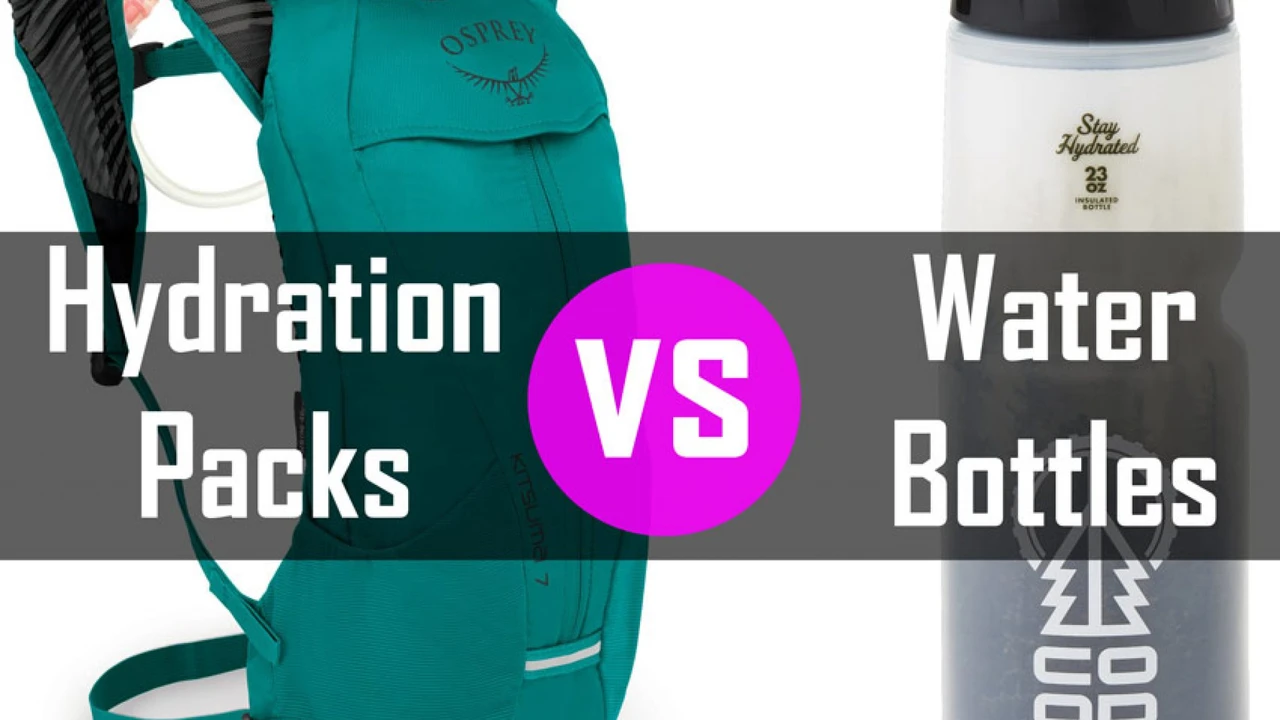
Hydration Packs vs. Water Bottles: Which is Best?
The Ultimate Guide to Choosing the Right Running Shoes
Finding the perfect pair of running shoes is crucial for a comfortable and injury-free jogging experience. With so many options available, it can be overwhelming to know where to start. This comprehensive guide will walk you through everything you need to consider when selecting running shoes, from understanding your foot type to choosing the right type of shoe for your running style and terrain.
Understanding Your Foot Type for Optimal Running Shoe Selection
Before you even begin browsing the vast selection of running shoes, it's essential to understand your foot type. Knowing whether you have neutral arches, high arches, or flat feet will significantly impact the type of support and cushioning you need in your shoes. There are several ways to determine your foot type:
- The Wet Foot Test: This simple test involves wetting the sole of your foot and stepping onto a piece of dark paper or cardboard. The imprint left behind will reveal your arch type. A full footprint indicates flat feet, a footprint with a thin connection between the heel and forefoot indicates high arches, and a footprint with a moderate curve indicates neutral arches.
- Professional Gait Analysis: Many running specialty stores offer gait analysis, a service where they observe your running form on a treadmill and assess your pronation (the inward rolling of the foot upon impact). This analysis provides valuable insights into your foot type and can help you choose shoes that correct any overpronation or supination (outward rolling).
Running Shoe Types: A Comprehensive Overview for Joggers
Once you understand your foot type, you can start exploring the different types of running shoes available. Each type is designed for specific purposes and foot types:
- Neutral Running Shoes: These shoes are designed for runners with neutral arches who don't require extra support or motion control. They typically offer a good balance of cushioning and flexibility.
- Stability Running Shoes: These shoes provide moderate support to control overpronation, making them suitable for runners with mild to moderate flat feet. They often feature firmer midsoles and medial posts to prevent excessive inward rolling.
- Motion Control Running Shoes: Designed for runners with severe overpronation, these shoes offer the most support and control. They typically have rigid midsoles and substantial medial posts to minimize inward rolling.
- Trail Running Shoes: These shoes are specifically designed for running on uneven terrain, such as trails and dirt paths. They feature aggressive outsoles for enhanced traction, as well as reinforced uppers for protection against rocks and debris.
- Racing Flats: These lightweight shoes are designed for speed and performance. They offer minimal cushioning and support, making them suitable for experienced runners competing in races.
Key Features to Consider When Choosing Running Shoes
Beyond foot type and shoe type, several other features should factor into your decision-making process:
- Cushioning: The amount of cushioning in a running shoe affects its comfort and impact absorption. Consider your weight, running distance, and the type of surface you'll be running on when choosing the level of cushioning.
- Support: As mentioned earlier, support is crucial for runners with overpronation or supination. Look for shoes with features like medial posts, firmer midsoles, and supportive uppers.
- Fit: Proper fit is paramount for preventing blisters and injuries. Ensure you have at least a thumb's width of space between your longest toe and the end of the shoe. Try on shoes later in the day when your feet are slightly swollen.
- Breathability: Breathable uppers help keep your feet cool and dry, reducing the risk of blisters and discomfort. Look for shoes with mesh or other breathable materials.
- Durability: The durability of a running shoe depends on the materials used and the construction quality. Consider how often you'll be running and the type of terrain you'll be running on when assessing durability.
Top Running Shoe Recommendations for Different Foot Types and Running Styles
Now that you have a better understanding of what to look for in a running shoe, let's explore some specific recommendations:
Best Neutral Running Shoes:
- Brooks Ghost 15: A popular choice for its smooth ride, balanced cushioning, and comfortable fit. Ideal for everyday runs and runners with neutral arches. Pricing: $140. Available at most major running shoe retailers.
- New Balance Fresh Foam 880v13: Offers a plush and responsive ride, making it a great option for long distances. Suitable for runners with neutral arches or those who prefer a softer feel. Pricing: $135. Available at New Balance stores and online retailers.
- Saucony Kinvara 14: A lightweight and flexible shoe that's perfect for speed work and tempo runs. Best for runners with neutral arches who want a more minimalist feel. Pricing: $120. Available at Saucony retailers and online.
Best Stability Running Shoes:
- Brooks Adrenaline GTS 22: Provides excellent support and guidance for runners with mild to moderate overpronation. Known for its comfortable fit and smooth transition. Pricing: $140. Widely available at running shoe stores.
- ASICS GT-2000 11: Offers a balanced blend of cushioning and stability, making it a versatile option for runners with overpronation. Features ASICS' GEL technology for enhanced shock absorption. Pricing: $130. Available at ASICS stores and online.
- Mizuno Wave Inspire 19: Provides a supportive and responsive ride, making it suitable for runners who need extra stability. Features Mizuno's Wave technology for a smooth transition. Pricing: $135. Available at Mizuno retailers and online.
Best Trail Running Shoes:
- Salomon Speedcross 6: Known for its aggressive grip and protective features, making it ideal for technical trails. Features a Quicklace system for easy on and off. Pricing: $140. Available at outdoor retailers and online.
- Hoka Speedgoat 5: Offers a plush and cushioned ride, even on the most rugged trails. Features a Vibram Megagrip outsole for exceptional traction. Pricing: $160. Available at Hoka retailers and online.
- New Balance Fresh Foam X More Trail v3: Provides maximum cushioning and protection for long trail runs. Features a durable outsole and a comfortable upper. Pricing: $150. Available at New Balance stores and online.
Running Shoe Care and Maintenance: Extending the Lifespan of Your Investment
Proper care and maintenance can significantly extend the lifespan of your running shoes. Here are some tips:
- Clean your shoes regularly: Use a mild soap and water solution to clean the uppers and midsoles. Avoid using harsh chemicals or putting your shoes in the washing machine.
- Air dry your shoes: Never put your shoes in the dryer, as this can damage the materials. Stuff them with newspaper to help absorb moisture.
- Rotate your shoes: If you run frequently, consider rotating between two or three pairs of shoes. This allows each pair to fully recover and extends their lifespan.
- Replace your shoes regularly: Running shoes typically last between 300 and 500 miles. Pay attention to the wear and tear on your shoes, and replace them when they start to lose their cushioning or support.
The Impact of Running Shoe Technology on Performance and Injury Prevention
Advancements in running shoe technology have significantly impacted performance and injury prevention. Here are some key innovations:
- Cushioning Materials: New materials like EVA foam, TPU, and Pebax offer improved cushioning, energy return, and durability.
- Midsole Technologies: Technologies like medial posts, guide rails, and stability frames provide targeted support and control to correct overpronation or supination.
- Outsole Technologies: Aggressive outsole patterns and durable rubber compounds enhance traction and grip on various surfaces.
- Upper Materials: Breathable mesh and engineered uppers improve comfort, fit, and ventilation.
Running Shoe Fit: A Step-by-Step Guide to Finding the Perfect Size
Getting the right fit is essential for comfort and injury prevention. Follow these steps to ensure you're choosing the correct size:
- Measure your feet: Use a Brannock device or a ruler to measure the length and width of your feet. Measure both feet, as they may be slightly different sizes.
- Try on shoes later in the day: Your feet tend to swell throughout the day, so it's best to try on shoes in the afternoon or evening.
- Wear your running socks: Wear the same type of socks you'll be running in when trying on shoes.
- Ensure enough toe room: You should have at least a thumb's width of space between your longest toe and the end of the shoe.
- Walk or jog around the store: Test the shoes by walking or jogging around the store to ensure they feel comfortable and supportive.
Comparing Popular Running Shoe Brands: Brooks vs. ASICS vs. New Balance vs. Hoka
Several popular running shoe brands offer a wide range of options for different foot types and running styles. Here's a brief comparison:
- Brooks: Known for its comfortable fit, smooth ride, and reliable support. Popular models include the Ghost, Adrenaline GTS, and Glycerin.
- ASICS: Offers a wide range of shoes with advanced cushioning and stability technologies. Popular models include the GT-2000, GEL-Kayano, and Novablast.
- New Balance: Known for its high-quality materials, comfortable fit, and innovative technologies. Popular models include the Fresh Foam 880, FuelCell Rebel, and Fresh Foam X More.
- Hoka: Specializes in shoes with maximal cushioning and a unique rocker design. Popular models include the Clifton, Bondi, and Speedgoat.
The Importance of Replacing Your Running Shoes: When to Say Goodbye
Knowing when to replace your running shoes is crucial for preventing injuries. Here are some signs that it's time for a new pair:
- Mileage: Running shoes typically last between 300 and 500 miles. Keep track of your mileage and replace your shoes accordingly.
- Wear and tear: Check for signs of wear and tear, such as worn-down outsoles, compressed midsoles, and tears in the uppers.
- Reduced cushioning: If your shoes feel less cushioned or supportive than they used to, it's time to replace them.
- Increased aches and pains: If you're experiencing new or worsening aches and pains in your feet, ankles, or knees, your shoes may be contributing to the problem.
Running Shoes for Specific Running Goals: Marathon Training, Speed Work, and Recovery Runs
The type of running shoe you choose can impact your performance and recovery. Here are some recommendations for specific running goals:
- Marathon Training: Choose a shoe with ample cushioning, support, and durability for long distances. Consider models like the Brooks Glycerin, New Balance Fresh Foam X More, or ASICS GEL-Kayano.
- Speed Work: Opt for a lightweight and responsive shoe that allows you to run fast and efficiently. Consider models like the Saucony Kinvara, New Balance FuelCell Rebel, or ASICS Novablast.
- Recovery Runs: Choose a shoe with plush cushioning and a comfortable fit for easy runs. Consider models like the Hoka Clifton, Brooks Ghost, or New Balance Fresh Foam 880.
The Future of Running Shoe Technology: What's on the Horizon?
The future of running shoe technology is constantly evolving. Here are some exciting developments to watch out for:
- 3D-Printed Midsoles: 3D printing allows for customized midsoles that are tailored to individual foot shapes and running styles.
- Smart Shoes: Smart shoes incorporate sensors that track your running metrics and provide real-time feedback.
- Sustainable Materials: More and more running shoe brands are using recycled and sustainable materials to reduce their environmental impact.
- Adaptive Cushioning: Adaptive cushioning technologies adjust the level of cushioning based on your running pace and terrain.
Finding the Best Deals on Running Shoes: Tips and Tricks for Saving Money
Running shoes can be expensive, but there are ways to save money. Here are some tips and tricks:
- Shop online: Online retailers often offer lower prices than brick-and-mortar stores.
- Look for sales and discounts: Sign up for email newsletters from your favorite running shoe brands and retailers to stay informed about sales and discounts.
- Consider last year's models: Last year's models are often available at discounted prices.
- Join a running club: Many running clubs offer discounts on running shoes and gear.
- Use a rewards credit card: Earn rewards points or cashback on your running shoe purchases.
The Psychological Impact of Choosing the Right Running Shoes: Confidence and Motivation
Choosing the right running shoes can have a positive psychological impact, boosting your confidence and motivation. When you're comfortable and supported, you're more likely to enjoy your runs and stick to your training plan.
By taking the time to understand your foot type, running style, and the various features available in running shoes, you can find the perfect pair that will help you achieve your running goals and stay injury-free. Remember to prioritize fit, comfort, and support, and don't be afraid to try on multiple pairs before making a decision. Happy running!
:max_bytes(150000):strip_icc()/277019-baked-pork-chops-with-cream-of-mushroom-soup-DDMFS-beauty-4x3-BG-7505-5762b731cf30447d9cbbbbbf387beafa.jpg)