Listening to Music While Jogging: Pros and Cons

The Allure of Jogging Why Lace Up Those Shoes
So, you're thinking about jogging? Excellent choice! It's more than just a way to burn calories; it's a gateway to improved physical and mental well-being. Jogging, unlike sprinting or high-intensity running, is a sustained, moderate-intensity activity that's accessible to almost everyone. Whether you're a seasoned athlete looking for a low-impact cross-training option or a complete beginner, jogging offers a wealth of benefits.
Let's delve into why jogging should be your next fitness adventure. Firstly, the cardiovascular benefits are undeniable. Regular jogging strengthens your heart, lowers blood pressure, and improves cholesterol levels, significantly reducing your risk of heart disease and stroke. It's like giving your heart a daily workout, making it stronger and more efficient.
Beyond heart health, jogging is a fantastic way to manage your weight. It burns calories, helping you shed unwanted pounds and maintain a healthy physique. But it's not just about the numbers on the scale. Jogging also helps build lean muscle mass, which boosts your metabolism and makes it easier to burn calories even when you're at rest.
And let's not forget the mental health benefits. Jogging releases endorphins, those feel-good chemicals that act as natural mood boosters. It can help reduce stress, anxiety, and even symptoms of depression. Spending time outdoors while jogging also provides a connection with nature, which has been shown to have a calming and restorative effect on the mind.
Finally, jogging is incredibly convenient and versatile. You don't need a gym membership or expensive equipment. All you need is a pair of comfortable shoes and a safe place to jog. You can jog alone for some quiet reflection or join a running group for social interaction and motivation. The possibilities are endless!
Essential Jogging Gear What You Absolutely Need
While jogging itself is a simple activity, having the right gear can significantly enhance your experience and prevent injuries. Let's break down the essential items you'll need to get started:
Running Shoes: This is arguably the most crucial piece of equipment. Investing in a good pair of running shoes is essential for protecting your feet, ankles, and knees. Look for shoes that provide adequate cushioning and support, and that fit your foot type and gait. Visit a specialty running store to get professionally fitted. They can analyze your foot strike and recommend shoes that are best suited for your needs.
Athletic Apparel: Choose comfortable, breathable clothing that allows for a full range of motion. Moisture-wicking fabrics are ideal, as they help keep you cool and dry by drawing sweat away from your skin. Avoid cotton, which can become heavy and uncomfortable when wet. Consider layering your clothing depending on the weather.
Socks: Don't underestimate the importance of good socks! Choose socks that are made from moisture-wicking materials and that fit snugly without being too tight. Avoid cotton socks, which can cause blisters. Consider investing in running-specific socks that are designed to provide extra cushioning and support in key areas.
Hydration: Staying hydrated is crucial, especially during longer jogs. Carry a water bottle or wear a hydration pack to ensure you have access to fluids. Dehydration can lead to fatigue, muscle cramps, and decreased performance.
Sun Protection: Protect your skin from the sun's harmful rays by wearing sunscreen, a hat, and sunglasses. Choose a sunscreen with an SPF of 30 or higher and apply it liberally to all exposed skin. A hat will shield your face and neck from the sun, while sunglasses will protect your eyes.
Safety Gear: If you're jogging in low-light conditions, wear reflective clothing or a reflective vest to increase your visibility. Consider carrying a small flashlight or headlamp as well. Always be aware of your surroundings and jog in well-lit areas whenever possible.
Optional Gear: While not essential, the following items can enhance your jogging experience: a fitness tracker to monitor your progress, headphones for listening to music or podcasts, and a running belt or armband to carry your phone and other essentials.
Beginner Jogging Program Starting Slow and Steady
Starting a jogging program can be exciting, but it's important to start slow and steady to avoid injuries and burnout. Here's a sample beginner jogging program that you can adapt to your own fitness level:
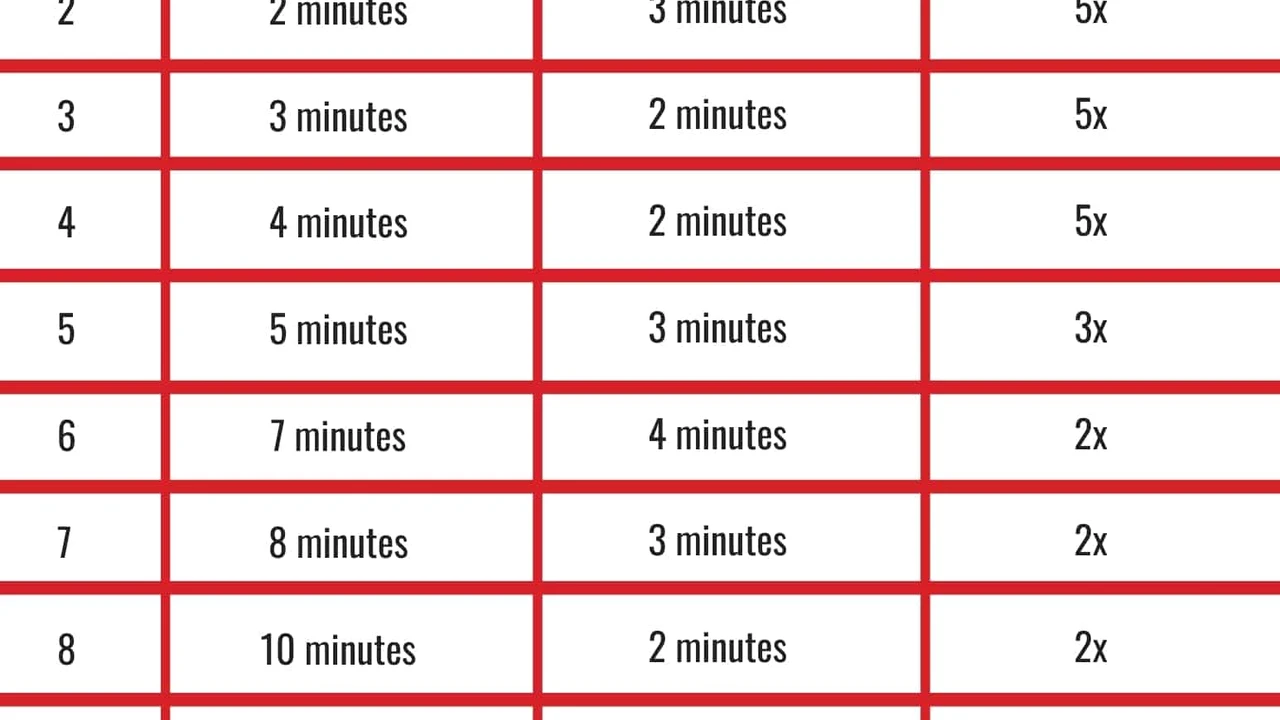
Week 1: Start with walking intervals. Walk for 5 minutes, then jog for 1 minute, then walk for 5 minutes. Repeat this cycle for 20-30 minutes, 3-4 times per week. Focus on maintaining a comfortable pace and listening to your body.
Week 2: Gradually increase the jogging intervals. Walk for 5 minutes, then jog for 2 minutes, then walk for 5 minutes. Repeat this cycle for 20-30 minutes, 3-4 times per week.
Week 3: Continue to increase the jogging intervals. Walk for 5 minutes, then jog for 3 minutes, then walk for 5 minutes. Repeat this cycle for 20-30 minutes, 3-4 times per week.
Week 4: Aim to jog for longer stretches with shorter walking breaks. Walk for 5 minutes, then jog for 5 minutes, then walk for 3 minutes. Repeat this cycle for 20-30 minutes, 3-4 times per week.
Week 5: Gradually reduce the walking intervals. Walk for 3 minutes, then jog for 8 minutes, then walk for 3 minutes. Repeat this cycle for 20-30 minutes, 3-4 times per week.
Week 6: Aim to jog continuously for 20-30 minutes, 3-4 times per week. If you need to, take short walking breaks as needed. Focus on maintaining a comfortable pace and listening to your body.
Remember to warm up before each jog with 5-10 minutes of light cardio and stretching. Cool down after each jog with 5-10 minutes of walking and stretching. Listen to your body and take rest days when needed. Don't push yourself too hard, especially in the beginning. Consistency is key to success.
Advanced Jogging Techniques For Enhanced Performance
Once you've established a solid jogging base, you can start incorporating advanced techniques to improve your performance and challenge yourself. Here are a few techniques to consider:
Interval Training: Interval training involves alternating between high-intensity bursts of jogging and periods of rest or low-intensity jogging. This technique can help improve your speed, endurance, and cardiovascular fitness. For example, you could jog at a fast pace for 1 minute, then jog at a slow pace for 2 minutes, and repeat this cycle for 20-30 minutes.
Hill Training: Hill training involves jogging up hills to build strength and power. This technique can also help improve your cardiovascular fitness and endurance. Find a hill that's challenging but manageable, and jog up it at a moderate pace. Walk or jog slowly down the hill to recover, and repeat this cycle for 20-30 minutes.
Tempo Runs: Tempo runs involve jogging at a comfortably hard pace for a sustained period of time. This technique can help improve your lactate threshold, which is the point at which your body starts to produce lactic acid faster than it can remove it. Aim to jog at a pace that's about 80-90% of your maximum heart rate for 20-30 minutes.
Fartlek Training: Fartlek training is a Swedish term that means "speed play." It involves varying your pace and intensity throughout your jog. This technique can help improve your speed, endurance, and overall fitness. For example, you could jog at a moderate pace for 5 minutes, then sprint for 30 seconds, then jog at a slow pace for 1 minute, and repeat this cycle for 20-30 minutes.
Strength Training: Incorporating strength training into your jogging routine can help improve your performance and prevent injuries. Focus on exercises that target your legs, core, and upper body. Examples include squats, lunges, planks, push-ups, and rows.
Jogging Injuries Prevention and Treatment
While jogging is a relatively low-impact activity, it's still possible to get injured. Here are some common jogging injuries and how to prevent and treat them:
Runner's Knee: Runner's knee is a common condition that causes pain around the kneecap. It's often caused by overuse, improper form, or weak muscles. To prevent runner's knee, make sure you have proper running shoes, warm up before each jog, and gradually increase your mileage. To treat runner's knee, rest, ice, compress, and elevate your knee. You may also need to see a doctor or physical therapist.
Shin Splints: Shin splints are a pain in the front of your lower leg. They're often caused by overuse, improper form, or running on hard surfaces. To prevent shin splints, make sure you have proper running shoes, warm up before each jog, and gradually increase your mileage. To treat shin splints, rest, ice, compress, and elevate your leg. You may also need to see a doctor or physical therapist.
Plantar Fasciitis: Plantar fasciitis is a pain in the heel and arch of your foot. It's often caused by overuse, improper form, or tight calf muscles. To prevent plantar fasciitis, make sure you have proper running shoes, stretch your calf muscles regularly, and avoid running on hard surfaces. To treat plantar fasciitis, rest, ice, compress, and elevate your foot. You may also need to see a doctor or physical therapist.
Achilles Tendinitis: Achilles tendinitis is a pain in the back of your heel. It's often caused by overuse, improper form, or tight calf muscles. To prevent Achilles tendinitis, make sure you have proper running shoes, stretch your calf muscles regularly, and gradually increase your mileage. To treat Achilles tendinitis, rest, ice, compress, and elevate your heel. You may also need to see a doctor or physical therapist.
Stress Fractures: Stress fractures are small cracks in a bone. They're often caused by overuse, improper form, or weak bones. To prevent stress fractures, make sure you have proper running shoes, gradually increase your mileage, and eat a healthy diet that's rich in calcium and vitamin D. To treat stress fractures, rest, ice, compress, and elevate your leg. You will need to see a doctor for proper diagnosis and treatment.
Jogging for Weight Loss Maximizing Calorie Burn
Jogging is an excellent way to burn calories and lose weight. Here are some tips for maximizing your calorie burn while jogging:
Increase Intensity: Jogging at a higher intensity will burn more calories. Try incorporating interval training or hill training into your routine to increase the intensity.
Increase Duration: Jogging for longer periods of time will burn more calories. Gradually increase the duration of your jogs as your fitness level improves.
Run on Uneven Terrain: Running on uneven terrain, such as trails or sand, will require more effort and burn more calories.
Engage Your Core: Actively engage your core muscles while jogging to burn more calories and improve your posture.
Add Weight: Wearing a weighted vest or carrying hand weights can increase your calorie burn while jogging.
Combine with Diet: Combine jogging with a healthy diet to maximize your weight loss results. Focus on eating whole, unprocessed foods and limiting your intake of processed foods, sugary drinks, and unhealthy fats.
Jogging with Music Finding the Perfect Playlist
Listening to music while jogging can make your workout more enjoyable and motivating. Here are some tips for finding the perfect playlist:
Choose Upbeat Music: Choose music that has a fast tempo and an upbeat vibe. This will help you stay motivated and energized throughout your jog.
Create a Varied Playlist: Create a playlist that includes a variety of genres and artists. This will help prevent boredom and keep your workout interesting.
Match the Music to Your Pace: Match the music to your pace. Choose faster music for higher-intensity workouts and slower music for lower-intensity workouts.
Use a Music Streaming Service: Use a music streaming service, such as Spotify or Apple Music, to create and discover new playlists.
Consider Podcasts or Audiobooks: If you're not a fan of music, consider listening to podcasts or audiobooks while jogging. This can be a great way to learn something new or catch up on your favorite stories.
Jogging for Mental Health Stress Reduction and Clarity
Jogging is not only beneficial for your physical health but also for your mental health. Here's how jogging can help reduce stress and improve mental clarity:
Releases Endorphins: Jogging releases endorphins, which are natural mood boosters. Endorphins can help reduce stress, anxiety, and even symptoms of depression.
Reduces Stress Hormones: Jogging can help reduce stress hormones, such as cortisol. High levels of cortisol can contribute to anxiety, depression, and other health problems.
Improves Sleep: Regular jogging can help improve your sleep quality. Getting enough sleep is essential for mental health and overall well-being.
Increases Self-Esteem: Achieving your jogging goals can boost your self-esteem and confidence.
Provides a Sense of Accomplishment: Completing a challenging jog can provide a sense of accomplishment and satisfaction.
Connects You with Nature: Spending time outdoors while jogging can provide a connection with nature, which has been shown to have a calming and restorative effect on the mind.
Jogging in Different Weather Conditions Staying Safe
Jogging in different weather conditions can be challenging, but it's important to stay safe. Here are some tips for jogging in different weather conditions:
Hot Weather: Jog in the early morning or late evening when the temperature is cooler. Wear light-colored, breathable clothing. Drink plenty of water before, during, and after your jog. Apply sunscreen liberally. Consider wearing a hat and sunglasses.
Cold Weather: Dress in layers to stay warm. Wear moisture-wicking fabrics to prevent sweat from cooling your body. Cover your head, hands, and feet. Be aware of the risk of hypothermia and frostbite.
Rainy Weather: Wear waterproof clothing and shoes. Be aware of slippery surfaces. Consider jogging on a treadmill instead.
Windy Weather: Dress in layers to protect yourself from the wind. Wear a hat and gloves. Jog into the wind at the beginning of your workout and with the wind at the end.
Snowy Weather: Wear waterproof clothing and shoes with good traction. Be aware of slippery surfaces. Consider jogging on a treadmill instead.
Jogging with a Buddy Socializing and Motivation
Jogging with a buddy can make your workouts more enjoyable and motivating. Here are some benefits of jogging with a buddy:
Increased Motivation: Having a jogging buddy can help you stay motivated and accountable.
Social Interaction: Jogging with a buddy provides an opportunity for social interaction and companionship.
Safety: Jogging with a buddy can increase your safety, especially if you're jogging in a remote area or at night.
Improved Performance: Jogging with a buddy can push you to work harder and improve your performance.
Shared Experiences: Jogging with a buddy allows you to share experiences and create lasting memories.
Product Recommendations for Joggers Gear and Apps
Here are some product recommendations for joggers, including gear and apps:
Running Shoes: * Brooks Ghost 14: A popular choice for its cushioning and smooth ride. Great for everyday jogging. Price: $130. Use Case: Daily training, long runs. * Hoka Clifton 8: Known for its maximal cushioning, ideal for runners seeking comfort. Price: $140. Use Case: Recovery runs, high-mileage training. * Saucony Kinvara 13: A lightweight and responsive shoe, suitable for faster-paced jogging. Price: $120. Use Case: Speed work, tempo runs.
Fitness Trackers: * Garmin Forerunner 245 Music: A GPS running watch with music storage and advanced training features. Price: $350. Use Case: Tracking pace, distance, heart rate, and music playback. * Fitbit Charge 5: A fitness tracker with GPS, heart rate monitoring, and sleep tracking. Price: $180. Use Case: Monitoring daily activity, sleep, and heart rate. * Apple Watch Series 7: A smartwatch with advanced fitness tracking features, including GPS, heart rate monitoring, and fall detection. Price: $400. Use Case: All-around fitness tracking, communication, and entertainment.
Hydration Packs: * CamelBak HydroBak Light: A lightweight hydration pack with a 1.5-liter reservoir. Price: $75. Use Case: Short to medium-distance jogs. * Nathan VaporHowe 12L: A larger hydration pack with a 2-liter reservoir and ample storage space. Price: $160. Use Case: Long runs and trail running.
Running Apps: * Strava: A popular running app that tracks your pace, distance, and elevation. It also allows you to connect with other runners and participate in challenges. Free with optional premium subscription. Use Case: Social running, tracking progress, and competing with friends. * Nike Run Club: A running app that provides personalized training plans and guided runs. Free. Use Case: Structured training, guided workouts, and community support. * MapMyRun: A running app that allows you to map your runs and track your progress. Free with optional premium subscription. Use Case: Route planning, tracking performance, and finding local running routes.
Comparing Jogging Shoes Key Features and Price
Choosing the right jogging shoe can be overwhelming. Here's a comparison of key features and prices of some popular models:
| Shoe | Cushioning | Weight | Price | Best For |
|---|---|---|---|---|
| Brooks Ghost 14 | Moderate | 10.1 oz | $130 | Daily training, long runs |
| Hoka Clifton 8 | Maximal | 8.9 oz | $140 | Recovery runs, high-mileage training |
| Saucony Kinvara 13 | Light | 7.2 oz | $120 | Speed work, tempo runs |
| New Balance Fresh Foam 880v12 | Moderate | 10.4 oz | $135 | Everyday running, versatility |
| ASICS GEL-Kayano 28 | Stable | 10.9 oz | $160 | Overpronation, stability |
Consider your foot type, running style, and budget when choosing a jogging shoe. Visit a specialty running store for a professional fitting.
:max_bytes(150000):strip_icc()/277019-baked-pork-chops-with-cream-of-mushroom-soup-DDMFS-beauty-4x3-BG-7505-5762b731cf30447d9cbbbbbf387beafa.jpg)