The Latest Innovations in Jogging Technology

Understanding the Evolution of Jogging Technology
Jogging, once a simple act of putting one foot in front of the other, has transformed into a technologically enhanced experience. From tracking your pace to monitoring your heart rate, the advancements in jogging technology have revolutionized how we approach our runs. Let's delve into the history and understand how we got here.
The Early Days Barefoot to Basic Shoes
In the beginning, jogging was about simplicity. Runners often went barefoot or wore basic, unsupportive shoes. The focus was on the pure physical act of running, with little attention paid to performance metrics or comfort features. These early days laid the foundation for understanding the importance of proper footwear and the need for technological advancements.
The Rise of the Running Shoe Cushioning and Support
The invention of the modern running shoe marked a significant turning point. Companies began experimenting with different materials and designs to provide cushioning, support, and stability. This era saw the emergence of iconic shoe models that are still recognizable today. The focus shifted towards injury prevention and enhancing the running experience through improved footwear technology.
The Digital Revolution Wearable Tech and Tracking
The digital revolution brought wearable technology to the forefront of jogging. GPS watches, heart rate monitors, and fitness trackers became essential tools for runners. These devices allowed runners to track their pace, distance, heart rate, and other vital metrics. This data-driven approach enabled runners to analyze their performance, set goals, and optimize their training routines.
The Future of Jogging Technology Artificial Intelligence and Personalized Training
The future of jogging technology is promising, with advancements in artificial intelligence (AI) and personalized training. AI-powered apps can analyze your running data and provide customized training plans tailored to your individual needs. Smart clothing with embedded sensors can monitor your biomechanics and provide real-time feedback. The possibilities are endless, and the goal is to create a more efficient, enjoyable, and injury-free running experience.
Choosing the Right Jogging Shoes A Comprehensive Guide
Selecting the perfect pair of jogging shoes is paramount to a comfortable and injury-free run. With countless options available, it can be overwhelming to make the right choice. This section will guide you through the key factors to consider when choosing jogging shoes.
Understanding Your Foot Type Pronation and Arch Support
Your foot type plays a crucial role in determining the type of shoe that will best suit your needs. Understanding your pronation (the way your foot rolls inward upon impact) and arch type (high, medium, or low) is essential. Overpronation (excessive inward rolling) can lead to injuries like shin splints and plantar fasciitis. Supination (insufficient inward rolling) can cause stress fractures and ankle sprains. Neutral pronation is ideal. Consult a running shoe specialist or visit a specialty running store for a gait analysis to determine your foot type and pronation.
Cushioning Levels Finding the Right Balance
Cushioning is another important factor to consider. Different shoes offer varying levels of cushioning, ranging from minimal to maximal. Minimalist shoes provide a more natural running experience, allowing you to feel the ground beneath your feet. Maximalist shoes offer plush cushioning for a comfortable and protective ride. The ideal cushioning level depends on your personal preferences, running style, and the type of terrain you typically run on. Consider trying different shoes to find the right balance between cushioning and responsiveness.
Shoe Categories Stability Neutral and Motion Control
Jogging shoes are generally categorized into three main types: stability, neutral, and motion control. Stability shoes are designed for runners with mild to moderate overpronation. They provide medial support to prevent excessive inward rolling. Neutral shoes are suitable for runners with neutral pronation or supination. They offer cushioning and flexibility without excessive support. Motion control shoes are designed for runners with severe overpronation. They provide maximum support and stability to control excessive inward rolling.
Top Jogging Shoe Recommendations
Nike Air Zoom Pegasus 39
The Nike Air Zoom Pegasus 39 is a versatile and reliable jogging shoe that is suitable for a wide range of runners. It features a responsive Zoom Air unit in the forefoot and heel for cushioning and energy return. The engineered mesh upper provides breathability and a comfortable fit. The Pegasus 39 is a great option for daily training and long runs.
- Use Case: Daily training, long runs, tempo runs
- Pricing: $120
Brooks Glycerin 20
The Brooks Glycerin 20 is a plush and comfortable jogging shoe that is ideal for runners who prioritize cushioning. It features Brooks' DNA LOFT v3 cushioning, which provides a soft and responsive ride. The engineered mesh upper is breathable and adapts to the shape of your foot. The Glycerin 20 is a great option for recovery runs and long runs.
- Use Case: Recovery runs, long runs, easy runs
- Pricing: $150
Hoka Clifton 8
The Hoka Clifton 8 is a lightweight and well-cushioned jogging shoe that is known for its smooth ride. It features Hoka's signature oversized midsole, which provides ample cushioning and shock absorption. The engineered mesh upper is breathable and provides a comfortable fit. The Clifton 8 is a great option for runners who want a comfortable and protective shoe for daily training.
- Use Case: Daily training, easy runs, recovery runs
- Pricing: $140
Saucony Kinvara 13
The Saucony Kinvara 13 is a lightweight and flexible jogging shoe that is ideal for runners who want a natural running experience. It features Saucony's PWRRUN cushioning, which provides a responsive and energetic ride. The engineered mesh upper is breathable and provides a comfortable fit. The Kinvara 13 is a great option for tempo runs, speed workouts, and races.
- Use Case: Tempo runs, speed workouts, races
- Pricing: $120
New Balance Fresh Foam 880v12
The New Balance Fresh Foam 880v12 is a versatile and durable jogging shoe that is suitable for a wide range of runners. It features New Balance's Fresh Foam midsole, which provides a comfortable and responsive ride. The engineered mesh upper is breathable and provides a secure fit. The 880v12 is a great option for daily training and long runs.
- Use Case: Daily training, long runs, easy runs
- Pricing: $130
The Power of Wearable Technology Tracking Your Progress
Wearable technology has revolutionized the way we track our fitness progress. From GPS watches to fitness trackers, these devices provide valuable data that can help us improve our performance and achieve our goals. Let's explore the benefits of using wearable technology for jogging.
GPS Watches Mapping Your Runs
GPS watches are essential tools for runners who want to track their distance, pace, and route. These watches use satellite technology to accurately measure your distance and provide real-time pace information. They also allow you to map your runs and track your progress over time. Many GPS watches also offer advanced features such as heart rate monitoring, cadence tracking, and stride length measurement.
Heart Rate Monitors Optimizing Your Training
Heart rate monitors are valuable tools for optimizing your training. By monitoring your heart rate, you can ensure that you are training at the appropriate intensity. Training at the right heart rate zone can help you improve your cardiovascular fitness, burn fat, and build endurance. Heart rate monitors can be integrated into GPS watches or worn as chest straps.
Fitness Trackers Monitoring Your Activity Levels
Fitness trackers are versatile devices that can monitor your activity levels throughout the day. They track your steps, distance, calories burned, and sleep patterns. Fitness trackers can help you stay motivated and achieve your fitness goals by providing insights into your daily activity levels. Many fitness trackers also offer features such as heart rate monitoring and GPS tracking.
Smart Clothing Enhanced Performance and Comfort
Smart clothing is an emerging technology that promises to revolutionize the way we train. Smart clothing is embedded with sensors that can monitor your biomechanics, heart rate, and other vital metrics. This data can be used to provide real-time feedback and optimize your performance. Smart clothing can also enhance your comfort by regulating your body temperature and reducing friction.
Top Wearable Technology Recommendations
Garmin Forerunner 955
The Garmin Forerunner 955 is a premium GPS watch that is packed with features for serious runners. It features a built-in GPS, heart rate monitor, and advanced training metrics. The Forerunner 955 also offers music storage, smartphone notifications, and Garmin Pay. It is a great option for runners who want a comprehensive and feature-rich GPS watch.
- Use Case: Serious training, racing, triathlon
- Pricing: $500
Apple Watch Series 8
The Apple Watch Series 8 is a versatile smartwatch that offers a wide range of features for runners and fitness enthusiasts. It features a built-in GPS, heart rate monitor, and advanced health tracking features. The Apple Watch Series 8 also offers smartphone notifications, music streaming, and Apple Pay. It is a great option for runners who want a stylish and feature-rich smartwatch.
- Use Case: Daily activity tracking, running, general fitness
- Pricing: $400
Fitbit Charge 5
The Fitbit Charge 5 is a sleek and stylish fitness tracker that offers a comprehensive set of features for runners and fitness enthusiasts. It features a built-in GPS, heart rate monitor, and advanced health tracking features. The Fitbit Charge 5 also offers smartphone notifications and sleep tracking. It is a great option for runners who want a lightweight and easy-to-use fitness tracker.
- Use Case: Daily activity tracking, running, sleep tracking
- Pricing: $150
Polar Vantage V2
The Polar Vantage V2 is a premium GPS watch that is designed for serious athletes. It features a built-in GPS, heart rate monitor, and advanced training metrics. The Polar Vantage V2 also offers recovery tracking, sleep tracking, and music storage. It is a great option for runners who want a performance-focused GPS watch.
- Use Case: Serious training, racing, triathlon
- Pricing: $500
Whoop 4.0
The Whoop 4.0 is a unique fitness tracker that focuses on recovery and strain. It tracks your heart rate variability (HRV), sleep patterns, and daily activity levels to provide insights into your recovery status. The Whoop 4.0 is a great option for runners who want to optimize their training and prevent overtraining.
- Use Case: Recovery tracking, strain management, sleep tracking
- Pricing: Subscription-based
Hydration and Nutrition Fueling Your Run
Proper hydration and nutrition are essential for optimal running performance. Dehydration and nutrient deficiencies can lead to fatigue, muscle cramps, and decreased performance. Let's explore the importance of hydration and nutrition for runners.
Hydration Strategies Staying Ahead of the Thirst
Staying hydrated is crucial for maintaining optimal performance during your runs. Dehydration can lead to fatigue, muscle cramps, and decreased performance. It's important to drink plenty of fluids before, during, and after your runs. The amount of fluid you need will depend on your individual needs, the weather conditions, and the intensity of your run. A good rule of thumb is to drink 16-20 ounces of water before your run, 4-8 ounces every 20 minutes during your run, and 16-24 ounces after your run.
Electrolyte Balance Replacing Lost Minerals
Electrolytes are minerals that are essential for maintaining fluid balance, muscle function, and nerve function. When you sweat, you lose electrolytes, which can lead to muscle cramps and fatigue. It's important to replace lost electrolytes by drinking sports drinks or consuming electrolyte-rich foods such as bananas, oranges, and spinach.
Pre-Run Nutrition Fueling Up for Success
What you eat before your run can have a significant impact on your performance. It's important to consume a balanced meal or snack that provides carbohydrates for energy and protein for muscle repair. Avoid eating foods that are high in fat or fiber, as they can cause digestive issues. Good pre-run options include oatmeal with fruit, toast with peanut butter, or a banana with yogurt.
During-Run Nutrition Sustaining Your Energy Levels
For longer runs, it's important to consume carbohydrates during your run to sustain your energy levels. Energy gels, chews, and sports drinks are convenient options for providing quick energy. Aim to consume 30-60 grams of carbohydrates per hour during your run.
Post-Run Nutrition Replenishing and Repairing
What you eat after your run is just as important as what you eat before your run. It's important to replenish your glycogen stores and repair muscle damage by consuming a meal or snack that is high in carbohydrates and protein. Good post-run options include a smoothie with fruit and protein powder, a chicken breast with rice and vegetables, or a Greek yogurt with granola.
Top Hydration and Nutrition Recommendations
Nuun Sport Electrolyte Tablets
Nuun Sport Electrolyte Tablets are a convenient and effective way to replenish electrolytes during your runs. They are sugar-free and come in a variety of flavors. Simply drop a tablet into your water bottle and enjoy.
- Use Case: Replenishing electrolytes during runs
- Pricing: $7 per tube
GU Energy Gel
GU Energy Gel is a popular energy gel that provides quick energy during your runs. It contains carbohydrates, electrolytes, and amino acids. GU Energy Gel comes in a variety of flavors and is easy to consume on the go.
- Use Case: Providing quick energy during runs
- Pricing: $2 per packet
Clif Bar
Clif Bar is a nutritious energy bar that provides sustained energy for your runs. It contains carbohydrates, protein, and fiber. Clif Bar comes in a variety of flavors and is a good option for pre-run or post-run fueling.
- Use Case: Pre-run or post-run fueling
- Pricing: $2 per bar
Skratch Labs Hydration Mix
Skratch Labs Hydration Mix is a natural hydration mix that provides electrolytes and carbohydrates. It is made with real fruit and contains no artificial sweeteners or flavors. Skratch Labs Hydration Mix is a good option for runners who want a natural and effective hydration solution.
- Use Case: Hydration during runs
- Pricing: $2 per packet
Honey Stinger Organic Energy Chews
Honey Stinger Organic Energy Chews are a delicious and convenient way to fuel your runs. They are made with organic honey and provide carbohydrates for energy. Honey Stinger Organic Energy Chews come in a variety of flavors and are easy to consume on the go.
- Use Case: Providing energy during runs
- Pricing: $2 per packet
Injury Prevention Staying Healthy and Strong
Injury prevention is a crucial aspect of running. Injuries can sideline you from your training and prevent you from achieving your goals. Let's explore some strategies for preventing running injuries.
Proper Warm-Up Preparing Your Body for Exercise
A proper warm-up is essential for preparing your body for exercise. A warm-up should include dynamic stretches that increase your range of motion and blood flow to your muscles. Examples of dynamic stretches include leg swings, arm circles, and torso twists.
Cool-Down and Stretching Promoting Recovery
A cool-down and stretching routine is important for promoting recovery after your runs. A cool-down should include light jogging or walking to gradually lower your heart rate. Stretching should focus on stretching the muscles that you used during your run, such as your calves, hamstrings, and quads. Hold each stretch for 30 seconds.
Strength Training Building a Strong Foundation
Strength training is essential for building a strong foundation and preventing injuries. Focus on exercises that strengthen your core, legs, and glutes. Examples of strength training exercises include squats, lunges, planks, and glute bridges. Aim to strength train 2-3 times per week.
Proper Form and Technique Running Efficiently
Proper form and technique are crucial for running efficiently and preventing injuries. Focus on maintaining a good posture, landing midfoot, and using a short stride length. Consider working with a running coach to improve your form and technique.
Listen to Your Body Rest and Recovery
Listening to your body is essential for preventing injuries. If you are feeling pain, stop running and rest. Overtraining can lead to injuries, so it's important to allow your body to recover between runs. Get plenty of sleep and eat a healthy diet to support your recovery.
Top Injury Prevention Recommendations
Foam Roller
A foam roller is a versatile tool for relieving muscle soreness and improving flexibility. Use a foam roller to massage your muscles after your runs. Focus on your calves, hamstrings, quads, and glutes.
- Use Case: Relieving muscle soreness and improving flexibility
- Pricing: $20-$40
Resistance Bands
Resistance bands are a great tool for strength training and injury prevention. Use resistance bands to strengthen your core, legs, and glutes. Resistance bands are portable and can be used anywhere.
- Use Case: Strength training and injury prevention
- Pricing: $10-$20
Massage Ball
A massage ball is a small and portable tool for relieving muscle knots and tension. Use a massage ball to massage your feet, calves, and other tight areas.
- Use Case: Relieving muscle knots and tension
- Pricing: $10-$20
Balance Board
A balance board is a great tool for improving your balance and stability. Use a balance board to strengthen your ankles and prevent ankle sprains.
- Use Case: Improving balance and stability
- Pricing: $30-$50
Compression Socks
Compression socks can help improve blood flow and reduce muscle soreness. Wear compression socks after your runs to promote recovery.
- Use Case: Improving blood flow and reducing muscle soreness
- Pricing: $20-$30
Running Apps and Software Maximizing Your Training
Running apps and software can be valuable tools for maximizing your training. These apps can track your runs, provide personalized training plans, and connect you with other runners. Let's explore some of the best running apps and software.
Strava Connecting with the Running Community
Strava is a popular running app that allows you to track your runs, connect with other runners, and compete on segments. Strava also offers a premium subscription that provides access to advanced training features and personalized training plans.
Nike Run Club Personalized Training Plans
Nike Run Club is a free running app that offers personalized training plans and guided runs. The app also tracks your runs and provides insights into your performance. Nike Run Club is a great option for runners of all levels.
Runkeeper Tracking Your Progress
Runkeeper is a popular running app that tracks your runs and provides detailed statistics about your performance. The app also offers personalized training plans and integration with other fitness apps.
MapMyRun Mapping Your Routes
MapMyRun is a running app that allows you to map your routes and track your runs. The app also offers personalized training plans and integration with other fitness apps.
TrainingPeaks Analyzing Your Performance
TrainingPeaks is a powerful training platform that allows you to analyze your performance and create personalized training plans. The platform is used by many professional athletes and coaches.
Top Running App and Software Recommendations
Strava
- Use Case: Tracking runs, connecting with other runners, competing on segments
- Pricing: Free with premium subscription options
Nike Run Club
- Use Case: Personalized training plans, guided runs
- Pricing: Free
Runkeeper
- Use Case: Tracking runs, personalized training plans
- Pricing: Free with premium subscription options
MapMyRun
- Use Case: Mapping routes, tracking runs
- Pricing: Free with premium subscription options
TrainingPeaks
- Use Case: Analyzing performance, creating personalized training plans
- Pricing: Subscription-based
Jogging Apparel Comfort and Performance
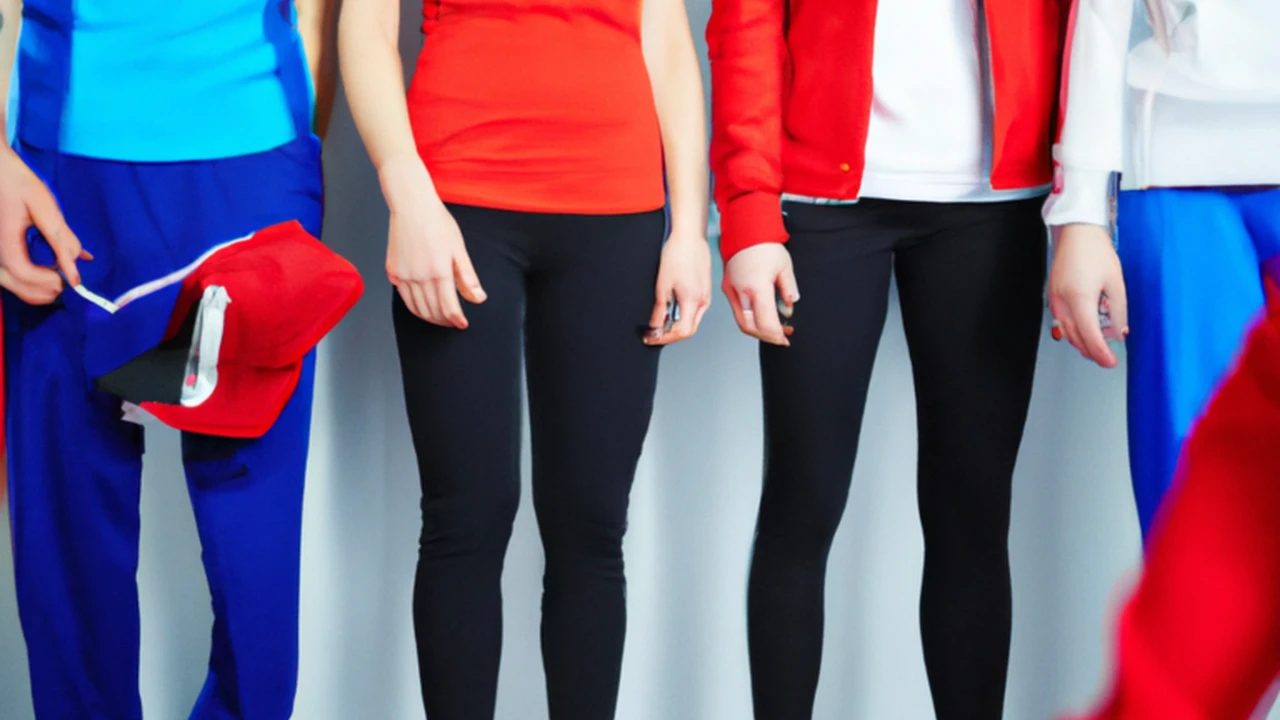
Choosing the right jogging apparel can significantly impact your comfort and performance. The right apparel can help regulate your body temperature, wick away sweat, and prevent chafing. Let's explore the key factors to consider when choosing jogging apparel.
Moisture-Wicking Fabrics Staying Dry and Comfortable
Moisture-wicking fabrics are essential for keeping you dry and comfortable during your runs. These fabrics draw sweat away from your skin and allow it to evaporate quickly. Look for apparel made from polyester, nylon, or merino wool.
Breathability Preventing Overheating
Breathability is another important factor to consider. Breathable apparel allows air to circulate and prevents overheating. Look for apparel with mesh panels or ventilation holes.
Fit and Comfort Freedom of Movement
The fit and comfort of your apparel are crucial for preventing chafing and allowing freedom of movement. Choose apparel that is not too tight or too loose. Try on apparel before you buy it to ensure that it fits comfortably.
Layering Strategies Adapting to Changing Conditions
Layering is a great way to adapt to changing weather conditions. Wear a base layer to wick away sweat, a mid-layer for insulation, and an outer layer for protection from the wind and rain. Adjust your layers as needed to stay comfortable.
Visibility Staying Safe on the Roads
Visibility is essential for staying safe on the roads. Wear apparel with reflective elements to increase your visibility to drivers. Consider wearing bright colors during the day and reflective gear at night.
Top Jogging Apparel Recommendations
Nike Dri-FIT Running T-Shirt
The Nike Dri-FIT Running T-Shirt is a classic running t-shirt that is made from moisture-wicking fabric. It is lightweight, breathable, and comfortable.
- Use Case: Running, training
- Pricing: $30
Lululemon Surge Short
The Lululemon Surge Short is a popular running short that is made from moisture-wicking fabric. It features a comfortable waistband and a built-in liner.
- Use Case: Running, training
- Pricing: $70
Brooks Carbonite Jacket
The Brooks Carbonite Jacket is a lightweight and waterproof running jacket that is made from breathable fabric. It features reflective elements for increased visibility.
- Use Case: Running in wet or cold conditions
- Pricing: $150
Smartwool Merino Wool Socks
Smartwool Merino Wool Socks are a comfortable and breathable option for running socks. They are made from merino wool, which is naturally moisture-wicking and odor-resistant.
- Use Case: Running, hiking
- Pricing: $20
CEP Compression Run Socks
CEP Compression Run Socks are designed to improve blood flow and reduce muscle soreness. They are made from a comfortable and breathable fabric.
- Use Case: Running, recovery
- Pricing: $40
:max_bytes(150000):strip_icc()/277019-baked-pork-chops-with-cream-of-mushroom-soup-DDMFS-beauty-4x3-BG-7505-5762b731cf30447d9cbbbbbf387beafa.jpg)