Reflective Gear for Jogging: Staying Safe at Night
The Ultimate Guide to Jogging Headphones Choosing the Right Audio Companion
Running, or jogging, is often a solitary pursuit, a time for introspection, and a chance to connect with the rhythm of your body and the environment. But let's be honest, sometimes you just need a beat to keep you going. That's where jogging headphones come in. But with a market saturated with options, how do you choose the right audio companion for your runs? This guide delves into the world of jogging headphones, exploring different types, key features, and offering specific recommendations to help you find the perfect fit.
Understanding the Different Types of Jogging Headphones
Before diving into specific products, let's understand the landscape of jogging headphones. The market is broadly divided into these categories:
- In-Ear Headphones (Earbuds): These are small, lightweight, and fit directly into your ear canal. They are popular for their portability and affordability.
- Over-Ear Headphones: These headphones have earcups that completely cover your ears. They generally offer superior sound quality and noise isolation but can be bulky and less ideal for running in warmer weather.
- On-Ear Headphones: These headphones sit on top of your ears. They offer a balance between sound quality and portability, but may not be as secure for high-impact activities.
- Bone Conduction Headphones: These headphones transmit sound through the bones in your skull, leaving your ears open to ambient sounds. They are a popular choice for runners who prioritize situational awareness.
Key Features to Consider When Choosing Jogging Headphones
Choosing the right jogging headphones involves considering several factors. Here's a breakdown of the most important features:
- Fit and Comfort: This is paramount. Headphones that don't fit well will constantly fall out or cause discomfort, ruining your run. Look for headphones with multiple ear tip sizes or adjustable features to ensure a secure and comfortable fit.
- Sweat Resistance/Waterproofing: Running is a sweaty activity. Your headphones need to be able to withstand moisture. Look for headphones with an IPX rating (Ingress Protection) that indicates their level of water resistance. IPX4 is generally considered sweat-resistant, while IPX7 or higher is waterproof.
- Sound Quality: While sound quality might not be the *most* important factor for jogging headphones, it's still a consideration. Look for headphones with a balanced sound profile and good clarity.
- Battery Life: Long runs require long battery life. Consider how long you typically run and choose headphones with sufficient battery capacity. Many headphones also come with charging cases that provide additional battery life.
- Connectivity: Most jogging headphones use Bluetooth for wireless connectivity. Ensure the headphones have a stable Bluetooth connection and a good range.
- Controls: Easy-to-use controls are essential for adjusting volume, skipping tracks, and answering calls while on the move. Look for headphones with intuitive button or touch controls.
- Situational Awareness: Depending on where you run, situational awareness might be crucial. Bone conduction headphones are excellent for this, as they leave your ears open to hear traffic and other environmental sounds. Some in-ear headphones also offer ambient sound modes that allow you to hear your surroundings.
Recommended Jogging Headphones Specific Product Reviews and Use Cases
Now, let's dive into some specific product recommendations. These headphones have been chosen based on their performance in various categories, catering to different needs and budgets.
Jaybird Vista 2 Rugged Wireless Earbuds for Athletes
Overview: The Jaybird Vista 2 is a top-tier choice for serious runners. They are incredibly rugged, waterproof (IP68), and sweatproof. They also feature active noise cancellation (ANC) and SurroundSense technology for situational awareness.
Use Cases: These are ideal for runners who train in all weather conditions and need headphones that can withstand intense workouts. The ANC is great for blocking out distractions in noisy environments, while SurroundSense allows you to hear your surroundings when safety is a concern.
Detailed Information:
- Price: Around $199
- Battery Life: 8 hours (24 hours with charging case)
- Water Resistance: IP68
- Key Features: ANC, SurroundSense, Rugged Design, Customizable EQ
AfterShokz Aeropex Bone Conduction Headphones
Overview: The AfterShokz Aeropex is a popular choice for runners who prioritize situational awareness. They transmit sound through bone conduction, leaving your ears open to hear your surroundings.
Use Cases: These are perfect for runners who run in urban environments or on trails where situational awareness is crucial. They are also a good option for people who find traditional earbuds uncomfortable.
Detailed Information:
- Price: Around $129
- Battery Life: 8 hours
- Water Resistance: IP67
- Key Features: Bone Conduction Technology, Lightweight Design, Open-Ear Awareness
Jabra Elite Active 75t Truly Wireless Earbuds
Overview: The Jabra Elite Active 75t offers a great balance of sound quality, comfort, and durability. They are sweatproof and waterproof, and they feature a compact and comfortable design.
Use Cases: These are a great all-around option for runners who want good sound quality and a comfortable fit. They are also suitable for other activities like gym workouts and casual listening.
Detailed Information:
- Price: Around $149
- Battery Life: 7.5 hours (28 hours with charging case)
- Water Resistance: IP57
- Key Features: Compact Design, Good Sound Quality, Sweatproof and Waterproof
Bose Sport Earbuds Truly Wireless Bluetooth Headphones
Overview: Bose Sport Earbuds are known for their comfortable and secure fit, along with the signature Bose sound quality. They are sweat and weather resistant.
Use Cases: Ideal for runners who prioritize a secure fit and premium audio experience. They are suitable for both indoor and outdoor workouts.
Detailed Information:
- Price: Around $179
- Battery Life: Up to 5 hours (10 hours with charging case)
- Water Resistance: IPX4
- Key Features: Secure Fit, Bose Sound Quality, Simple Touch Controls
Powerbeats Pro Wireless Earphones
Overview: Powerbeats Pro are designed for high-intensity workouts, featuring secure-fit earhooks and reinforced design for sweat and water resistance. They offer a powerful and balanced sound.
Use Cases: Best for runners who require a secure fit during vigorous activities. The earhook design ensures they stay in place during sprints and jumps.
Detailed Information:
- Price: Around $199
- Battery Life: Up to 9 hours (24 hours with charging case)
- Water Resistance: IPX4
- Key Features: Secure-Fit Earhooks, Powerful Sound, Apple H1 Chip
Anker Soundcore Liberty 3 Pro Noise Cancelling Earbuds
Overview: Anker Soundcore Liberty 3 Pro offers premium features like active noise cancellation and personalized sound profiles at a more affordable price point. They are sweatproof and comfortable.
Use Cases: Great for runners who want a high-end experience without breaking the bank. The noise cancellation is effective for blocking out distractions, and the personalized sound profiles ensure an optimal listening experience.
Detailed Information:
- Price: Around $129
- Battery Life: Up to 6 hours (24 hours with charging case)
- Water Resistance: IPX4
- Key Features: Active Noise Cancellation, Personalized Sound, Comfortable Fit
Product Comparison A Detailed Analysis
Let's compare these headphones side-by-side to help you make a more informed decision.
| Headphone | Price | Battery Life | Water Resistance | Key Features | Best For |
|---|---|---|---|---|---|
| Jaybird Vista 2 | $199 | 8 hours (24 hours with case) | IP68 | ANC, SurroundSense, Rugged Design | Serious runners in all weather |
| AfterShokz Aeropex | $129 | 8 hours | IP67 | Bone Conduction, Open-Ear Awareness | Runners prioritizing situational awareness |
| Jabra Elite Active 75t | $149 | 7.5 hours (28 hours with case) | IP57 | Compact Design, Good Sound Quality | All-around runners |
| Bose Sport Earbuds | $179 | 5 hours (10 hours with case) | IPX4 | Secure Fit, Bose Sound Quality | Runners prioritizing fit and sound |
| Powerbeats Pro | $199 | 9 hours (24 hours with case) | IPX4 | Secure-Fit Earhooks, Powerful Sound | Runners needing secure fit during intense workouts |
| Anker Soundcore Liberty 3 Pro | $129 | 6 hours (24 hours with case) | IPX4 | Active Noise Cancellation, Personalized Sound | Runners seeking premium features on a budget |
Detailed Information Pricing Availability and Where to Buy
The prices listed above are approximate and may vary depending on the retailer and any ongoing promotions. Availability can also fluctuate, especially for newer models. Here's a general guide to where you can purchase these headphones:
- Major Online Retailers: Amazon, Best Buy, and other large online retailers are good places to start your search. They often offer competitive pricing and a wide selection.
- Manufacturer Websites: The official websites of Jaybird, AfterShokz, Jabra, Bose, Powerbeats, and Anker are reliable sources for purchasing their headphones. They may also offer exclusive deals or bundles.
- Specialty Electronics Stores: Local electronics stores may carry some of these headphones, allowing you to try them on before you buy.
Beyond the Headphones Additional Considerations for Your Running Audio Setup
Choosing the right headphones is just one piece of the puzzle. Here are some additional factors to consider for your running audio setup:
- Music Streaming Service: Choose a music streaming service that offers a wide variety of music and podcasts to keep you entertained on your runs. Popular options include Spotify, Apple Music, and Amazon Music.
- Running App: Consider using a running app to track your progress, map your routes, and provide motivation. Popular options include Strava, Runkeeper, and Nike Run Club.
- Armband or Running Belt: You'll need a way to carry your phone and other essentials while you run. An armband or running belt is a convenient way to keep your belongings secure and out of the way.
Troubleshooting Common Issues with Jogging Headphones
Even the best jogging headphones can sometimes experience problems. Here are some common issues and how to troubleshoot them:
- Headphones Not Connecting to Bluetooth: Ensure Bluetooth is enabled on your phone and that the headphones are in pairing mode. Try restarting both your phone and the headphones.
- Poor Sound Quality: Check the volume level on both your phone and the headphones. Ensure the ear tips are properly fitted and that there is no debris blocking the sound output.
- Headphones Falling Out: Try different ear tip sizes or adjust the fit of the headphones. Consider using headphones with earhooks for a more secure fit.
- Battery Draining Quickly: Ensure the headphones are fully charged before each run. Avoid using the headphones at maximum volume, as this can drain the battery faster.
- One Earbud Not Working: Try cleaning the contacts on the earbuds and the charging case. Reset the headphones to their factory settings.
The Future of Jogging Headphones Emerging Technologies and Trends
The world of jogging headphones is constantly evolving. Here are some emerging technologies and trends to watch out for:
- Advanced Noise Cancellation: Expect to see more headphones with advanced noise cancellation technology that can adapt to different environments and block out specific types of noise.
- Personalized Sound Profiles: Some headphones are already offering personalized sound profiles based on your hearing ability. This trend is likely to continue, providing a more customized listening experience.
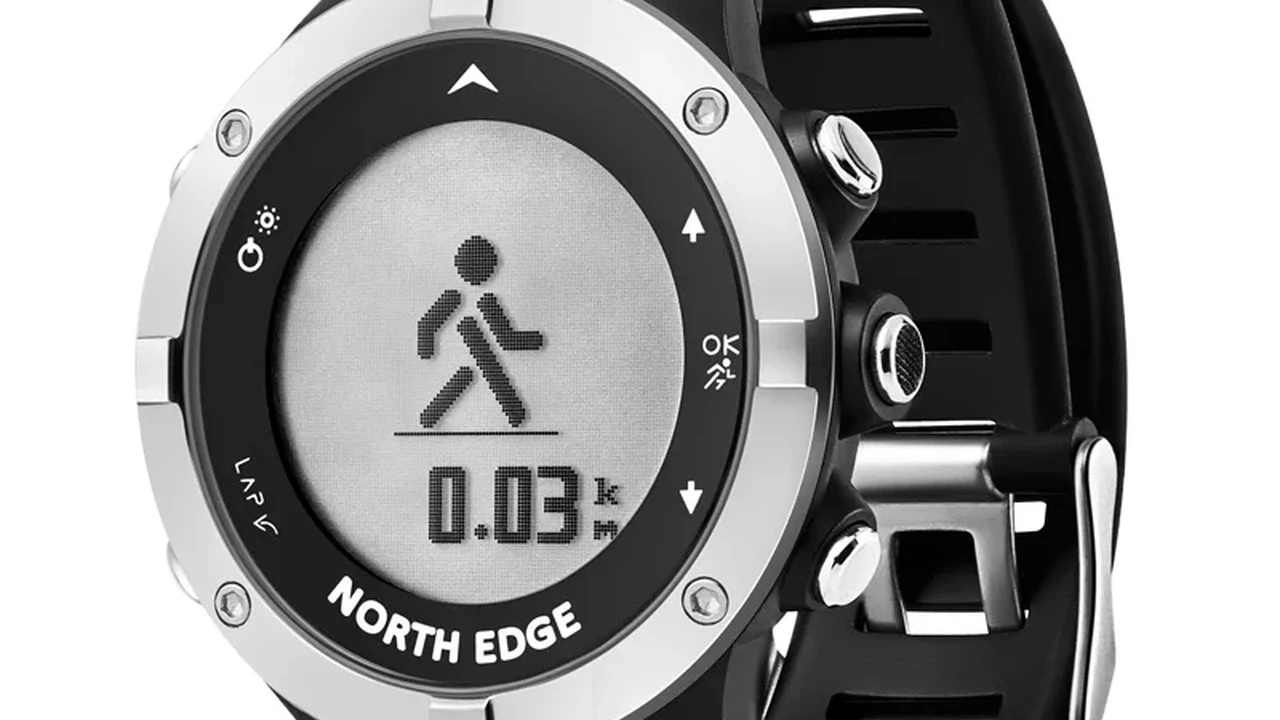
- Integration with Fitness Trackers: Expect to see more headphones that integrate with fitness trackers and provide real-time data on your heart rate, pace, and other metrics.
- Improved Battery Life: Manufacturers are constantly working to improve battery life, allowing you to run longer without needing to recharge your headphones.
- More Sustainable Materials: As consumers become more environmentally conscious, expect to see more headphones made from sustainable materials.
Maintaining Your Jogging Headphones Tips for Longevity
Taking care of your jogging headphones will extend their lifespan and ensure they continue to perform well. Here are some tips for maintaining your headphones:
- Clean your headphones regularly: Use a soft, dry cloth to wipe down your headphones after each run. Pay particular attention to the ear tips, as they can accumulate sweat and debris.
- Store your headphones properly: Store your headphones in a case or pouch when you're not using them to protect them from dust, moisture, and damage.
- Avoid exposing your headphones to extreme temperatures: Extreme temperatures can damage the battery and other components of your headphones.
- Don't pull on the cables: If your headphones have cables, avoid pulling on them, as this can damage the connections.
- Follow the manufacturer's instructions: Always follow the manufacturer's instructions for cleaning, storing, and using your headphones.
DIY Jogging Headphone Modifications Enhancing Your Experience
While not recommended for all users, some people enjoy modifying their jogging headphones to improve their fit, comfort, or sound quality. Here are some common DIY modifications:
- Replacing Ear Tips: Experiment with different ear tip sizes and materials to find the most comfortable and secure fit.
- Adding Earhooks: If your headphones don't have earhooks, you can purchase aftermarket earhooks that attach to the earbuds.
- Using Cable Clips: If your headphones have cables, use cable clips to secure the cables to your clothing and prevent them from bouncing around.
- Applying Waterproofing Spray: You can apply a waterproofing spray to your headphones to provide extra protection against sweat and moisture. However, be careful not to spray the spray directly into the drivers.
The Psychology of Music and Running How Audio Affects Performance
Music can have a profound impact on your running performance. Studies have shown that listening to music while running can:
- Reduce Perceived Exertion: Music can distract you from the feeling of fatigue, making your runs feel easier.
- Improve Motivation: Upbeat music can boost your mood and motivation, helping you push through challenging workouts.
- Enhance Focus: Music can help you focus on your rhythm and pace, improving your efficiency.
- Reduce Stress: Running itself is a stress reliever, and music can amplify this effect.
Choosing the Right Music Genre for Your Runs
The best music genre for running is subjective and depends on your personal preferences. However, here are some popular genres that are known to be effective for running:
- Pop: Upbeat pop music can provide a steady rhythm and boost your energy levels.
- Electronic Dance Music (EDM): EDM is known for its high energy and repetitive beats, which can help you maintain a consistent pace.
- Rock: Rock music can provide a powerful and motivating soundtrack for your runs.
- Hip Hop: Hip hop music often features strong beats and inspiring lyrics, which can help you stay focused and motivated.
Creating the Perfect Running Playlist Tips and Tricks
Creating a running playlist that motivates you and keeps you going is essential. Here are some tips and tricks for creating the perfect running playlist:
- Start with your favorite songs: Begin by adding songs that you already enjoy and that make you feel good.
- Vary the tempo: Include songs with different tempos to match different phases of your run, such as warm-up, steady state, and sprints.
- Consider the lyrics: Choose songs with inspiring or motivational lyrics that resonate with you.
- Experiment with different genres: Don't be afraid to experiment with different genres to find what works best for you.
- Update your playlist regularly: Keep your playlist fresh by adding new songs and removing songs that you're tired of.
Safety Considerations for Using Headphones While Jogging
While headphones can enhance your running experience, it's important to be mindful of safety. Here are some safety considerations to keep in mind:
- Be aware of your surroundings: Don't block out all ambient noise, especially when running in urban environments or on trails.
- Keep the volume at a reasonable level: Avoid listening to music at maximum volume, as this can damage your hearing and make it difficult to hear your surroundings.
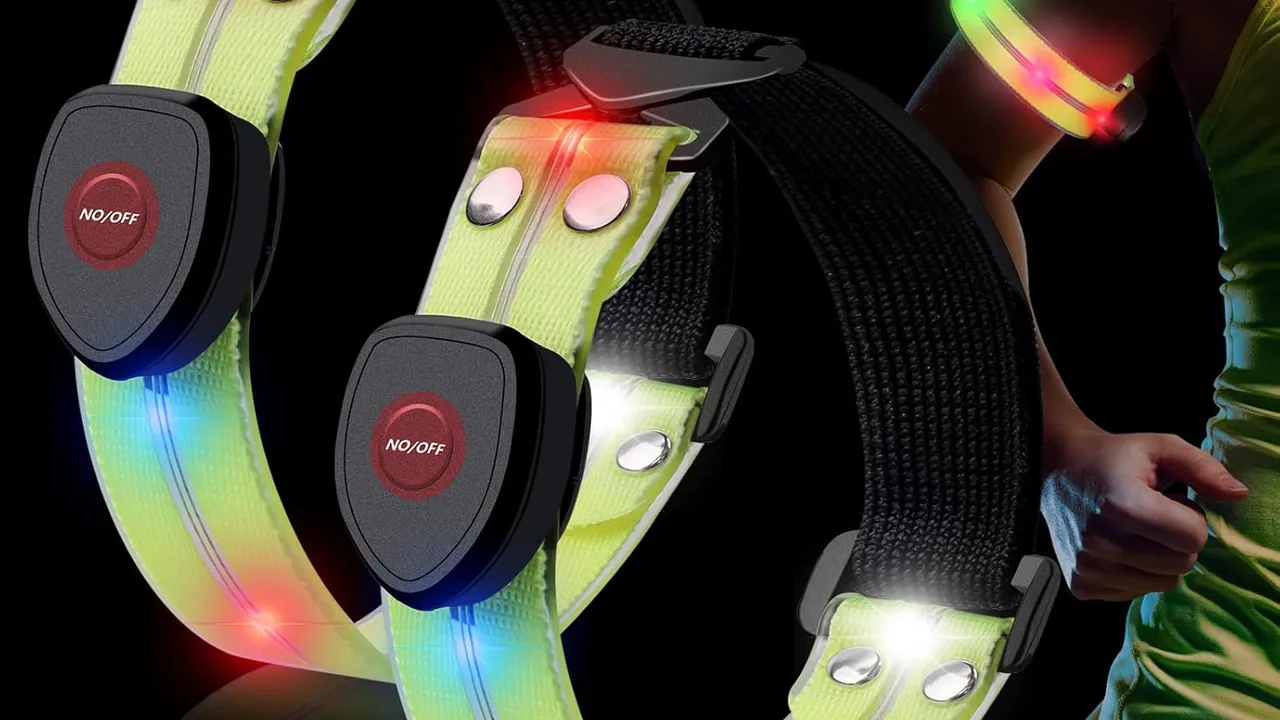
- Run in well-lit areas: If you're running at night, choose well-lit areas and wear reflective gear.
- Let someone know your route: Tell a friend or family member where you're going and when you expect to be back.
Beyond Music Podcasts Audiobooks and Other Audio Content for Runs
While music is a popular choice for running, there are other types of audio content that can also enhance your experience. Consider listening to:
- Podcasts: Podcasts can provide entertainment, education, or inspiration during your runs.
- Audiobooks: Audiobooks can allow you to immerse yourself in a story while you exercise.
- Motivational Speeches: Listening to motivational speeches can help you stay focused and motivated during challenging workouts.
- Nature Sounds: If you prefer a more relaxing and immersive experience, consider listening to nature sounds like birdsong or ocean waves.
The Ethical Considerations of Using Headphones in Public Spaces
Using headphones in public spaces can sometimes raise ethical considerations. Be mindful of the following:
- Respect others' personal space: Avoid playing music too loudly, as this can disturb others.
- Be aware of your surroundings: Pay attention to your surroundings and avoid blocking out all ambient noise.
- Be considerate of others' needs: If someone needs your attention, be willing to remove your headphones and listen.
Conclusion Choosing the Right Headphones for Your Jogging Needs
Choosing the right jogging headphones is a personal decision. Consider your budget, priorities, and running style when making your choice. By considering the factors outlined in this guide, you can find the perfect audio companion to enhance your running experience and help you achieve your fitness goals.
:max_bytes(150000):strip_icc()/277019-baked-pork-chops-with-cream-of-mushroom-soup-DDMFS-beauty-4x3-BG-7505-5762b731cf30447d9cbbbbbf387beafa.jpg)




-vs.-Steady-State-Jogging-for-Weight-Loss.webp)