Jogging for Weight Loss: A Beginner's Plan

The Allure of Jogging Why Start Now
So, you're thinking about taking up jogging? Excellent choice! Jogging isn't just a way to burn calories; it's a gateway to a healthier, happier you. It's a chance to connect with nature (or your neighborhood), clear your head, and build a body that feels strong and capable. But before you lace up those sneakers and hit the pavement, let's dive into why jogging is such a fantastic option and how to get started on the right foot.
First, the benefits are undeniable. Jogging is a cardiovascular powerhouse, strengthening your heart and improving circulation. It helps regulate blood pressure, lowers cholesterol, and reduces your risk of heart disease. Beyond the heart, jogging strengthens your bones and muscles, improving your overall fitness and reducing your risk of injury. And let's not forget the mental benefits! Jogging releases endorphins, those feel-good chemicals that can boost your mood, reduce stress, and even alleviate symptoms of anxiety and depression.
But the real beauty of jogging lies in its accessibility. You don't need fancy equipment or a gym membership. All you need is a pair of comfortable shoes and a willingness to get moving. You can jog anywhere, anytime, making it a perfect fit for busy schedules and varying lifestyles. Whether you prefer a scenic trail, a bustling city street, or the familiar loop of your local park, jogging offers a flexible and adaptable workout that can be tailored to your individual preferences.
So, are you ready to unlock the amazing benefits of jogging? Let's get started!
Essential Jogging Gear Selecting the Right Equipment for Success
While jogging is a relatively low-equipment sport, having the right gear can make a world of difference in your comfort, performance, and injury prevention. Let's break down the essential items you'll need to get started.
The Importance of Proper Running Shoes
Your shoes are arguably the most crucial piece of equipment. Investing in a good pair of running shoes is essential for protecting your feet and joints from impact. Look for shoes that provide adequate cushioning, support, and stability. Consider visiting a specialty running store where a knowledgeable staff member can analyze your gait and recommend shoes that are specifically suited to your foot type and running style. Are you an overpronator? Do you need extra arch support? A professional fitting can help you avoid common running injuries like shin splints and plantar fasciitis.
Product Recommendation: The Brooks Ghost 14 is a popular choice for beginner joggers. It offers excellent cushioning, a smooth ride, and a comfortable fit. It's a versatile shoe that can handle a variety of surfaces and distances.
Use Case: The Brooks Ghost 14 is ideal for everyday jogging, short to medium distance runs, and recovery runs. It's a great option for runners who prioritize comfort and cushioning.
Product Comparison: Compared to the Nike Air Zoom Pegasus 38, the Brooks Ghost 14 offers a softer ride and a more forgiving feel. The Pegasus 38 is a bit more responsive and better suited for faster paces. Another option is the ASICS GEL-Kayano 28, which provides excellent stability and support for overpronators.
Detailed Information: The Brooks Ghost 14 features a DNA LOFT midsole for soft cushioning, a Segmented Crash Pad for smooth transitions, and an engineered mesh upper for breathability. It weighs approximately 10.1 ounces for men and 9.0 ounces for women. Pricing: Typically retails for around $130.
Clothing Considerations for Comfort and Performance
Your clothing should be comfortable, breathable, and allow for a full range of motion. Avoid cotton, which absorbs sweat and can become heavy and uncomfortable. Opt for moisture-wicking fabrics like polyester or nylon. Consider the weather conditions when choosing your clothing. In warmer weather, wear lightweight, breathable shorts or running tights and a moisture-wicking t-shirt or tank top. In colder weather, layer your clothing to stay warm and dry. A base layer, a mid-layer, and a windproof or waterproof outer layer are essential for running in cold and wet conditions.
Product Recommendation: Under Armour HeatGear shirts and shorts are a great option for warm weather running. They are lightweight, breathable, and moisture-wicking.
Use Case: Under Armour HeatGear is ideal for running in hot and humid conditions. It helps keep you cool and dry, preventing chafing and discomfort.
Product Comparison: Compared to Nike Dri-FIT, Under Armour HeatGear offers a slightly more compressive fit. Lululemon Swiftly Tech is another popular option, known for its soft and comfortable feel.
Detailed Information: Under Armour HeatGear is made from a lightweight, four-way stretch fabric that wicks away sweat and dries quickly. It features anti-odor technology to prevent the growth of odor-causing microbes. Pricing: Typically retails for around $25-$40 per item.
Hydration Packs and Water Bottles Staying Hydrated on the Go
Staying hydrated is crucial for performance and preventing dehydration. For shorter runs (under 30 minutes), you may be able to get away with hydrating before and after your run. However, for longer runs, it's essential to carry water with you. Options include handheld water bottles, running belts with water bottle holders, and hydration packs.
Product Recommendation: The Nathan SpeedDraw Plus Insulated Flask is a great option for carrying water on shorter runs. It's lightweight, comfortable to hold, and features an insulated flask to keep your water cool.
Use Case: The Nathan SpeedDraw Plus is ideal for runs up to an hour. It allows you to carry water easily and comfortably without weighing you down.
Product Comparison: Compared to a running belt with water bottle holders, the Nathan SpeedDraw Plus is more streamlined and less bulky. Hydration packs are a better option for longer runs where you need to carry more water.
Detailed Information: The Nathan SpeedDraw Plus features an insulated flask that holds up to 18 ounces of water. It has an adjustable hand strap for a comfortable and secure grip. Pricing: Typically retails for around $30.
Fitness Trackers and Smartwatches Monitoring Your Progress
While not essential, fitness trackers and smartwatches can be valuable tools for monitoring your progress and staying motivated. They can track your distance, pace, heart rate, calories burned, and more. Many models also offer GPS tracking, allowing you to map your runs and analyze your performance.
Product Recommendation: The Garmin Forerunner 245 is a popular choice for runners of all levels. It offers accurate GPS tracking, heart rate monitoring, and a variety of advanced running metrics.
Use Case: The Garmin Forerunner 245 is ideal for tracking your runs, monitoring your progress, and analyzing your performance. It can help you identify areas for improvement and stay motivated to reach your goals.
Product Comparison: Compared to the Apple Watch Series 7, the Garmin Forerunner 245 is more focused on running-specific features and offers longer battery life. The Fitbit Charge 5 is a more affordable option, but it lacks some of the advanced features of the Garmin Forerunner 245.
Detailed Information: The Garmin Forerunner 245 features GPS, GLONASS, and Galileo satellite connectivity for accurate tracking. It has a heart rate sensor, a pulse oximeter, and a variety of advanced running metrics. Pricing: Typically retails for around $300.
Warming Up and Cooling Down Preparing Your Body for Optimal Performance
Before you start jogging, it's crucial to warm up your muscles to prevent injury. A proper warm-up increases blood flow to your muscles, improves flexibility, and prepares your body for exercise. After your run, it's equally important to cool down to help your body recover and reduce muscle soreness.
Dynamic Stretching Before Your Run
Dynamic stretching involves active movements that take your joints through a full range of motion. Examples of dynamic stretches include arm circles, leg swings, torso twists, and walking lunges. Perform these stretches for 5-10 minutes before your run.
Example Dynamic Stretching Routine:
- Arm Circles (forward and backward): 10 repetitions each direction
- Leg Swings (forward and sideways): 10 repetitions each leg
- Torso Twists: 10 repetitions each side
- Walking Lunges: 10 repetitions each leg
- High Knees: 20 repetitions
- Butt Kicks: 20 repetitions
Static Stretching After Your Run
Static stretching involves holding a stretch for 20-30 seconds. Examples of static stretches include hamstring stretches, calf stretches, quadriceps stretches, and hip flexor stretches. Perform these stretches for 5-10 minutes after your run.
Example Static Stretching Routine:
- Hamstring Stretch (standing or seated): Hold for 30 seconds each leg
- Calf Stretch (against a wall): Hold for 30 seconds each leg
- Quadriceps Stretch (standing, holding your foot): Hold for 30 seconds each leg
- Hip Flexor Stretch (lunge position): Hold for 30 seconds each leg
- Triceps Stretch (reaching behind your head): Hold for 30 seconds each arm
Proper Jogging Form Techniques for Efficiency and Injury Prevention
Maintaining proper form is essential for efficient running and preventing injuries. Here are some key points to keep in mind:
Posture and Body Alignment
Stand tall with your head up, shoulders relaxed, and core engaged. Avoid slouching or hunching over. Keep your eyes focused forward and maintain a neutral spine. Imagine a string pulling you up from the top of your head.
Foot Strike and Stride Length
Aim to land midfoot, rather than on your heel. This reduces the impact on your joints. Your stride length should be natural and comfortable. Avoid overstriding, which can lead to injuries. A shorter, quicker stride is generally more efficient.
Arm Swing and Cadence
Keep your arms bent at a 90-degree angle and swing them forward and backward, not across your body. Your arm swing should be relaxed and controlled. Aim for a cadence of around 170-180 steps per minute. This can help you improve your efficiency and reduce your risk of injury.
Building a Jogging Plan Starting Slow and Gradually Increasing Intensity
One of the biggest mistakes beginners make is starting too fast and doing too much too soon. This can lead to injuries and burnout. It's essential to start slow and gradually increase your intensity and duration over time. Here's a sample jogging plan for beginners:
Week 1-2: Walk-Jog Intervals
Alternate between walking and jogging. For example, walk for 5 minutes, then jog for 1 minute, and repeat for 20-30 minutes. Do this 3-4 times per week.
Week 3-4: Increasing Jogging Time
Gradually increase the amount of time you spend jogging and decrease the amount of time you spend walking. For example, walk for 3 minutes, then jog for 3 minutes, and repeat for 25-35 minutes. Do this 3-4 times per week.
Week 5-6: Running More Continuously
Try to run for longer periods of time without stopping. For example, walk for 2 minutes, then jog for 5 minutes, and repeat for 30-40 minutes. Do this 3-4 times per week.
Week 7-8: Maintaining a Consistent Pace
Focus on maintaining a consistent pace throughout your runs. Try to run for 30-45 minutes without stopping. Do this 3-4 times per week.
Common Jogging Injuries Prevention and Treatment
Jogging is a relatively low-impact sport, but injuries can still occur. Here are some common jogging injuries and how to prevent and treat them:
Shin Splints Understanding the Causes and Solutions
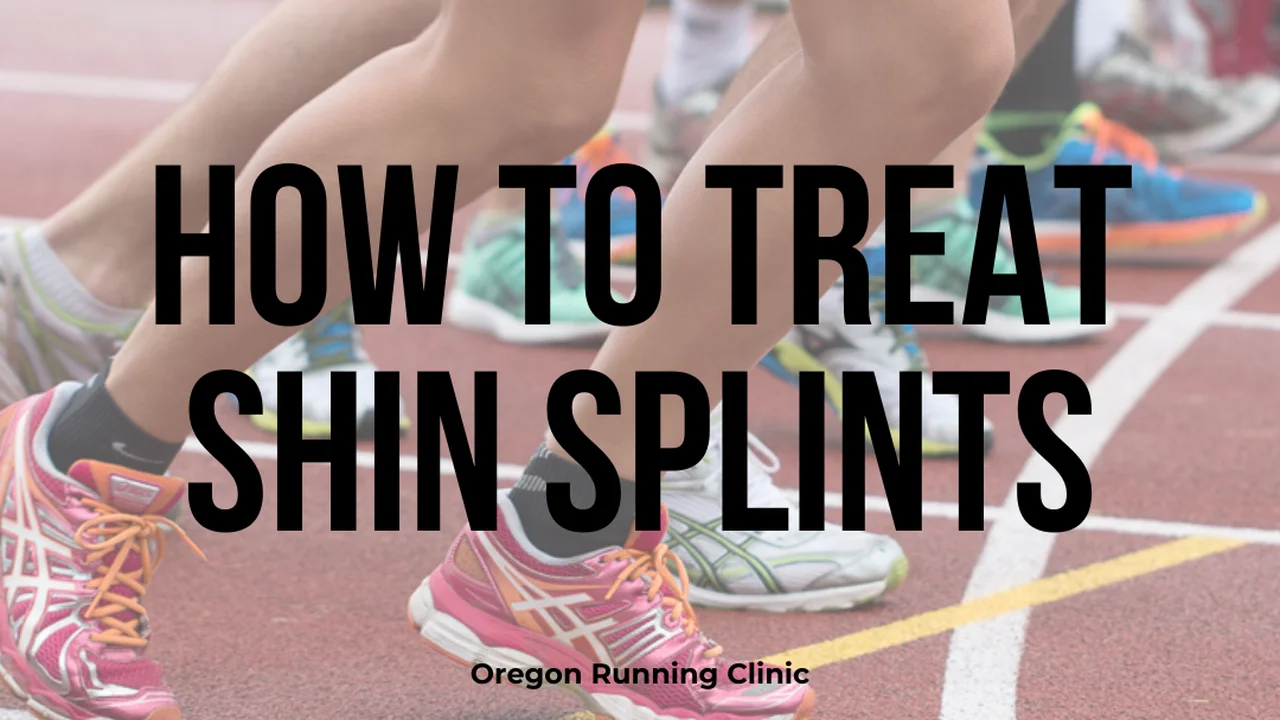
Shin splints are pain in the front of the lower leg, caused by inflammation of the muscles, tendons, and bone tissue around the tibia (shinbone). They are often caused by overuse, improper footwear, or running on hard surfaces.
Prevention:
- Wear proper running shoes.
- Gradually increase your mileage.
- Run on softer surfaces.
- Stretch your calf muscles regularly.
- Strengthen your shin muscles.
Treatment:
- Rest.
- Ice.
- Compression.
- Elevation.
- Over-the-counter pain relievers.
- See a doctor if the pain persists.
Plantar Fasciitis Addressing Heel Pain and Inflammation
Plantar fasciitis is pain in the heel and arch of the foot, caused by inflammation of the plantar fascia, a thick band of tissue that runs along the bottom of the foot. It is often caused by overuse, improper footwear, or tight calf muscles.
Prevention:
- Wear proper running shoes with good arch support.
- Stretch your calf muscles regularly.
- Roll your foot over a tennis ball or frozen water bottle.
- Avoid running on hard surfaces.
Treatment:
- Rest.
- Ice.
- Stretch your plantar fascia.
- Wear a night splint.
- Over-the-counter pain relievers.
- See a doctor if the pain persists.
Runner's Knee Managing Pain Around the Kneecap
Runner's knee, also known as patellofemoral pain syndrome, is pain around the kneecap. It is often caused by overuse, muscle imbalances, or improper alignment.
Prevention:
- Strengthen your quadriceps, hamstrings, and glutes.
- Stretch your quadriceps, hamstrings, and calf muscles.
- Wear proper running shoes with good support.
- Avoid running on hard surfaces.
Treatment:
- Rest.
- Ice.
- Compression.
- Elevation.
- Over-the-counter pain relievers.
- Physical therapy.
- See a doctor if the pain persists.
Staying Motivated Tips and Tricks for Long-Term Success
Staying motivated can be a challenge, especially when you're first starting out. Here are some tips and tricks to help you stay on track:
Setting Realistic Goals and Celebrating Milestones
Set realistic goals that are achievable and measurable. Start small and gradually increase your goals over time. Celebrate your milestones, no matter how small they may seem. This will help you stay motivated and track your progress.
Finding a Running Buddy or Joining a Running Group
Running with a friend or joining a running group can provide support, accountability, and motivation. It can also make your runs more enjoyable.
Varying Your Routes and Adding Cross-Training
Running the same route every day can become monotonous. Try varying your routes to keep things interesting. Adding cross-training activities like swimming, cycling, or yoga can help prevent injuries and improve your overall fitness.
Using Music or Podcasts to Stay Entertained
Listening to music or podcasts can help you stay entertained and motivated during your runs. Create a playlist of your favorite upbeat songs or find a podcast that you enjoy.
Nutrition and Hydration Fueling Your Body for Optimal Jogging Performance
Proper nutrition and hydration are essential for fueling your body and optimizing your jogging performance.
Pre-Run Fueling Choosing the Right Foods Before You Jog
Eat a light, easily digestible meal or snack 1-2 hours before your run. Choose foods that are high in carbohydrates and low in fat and fiber. Examples include:
- A banana
- A piece of toast with peanut butter
- A small bowl of oatmeal
During-Run Hydration Maintaining Electrolyte Balance
Drink water before, during, and after your run to stay hydrated. For runs longer than an hour, consider drinking a sports drink to replenish electrolytes.
Post-Run Recovery Replenishing Nutrients and Rehydrating
Eat a meal or snack that is high in carbohydrates and protein within 30-60 minutes after your run. This will help your muscles recover and rebuild. Examples include:
- A protein shake
- A chicken breast with brown rice
- A Greek yogurt with berries
Advanced Jogging Techniques Taking Your Running to the Next Level
Once you've established a consistent jogging routine, you can start incorporating advanced techniques to improve your performance and challenge yourself.
Interval Training Boosting Speed and Endurance
Interval training involves alternating between periods of high-intensity running and periods of rest or low-intensity running. This can help you improve your speed and endurance.
Hill Repeats Building Strength and Power
Hill repeats involve running up a hill and then jogging or walking back down. This can help you build strength and power in your legs.
Tempo Runs Improving Your Lactate Threshold
Tempo runs involve running at a comfortably hard pace for a sustained period of time. This can help you improve your lactate threshold, which is the point at which your body starts to produce lactic acid faster than it can clear it.
Jogging for Weight Loss Maximizing Calorie Burn and Fat Loss
Jogging is an excellent way to burn calories and lose weight. Here are some tips for maximizing calorie burn and fat loss:
Increasing Intensity and Duration for Calorie Expenditure
Increase the intensity and duration of your runs to burn more calories. Try incorporating interval training or hill repeats into your workouts.
Combining Jogging with a Healthy Diet for Optimal Results
Combine jogging with a healthy diet to maximize your weight loss results. Focus on eating whole, unprocessed foods and limiting your intake of processed foods, sugary drinks, and unhealthy fats.
Tracking Your Progress and Adjusting Your Plan as Needed
Track your progress and adjust your plan as needed. Monitor your weight, body fat percentage, and other metrics to see how you're doing. If you're not seeing results, adjust your diet and exercise plan accordingly.
Jogging and Mental Health Finding Stress Relief and Improved Well-being
Jogging isn't just good for your physical health; it's also great for your mental health. Jogging can help reduce stress, improve your mood, and boost your self-esteem.
The Mind-Body Connection Understanding the Benefits of Exercise
Exercise has a powerful effect on your brain. It releases endorphins, which have mood-boosting effects. It also reduces stress hormones like cortisol.
Using Jogging as a Form of Meditation and Mindfulness
Focus on your breath and your surroundings during your runs. This can help you clear your head and reduce stress. Try to be present in the moment and appreciate the scenery around you.
Connecting with Nature and Enjoying the Outdoors
Running outdoors can be a great way to connect with nature and enjoy the fresh air. Choose routes that are scenic and peaceful. This can help you relax and reduce stress.
:max_bytes(150000):strip_icc()/277019-baked-pork-chops-with-cream-of-mushroom-soup-DDMFS-beauty-4x3-BG-7505-5762b731cf30447d9cbbbbbf387beafa.jpg)