Preventing Knee Pain While Jogging
Understanding the Fundamentals of Proper Jogging Form
Let's dive deep into the core principles that underpin effective and injury-free jogging. It's not just about putting one foot in front of the other; it's about optimizing your body mechanics for efficiency and longevity. Think of it as building a solid foundation for a lifetime of enjoyable jogging.
The Importance of Posture in Jogging
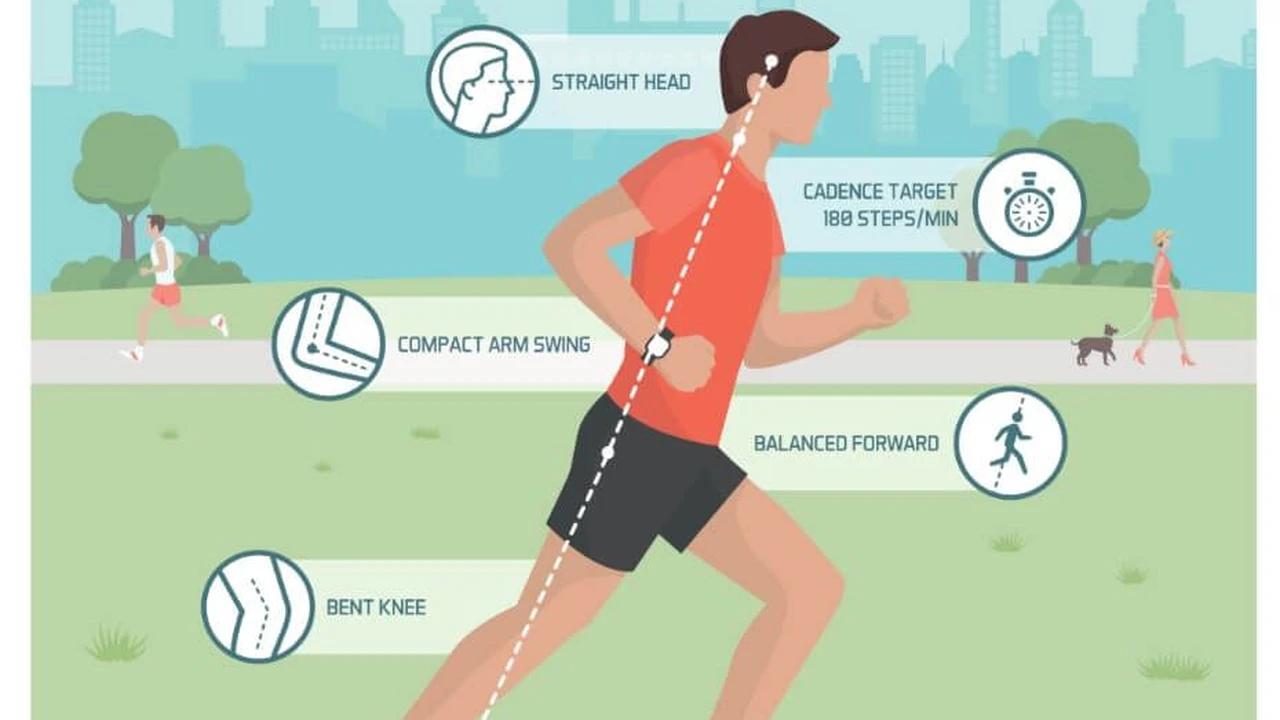
Your posture is the cornerstone of your jogging form. Imagine a straight line running from your ear, through your shoulder, hip, and knee, all the way down to your ankle. Maintaining this alignment minimizes stress on your joints and allows your muscles to work efficiently. Slouching or leaning forward can lead to back pain, neck strain, and reduced lung capacity. Engage your core muscles to maintain an upright posture. Think about gently pulling your belly button towards your spine – this will stabilize your torso and prevent excessive swaying.
Cadence and Stride Length Optimizing Your Steps
Cadence, or the number of steps you take per minute, is a crucial element of jogging form. A higher cadence, generally around 170-180 steps per minute, is often recommended as it reduces the impact on your joints and promotes a more efficient stride. Experiment with different cadences to find what feels most natural and comfortable for you. Avoid overstriding, which means reaching too far forward with your leading foot. This can put excessive stress on your knees and hips. Instead, aim for a shorter, quicker stride that lands closer to your center of gravity.
Arm Movement The Role of Your Upper Body
Your arms play a vital role in propelling you forward and maintaining balance. Keep your arms bent at a 90-degree angle and swing them forward and backward, not across your body. Avoid clenching your fists, as this can create tension in your shoulders and neck. Relax your hands and imagine holding a fragile egg. The movement should originate from your shoulders, not your elbows. Your arm swing should be natural and fluid, complementing your leg movement.
Foot Strike Understanding Your Landing
The way your foot strikes the ground can significantly impact your risk of injury. There are three main types of foot strikes: heel strike, midfoot strike, and forefoot strike. While there's no single "best" foot strike, many experts recommend aiming for a midfoot strike, where you land on the middle of your foot. This distributes the impact more evenly and reduces stress on your heel and knees. However, forcing a midfoot strike can be counterproductive if it feels unnatural. Focus on landing softly and quietly, regardless of your foot strike pattern.
Essential Gear for Enhancing Jogging Performance and Comfort
The right gear can make a world of difference in your jogging experience. From shoes to apparel, investing in quality equipment can enhance your comfort, performance, and injury prevention.
Choosing the Right Jogging Shoes A Comprehensive Guide
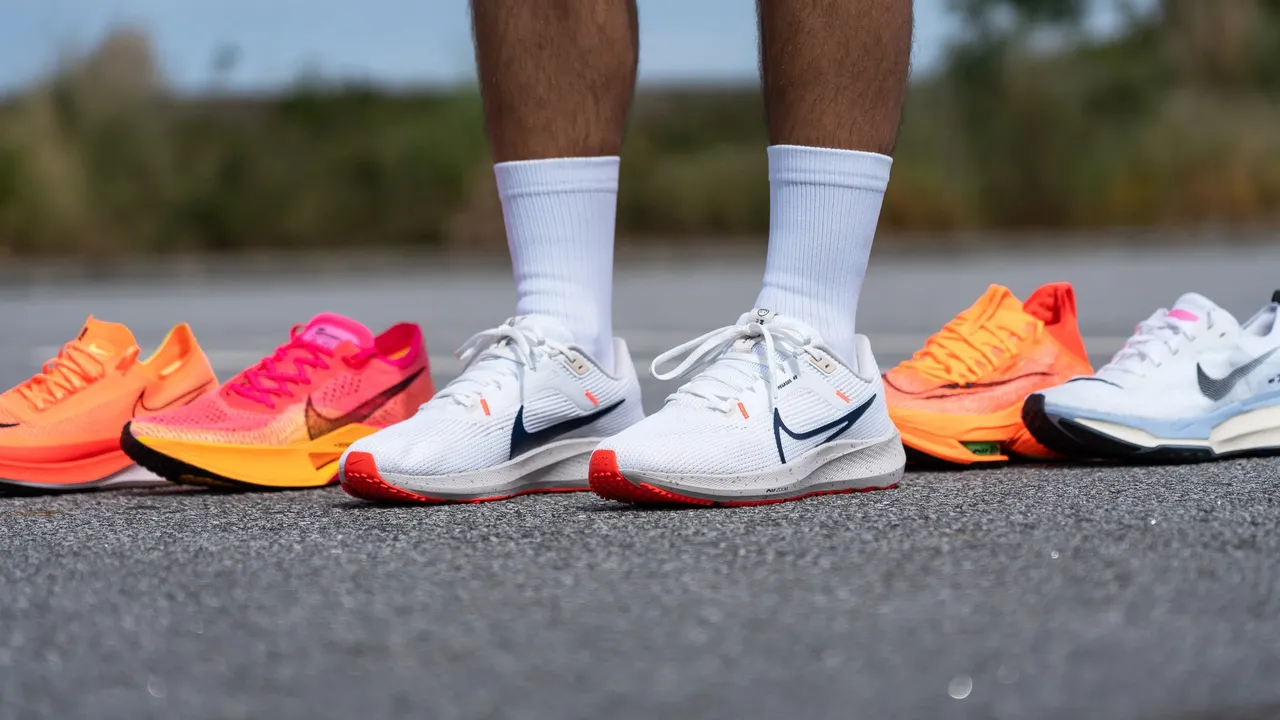
Your shoes are arguably the most important piece of gear for jogging. They provide cushioning, support, and stability, protecting your feet and joints from impact. When choosing jogging shoes, consider your foot type, running style, and the terrain you'll be jogging on. Visit a specialty running store for a professional fitting. They can analyze your gait and recommend shoes that are best suited for your needs. Look for shoes with adequate cushioning, a supportive midsole, and a breathable upper. Replace your shoes every 300-500 miles, or when you notice signs of wear and tear.
Product Recommendation: Brooks Ghost 14
The Brooks Ghost 14 is a highly-rated neutral running shoe known for its smooth ride and comfortable fit. It features Brooks' DNA LOFT cushioning, which provides a soft and responsive feel underfoot. The Ghost 14 is a versatile shoe that's suitable for a wide range of runners and distances. Use Case: Daily training, long runs, recovery runs. Pricing: Approximately $130.
Product Comparison: Brooks Ghost 14 vs. Hoka Clifton 8
Both the Brooks Ghost 14 and the Hoka Clifton 8 are popular neutral running shoes, but they offer different experiences. The Ghost 14 provides a more traditional running feel with a balanced blend of cushioning and responsiveness. The Clifton 8, on the other hand, offers a softer, more cushioned ride with a higher stack height. Consider your personal preferences and running style when choosing between these two shoes. If you prefer a firmer, more responsive feel, the Ghost 14 may be a better choice. If you prioritize cushioning and comfort, the Clifton 8 may be more suitable.
The Importance of Moisture-Wicking Apparel
Wearing moisture-wicking apparel can help keep you cool and dry during your jogs. Fabrics like polyester, nylon, and merino wool wick away sweat from your skin, preventing chafing and discomfort. Avoid cotton clothing, as it absorbs sweat and can become heavy and uncomfortable. Look for apparel with features like flat seams and strategically placed ventilation to further enhance comfort.
Product Recommendation: Nike Dri-FIT Running T-Shirt
The Nike Dri-FIT Running T-Shirt is a lightweight and breathable shirt made from Nike's Dri-FIT fabric, which wicks away sweat to keep you dry and comfortable. It features a slim fit and reflective details for enhanced visibility. Use Case: All types of jogging, from short runs to long distances. Pricing: Approximately $30.
Product Comparison: Nike Dri-FIT vs. Adidas AEROREADY
Both Nike Dri-FIT and Adidas AEROREADY are moisture-wicking technologies used in running apparel. They both effectively wick away sweat, but there are subtle differences. Nike Dri-FIT tends to be slightly lighter and more breathable, while Adidas AEROREADY often provides a more comfortable and softer feel against the skin. Ultimately, the best choice depends on your personal preferences.
Utilizing Fitness Trackers and Smartwatches for Performance Monitoring
Fitness trackers and smartwatches can provide valuable insights into your jogging performance. They can track your distance, pace, heart rate, and cadence, allowing you to monitor your progress and identify areas for improvement. Many fitness trackers also offer features like GPS tracking, sleep monitoring, and smartphone notifications.
Product Recommendation: Garmin Forerunner 245
The Garmin Forerunner 245 is a mid-range GPS running watch that offers a comprehensive suite of features for runners. It tracks distance, pace, heart rate, cadence, and more. It also provides advanced training metrics like VO2 max, training effect, and recovery time. Use Case: Serious runners who want to track their performance and optimize their training. Pricing: Approximately $300.
Product Comparison: Garmin Forerunner 245 vs. Apple Watch Series 7
The Garmin Forerunner 245 and the Apple Watch Series 7 are both excellent fitness trackers, but they cater to different audiences. The Forerunner 245 is geared towards serious runners who want detailed performance metrics and a long battery life. The Apple Watch Series 7 is a more versatile smartwatch that offers a wider range of features, including smartphone notifications, music playback, and access to apps. If you're primarily focused on running and want a dedicated running watch, the Forerunner 245 is a better choice. If you want a smartwatch with fitness tracking capabilities, the Apple Watch Series 7 is a more well-rounded option.
Warm-up and Cool-down Routines for Injury Prevention
Proper warm-up and cool-down routines are essential for preventing injuries and improving performance. A warm-up prepares your muscles for activity, while a cool-down helps your body recover.
Dynamic Stretching Exercises for Pre-Jogging Preparation
Dynamic stretching involves controlled movements that gradually increase your range of motion. These exercises help warm up your muscles and prepare them for the demands of jogging. Examples of dynamic stretches include leg swings, arm circles, torso twists, and walking lunges. Perform each exercise for 10-15 repetitions.
Static Stretching Exercises for Post-Jogging Recovery
Static stretching involves holding a stretch for 20-30 seconds. These exercises help improve flexibility and reduce muscle soreness. Examples of static stretches include hamstring stretches, calf stretches, quadriceps stretches, and hip flexor stretches. Hold each stretch for 20-30 seconds, and repeat 2-3 times.
Foam Rolling for Muscle Recovery and Injury Prevention
Foam rolling is a self-massage technique that can help release muscle tension and improve flexibility. Use a foam roller to massage your legs, back, and other areas that feel tight or sore. Roll each area for 30-60 seconds.
Product Recommendation: TriggerPoint GRID Foam Roller
The TriggerPoint GRID Foam Roller is a popular and effective foam roller that features a multi-density surface to target different muscle groups. It's durable, lightweight, and easy to use. Use Case: Muscle recovery, injury prevention, improving flexibility. Pricing: Approximately $35.
Product Comparison: TriggerPoint GRID vs. RumbleRoller
Both the TriggerPoint GRID and the RumbleRoller are popular foam rollers, but they offer different levels of intensity. The TriggerPoint GRID features a multi-density surface that provides a moderate level of massage, while the RumbleRoller features aggressive bumps that provide a deeper, more intense massage. If you're new to foam rolling, the TriggerPoint GRID may be a better starting point. If you're an experienced foam roller and prefer a more intense massage, the RumbleRoller may be a better choice.
Advanced Jogging Techniques for Enhanced Performance
Once you've mastered the fundamentals of jogging form, you can explore advanced techniques to further enhance your performance.
Hill Training Building Strength and Endurance
Hill training involves incorporating hills into your jogging routes. Running uphill strengthens your leg muscles and improves your cardiovascular fitness. Start with short, gradual hills and gradually increase the length and steepness of the hills as you get stronger. Focus on maintaining good form while running uphill, and shorten your stride if necessary.
Interval Training Improving Speed and Stamina
Interval training involves alternating between high-intensity bursts of jogging and periods of recovery. This type of training can improve your speed, stamina, and cardiovascular fitness. Examples of interval workouts include running sprints followed by jogging or walking recovery periods. Adjust the intensity and duration of the intervals based on your fitness level.
Tempo Runs Enhancing Aerobic Capacity
A tempo run is a sustained effort run performed at a comfortably hard pace. This type of training helps improve your aerobic capacity and your ability to run faster for longer periods of time. Warm up thoroughly before starting your tempo run, and cool down afterwards.
Addressing Common Jogging Injuries and Prevention Strategies
Jogging injuries are common, but many can be prevented with proper form, gear, and training practices.
Understanding and Preventing Shin Splints
Shin splints are a common injury that causes pain along the shinbone. They are often caused by overuse, improper footwear, or poor running form. To prevent shin splints, wear supportive shoes, gradually increase your mileage, and avoid running on hard surfaces. If you develop shin splints, rest, ice the affected area, and consider using a compression sleeve.
Dealing with Plantar Fasciitis
Plantar fasciitis is a condition that causes pain in the heel and arch of the foot. It is often caused by overuse, tight calf muscles, or improper footwear. To prevent plantar fasciitis, stretch your calf muscles regularly, wear supportive shoes, and consider using orthotics. If you develop plantar fasciitis, rest, ice the affected area, and consider using a night splint.
Managing Knee Pain While Jogging
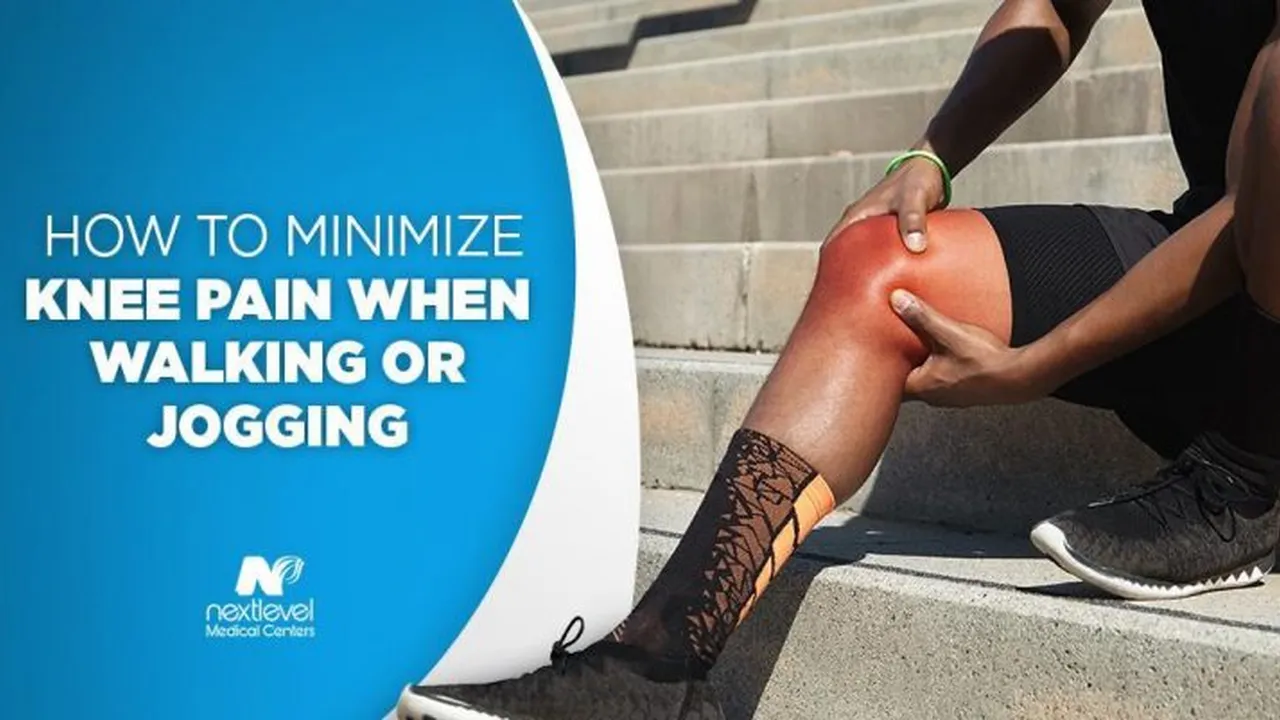
Knee pain is a common complaint among joggers. It can be caused by a variety of factors, including poor running form, overuse, or underlying conditions. To prevent knee pain, maintain good running form, gradually increase your mileage, and wear supportive shoes. If you experience knee pain, rest, ice the affected area, and consider using a knee brace.
Product Recommendation: DonJoy Performance Webtech Knee Sleeve
The DonJoy Performance Webtech Knee Sleeve provides support and compression to the knee joint, helping to reduce pain and inflammation. It features a silicone web that absorbs shock and distributes pressure. Use Case: Knee pain relief, injury prevention, support during jogging. Pricing: Approximately $60.
Product Comparison: DonJoy Performance Webtech vs. Bauerfeind Genutrain
Both the DonJoy Performance Webtech and the Bauerfeind Genutrain are high-quality knee braces that provide support and compression. The Webtech features a silicone web for shock absorption, while the Genutrain features a knitted fabric that provides a more comfortable and breathable fit. The best choice depends on your individual needs and preferences. If you prioritize shock absorption, the Webtech may be a better choice. If you prioritize comfort and breathability, the Genutrain may be more suitable.
Nutrition and Hydration Strategies for Optimal Jogging Performance
Proper nutrition and hydration are essential for fueling your jogs and supporting recovery.
Pre-Jogging Fueling Options
Before a jog, consume a light, easily digestible meal or snack that provides carbohydrates for energy. Examples include a banana, a piece of toast with peanut butter, or a small bowl of oatmeal.
Hydration Guidelines for Joggers
Stay hydrated by drinking plenty of water throughout the day. Drink water before, during, and after your jogs. Consider carrying a water bottle with you on longer runs. Electrolyte drinks can be helpful for replenishing electrolytes lost through sweat, especially during hot weather or longer runs.
Post-Jogging Recovery Nutrition
After a jog, consume a meal or snack that provides carbohydrates and protein to replenish glycogen stores and repair muscle tissue. Examples include a protein shake, a yogurt with fruit, or a chicken breast with rice and vegetables.
Maintaining Motivation and Enjoyment in Your Jogging Routine
Staying motivated and enjoying your jogging routine is key to long-term success.
Setting Realistic Goals and Tracking Progress
Set realistic goals that are achievable and measurable. Track your progress to stay motivated and see how far you've come. Celebrate your successes along the way.
Finding a Jogging Buddy or Joining a Running Club
Jogging with a buddy or joining a running club can provide motivation, support, and accountability. It can also make your jogs more enjoyable.
Varying Your Routes and Workouts
Avoid boredom by varying your jogging routes and workouts. Explore new areas, try different types of training, and listen to music or podcasts while you jog.
Listening to Your Body and Taking Rest Days
Listen to your body and take rest days when you need them. Overtraining can lead to injuries and burnout. Rest and recovery are essential for allowing your body to adapt and improve.
:max_bytes(150000):strip_icc()/277019-baked-pork-chops-with-cream-of-mushroom-soup-DDMFS-beauty-4x3-BG-7505-5762b731cf30447d9cbbbbbf387beafa.jpg)