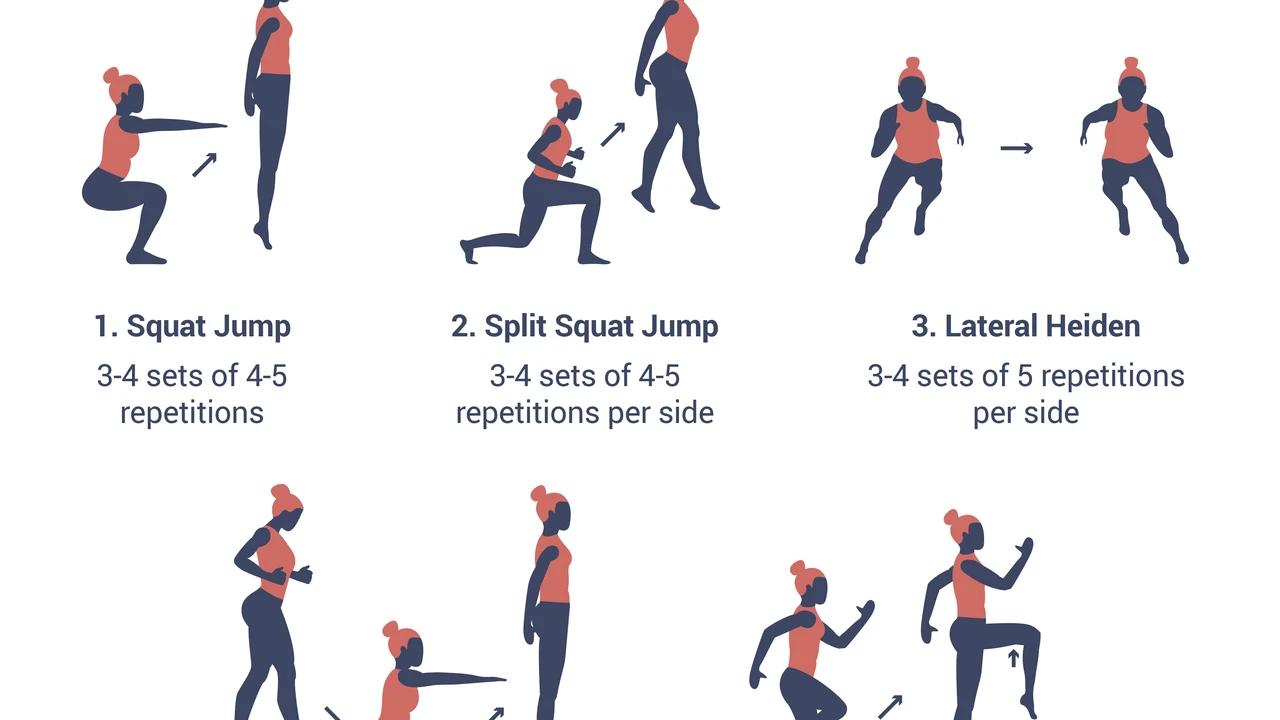
Plyometrics for Joggers: Improving Power and Speed
Mastering your jogging technique and form is crucial for preventing injuries, improving efficiency, and maximizing performance. This comprehensive guide explores advanced techniques, common mistakes, and expert tips to help you refine your running stride and achieve your fitness goals.
Understanding the Fundamentals of Proper Jogging Form
Let's start with the basics. Good jogging form isn't just about looking good; it's about minimizing stress on your body and making the most of each stride. Think of it as an investment in your long-term running health.
Posture: Stand tall with a slight lean forward from the ankles, not the waist. Imagine a string pulling you up from the crown of your head. This alignment helps engage your core and prevent slouching, which can compress your lungs and restrict breathing.
Foot Strike: Aim for a midfoot strike, landing softly under your hips. Avoid overstriding (landing with your heel too far in front of your body), as this creates a braking effect and increases impact on your joints. A midfoot strike distributes the force more evenly, reducing the risk of shin splints and other injuries.
Cadence: Cadence refers to the number of steps you take per minute. A higher cadence (around 170-180 steps per minute) is generally recommended, as it shortens your stride length, reduces impact, and improves efficiency. You can use a metronome or a running app to help you find and maintain your ideal cadence.
Arm Swing: Keep your arms bent at a 90-degree angle and swing them forward and back, not across your body. Your arm swing should be relaxed and natural, contributing to your forward momentum. Avoid clenching your fists, as this can create tension in your shoulders and neck.
Breathing: Breathe deeply and rhythmically, using both your nose and mouth. Focus on filling your diaphragm with air, which will help you relax and improve oxygen intake. Experiment with different breathing patterns (e.g., 3:2 or 2:2 – three steps inhale, two steps exhale) to find what works best for you.
Common Jogging Form Mistakes and How to Correct Them
Even experienced runners can fall into bad habits. Identifying and correcting these common mistakes can make a significant difference in your performance and injury prevention.
Overstriding: As mentioned earlier, overstriding is a major culprit in running injuries. To correct it, focus on landing your foot closer to your body and increasing your cadence. Imagine running on hot coals – you want to take quick, light steps.
Slouching: Slouching not only looks bad but also restricts your breathing and puts unnecessary strain on your back. Maintain a tall posture with your shoulders relaxed and your core engaged. Regularly check your posture in a mirror or ask a friend to observe you while running.
Heel Striking: Heel striking sends a shockwave up your leg, increasing the risk of shin splints, knee pain, and other injuries. Work on transitioning to a midfoot strike by consciously landing on the middle of your foot. You can also try running barefoot on a soft surface to improve your foot strike.
Arm Crossing: Swinging your arms across your body wastes energy and can lead to imbalances. Keep your arms moving straight forward and back, like pistons. Imagine drawing a line down the center of your body and keeping your arms within that line.
Tensing Up: Many runners tense up their shoulders, neck, and hands, which wastes energy and can lead to muscle fatigue. Consciously relax your body while running, focusing on keeping your shoulders loose and your hands unclenched. Shake out your arms and legs occasionally to release tension.
Advanced Jogging Techniques for Improved Performance
Once you've mastered the fundamentals, you can explore more advanced techniques to further improve your performance and efficiency.
Hill Running: Hill running is a great way to build strength and power. When running uphill, shorten your stride, increase your cadence, and lean slightly forward. When running downhill, maintain a controlled pace and avoid overstriding.
Interval Training: Interval training involves alternating between high-intensity bursts and periods of rest or low-intensity recovery. This type of training can improve your cardiovascular fitness, speed, and endurance. Examples include running short sprints with recovery jogs, or longer intervals at a faster pace with recovery periods.
Tempo Runs: A tempo run is a sustained effort at a comfortably hard pace. This type of training improves your lactate threshold, which is the point at which your body starts to accumulate lactic acid. Tempo runs are typically 20-40 minutes long and should be performed at a pace that is challenging but sustainable.
Fartlek Training: Fartlek training (Swedish for "speed play") involves varying your pace throughout your run, incorporating bursts of speed, hills, and other challenges. This type of training is a fun and flexible way to improve your speed and endurance.
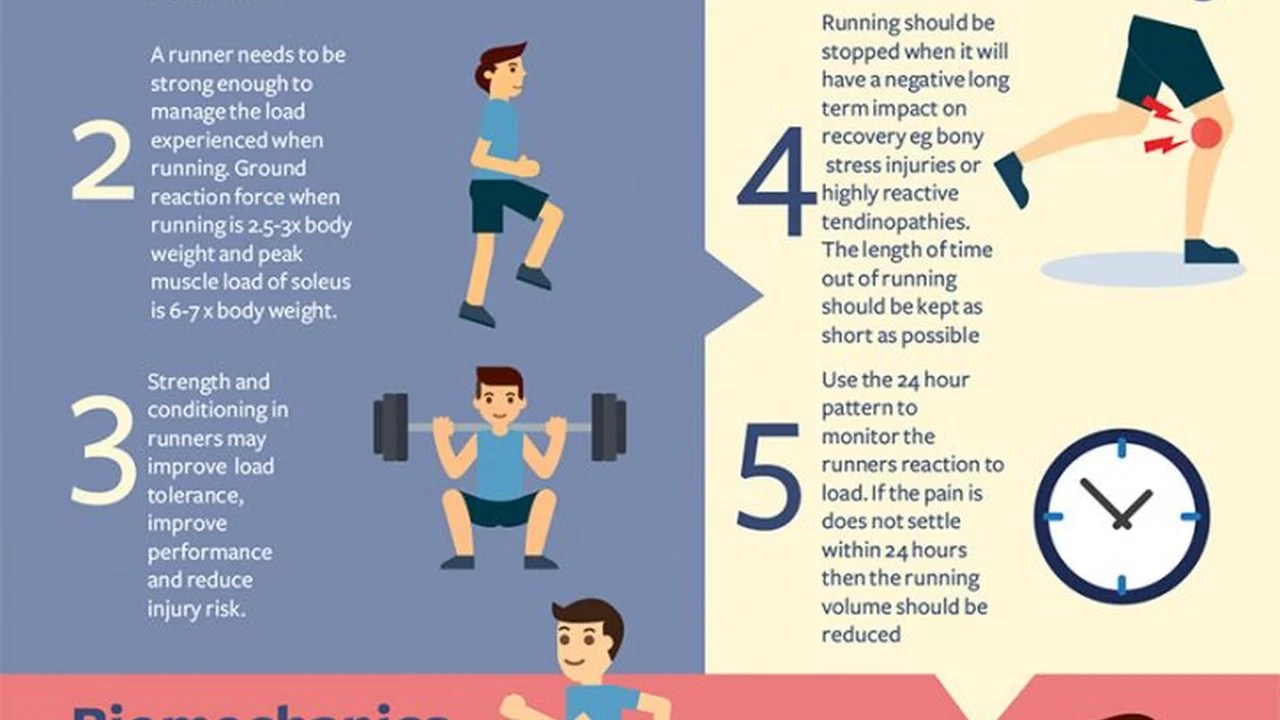
Strength Training for Runners: Strength training is essential for building a strong and resilient body that can withstand the demands of running. Focus on exercises that strengthen your core, legs, and glutes, such as squats, lunges, planks, and bridges.
The Importance of Proper Footwear for Jogging
Your shoes are your most important piece of running equipment. Choosing the right shoes can make a huge difference in your comfort, performance, and injury prevention.
Understanding Foot Types: It is crucial to understand your foot type. There are three main types of feet: neutral, pronated (flat feet), and supinated (high arches). Each foot type requires different types of support and cushioning.
Neutral Feet: If you have neutral feet, you're in luck! You can typically wear a wide variety of running shoes. Look for shoes with moderate cushioning and support.
Pronated Feet: Pronated feet tend to roll inward excessively. You'll need shoes with stability features to help control pronation and prevent injuries. Look for shoes with medial posts or other supportive elements.
Supinated Feet: Supinated feet tend to roll outward. You'll need shoes with plenty of cushioning to absorb impact and protect your joints. Look for shoes with neutral cushioning and flexibility.
Visiting a Specialty Running Store: The best way to find the right shoes is to visit a specialty running store. The staff can analyze your gait and recommend shoes that are appropriate for your foot type and running style.
Recommended Running Shoes for Different Foot Types
Here are a few recommended running shoes for different foot types:
For Neutral Feet:
- Brooks Ghost 15: A popular choice for its comfort and versatility. Priced around $140.
- Saucony Kinvara 14: A lightweight and responsive shoe that's great for speed work. Priced around $120.
- New Balance Fresh Foam 880v13: A well-cushioned and durable shoe that's ideal for everyday training. Priced around $135.
For Pronated Feet:
- Brooks Adrenaline GTS 23: A stability shoe that provides excellent support and cushioning. Priced around $140.
- ASICS GT-2000 11: Another popular stability shoe that's known for its durability and comfort. Priced around $130.
- Mizuno Wave Inspire 19: A stability shoe that offers a smooth and supportive ride. Priced around $135.
For Supinated Feet:
- New Balance Fresh Foam X More v4: A highly cushioned shoe that provides excellent impact absorption. Priced around $160.
- Hoka Clifton 9: A lightweight and cushioned shoe that's known for its smooth ride. Priced around $140.
- Saucony Triumph 20: A well-cushioned and responsive shoe that's ideal for long runs. Priced around $160.
Running Watches and GPS Trackers: Enhancing Your Jogging Experience
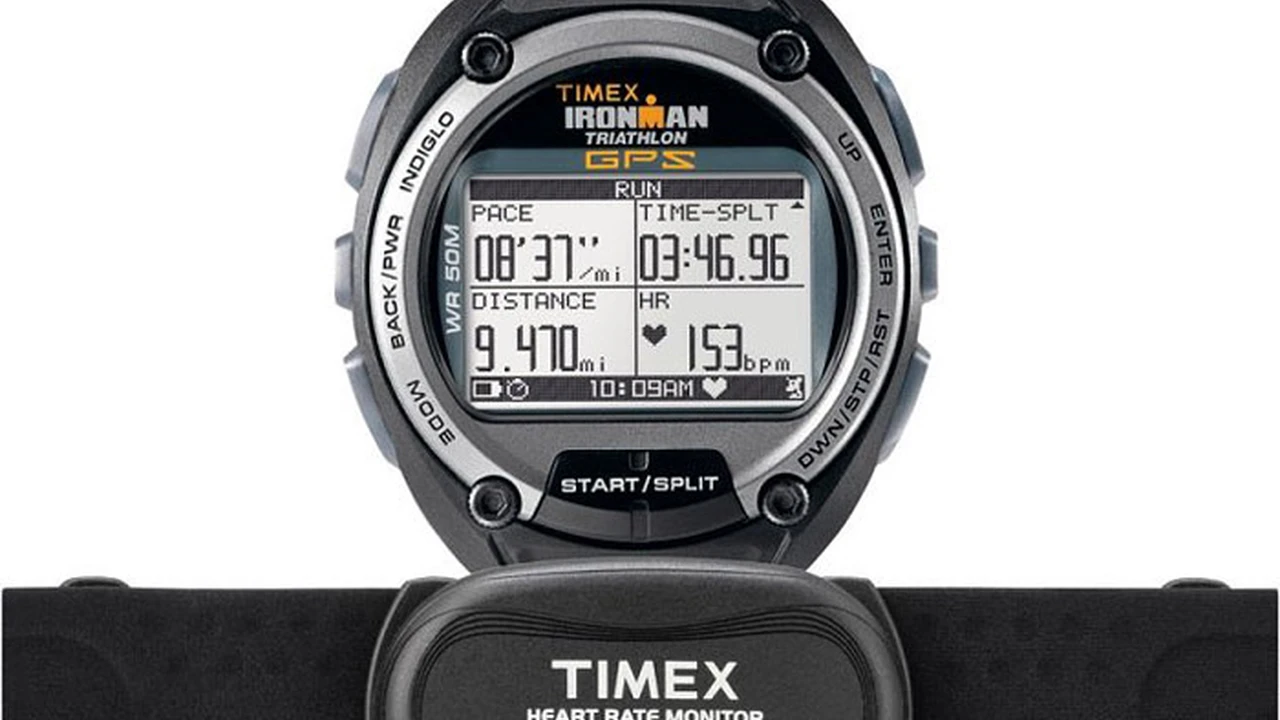
Running watches and GPS trackers can provide valuable data and insights into your training, helping you track your progress and stay motivated.
Basic Features to Look For: At a minimum, you'll want a watch that tracks your pace, distance, and time. Many watches also include heart rate monitoring and GPS tracking.
Advanced Features: More advanced watches offer features such as cadence tracking, stride length measurement, VO2 max estimation, and training load analysis.
Smartwatch Integration: Some running watches can also connect to your smartphone, allowing you to receive notifications, control your music, and track your sleep.
Recommended Running Watches and GPS Trackers
Here are a few recommended running watches and GPS trackers:
- Garmin Forerunner 255: A versatile running watch with advanced features and excellent battery life. Priced around $350.
- Polar Vantage M2: A mid-range running watch with accurate heart rate monitoring and training guidance. Priced around $300.
- Apple Watch Series 8 (with cellular): A smartwatch with built-in GPS and a variety of fitness tracking features. Priced around $400+. Requires a monthly cellular plan for full functionality without a phone.
- COROS PACE 2: A lightweight and affordable running watch with impressive battery life. Priced around $200.
Headphones for Jogging: Music to Your Stride
Listening to music can make your jogging experience more enjoyable and motivating. However, it's important to choose headphones that are comfortable, secure, and safe.
Types of Headphones: There are several types of headphones suitable for running, including earbuds, bone conduction headphones, and over-ear headphones.
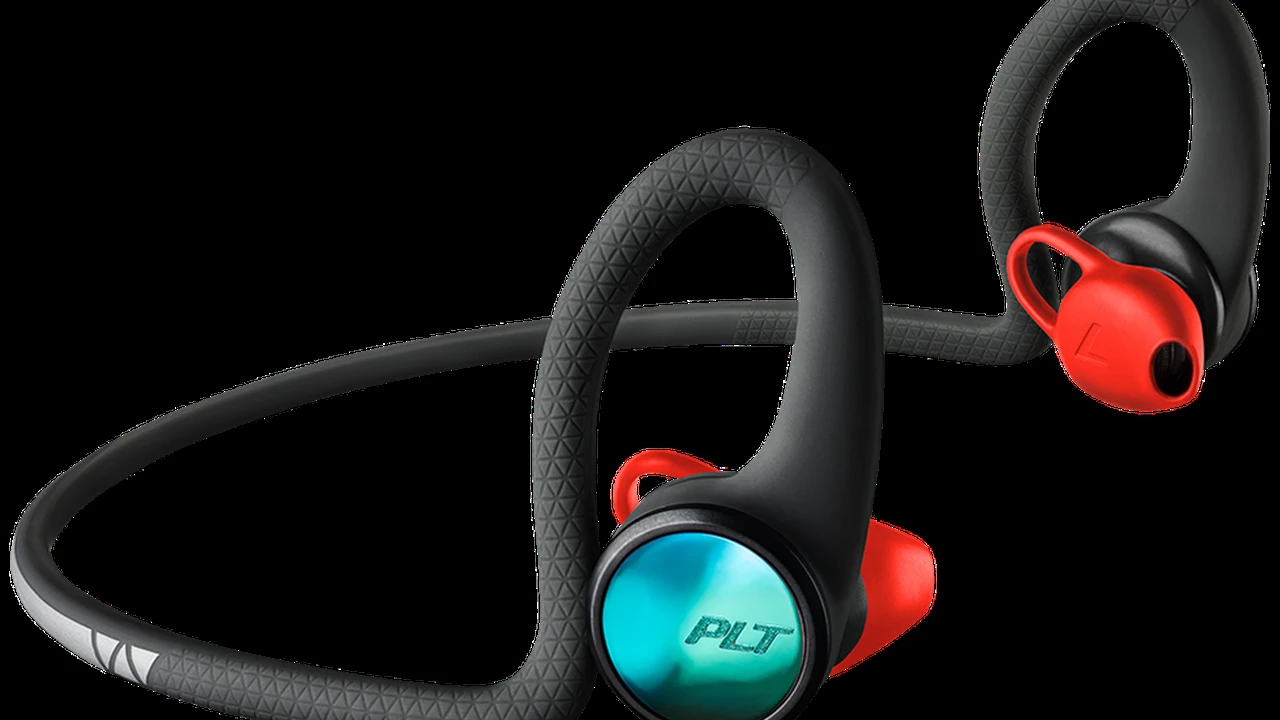
Earbuds: Earbuds are small and lightweight, making them a popular choice for running. Look for earbuds that are sweat-resistant and have a secure fit.
Bone Conduction Headphones: Bone conduction headphones transmit sound through your cheekbones, leaving your ears open to hear ambient noise. This is a safer option for running in traffic.
Over-Ear Headphones: Over-ear headphones provide excellent sound quality and noise isolation, but they can be bulky and uncomfortable for running.
Recommended Headphones for Jogging
Here are a few recommended headphones for jogging:
- Jabra Elite Active 7: Wireless earbuds with excellent sound quality, a secure fit, and sweat resistance. Priced around $180.
- AfterShokz Aeropex (Now Shokz OpenRun Pro): Bone conduction headphones that allow you to hear ambient noise while listening to music. Priced around $160.
- Beats Fit Pro: Wireless earbuds with active noise cancellation and a comfortable, secure fit. Priced around $200.
- Anker Soundcore Sport X10: Affordable and sweatproof earbuds with a secure earhook design. Priced around $80.
Hydration and Nutrition for Jogging: Fueling Your Body
Proper hydration and nutrition are essential for maintaining energy levels and preventing fatigue during your runs.
Hydration: Drink plenty of water before, during, and after your runs. Carry a water bottle or wear a hydration pack on longer runs. Consider electrolyte drinks for runs longer than an hour to replace lost sodium and other minerals.
Nutrition: Eat a balanced diet with plenty of carbohydrates, protein, and healthy fats. Consume a pre-run snack that is easily digestible, such as a banana or a piece of toast with peanut butter. Carry energy gels or chews on longer runs to replenish your glycogen stores.
Recommended Hydration and Nutrition Products
Here are a few recommended hydration and nutrition products:
- Nathan QuickShot Plus Hydration Flask: A handheld water bottle that's comfortable to carry and easy to refill. Priced around $30.
- CamelBak Circuit Vest: A hydration pack that provides ample storage for water, gels, and other essentials. Priced around $85.
- GU Energy Gel: A popular energy gel that provides a quick source of carbohydrates. Priced around $1.50 per packet.
- Clif Bar Bloks Energy Chews: Energy chews that provide sustained energy and electrolytes. Priced around $2.50 per packet.
- Nuun Sport Electrolyte Tablets: Electrolyte tablets that dissolve in water to replenish lost minerals. Priced around $7 for a tube of 12 tablets.
Injury Prevention Tips for Jogging
Preventing injuries is crucial for staying consistent with your training. Follow these tips to minimize your risk of getting hurt.
Warm-Up Properly: Always warm up before each run with dynamic stretches, such as leg swings, arm circles, and torso twists.
Cool Down and Stretch: Cool down after each run with static stretches, holding each stretch for 30 seconds. Focus on stretching your hamstrings, quads, calves, and hip flexors.
Gradually Increase Mileage: Avoid increasing your mileage too quickly, as this can overload your muscles and joints. Follow the 10% rule, increasing your weekly mileage by no more than 10% each week.
Listen to Your Body: Pay attention to any pain or discomfort you experience while running. If you feel pain, stop running and rest. Don't try to push through pain, as this can lead to more serious injuries.
Cross-Train: Incorporate cross-training activities into your routine, such as swimming, cycling, or yoga. This will help strengthen different muscle groups and prevent overuse injuries.
Essential Gear and Apparel for Comfortable Jogging
Having the right gear and apparel can make your runs more comfortable and enjoyable.
Moisture-Wicking Clothing: Wear moisture-wicking clothing to stay dry and comfortable. Avoid cotton clothing, as it absorbs sweat and can become heavy and uncomfortable.
Running Shorts or Tights: Choose running shorts or tights that are comfortable and allow for freedom of movement.
Running Socks: Wear running socks that are made from moisture-wicking materials and provide cushioning and support.
Reflective Gear: Wear reflective gear when running in low-light conditions to increase your visibility to drivers and other pedestrians.
Sunscreen: Apply sunscreen to protect your skin from the sun's harmful rays, even on cloudy days.
Staying Motivated and Setting Jogging Goals
Staying motivated is key to achieving your running goals. Here are a few tips for staying motivated:
Set Realistic Goals: Set realistic goals that are challenging but achievable.
Track Your Progress: Track your progress and celebrate your accomplishments.
Find a Running Buddy: Running with a friend can make your runs more enjoyable and help you stay accountable.
Join a Running Club: Joining a running club can provide you with support, encouragement, and social interaction.
Reward Yourself: Reward yourself for achieving your goals.
The Mental Benefits of Jogging
Jogging not only benefits your physical health but also your mental health.
Stress Relief: Jogging can help reduce stress and anxiety.
Improved Mood: Jogging can improve your mood and boost your self-esteem.
Increased Energy Levels: Jogging can increase your energy levels and reduce fatigue.
Improved Sleep: Jogging can improve your sleep quality.
Enhanced Cognitive Function: Jogging can enhance your cognitive function and improve your memory.
Comparing Different Jogging Styles and Techniques
There are various jogging styles and techniques, each with its own advantages and disadvantages. Let's explore a few:
Traditional Jogging: This involves a steady, moderate pace, suitable for building endurance and burning calories.
Power Jogging: A faster, more intense form of jogging that engages more muscles and burns more calories. It often involves incorporating hills or inclines.
Interval Jogging: Alternating between high-intensity bursts and periods of recovery. This improves cardiovascular fitness and speed.
Barefoot Jogging: Running without shoes, which can strengthen your feet and improve your running form. However, it requires a gradual transition and careful attention to your surroundings.
Troubleshooting Common Jogging Issues
Even with proper technique, you might encounter some common issues. Here's how to troubleshoot them:
Shin Splints: Reduce your mileage, stretch your calves, and consider supportive footwear.
Knee Pain: Strengthen your quads and hamstrings, and ensure your shoes provide adequate cushioning.
Blisters: Wear moisture-wicking socks and ensure your shoes fit properly.
Side Stitches: Breathe deeply and rhythmically, and avoid eating too close to your run.
Jogging for Weight Loss: A Comprehensive Guide
Jogging is an effective way to burn calories and lose weight. Combine it with a healthy diet for optimal results.
Calorie Deficit: To lose weight, you need to burn more calories than you consume.
Consistency is Key: Jog regularly and consistently to see results.
Vary Your Workouts: Incorporate different types of jogging to challenge your body and prevent plateaus.
Focus on a Healthy Diet: Combine jogging with a balanced diet that is rich in fruits, vegetables, and lean protein.
The Role of Recovery in Jogging
Recovery is just as important as the training itself. It allows your body to repair and rebuild muscle tissue.
Sleep: Aim for 7-9 hours of sleep per night.
Nutrition: Eat a balanced diet that is rich in protein and carbohydrates.
Rest Days: Take rest days to allow your body to recover.
Active Recovery: Engage in light activities, such as walking or stretching, to promote blood flow and reduce muscle soreness.
Jogging in Different Weather Conditions
Adjust your jogging routine based on the weather conditions to stay safe and comfortable.
Hot Weather: Hydrate well, wear light-colored clothing, and run during cooler hours.
Cold Weather: Dress in layers, protect your extremities, and be aware of icy conditions.
Rainy Weather: Wear waterproof clothing and shoes, and be cautious of slippery surfaces.
Jogging Etiquette: Being a Respectful Runner
Follow these etiquette guidelines to be a respectful runner:
Stay to the Right: Run on the right side of the path or road.
Pass on the Left: Pass other runners or pedestrians on the left.
Announce Your Presence: Say "on your left" when passing someone.
Pick Up After Yourself: Dispose of any trash properly.
Be Aware of Your Surroundings: Pay attention to traffic and other hazards.
:max_bytes(150000):strip_icc()/277019-baked-pork-chops-with-cream-of-mushroom-soup-DDMFS-beauty-4x3-BG-7505-5762b731cf30447d9cbbbbbf387beafa.jpg)