Tracking Your Food Intake While Jogging for Weight Loss
Understanding the Importance of Food Intake Tracking for Weight Loss While Jogging
So, you're hitting the pavement, pounding out those miles, and feeling the burn. You're jogging regularly, and that's fantastic! But are you seeing the weight loss results you're hoping for? If not, the missing piece might be right under your nose – or rather, on your plate. Tracking your food intake while jogging for weight loss isn't just a suggestion; it's a crucial strategy for maximizing your efforts and achieving your goals. Let's dive into why this is so important.
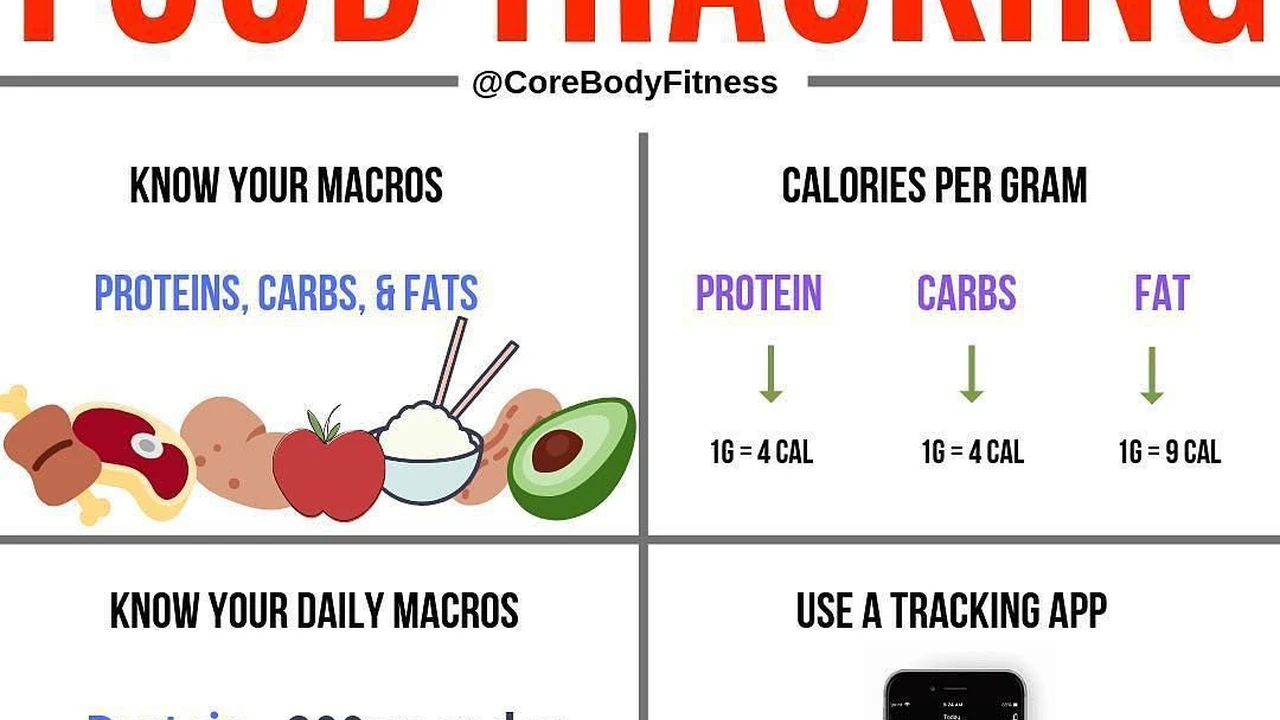
Think of jogging as the engine of your weight loss machine. It burns calories, improves your cardiovascular health, and boosts your mood. But food intake is the fuel. If you're putting the wrong fuel into the engine, or too much of it, it won't run efficiently, and you might even stall. Tracking your food helps you understand exactly what you're consuming, identify areas where you can make improvements, and ensure you're creating the necessary calorie deficit for weight loss.
Many people overestimate how many calories they burn during a jog and underestimate how many calories they consume throughout the day. A seemingly harmless snack here, a generous portion there – it all adds up. By meticulously tracking your food intake, you gain a clear picture of your eating habits and can make informed decisions about your diet. This awareness is the first step towards sustainable weight loss.
Furthermore, tracking your food intake allows you to optimize your nutrition for performance. Jogging requires energy, and the right foods can fuel your workouts and help you recover faster. Tracking allows you to ensure you're getting enough protein for muscle repair, carbohydrates for energy, and healthy fats for overall health. It's not just about calories; it's about the quality of those calories.
Finally, food tracking helps you stay accountable. When you know you have to record everything you eat, you're less likely to indulge in unhealthy temptations. It's a powerful psychological tool that can help you stay on track and committed to your weight loss journey.
Choosing the Right Food Tracking Method for Jogging and Weight Management
Okay, so you're convinced that tracking your food intake is important. But where do you start? Fortunately, there are numerous methods available, each with its own pros and cons. The key is to find one that fits your lifestyle and preferences, ensuring you can stick with it long-term. Here's a breakdown of some popular options:
- Food Tracking Apps: These are arguably the most convenient and user-friendly option. Apps like MyFitnessPal, Lose It!, and Cronometer allow you to easily log your meals, track your macronutrients (protein, carbs, and fats), and monitor your calorie intake. They often have extensive food databases, barcode scanners, and recipe builders, making the process quick and efficient.
- Food Journals: A classic method that involves writing down everything you eat in a physical notebook. While it might seem old-fashioned, it can be surprisingly effective. The act of writing can make you more mindful of your food choices. You'll need to manually calculate calories and macronutrients, which can be time-consuming but also educational.
- Spreadsheets: For those who love data and organization, a spreadsheet can be a powerful tool. You can create your own custom tracking system, tailored to your specific needs and goals. This requires more effort upfront but offers maximum flexibility.
- Photo Logging: Simply take pictures of your meals before you eat them. This can be a good option for visual learners or those who find traditional tracking methods tedious. However, you'll still need to estimate portion sizes and calorie counts.
When choosing a method, consider the following factors:
- Ease of Use: How easy is it to log your food? If it's too complicated or time-consuming, you're less likely to stick with it.
- Accuracy: How accurate is the information provided? Food databases can vary in accuracy, so choose a reputable source.
- Features: Does the method offer the features you need, such as macronutrient tracking, recipe analysis, or progress reports?
- Cost: Are there any subscription fees or hidden costs?
- Personal Preference: Which method do you find most enjoyable and sustainable?
Experiment with different methods until you find one that works for you. Don't be afraid to switch things up if your initial choice doesn't pan out. The most important thing is to find a method that you can consistently use over the long term.
Calculating Your Calorie Needs for Weight Loss While Jogging
Now that you're ready to track your food intake, you need to figure out how many calories you should be consuming each day to lose weight. This involves calculating your Basal Metabolic Rate (BMR), Activity Level, and desired Calorie Deficit. Let's break it down:
- Basal Metabolic Rate (BMR): This is the number of calories your body burns at rest to maintain basic bodily functions. There are several formulas you can use to estimate your BMR, such as the Harris-Benedict equation or the Mifflin-St Jeor equation. Online calculators can also help you determine your BMR quickly and easily.
- Activity Level: This takes into account your daily activity levels, including jogging and other forms of exercise. Multiply your BMR by an activity factor to estimate your Total Daily Energy Expenditure (TDEE). Common activity factors include:
- Sedentary (little or no exercise): BMR x 1.2
- Lightly active (light exercise 1-3 days/week): BMR x 1.375
- Moderately active (moderate exercise 3-5 days/week): BMR x 1.55
- Very active (hard exercise 6-7 days/week): BMR x 1.725
- Extra active (very hard exercise & physical job): BMR x 1.9
- Calorie Deficit: To lose weight, you need to consume fewer calories than you burn. A deficit of 500 calories per day is generally considered safe and effective for losing 1-2 pounds per week. Subtract 500 calories from your TDEE to determine your daily calorie target.
For example, let's say your BMR is 1500 calories and you're moderately active, jogging 3-5 days per week. Your TDEE would be 1500 x 1.55 = 2325 calories. To lose weight, you would aim to consume 2325 - 500 = 1825 calories per day.
It's important to note that these are just estimates. Your actual calorie needs may vary depending on your individual metabolism, genetics, and other factors. It's always a good idea to consult with a registered dietitian or healthcare professional to determine your personalized calorie needs.
Macronutrient Ratios and Jogging Performance Optimization
While calorie counting is important, it's equally crucial to pay attention to your macronutrient ratios – the proportion of protein, carbohydrates, and fats in your diet. Different macronutrients play different roles in fueling your body and supporting your jogging performance.
- Protein: Essential for muscle repair and growth, especially after jogging. Aim for 0.8-1 gram of protein per pound of body weight. Good sources include lean meats, poultry, fish, eggs, beans, lentils, and tofu.
- Carbohydrates: The primary fuel source for your muscles during exercise. Choose complex carbohydrates like whole grains, fruits, and vegetables over simple sugars. The amount of carbs you need depends on the intensity and duration of your jogs. Aim for 2-3 grams of carbs per pound of body weight.
- Fats: Important for hormone production, cell function, and overall health. Choose healthy fats like avocados, nuts, seeds, and olive oil over saturated and trans fats. Aim for 0.3-0.5 grams of fat per pound of body weight.
A common macronutrient ratio for weight loss while jogging is 40% carbohydrates, 30% protein, and 30% fat. However, this can be adjusted based on your individual needs and preferences. Experiment with different ratios to see what works best for you.
Timing your macronutrient intake around your jogs can also improve performance. Consume a carbohydrate-rich meal or snack 1-2 hours before jogging to fuel your muscles. After jogging, consume a combination of protein and carbohydrates to replenish glycogen stores and repair muscle tissue.
Analyzing Your Food Intake Data For Jogging and Weight Loss Success
Tracking your food intake is only half the battle. The real magic happens when you start analyzing the data and using it to make informed decisions about your diet. Here's how to make the most of your food tracking efforts:
- Identify Patterns: Look for patterns in your eating habits. Are you consistently overeating at certain times of the day? Are you consuming too many processed foods? Are you lacking in certain nutrients?
- Track Your Progress: Monitor your weight loss, body measurements, and jogging performance. Are you seeing the results you're hoping for? If not, you may need to adjust your calorie intake or macronutrient ratios.
- Make Adjustments: Based on your analysis, make small, gradual changes to your diet. Don't try to overhaul your entire eating habits overnight. Focus on making sustainable changes that you can stick with long-term.
- Experiment: Try different foods and meal combinations to see what works best for you. Pay attention to how your body feels after eating different foods. Do you feel energized and satisfied, or sluggish and bloated?
- Seek Feedback: Share your food tracking data with a registered dietitian or healthcare professional. They can provide personalized guidance and help you identify areas where you can improve.
Remember that food tracking is a tool, not a punishment. Be patient with yourself, and don't get discouraged if you slip up occasionally. The key is to learn from your mistakes and keep moving forward.
Recommended Products to Assist with Food Intake Tracking and Jogging
To enhance your food intake tracking and jogging experience, consider these recommended products:
- Fitbit Charge 5: A fitness tracker that monitors your activity levels, heart rate, and sleep. It also integrates with food tracking apps like MyFitnessPal, allowing you to seamlessly track your calorie intake and expenditure.
- Use Case: Track your steps, distance, and calories burned during your jogs. Monitor your sleep patterns to ensure you're getting enough rest for optimal recovery.
- Product Comparison: Compared to the Apple Watch SE, the Fitbit Charge 5 is more affordable and has a longer battery life. However, it lacks some of the advanced features of the Apple Watch, such as cellular connectivity and a larger screen.
- Details: Priced around $150. Features include built-in GPS, heart rate monitoring, sleep tracking, and smartphone notifications.
- MyFitnessPal Premium: A subscription-based version of the popular food tracking app that offers additional features, such as personalized meal plans, advanced macronutrient tracking, and ad-free experience.
- Use Case: Create custom meal plans based on your calorie needs and macronutrient ratios. Track your micronutrient intake to ensure you're getting enough vitamins and minerals.
- Product Comparison: Compared to Lose It! Premium, MyFitnessPal Premium has a larger food database and more integrations with other fitness apps. However, Lose It! Premium offers a more intuitive user interface.
- Details: Priced around $50 per year. Features include personalized meal plans, advanced macronutrient tracking, recipe analysis, and ad-free experience.
- NutriBullet Pro 900: A powerful blender that makes it easy to create healthy smoothies and protein shakes.
- Use Case: Blend fruits, vegetables, and protein powder into a nutritious post-jogging recovery shake.
- Product Comparison: Compared to the Ninja Professional Blender, the NutriBullet Pro 900 is more compact and easier to clean. However, the Ninja Professional Blender is more powerful and can handle larger quantities of ingredients.
- Details: Priced around $100. Features include a powerful 900-watt motor, nutrient extraction blades, and easy-to-clean design.
- Kitchen Scale Digital Food Scale by Ozeri: Precise food scale crucial for accurate portioning and calorie tracking.
- Use Case: Weighing ingredients for recipes, accurately portioning meals for meal prep, and tracking precise calorie and macro intake.
- Product Comparison: Compared to other digital food scales like the Etekcity Food Kitchen Scale, the Ozeri scale boasts a larger weighing platform and a more user-friendly interface. The Etekcity is more affordable, but the Ozeri offers better accuracy and durability.
- Details: Priced around $25. Features include a precise sensor, easy-to-read LCD display, and tare function.
Addressing Common Challenges in Food Intake Tracking for Joggers
Even with the best intentions, tracking your food intake can be challenging, especially for busy joggers. Here are some common obstacles and how to overcome them:
- Time Constraints: Logging every meal can be time-consuming, especially when you're on the go.
- Solution: Prepare meals in advance, use pre-logged recipes, and take photos of your meals for later logging.
- Inaccurate Portion Sizes: Estimating portion sizes can be tricky, leading to inaccurate calorie counts.
- Solution: Use measuring cups and spoons, weigh your food with a kitchen scale, and compare your portions to visual guides.
- Dining Out: It can be difficult to track calories and macronutrients when you're eating at restaurants.
- Solution: Look up the nutritional information for menu items online, ask your server for details, or estimate based on similar meals you've logged before.
- Lack of Motivation: It's easy to lose motivation when you don't see results immediately.
- Solution: Set realistic goals, track your progress, reward yourself for reaching milestones, and find a support group or accountability partner.
- Forgetfulness: Forgetting to log meals can throw off your tracking efforts.
- Solution: Set reminders on your phone, keep a food journal handy, and log your meals as soon as you eat them.
Hydration Strategies and Their Impact on Weight Loss and Jogging Performance
Staying properly hydrated is crucial for both weight loss and jogging performance. Water helps regulate your metabolism, suppress your appetite, and transport nutrients to your muscles. Dehydration, on the other hand, can lead to fatigue, muscle cramps, and decreased performance.
- How Much Water Do You Need? The general recommendation is to drink at least 8 glasses of water per day. However, your individual needs may vary depending on your activity level, climate, and other factors. A good rule of thumb is to drink enough water to keep your urine pale yellow.
- Hydration Before, During, and After Jogging: Drink 16-20 ounces of water 2-3 hours before jogging. During your jog, drink 4-6 ounces of water every 15-20 minutes. After your jog, drink enough water to replace any fluids you lost through sweat.
- Electrolyte Balance: When you sweat, you lose electrolytes like sodium, potassium, and magnesium. Replenishing these electrolytes is important for maintaining proper muscle function and preventing cramps. Consider drinking sports drinks or adding electrolyte tablets to your water.
- Hydration and Appetite Control: Drinking water before meals can help you feel fuller and eat less. Sometimes, thirst can be mistaken for hunger, so try drinking a glass of water before reaching for a snack.
Choose water over sugary drinks like soda and juice. These beverages are high in calories and can sabotage your weight loss efforts. If you find plain water boring, try adding slices of fruit or herbs to infuse it with flavor.
Sample Meal Plans for Weight Loss While Jogging
To give you a better idea of how to structure your meals for weight loss while jogging, here are some sample meal plans:
Meal Plan 1 (1800 Calories, 40% Carbs, 30% Protein, 30% Fat):
- Breakfast: Oatmeal with berries and nuts (400 calories)
- Lunch: Grilled chicken salad with mixed greens, vegetables, and a light vinaigrette (500 calories)
- Dinner: Baked salmon with roasted sweet potatoes and broccoli (600 calories)
- Snacks: Greek yogurt with fruit, a handful of almonds, or a protein shake (300 calories)
Meal Plan 2 (2000 Calories, 40% Carbs, 30% Protein, 30% Fat):
- Breakfast: Smoothie with protein powder, spinach, banana, and almond milk (450 calories)
- Lunch: Turkey breast sandwich on whole-wheat bread with avocado and vegetables (550 calories)
- Dinner: Lentil soup with a side salad and whole-grain bread (700 calories)
- Snacks: Apple with peanut butter, hard-boiled eggs, or a protein bar (300 calories)
Meal Plan 3 (2200 Calories, 40% Carbs, 30% Protein, 30% Fat):
- Breakfast: Scrambled eggs with whole-wheat toast and avocado (500 calories)
- Lunch: Quinoa salad with chickpeas, vegetables, and a lemon vinaigrette (600 calories)
- Dinner: Chicken stir-fry with brown rice and plenty of vegetables (800 calories)
- Snacks: Cottage cheese with fruit, a handful of walnuts, or a protein shake (300 calories)
These are just examples, and you can customize them to fit your own preferences and dietary needs. Be sure to track your food intake and adjust your meal plans as needed to stay on track with your weight loss goals.
The Psychological Aspect of Food Tracking and Weight Loss Motivation
Weight loss isn't just about calories and exercise; it's also about your mindset and motivation. Food tracking can be a powerful tool for boosting your motivation and staying committed to your goals, but it can also be a source of stress and anxiety if not approached with the right attitude.
- Focus on Progress, Not Perfection: Don't strive for perfection. It's okay to slip up occasionally. The key is to learn from your mistakes and get back on track as soon as possible.
- Celebrate Small Wins: Acknowledge and celebrate your progress, no matter how small. Every pound lost, every healthy meal consumed, is a step in the right direction.
- Be Kind to Yourself: Don't beat yourself up over mistakes. Treat yourself with the same compassion and understanding you would offer a friend.
- Find a Support System: Connect with other people who are also trying to lose weight. Share your successes and challenges, and offer each other encouragement and support.
- Focus on the Positive: Instead of dwelling on what you can't eat, focus on the delicious and nutritious foods you can enjoy.
Remember that weight loss is a journey, not a destination. Be patient with yourself, and enjoy the process. Food tracking can be a valuable tool for achieving your goals, but it's just one piece of the puzzle. A healthy mindset, a supportive community, and a positive attitude are equally important.
Long-Term Strategies for Maintaining Weight Loss and Healthy Eating Habits After Jogging Success
Congratulations! You've achieved your weight loss goals through jogging and mindful food tracking. Now, the real challenge begins: maintaining your progress over the long term. Here are some strategies to help you stay on track:
- Continue Tracking Your Food Intake (at Least Periodically): You don't necessarily need to track every single meal every day, but continuing to monitor your eating habits periodically can help you stay aware of your calorie intake and prevent weight regain.
- Stay Active: Continue jogging or engaging in other forms of exercise to burn calories and maintain your fitness level.
- Maintain a Healthy Diet: Continue to prioritize whole, unprocessed foods and limit your intake of sugary drinks, processed snacks, and unhealthy fats.
- Practice Mindful Eating: Pay attention to your hunger and fullness cues, and eat slowly and deliberately. Avoid eating in front of the TV or while using your phone.
- Plan Your Meals: Planning your meals in advance can help you make healthier choices and avoid impulsive eating.
- Find Healthy Substitutions: Replace unhealthy foods with healthier alternatives. For example, swap sugary drinks for water or herbal tea, and replace processed snacks with fruits or vegetables.
- Manage Stress: Stress can lead to overeating. Find healthy ways to manage stress, such as exercise, meditation, or spending time in nature.
- Get Enough Sleep: Lack of sleep can disrupt your hormones and increase your appetite. Aim for 7-8 hours of sleep per night.
- Seek Support: Continue to connect with your support system or seek professional guidance from a registered dietitian or healthcare professional.
Maintaining weight loss is a lifelong commitment. Be prepared for setbacks and challenges along the way. The key is to learn from your mistakes, stay focused on your goals, and never give up on yourself.
:max_bytes(150000):strip_icc()/277019-baked-pork-chops-with-cream-of-mushroom-soup-DDMFS-beauty-4x3-BG-7505-5762b731cf30447d9cbbbbbf387beafa.jpg)