The Best Energy Gels for Jogging: A Review
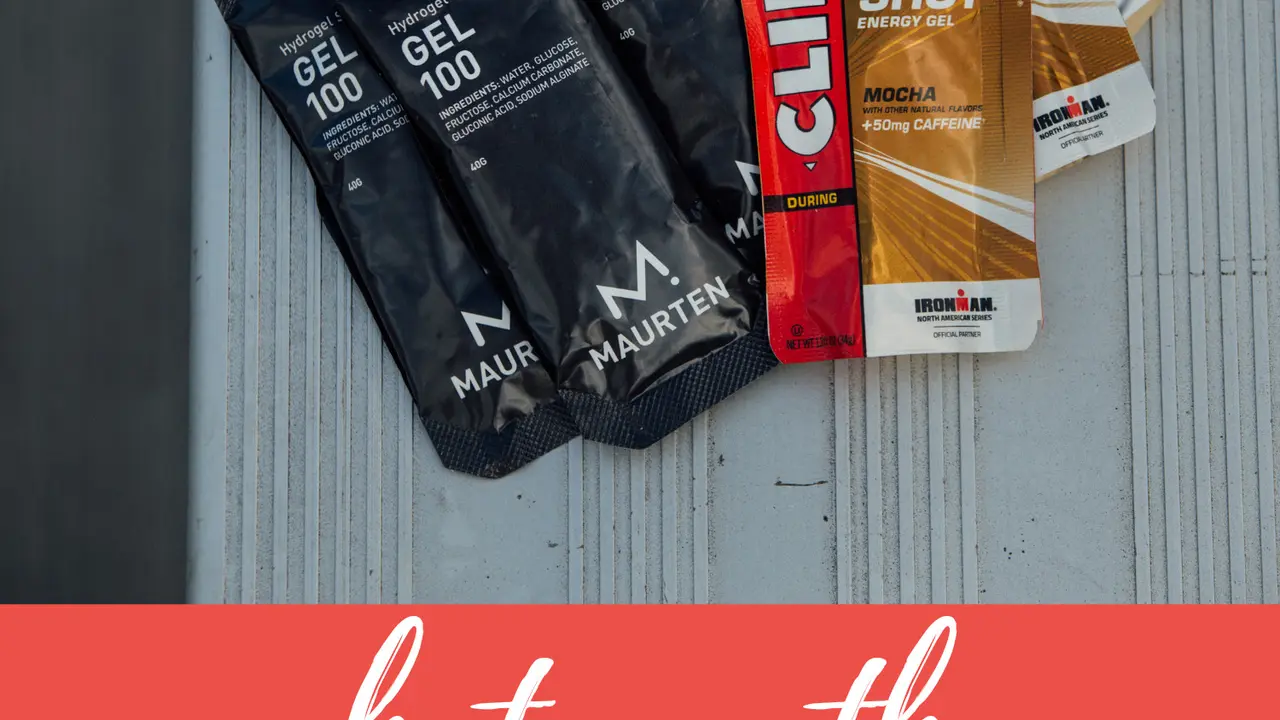
Unlock your jogging potential with optimal nutrition and hydration. Explore energy gels, hydration strategies, and dietary tips for peak performance and faster recovery.
Fueling Your Run The Importance of Nutrition for Joggers
Jogging, while seemingly simple, places significant demands on your body. Proper nutrition is essential not just for performance but also for preventing injuries and ensuring a speedy recovery. Think of your body as a high-performance engine; it needs the right fuel to run efficiently. Depriving it of essential nutrients will lead to fatigue, decreased performance, and an increased risk of injury.
This section delves into the fundamental aspects of nutrition for joggers, highlighting the key macronutrients and micronutrients necessary for optimal performance. We'll discuss how to tailor your diet to your individual needs, considering factors like distance, intensity, and personal preferences.
Understanding Macronutrients for Jogging Energy
Macronutrients – carbohydrates, fats, and proteins – are the building blocks of your diet. Each plays a crucial role in fueling your runs and supporting overall health. Let's break down each macronutrient and its importance for joggers:
- Carbohydrates: The primary fuel source for your muscles. Carbohydrates are broken down into glucose, which your body uses for energy. Joggers need to consume adequate carbohydrates to maintain energy levels during runs and replenish glycogen stores afterward. Choose complex carbohydrates like whole grains, fruits, and vegetables over simple sugars for sustained energy release.
- Fats: An important energy source, especially during longer runs. Fats also play a crucial role in hormone production and cell function. Opt for healthy fats like those found in avocados, nuts, seeds, and olive oil. Avoid excessive saturated and trans fats, which can negatively impact your health.
- Proteins: Essential for muscle repair and growth. Jogging causes muscle breakdown, so consuming enough protein is crucial for recovery. Good sources of protein include lean meats, poultry, fish, beans, lentils, and dairy products.
Micronutrients Vitamins and Minerals for Joggers Health
Micronutrients – vitamins and minerals – are essential for various bodily functions, including energy production, immune function, and bone health. While you need them in smaller quantities than macronutrients, deficiencies can significantly impact your performance and overall well-being.
- Iron: Crucial for oxygen transport. Iron deficiency can lead to fatigue and decreased performance. Good sources of iron include red meat, spinach, and fortified cereals.
- Calcium: Essential for bone health. Jogging is a weight-bearing activity, so maintaining strong bones is crucial for preventing injuries. Good sources of calcium include dairy products, leafy green vegetables, and fortified foods.
- Vitamin D: Helps the body absorb calcium. Vitamin D deficiency is common, especially in people who live in northern climates or spend a lot of time indoors. Good sources of vitamin D include fatty fish, fortified milk, and sunlight exposure.
- Electrolytes (Sodium, Potassium, Magnesium): Lost through sweat during jogging. Replacing electrolytes is crucial for maintaining fluid balance and preventing muscle cramps. Sports drinks and electrolyte-rich foods like bananas and leafy greens can help.
Timing Your Nutrition Pre During and Post Run
When you eat is just as important as what you eat. Timing your nutrition around your runs can significantly impact your performance and recovery.
- Pre-Run: Focus on carbohydrates to fuel your muscles. A light meal or snack 1-2 hours before your run is ideal. Examples include a banana with peanut butter, a bowl of oatmeal, or a piece of toast with jam.
- During-Run: For runs longer than an hour, consider consuming carbohydrates to maintain energy levels. Energy gels, chews, or sports drinks are convenient options. Aim for 30-60 grams of carbohydrates per hour.
- Post-Run: Replenish glycogen stores and repair muscle damage. Consume a combination of carbohydrates and protein within 30-60 minutes of finishing your run. Examples include a protein shake with fruit, a sandwich with lean protein, or a yogurt with granola.
Hydration Strategies for Joggers Maintaining Optimal Fluid Balance
Dehydration can significantly impair your performance and increase your risk of injury. Maintaining proper hydration is crucial for joggers, especially during hot weather or longer runs. This section explores the importance of hydration, different hydration strategies, and how to determine your individual fluid needs.
The Importance of Hydration for Jogging Performance
Water is essential for virtually every bodily function, including regulating body temperature, transporting nutrients, and lubricating joints. Dehydration can lead to a variety of negative effects, including:
- Decreased Performance: Even mild dehydration can significantly impair your endurance and speed.
- Increased Risk of Injury: Dehydration can lead to muscle cramps and other injuries.
- Heatstroke: In severe cases, dehydration can lead to heatstroke, a life-threatening condition.
Calculating Your Fluid Needs Individual Hydration Plans
Your individual fluid needs will vary depending on factors like your weight, sweat rate, and the weather conditions. A general guideline is to drink half your body weight in ounces of water per day. For example, if you weigh 150 pounds, you should aim to drink 75 ounces of water per day. However, you'll need to increase your fluid intake on days when you're jogging.
Here's a simple way to estimate your fluid needs during jogging:
- Weigh yourself before your run.
- Jog for one hour.
- Weigh yourself after your run.
- For every pound of weight lost, drink 16-24 ounces of fluid.
Hydration Strategies Pre During and Post Run
Just like nutrition, timing your hydration around your runs is crucial for optimal performance and recovery.
- Pre-Run: Drink 16-20 ounces of water 2-3 hours before your run. Drink another 8-12 ounces of water 15-20 minutes before your run.
- During-Run: Drink 4-8 ounces of water every 15-20 minutes during your run. Consider using a sports drink if you're running for longer than an hour to replace electrolytes.
- Post-Run: Drink 16-24 ounces of water for every pound of weight lost during your run. Continue to hydrate throughout the day to replenish fluid stores.
Electrolyte Replacement Maintaining Electrolyte Balance
As mentioned earlier, electrolytes are lost through sweat during jogging. Replacing these electrolytes is crucial for maintaining fluid balance and preventing muscle cramps. Sports drinks are a convenient way to replenish electrolytes, but you can also get them from foods like bananas, leafy greens, and salty snacks.
Energy Gels for Jogging A Comprehensive Review and Comparison
Energy gels are a popular source of quick energy for joggers, especially during longer runs. They are concentrated carbohydrates that are easy to consume and digest. This section provides a comprehensive review of energy gels, including different types, ingredients, and how to choose the right one for you. We'll also compare several popular brands and provide recommendations based on different needs and preferences.
Understanding Energy Gels Types and Ingredients
Energy gels typically contain a mixture of carbohydrates, electrolytes, and sometimes caffeine. The carbohydrate source is usually glucose, fructose, or maltodextrin. Some gels also contain amino acids or other performance-enhancing ingredients.
There are several different types of energy gels, including:
- Standard Gels: Contain a concentrated dose of carbohydrates.
- Electrolyte Gels: Contain added electrolytes to help replace those lost through sweat.
- Caffeinated Gels: Contain caffeine to provide an extra boost of energy.
- Isotonic Gels: Designed to be easily absorbed and digested without needing to be consumed with water.
When choosing an energy gel, consider the following factors:
- Carbohydrate Source: Choose a gel with a carbohydrate source that you can tolerate well. Some people find that fructose can cause gastrointestinal distress.
- Electrolyte Content: If you're running for longer than an hour, choose a gel with added electrolytes.
- Caffeine Content: If you're sensitive to caffeine, choose a gel with a low caffeine content or no caffeine at all.
- Taste and Texture: Choose a gel that you enjoy the taste and texture of. This will make it easier to consume during your run.
Top Energy Gel Brands A Detailed Comparison
Here's a comparison of some popular energy gel brands, highlighting their key features and benefits:
GU Energy Gel
Description: GU Energy Gel is one of the most popular energy gels on the market. It contains a blend of carbohydrates, electrolytes, and amino acids. GU Energy Gel is available in a variety of flavors and caffeine levels.
Key Features:
- Available in a wide variety of flavors.
- Contains electrolytes and amino acids.
- Available in caffeinated and non-caffeinated options.
Use Cases: GU Energy Gel is a good choice for runners of all levels who are looking for a reliable and convenient source of energy.
Pricing: Approximately $1.50 - $2.00 per gel.
Clif Shot Energy Gel
Description: Clif Shot Energy Gel is made with organic ingredients and contains a blend of carbohydrates, electrolytes, and caffeine. Clif Shot Energy Gel is available in a variety of flavors.
Key Features:
- Made with organic ingredients.
- Contains electrolytes and caffeine.
- Available in a variety of flavors.
Use Cases: Clif Shot Energy Gel is a good choice for runners who are looking for an organic and sustainable energy gel option.
Pricing: Approximately $2.00 - $2.50 per gel.
Science in Sport (SiS) GO Isotonic Energy Gel
Description: SiS GO Isotonic Energy Gel is designed to be easily absorbed and digested without needing to be consumed with water. It contains a concentrated dose of carbohydrates.
Key Features:
- Isotonic formula for easy absorption.
- Does not require water consumption.
- Convenient and easy to use.
Use Cases: SiS GO Isotonic Energy Gel is a good choice for runners who are looking for a convenient and easily digestible energy gel option.
Pricing: Approximately $2.50 - $3.00 per gel.
Honey Stinger Organic Energy Gel
Description: Honey Stinger Organic Energy Gel is made with organic honey and contains a blend of carbohydrates and electrolytes. It's known for its natural ingredients and mild flavor.
Key Features:
- Made with organic honey.
- Contains electrolytes.
- Mild and natural flavor.
Use Cases: Honey Stinger Organic Energy Gel is a good choice for runners who prefer natural ingredients and a less intense flavor.
Pricing: Approximately $2.00 - $2.50 per gel.
Maurten Gel 100
Description: Maurten Gel 100 is a unique energy gel with a hydrogel structure, designed for rapid absorption and minimal GI distress. It contains only six ingredients and a high concentration of carbohydrates.
Key Features:
- Hydrogel technology for rapid absorption.
- Minimal ingredients.
- High carbohydrate concentration.
Use Cases: Maurten Gel 100 is a good choice for serious athletes looking for the most efficient energy delivery and minimal risk of stomach upset.
Pricing: Approximately $3.50 - $4.00 per gel.
Choosing the Right Energy Gel for Your Needs
The best energy gel for you will depend on your individual needs and preferences. Consider the following factors when making your decision:
- Distance and Intensity: For shorter, less intense runs, you may not need an energy gel at all. For longer, more intense runs, you'll need a gel with a higher carbohydrate content.
- Personal Preferences: Experiment with different brands and flavors to find one that you enjoy.
- Gastrointestinal Tolerance: Some people are more sensitive to certain ingredients than others. If you have a sensitive stomach, choose a gel with minimal ingredients and a carbohydrate source that you can tolerate well.
- Caffeine Sensitivity: If you are sensitive to caffeine, opt for a non-caffeinated gel or one with a lower caffeine content.
Real Food Alternatives for Jogging Fueling Your Body Naturally
While energy gels are convenient, they're not the only option for fueling your runs. Many runners prefer to use real food alternatives, which can provide a more natural and sustainable source of energy. This section explores some popular real food options for joggers, highlighting their benefits and drawbacks.
Benefits of Real Food Options for Jogging
There are several benefits to using real food alternatives for jogging:
- More Nutrients: Real foods provide a wider range of nutrients than energy gels.
- More Sustainable Energy: Real foods often provide a more sustained release of energy than energy gels.
- Less Processed: Real foods are less processed than energy gels.
- Cost-Effective: Real foods can be more cost-effective than energy gels.
Popular Real Food Options for Joggers
Here are some popular real food options for joggers:
- Bananas: A good source of carbohydrates and potassium. Easy to digest and carry.
- Dates: A concentrated source of carbohydrates and fiber. Provides a sustained release of energy.
- Dried Fruit: A good source of carbohydrates and vitamins. Easy to carry.
- Energy Balls: Homemade or store-bought energy balls made with oats, nuts, seeds, and dried fruit.
- Pretzels: A good source of sodium and carbohydrates. Helps to replace electrolytes lost through sweat.
- Peanut Butter and Jelly Sandwiches: A classic combination of carbohydrates, protein, and healthy fats.
Considerations When Choosing Real Food
When choosing real food options for jogging, consider the following factors:
- Digestibility: Choose foods that are easy to digest and won't cause gastrointestinal distress.
- Portability: Choose foods that are easy to carry and consume during your run.
- Nutrient Content: Choose foods that provide a good source of carbohydrates, electrolytes, and other essential nutrients.
- Taste and Texture: Choose foods that you enjoy the taste and texture of.
Putting It All Together Sample Nutrition and Hydration Plans
To help you create your own personalized nutrition and hydration plan, here are some sample plans for different types of runs:
Sample Plan for a 5K Run
- Pre-Run (1-2 hours before): Banana with peanut butter or a small bowl of oatmeal. 16-20 ounces of water.
- During-Run: No fuel needed for most runners. Water if needed.
- Post-Run (within 30-60 minutes): Protein shake with fruit or a small sandwich with lean protein. 16-24 ounces of water.
Sample Plan for a 10K Run
- Pre-Run (1-2 hours before): Larger bowl of oatmeal with fruit and nuts or two pieces of toast with avocado. 16-20 ounces of water.
- During-Run (around 45 minutes): One energy gel or a small handful of dried fruit. 4-8 ounces of water every 15-20 minutes.
- Post-Run (within 30-60 minutes): Protein shake with fruit and yogurt or a chicken breast with rice and vegetables. 16-24 ounces of water.
Sample Plan for a Half Marathon
- Pre-Run (2-3 hours before): Pasta with a light sauce and lean protein or a large bowl of oatmeal with fruit, nuts, and seeds. 16-20 ounces of water.
- During-Run: One energy gel every 45 minutes to an hour or a combination of energy gels and real food (dates, dried fruit). 4-8 ounces of water or sports drink every 15-20 minutes.
- Post-Run (within 30-60 minutes): Protein shake with fruit, yogurt, and protein powder or a large meal with carbohydrates, protein, and healthy fats (salmon with sweet potato and vegetables). 16-24 ounces of water. Continue to hydrate throughout the day.
Listening to Your Body Individualized Approaches
Ultimately, the best nutrition and hydration plan is the one that works best for you. Pay attention to how your body responds to different foods and fluids and adjust your plan accordingly. Don't be afraid to experiment and find what works best for your individual needs and preferences.
Consider consulting with a registered dietitian or sports nutritionist for personalized guidance. They can help you develop a nutrition plan that meets your specific needs and goals.
Additional Tips for Optimizing Your Nutrition and Hydration
- Keep a Food and Hydration Log: Tracking your intake can help you identify patterns and areas for improvement.
- Practice Your Nutrition and Hydration Plan During Training: Don't try anything new on race day.
- Listen to Your Body: Pay attention to hunger and thirst cues and adjust your intake accordingly.
- Stay Consistent: Consistency is key to achieving optimal performance and recovery.
By following these nutrition and hydration strategies, you can optimize your performance, prevent injuries, and enjoy your jogging experience to the fullest. Remember that consistency and listening to your body are crucial for long-term success.
:max_bytes(150000):strip_icc()/277019-baked-pork-chops-with-cream-of-mushroom-soup-DDMFS-beauty-4x3-BG-7505-5762b731cf30447d9cbbbbbf387beafa.jpg)




-vs.-Steady-State-Jogging-for-Weight-Loss.webp)