Sunglasses for Joggers: Protecting Your Eyes

The Importance of Choosing the Right Jogging Gear
So you're ready to hit the pavement, feel the wind in your hair, and maybe even break a sweat? Awesome! But before you lace up those shoes and head out the door, let's talk gear. Because, believe it or not, the right equipment can make or break your jogging experience. It's not just about looking good (although that's a bonus!), it's about comfort, performance, and even safety.
Think about it: chafing from ill-fitting clothes, blisters from inadequate socks, or the sun glaring in your eyes. Not exactly conducive to a pleasant run, right? That's where the right jogging gear comes in. It's about finding those items that work with your body, enhance your performance, and keep you feeling good mile after mile.
We're going to dive deep into the world of jogging gear, covering everything from shoes and apparel to gadgets and accessories. We'll explore the latest technologies, compare different products, and give you our recommendations for the best gear to help you optimize your run. Let's get started!
Essential Running Shoes Picking the Perfect Pair for Your Needs
Let's be honest, your running shoes are arguably the most important piece of jogging gear you'll own. They're the foundation of your run, providing cushioning, support, and stability. Choosing the right pair can prevent injuries, improve your performance, and make your run a whole lot more enjoyable. But with so many options on the market, how do you choose?
Understanding Your Foot Type and Gait
Before you even start browsing online or hitting the stores, it's crucial to understand your foot type and gait. Your foot type refers to the arch of your foot (high, medium, or flat), while your gait refers to the way your foot strikes the ground when you run (pronation, supination, or neutral). Knowing these factors will help you narrow down your choices and find shoes that provide the right support and cushioning.
Pronation: Your foot rolls inward excessively after landing. You'll likely need shoes with stability features to help control the motion.
Supination: Your foot rolls outward after landing. You'll likely need shoes with more cushioning to absorb impact.
Neutral: Your foot lands evenly and rolls inward slightly. You can typically wear a wider range of shoe types.
The best way to determine your foot type and gait is to visit a specialty running store and have a gait analysis performed. They'll have you run on a treadmill while they record your movements and provide recommendations based on their observations.
Different Types of Running Shoes
Once you understand your foot type and gait, you can start exploring the different types of running shoes available:
Neutral Running Shoes: Designed for runners with a neutral gait. They typically offer ample cushioning and flexibility.
Stability Running Shoes: Designed for runners with pronation. They provide extra support and control to help prevent excessive inward rolling.
Motion Control Running Shoes: Designed for runners with severe pronation. They offer the highest level of support and control.
Trail Running Shoes: Designed for running on uneven terrain. They feature aggressive outsoles for traction and durable uppers for protection.
Racing Flats: Lightweight and minimalist shoes designed for racing. They offer minimal cushioning and support, but allow for a faster pace.
Recommended Running Shoes
Here are a few of our top picks for running shoes, based on different foot types and running styles:
- For Neutral Runners:
- Brooks Glycerin 20: Known for its plush cushioning and smooth ride. Price: $150
- New Balance Fresh Foam X 880v13: A versatile shoe that offers a good balance of cushioning and responsiveness. Price: $135
- For Stability Runners:
- ASICS GEL-Kayano 29: A classic stability shoe that provides excellent support and cushioning. Price: $160
- Saucony Guide 15: A lighter and more flexible stability shoe that still offers good support. Price: $140
- For Trail Runners:
- Salomon Speedcross 6: A popular trail running shoe with aggressive lugs for excellent traction on muddy and technical trails. Price: $140
- Hoka Speedgoat 5: Known for its maximal cushioning and comfortable ride on long trail runs. Price: $160
Tips for Choosing the Right Running Shoes
Here are a few tips to keep in mind when choosing running shoes:
- Get fitted at a specialty running store: As mentioned earlier, a gait analysis can be invaluable.
- Try on shoes in the afternoon: Your feet tend to swell throughout the day, so trying on shoes later in the day will ensure a more accurate fit.
- Wear running socks when you try on shoes: This will help you get a more realistic feel for the fit.
- Walk or run around in the shoes: Don't just stand there! Take a few laps around the store to see how the shoes feel in motion.
- Don't be afraid to return them: Most running stores have a return policy, so if you're not happy with the shoes after a few runs, you can usually return them.
The Best Running Apparel Staying Comfortable and Dry
Choosing the right running apparel is just as important as choosing the right running shoes. The right clothes can keep you comfortable, dry, and protected from the elements, allowing you to focus on your run. Let's explore the key considerations for running apparel.
Fabrics Matter Choosing Moisture-Wicking Materials
The key to comfortable running apparel is choosing fabrics that wick away moisture. Avoid cotton, which absorbs sweat and can leave you feeling damp and clammy. Instead, opt for synthetic fabrics like polyester, nylon, or merino wool. These fabrics are designed to draw moisture away from your skin, keeping you dry and comfortable.
Layering for Different Weather Conditions
Layering is essential for running in varying weather conditions. Start with a moisture-wicking base layer, add an insulating mid-layer for warmth, and top it off with a windproof and waterproof outer layer for protection from the elements.
Base Layer: Choose a lightweight, moisture-wicking fabric to wear next to your skin. Examples include merino wool or synthetic blends.
Mid-Layer: Add an insulating layer for warmth in cooler temperatures. Options include fleece, down, or synthetic insulation.
Outer Layer: Protect yourself from wind and rain with a windproof and waterproof jacket or shell.
Essential Running Apparel Items
Here are a few essential running apparel items to consider:
Running Shorts: Choose shorts that are lightweight, breathable, and offer good freedom of movement. Look for features like built-in liners or zippered pockets.
Running Tights: Tights provide warmth and support in colder weather. Look for features like reflective detailing and moisture-wicking fabrics.
Running Jackets: A windproof and waterproof jacket is essential for running in inclement weather. Look for features like breathable fabrics and adjustable hoods.
Running Socks: Choose socks that are made from moisture-wicking fabrics and offer cushioning and support. Avoid cotton socks, which can cause blisters.
Running Hats and Gloves: Protect yourself from the sun and cold with a running hat and gloves. Look for features like moisture-wicking fabrics and reflective detailing.
Recommended Running Apparel
Here are a few of our top picks for running apparel:
- Nike Dri-FIT Running Shorts: Lightweight and breathable shorts with a built-in liner. Price: $40
- Lululemon Fast and Free Running Tights: Supportive and comfortable tights with reflective detailing. Price: $128
- Patagonia Houdini Jacket: A lightweight and packable windproof jacket. Price: $109
- Smartwool PhD Run Cold Weather Mid Crew Socks: Merino wool socks that provide warmth and moisture-wicking properties. Price: $24
Tips for Choosing Running Apparel
Here are a few tips to keep in mind when choosing running apparel:
- Consider the weather conditions: Choose apparel that is appropriate for the weather conditions in which you will be running.
- Choose fabrics that wick away moisture: Avoid cotton and opt for synthetic fabrics or merino wool.
- Layer your clothing: Layering allows you to adjust your clothing to changing weather conditions.
- Look for features like reflective detailing: Reflective detailing will help you stay visible in low-light conditions.
- Try on apparel before you buy it: Make sure the apparel fits comfortably and allows for freedom of movement.
Running Gadgets and Technology Enhancing Your Performance
Technology has revolutionized the world of running, offering a plethora of gadgets and tools to track your progress, improve your performance, and make your runs more enjoyable. Let's explore some of the most popular running gadgets and technologies.
GPS Running Watches Tracking Your Distance Pace and More
GPS running watches are one of the most popular running gadgets. They track your distance, pace, time, and heart rate, providing valuable data to help you monitor your progress and improve your performance. Many GPS watches also offer features like smartphone notifications, music playback, and sleep tracking.
Heart Rate Monitors Monitoring Your Effort Level
Heart rate monitors track your heart rate during your runs, providing insights into your effort level and helping you train more effectively. By monitoring your heart rate, you can ensure that you are training at the right intensity for your goals, whether it's building endurance, improving speed, or burning fat.
Running Apps Tracking Your Progress and Providing Motivation
Running apps are a great way to track your progress, connect with other runners, and stay motivated. Many running apps offer features like GPS tracking, route mapping, training plans, and social sharing.
Music Players and Headphones Staying Entertained on Your Runs
Listening to music can make your runs more enjoyable and help you stay motivated. Choose a music player and headphones that are comfortable, lightweight, and sweat-resistant.
Recommended Running Gadgets and Technology
Here are a few of our top picks for running gadgets and technology:
- Garmin Forerunner 255: A popular GPS running watch with a long battery life and a variety of features. Price: $350
- Polar H10 Heart Rate Sensor: A chest strap heart rate monitor that provides accurate heart rate data. Price: $90
- Strava Running App: A popular running app with GPS tracking, route mapping, and social sharing features. Free (with premium subscription options)
- AfterShokz Aeropex Headphones: Bone conduction headphones that allow you to hear your music and your surroundings at the same time. Price: $160
Tips for Using Running Gadgets and Technology
Here are a few tips for using running gadgets and technology:
- Choose gadgets that meet your needs: Consider your goals and choose gadgets that will help you achieve them.
- Learn how to use your gadgets properly: Read the instructions and familiarize yourself with the features of your gadgets.
- Use gadgets to track your progress: Monitor your data to see how you are improving over time.
- Don't rely too heavily on gadgets: Remember to listen to your body and don't push yourself too hard.
- Have fun!: Running gadgets can make your runs more enjoyable, so experiment and find what works best for you.
Hydration and Nutrition Fueling Your Runs
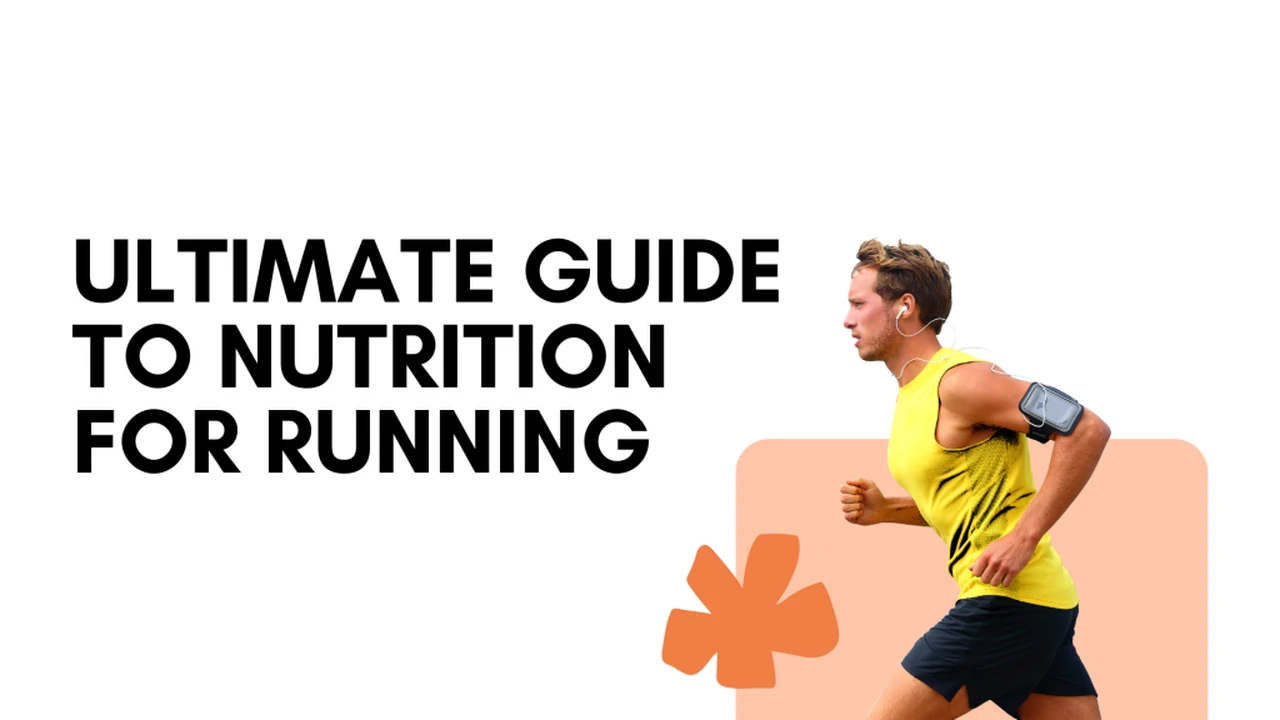
Proper hydration and nutrition are essential for optimal running performance. Staying hydrated and fueling your body with the right nutrients can help you run longer, faster, and stronger. Let's explore the key considerations for hydration and nutrition for runners.
Hydration Staying Properly Hydrated Before During and After Your Runs
Dehydration can significantly impact your running performance. It can lead to fatigue, muscle cramps, and decreased endurance. It's important to stay properly hydrated before, during, and after your runs.
Before Your Run: Drink plenty of water in the hours leading up to your run. Aim for at least 16 ounces of water a few hours before you start.
During Your Run: If you're running for longer than an hour, you'll need to replenish your fluids during your run. Carry a water bottle or use a hydration pack. Aim to drink 4-8 ounces of water every 15-20 minutes.
After Your Run: Replenish your fluids after your run to rehydrate your body. Drink water, sports drinks, or other hydrating beverages.
Nutrition Fueling Your Body for Optimal Performance
Nutrition plays a crucial role in running performance. Eating the right foods can provide you with the energy you need to run your best.
Carbohydrates: Carbohydrates are your body's primary source of energy. Focus on complex carbohydrates like whole grains, fruits, and vegetables.
Protein: Protein is essential for muscle repair and recovery. Include protein in your diet from sources like lean meats, poultry, fish, beans, and nuts.
Fats: Healthy fats are important for overall health and can provide energy for longer runs. Choose healthy fats from sources like avocados, nuts, seeds, and olive oil.
Pre-Run Fueling
Eating the right foods before your run can provide you with the energy you need to perform your best. Choose a light and easily digestible meal or snack that is high in carbohydrates and low in fat and fiber.
Examples of pre-run snacks:
- Banana with peanut butter
- Toast with jam
- Oatmeal with fruit
During-Run Fueling
If you're running for longer than an hour, you'll need to replenish your energy during your run. Choose energy gels, chews, or other easily digestible snacks that are high in carbohydrates.
Post-Run Fueling
Replenishing your energy after your run is essential for muscle recovery. Choose a meal or snack that is high in carbohydrates and protein.
Examples of post-run meals:
- Chicken breast with rice and vegetables
- Salmon with sweet potato and salad
- Protein shake with fruit
Recommended Hydration and Nutrition Products
Here are a few of our top picks for hydration and nutrition products:
- Nuun Electrolyte Tablets: Electrolyte tablets that help replenish electrolytes lost through sweat. Price: $7
- GU Energy Gels: Energy gels that provide a quick and easy source of carbohydrates during your run. Price: $2
- Clif Bar Energy Bars: Energy bars that provide a sustained source of energy for longer runs. Price: $2
Tips for Hydration and Nutrition
Here are a few tips for hydration and nutrition:
- Experiment to find what works best for you: Everyone's body is different, so experiment with different hydration and nutrition strategies to find what works best for you.
- Practice your hydration and nutrition strategies during training: Don't try anything new on race day! Practice your hydration and nutrition strategies during training to make sure they work for you.
- Listen to your body: Pay attention to your body's signals and adjust your hydration and nutrition accordingly.
- Consult with a registered dietitian or sports nutritionist: A registered dietitian or sports nutritionist can help you develop a personalized hydration and nutrition plan.
Injury Prevention and Recovery Staying Healthy and Strong
Injury prevention and recovery are crucial for staying healthy and strong as a runner. Taking steps to prevent injuries and properly recovering after your runs can help you stay on the road and achieve your goals. Let's explore the key considerations for injury prevention and recovery for runners.
Proper Warm-Up and Cool-Down Preparing Your Body for Exercise
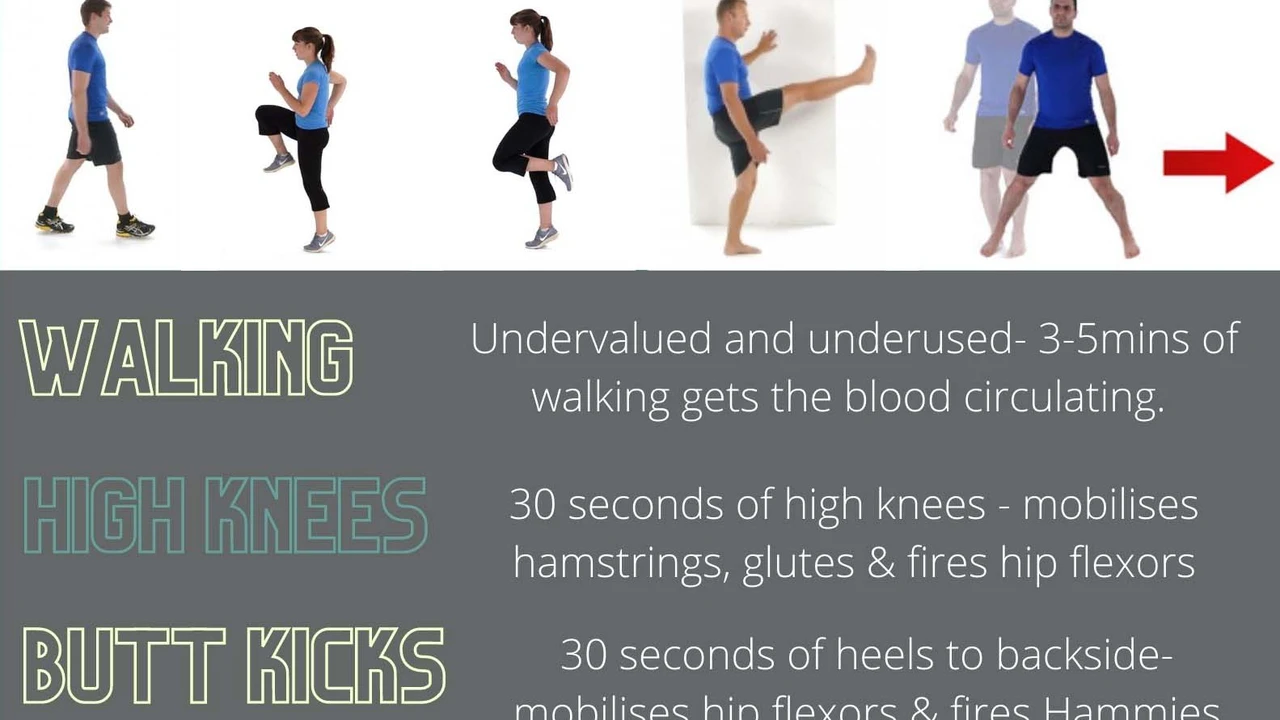
A proper warm-up and cool-down are essential for preparing your body for exercise and preventing injuries. A warm-up helps to increase blood flow to your muscles and prepare them for activity, while a cool-down helps to gradually lower your heart rate and reduce muscle soreness.
Warm-Up: Start with 5-10 minutes of light cardio, such as jogging or walking, followed by dynamic stretching exercises, such as leg swings, arm circles, and torso twists.
Cool-Down: Finish your run with 5-10 minutes of light cardio, such as walking, followed by static stretching exercises, such as hamstring stretches, quad stretches, and calf stretches.
Stretching and Flexibility Maintaining Range of Motion
Stretching and flexibility are important for maintaining range of motion and preventing injuries. Regular stretching can help to improve flexibility, reduce muscle soreness, and prevent muscle imbalances.
Static Stretching: Hold each stretch for 30 seconds. Examples include hamstring stretches, quad stretches, and calf stretches.
Dynamic Stretching: Perform each stretch for 10-15 repetitions. Examples include leg swings, arm circles, and torso twists.
Strength Training Building a Strong Foundation
Strength training is important for building a strong foundation and preventing injuries. Strong muscles can help to support your joints and improve your running form.
Focus on exercises that target the muscles used in running, such as your quads, hamstrings, glutes, and calves.
Examples of strength training exercises:
- Squats
- Lunges
- Deadlifts
- Calf raises
Proper Running Form Minimizing Stress on Your Body
Proper running form can help to minimize stress on your body and prevent injuries. Focus on maintaining good posture, landing midfoot, and keeping your stride length appropriate for your pace.
Rest and Recovery Allowing Your Body to Rebuild
Rest and recovery are essential for allowing your body to rebuild and repair itself after your runs. Get enough sleep, eat a healthy diet, and take rest days when needed.
Listening to Your Body Paying Attention to Pain and Discomfort
It's important to listen to your body and pay attention to any pain or discomfort. Don't push yourself too hard, and take rest days when needed. If you experience any pain that doesn't go away after a few days, see a doctor or physical therapist.
Recommended Injury Prevention and Recovery Products
Here are a few of our top picks for injury prevention and recovery products:
- Foam Roller: A foam roller can help to release muscle tension and improve flexibility. Price: $20
- Massage Ball: A massage ball can help to target specific areas of muscle tension. Price: $10
- Resistance Bands: Resistance bands can be used for strength training and rehabilitation exercises. Price: $15
Tips for Injury Prevention and Recovery
Here are a few tips for injury prevention and recovery:
- Start slowly and gradually increase your mileage: Don't increase your mileage too quickly, as this can lead to injuries.
- Warm up before each run and cool down afterwards: A proper warm-up and cool-down are essential for preparing your body for exercise and preventing injuries.
- Stretch regularly: Stretching can help to improve flexibility, reduce muscle soreness, and prevent muscle imbalances.
- Strength train regularly: Strength training can help to build a strong foundation and prevent injuries.
- Listen to your body: Pay attention to any pain or discomfort and take rest days when needed.
- See a doctor or physical therapist if you experience any pain that doesn't go away after a few days.
Running in Different Weather Conditions Adjusting Your Gear and Strategy
Running in different weather conditions requires adjusting your gear and strategy to stay comfortable and safe. Whether you're running in the heat, cold, rain, or snow, here are some tips to help you prepare.
Running in the Heat Staying Cool and Hydrated
Running in the heat can be challenging, but with the right precautions, you can stay cool and hydrated.
- Run during the cooler parts of the day: Avoid running during the hottest hours of the day, typically between 10 am and 4 pm.
- Wear lightweight, breathable clothing: Choose fabrics that wick away moisture and allow your skin to breathe.
- Wear a hat and sunglasses: Protect yourself from the sun's harmful rays with a hat and sunglasses.
- Hydrate properly: Drink plenty of water before, during, and after your run.
- Consider carrying a water bottle or using a hydration pack: This will allow you to replenish your fluids during your run.
- Slow down your pace: Don't push yourself too hard in the heat.
- Listen to your body: Pay attention to any signs of heat exhaustion, such as dizziness, nausea, or headache.
Running in the Cold Staying Warm and Protected
Running in the cold can also be challenging, but with the right gear and strategy, you can stay warm and protected.
- Dress in layers: Layering allows you to adjust your clothing to changing weather conditions.
- Wear moisture-wicking fabrics: Avoid cotton, which can trap sweat and make you feel cold.
- Protect your extremities: Wear a hat, gloves, and warm socks.
- Consider wearing a face mask or scarf: This will help to protect your face from the cold wind.
- Run into the wind on the way out and with the wind on the way back: This will help to prevent windburn.
- Be aware of the signs of hypothermia: Shivering, confusion, and slurred speech are all signs of hypothermia.
Running in the Rain Staying Dry and Safe
Running in the rain can be a refreshing experience, but it's important to stay dry and safe.
- Wear waterproof clothing: A waterproof jacket and pants will help to keep you dry.
- Wear shoes with good traction: Wet pavement can be slippery, so choose shoes with good traction.
- Be visible: Wear bright clothing or reflective gear to stay visible to drivers.
- Avoid running in puddles: Puddles can hide potholes and other hazards.
- Be careful on wet leaves: Wet leaves can be very slippery.
Running in the Snow Staying Safe and Warm
Running in the snow can be a challenging but rewarding experience. Here's how to stay safe and warm:
- Wear shoes with good traction: Trail running shoes with aggressive lugs are a good choice. Consider using ice cleats for extra grip.
- Dress in layers: As with cold weather running, layering is key.
- Be visible: Wear bright clothing or reflective gear.
- Shorten your stride: This will help you maintain balance.
- Be aware of ice: Watch out for icy patches, especially in shaded areas.
- Consider running on snow-covered trails: Trails often offer better traction than paved surfaces.
The Mental Game of Running Staying Motivated and Focused
Running is not just a physical activity; it's also a mental game. Staying motivated and focused can be just as important as physical fitness. Let's explore some tips for mastering the mental game of running.
Setting Realistic Goals Achieving Success Step by Step
Setting realistic goals is crucial for staying motivated. Start with small, achievable goals and gradually increase the difficulty as you progress.
Examples of realistic goals:
- Running a 5k
- Increasing your weekly mileage
- Improving your pace
Finding Your Motivation Staying Inspired
Everyone has different motivations for running. Find what inspires you and use it to stay motivated.
Examples of motivations:
- Improving your health
- Reaching a personal goal
- Enjoying the outdoors
- Connecting with other runners
Using Positive Self-Talk Staying Confident
Positive self-talk can help you stay confident and motivated during your runs. Replace negative thoughts with positive affirmations.
Examples of positive affirmations:
- "I am strong."
- "I can do this."
- "I am enjoying this run."
Visualizing Success Achieving Your Goals
Visualizing success can help you achieve your goals. Imagine yourself successfully completing your run or race.
Breaking Down Long Runs Into Smaller Segments
Breaking down long runs into smaller segments can make them seem less daunting. Focus on completing each segment one at a time.
Focusing on the Present Moment Staying Mindful
Focusing on the present moment can help you stay mindful and enjoy your runs. Pay attention to your breathing, your surroundings, and your body.
Celebrating Your Accomplishments Recognizing Your Progress
Celebrating your accomplishments can help you stay motivated and recognize your progress. Reward yourself for reaching your goals.
Running Safety Staying Safe on the Roads and Trails
Running safety is paramount, whether you're on roads or trails. Being aware of your surroundings and taking precautions can help you stay safe.
Being Aware of Your Surroundings Paying Attention to Traffic and Potential Hazards
Always be aware of your surroundings. Pay attention to traffic, pedestrians, cyclists, and potential hazards like potholes, uneven pavement, and wildlife.
Running on Sidewalks or Trails When Possible Avoiding Traffic
When possible, run on sidewalks or trails to avoid traffic. If you must run on the road, run against traffic so you can see oncoming vehicles.
Wearing Reflective Gear Staying Visible in Low-Light Conditions
Wear reflective gear, especially in low-light conditions. This will help you stay visible to drivers.
Carrying Identification and Emergency Contact Information
Carry identification and emergency contact information with you. This could be a driver's license, a medical ID bracelet, or a piece of paper with your name, address, and emergency contact information.
Letting Someone Know Your Route and Expected Return Time
Let someone know your route and expected return time. This will allow them to check on you if you don't return as expected.
Carrying a Cell Phone for Emergencies
Carry a cell phone for emergencies. Make sure it's charged before you leave.
Avoiding Running Alone in Isolated Areas
Avoid running alone in isolated areas, especially at night. If you must run alone, choose well-lit and populated areas.
Being Aware of Wildlife on Trails Taking Precautions
Be aware of wildlife on trails. Make noise to alert animals to your presence and avoid approaching or feeding them.
Trusting Your Instincts Avoiding Unsafe Situations
Trust your instincts. If you feel unsafe or uncomfortable, leave the area immediately.
Joining a Running Club or Group Finding Community and Support
Joining a running club or group can provide community, support, and motivation. Running with others can make your runs more enjoyable and help you stay on track with your goals.
Benefits of Joining a Running Club or Group
- Community: Connect with other runners who share your passion for running.
- Support: Get encouragement and support from other runners.
- Motivation: Stay motivated to run regularly.
- Accountability: Be accountable to your running partners.
- Training advice: Get training advice from experienced runners.
- Social events: Participate in social events with other runners.
How to Find a Running Club or Group
- Ask at local running stores: Running stores often know about local running clubs and groups.
- Search online: Search online for running clubs and groups in your area.
- Check with local community centers: Community centers often host running groups.
- Ask friends or family: Ask friends or family members if they know of any running clubs or groups.
Tips for Choosing a Running Club or Group
- Consider your goals: Choose a running club or group that aligns with your goals.
- Consider your pace: Choose a running club or group that runs at a pace that is comfortable for you.
- Consider the location: Choose a running club or group that meets in a location that is convenient for you.
- Attend a few meetings before joining: This will allow you to get a feel for the group and see if it's a good fit for you.
:max_bytes(150000):strip_icc()/277019-baked-pork-chops-with-cream-of-mushroom-soup-DDMFS-beauty-4x3-BG-7505-5762b731cf30447d9cbbbbbf387beafa.jpg)