Strength Training for Joggers: A Beginner's Routine
Understanding the Importance of Strength Training for Joggers
Jogging, a seemingly simple activity, places significant demands on your body. It's not just about putting one foot in front of the other. It’s about impact, endurance, and stability. While jogging primarily targets your cardiovascular system, neglecting strength training can lead to imbalances, injuries, and ultimately, hinder your jogging performance. Think of strength training as the foundation upon which your jogging success is built.
Why is strength training so crucial? Well, it strengthens the muscles supporting your joints, particularly your knees and ankles, which absorb a tremendous amount of shock with each stride. Stronger muscles also improve your running economy, meaning you can run faster and farther with less effort. Furthermore, strength training helps correct muscular imbalances that can develop from repetitive jogging motions. Think of it as preventative maintenance for your body, ensuring you can enjoy jogging for years to come.
Essential Strength Training Exercises for Joggers
Now, let's dive into specific exercises that will benefit your jogging. We'll focus on exercises that target key muscle groups used in jogging, including your legs, core, and glutes. Remember to start slowly and gradually increase the intensity and volume of your workouts as you get stronger. Consult with a healthcare professional or certified personal trainer before starting any new exercise program.
Squats for Jogging Power
Squats are a fundamental exercise for building lower body strength. They work your quads, hamstrings, and glutes, all of which are essential for powerful and efficient jogging. Proper form is key to avoiding injury. Start with your feet shoulder-width apart, toes slightly pointed outwards. Lower your hips as if you're sitting in a chair, keeping your back straight and your core engaged. Aim for a depth where your thighs are parallel to the ground. Push through your heels to return to the starting position. Start with bodyweight squats and gradually add weight using dumbbells or a barbell as you get stronger. Consider variations like goblet squats (holding a dumbbell close to your chest) or jump squats (explosively jumping at the top of the movement) for added intensity.
Lunges for Jogging Balance and Stability
Lunges are another excellent exercise for developing lower body strength and improving balance. They work your quads, hamstrings, glutes, and also engage your core for stability. There are several lunge variations you can incorporate into your routine. Forward lunges involve stepping forward with one leg and lowering your hips until both knees are bent at 90-degree angles. Reverse lunges involve stepping backward with one leg. Walking lunges involve continuously alternating forward lunges, moving across the floor. Lateral lunges involve stepping to the side. Each variation offers slightly different benefits. Focus on maintaining good form, keeping your front knee behind your toes and your core engaged.
Glute Bridges for Jogging Hip Extension
Glute bridges are a fantastic exercise for strengthening your glutes, which are crucial for hip extension and power during jogging. Lie on your back with your knees bent and your feet flat on the floor. Engage your core and squeeze your glutes to lift your hips off the ground, forming a straight line from your shoulders to your knees. Hold the position for a few seconds and then slowly lower back down. You can increase the difficulty by adding weight (a barbell across your hips) or performing single-leg glute bridges. Strong glutes contribute to efficient hip extension, which translates to a more powerful and less fatiguing jogging stride.
Plank for Jogging Core Strength
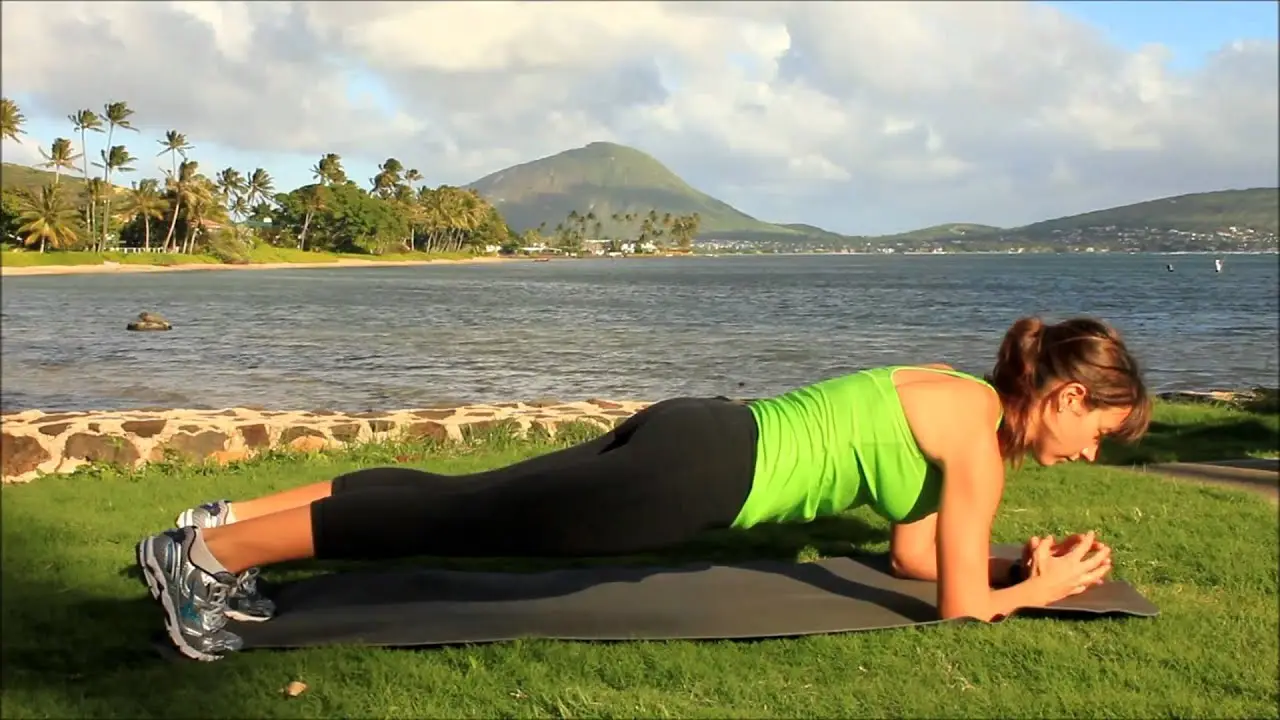
A strong core is essential for maintaining good posture and stability while jogging. The plank is an isometric exercise that effectively strengthens your core muscles. Start in a push-up position, but instead of pushing up, lower your forearms to the ground, keeping your body in a straight line from head to heels. Engage your core and hold the position for as long as you can maintain good form. Avoid sagging your hips or arching your back. Start with short holds (e.g., 30 seconds) and gradually increase the duration as you get stronger. Variations like side planks can further challenge your core and improve stability.
Calf Raises for Jogging Ankle Stability
Calf raises strengthen your calf muscles, which are important for ankle stability and propulsion during jogging. Stand with your feet flat on the floor. Raise up onto your toes, feeling the contraction in your calf muscles. Slowly lower back down. You can perform calf raises on a flat surface or on a slightly elevated surface (e.g., a step) to increase the range of motion. You can also add weight by holding dumbbells or using a calf raise machine. Strong calf muscles help absorb impact and propel you forward with each stride.
Creating a Strength Training Routine for Joggers
Now that you know some essential exercises, let's create a sample strength training routine that you can incorporate into your jogging schedule. Remember to listen to your body and adjust the routine as needed. It's generally recommended to strength train 2-3 times per week, allowing for adequate recovery between sessions.
Beginner Strength Training Routine
This routine is designed for beginners who are new to strength training. Perform each exercise for 2-3 sets of 10-12 repetitions. Rest for 60-90 seconds between sets.
- Bodyweight Squats
- Forward Lunges
- Glute Bridges
- Plank
- Calf Raises
Intermediate Strength Training Routine
This routine is designed for individuals with some strength training experience. Perform each exercise for 3-4 sets of 8-10 repetitions. Rest for 60-90 seconds between sets. Consider adding weight to the exercises.
- Goblet Squats
- Reverse Lunges
- Barbell Glute Bridges
- Side Plank
- Weighted Calf Raises
Advanced Strength Training Routine
This routine is designed for experienced strength trainers. Perform each exercise for 3-4 sets of 6-8 repetitions. Rest for 90-120 seconds between sets. Focus on using heavier weights and more challenging variations of the exercises.
- Back Squats
- Walking Lunges
- Single-Leg Glute Bridges
- Plank with Added Weight
- Seated Calf Raises
The Role of Nutrition in Strength Training and Jogging
Strength training and jogging both require proper nutrition to fuel your workouts and support muscle recovery. A balanced diet that includes adequate protein, carbohydrates, and healthy fats is essential. Protein is crucial for muscle repair and growth. Carbohydrates provide energy for your workouts. Healthy fats support hormone production and overall health.
Consider incorporating these foods into your diet:
- Lean protein sources (chicken, fish, beans, lentils)
- Complex carbohydrates (whole grains, fruits, vegetables)
- Healthy fats (avocados, nuts, seeds, olive oil)
Hydration is also important. Drink plenty of water throughout the day, especially before, during, and after your workouts.
Recommended Products to Enhance Your Strength Training
To maximize your strength training efforts, consider investing in some quality equipment and supplements. Here are a few recommendations, including product details, use cases, comparisons, and pricing:
Resistance Bands for Versatile Workouts
Product: Fit Simplify Resistance Loop Exercise Bands
Use Case: Resistance bands are incredibly versatile and can be used for a wide range of exercises, including squats, lunges, glute bridges, and more. They provide resistance without the need for heavy weights, making them ideal for home workouts or travel. They're also great for adding resistance to bodyweight exercises to make them more challenging.
Product Comparison: There are many resistance band sets on the market. The Fit Simplify bands stand out due to their durability, variety of resistance levels, and included carrying bag. Cheaper bands may be prone to snapping or losing their elasticity quickly. More expensive bands may offer additional features like handles or ankle straps, but for basic strength training, the Fit Simplify set is a great value.
Detailed Information: The Fit Simplify set includes five resistance bands, each with a different resistance level (X-Light, Light, Medium, Heavy, X-Heavy). They are made from 100% natural latex and are durable and long-lasting. The set also includes a carrying bag for easy storage and portability, as well as an instruction guide with sample exercises.
Pricing: Typically priced between $15 and $25 on Amazon and other online retailers.
Adjustable Dumbbells for Progressive Overload
Product: Bowflex SelectTech 552 Adjustable Dumbbells
Use Case: Adjustable dumbbells are a space-saving and cost-effective way to progressively increase the weight you lift during your strength training workouts. They allow you to easily adjust the weight to match your strength level and gradually increase the weight as you get stronger. This is crucial for continued muscle growth and strength gains.
Product Comparison: Several brands offer adjustable dumbbells. The Bowflex SelectTech 552 dumbbells are a popular choice due to their ease of use, wide weight range (5 to 52.5 pounds per dumbbell), and durable construction. Other adjustable dumbbells may use a different weight selection mechanism (e.g., a dial or pin) or have a smaller weight range. While more expensive than individual dumbbells, adjustable dumbbells are a more economical option in the long run.
Detailed Information: The Bowflex SelectTech 552 dumbbells allow you to select from 15 different weight settings, ranging from 5 to 52.5 pounds. The weight is easily adjusted using a dial. The dumbbells come with a storage tray and a two-year warranty. They are a great option for individuals who want to strength train at home without taking up a lot of space.
Pricing: Typically priced between $300 and $400 per pair on Amazon and other online retailers.
Protein Powder for Muscle Recovery
Product: Optimum Nutrition Gold Standard 100% Whey Protein
Use Case: Protein powder is a convenient way to supplement your protein intake, especially after a strength training workout. It provides your muscles with the amino acids they need to repair and rebuild. Whey protein is a fast-digesting protein source that is ideal for post-workout recovery.
Product Comparison: Many protein powders are available, each with different protein sources, flavors, and nutritional profiles. Optimum Nutrition Gold Standard 100% Whey Protein is a popular choice due to its high protein content, low carbohydrate and fat content, and delicious flavors. Other protein powders may contain added sugars, artificial sweeteners, or fillers. It’s crucial to read the label carefully and choose a protein powder that meets your individual needs and preferences.
Detailed Information: Optimum Nutrition Gold Standard 100% Whey Protein contains 24 grams of protein per serving, primarily from whey protein isolate. It also contains a small amount of whey protein concentrate and whey peptides. It is available in a variety of flavors and is easily mixed with water or milk. It is a great option for individuals who want to increase their protein intake and support muscle recovery.
Pricing: Typically priced between $30 and $60 for a 2-pound container on Amazon and other online retailers.
Foam Roller for Muscle Recovery and Flexibility
Product: TriggerPoint GRID Foam Roller
Use Case: Foam rolling is a self-myofascial release technique that can help improve muscle recovery, reduce muscle soreness, and increase flexibility. It involves using a foam roller to apply pressure to tight muscles, which can help release tension and improve blood flow. It's particularly beneficial for joggers to target tight areas like the quads, hamstrings, and calves.
Product Comparison: Foam rollers come in various shapes, sizes, and densities. The TriggerPoint GRID Foam Roller is a popular choice due to its unique GRID pattern, which provides varying levels of pressure. Other foam rollers may be smooth or have different textured surfaces. Some foam rollers are also vibrating, which can further enhance their effectiveness. The TriggerPoint GRID is a good balance of affordability and effectiveness.
Detailed Information: The TriggerPoint GRID Foam Roller is made from durable EVA foam and can withstand repeated use. Its GRID pattern provides varying levels of pressure, allowing you to target different muscle groups and areas of tightness. It is available in various sizes and colors. It is a great tool for improving muscle recovery and flexibility.
Pricing: Typically priced between $30 and $40 on Amazon and other online retailers.
Integrating Strength Training into Your Jogging Schedule
It's important to strategically integrate strength training into your jogging schedule to avoid overtraining and maximize your results. Avoid strength training on the same day as a hard jogging workout. Instead, schedule strength training on your rest days or on days when you have an easy jogging workout. Allow for adequate recovery between strength training sessions. Listen to your body and adjust your training schedule as needed.
Here's a sample weekly schedule:
- Monday: Easy Jog
- Tuesday: Strength Training
- Wednesday: Rest
- Thursday: Hard Jog (e.g., intervals or tempo run)
- Friday: Strength Training
- Saturday: Long Run
- Sunday: Rest
This is just a sample schedule, and you can adjust it based on your individual needs and preferences. The key is to listen to your body and allow for adequate recovery.
Common Mistakes to Avoid in Strength Training for Joggers
To avoid injury and maximize your results, it's important to avoid these common mistakes:
- Using improper form: Proper form is crucial for avoiding injury. Watch videos, consult with a trainer, and focus on maintaining good form throughout each exercise.
- Lifting too much weight too soon: Start with lighter weights and gradually increase the weight as you get stronger. Don't try to lift too much weight too soon, as this can lead to injury.
- Neglecting recovery: Allow for adequate recovery between strength training sessions. This is when your muscles repair and rebuild.
- Not warming up properly: Always warm up before strength training with light cardio and dynamic stretching.
- Ignoring pain: If you experience pain during an exercise, stop immediately and consult with a healthcare professional.
Staying Motivated with Your Strength Training Program
Staying motivated with your strength training program can be challenging, but it's essential for long-term success. Here are a few tips to help you stay motivated:
- Set realistic goals: Set achievable goals that you can realistically accomplish. This will help you stay motivated and track your progress.
- Find a workout buddy: Working out with a friend can help you stay motivated and accountable.
- Track your progress: Track your progress and celebrate your successes. This will help you see how far you've come and stay motivated to continue.
- Mix things up: Don't be afraid to change up your routine to keep things interesting. Try new exercises, workout locations, or workout partners.
- Reward yourself: Reward yourself for reaching your goals. This will help you stay motivated and celebrate your accomplishments.
Strength training is an invaluable asset for any jogger. By incorporating these exercises and recommendations into your routine, you'll not only improve your performance but also prevent injuries and enjoy jogging for years to come. Remember to listen to your body, progress gradually, and stay consistent. Happy jogging!
:max_bytes(150000):strip_icc()/277019-baked-pork-chops-with-cream-of-mushroom-soup-DDMFS-beauty-4x3-BG-7505-5762b731cf30447d9cbbbbbf387beafa.jpg)