Overcoming Plateaus in Weight Loss While Jogging

Understanding Weight Loss Plateaus and Jogging
So, you've been jogging regularly and the pounds were melting off. You felt great, your clothes fit better, and you were on a roll. But then…bam! The scale stops moving. You're stuck. This, my friend, is a weight loss plateau. It's a common and frustrating experience, but definitely not insurmountable. The good news is that understanding why plateaus happen when you're jogging can help you break through them and continue your weight loss journey.
A weight loss plateau occurs when your body adapts to your current exercise routine and calorie intake. Initially, when you start jogging, your body is shocked. It's burning more calories than it's used to, and it readily taps into fat stores for energy. However, as you continue jogging at the same intensity and for the same duration, your body becomes more efficient. It requires fewer calories to perform the same amount of work. This means you're burning fewer calories during your jogs than you used to, even if you're still putting in the same effort.
Another factor contributing to plateaus is a decrease in muscle mass. As you lose weight, some of that weight can be muscle, especially if you're not incorporating strength training into your routine. Muscle burns more calories at rest than fat, so a decrease in muscle mass can lower your overall metabolism and make it harder to lose weight.
Finally, hormonal changes can also play a role. Weight loss can affect hormones like leptin and ghrelin, which regulate appetite and metabolism. These changes can make you feel hungrier and slow down your metabolism, making it harder to continue losing weight.
Strategies to Bust Through Weight Loss Plateaus While Jogging
Okay, so you understand why plateaus happen. Now let's talk about what you can do to break through them and get back on track. The key is to shake things up and challenge your body in new ways.
Increase Jogging Intensity and Duration
One of the most effective ways to overcome a plateau is to increase the intensity and duration of your jogs. This forces your body to burn more calories and adapt to a new level of exertion. Here are a few ideas:
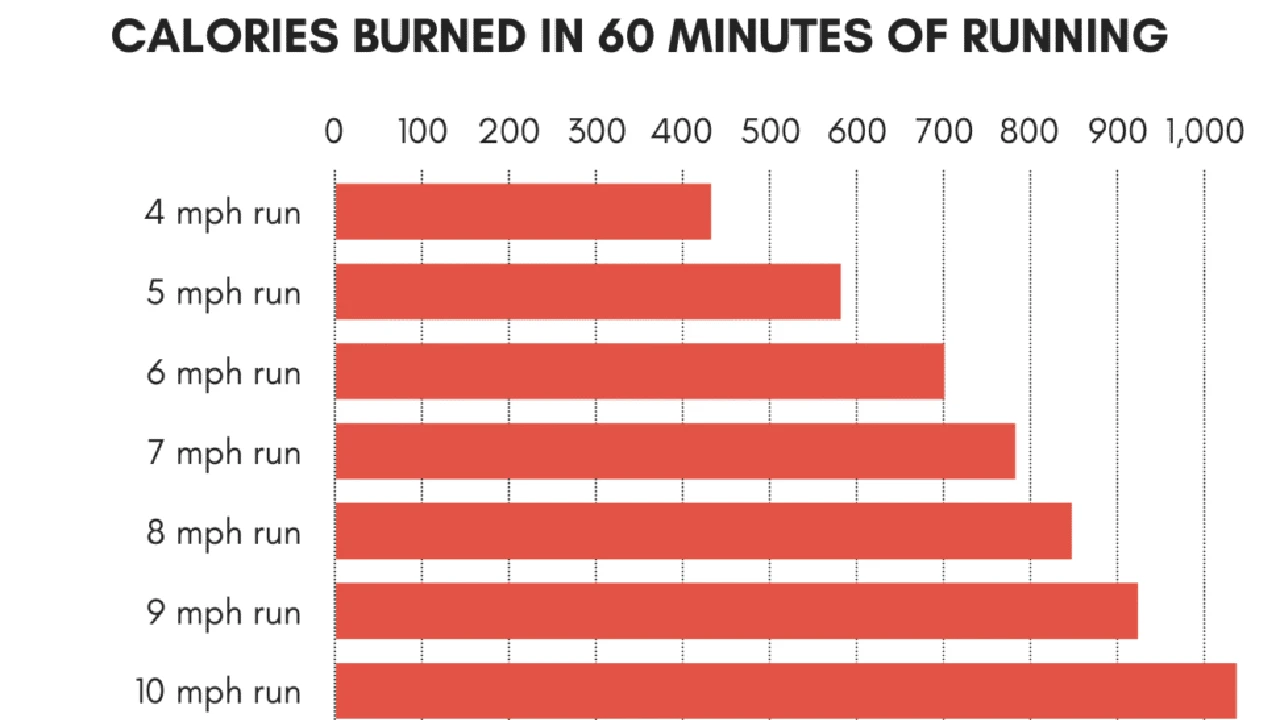
- Interval Training: Incorporate short bursts of high-intensity running into your jogs. For example, sprint for 30 seconds, then jog at a moderate pace for 1 minute. Repeat this cycle for 20-30 minutes. Interval training is incredibly effective for burning calories and improving cardiovascular fitness.
- Hill Workouts: Running uphill is a great way to increase the intensity of your jogs. Find a hilly route and challenge yourself to run up the hills. The added resistance will force your body to work harder and burn more calories.
- Longer Runs: Gradually increase the duration of your long runs. Add a few minutes to your long run each week until you're consistently running for a longer period of time.
Incorporate Strength Training for Enhanced Calorie Burn
As mentioned earlier, muscle mass plays a crucial role in metabolism. By incorporating strength training into your routine, you can build muscle, boost your metabolism, and make it easier to lose weight. Here are some exercises you can do at home or at the gym:
- Squats: Squats are a great exercise for working your legs and glutes.
- Lunges: Lunges are another excellent exercise for your legs and glutes.
- Push-ups: Push-ups are a classic exercise for your chest, shoulders, and triceps.
- Plank: Plank is a great exercise for your core.
- Dumbbell Rows: Dumbbell rows are a great exercise for your back and biceps.
Aim for 2-3 strength training sessions per week, focusing on compound exercises that work multiple muscle groups at once.
Adjust Your Diet for Optimal Weight Loss
Exercise is important, but diet is equally crucial for weight loss. If you're not eating the right foods, you'll have a hard time losing weight, even if you're jogging regularly. Here are some dietary adjustments you can make:
- Track Your Calories: Use a food tracking app to monitor your calorie intake. This will help you identify areas where you can cut back on calories.
- Increase Protein Intake: Protein is essential for building and repairing muscle tissue. Aim for 0.8-1 gram of protein per pound of body weight. Good sources of protein include lean meats, poultry, fish, eggs, beans, and lentils.
- Reduce Processed Foods: Processed foods are often high in calories, unhealthy fats, and added sugar. Limit your intake of processed foods and focus on eating whole, unprocessed foods.
- Stay Hydrated: Drink plenty of water throughout the day. Water can help you feel full and boost your metabolism.
Prioritize Sleep and Stress Management for Hormonal Balance
Sleep and stress can significantly impact your hormones, which can affect your weight loss efforts. Aim for 7-9 hours of sleep per night and find healthy ways to manage stress, such as yoga, meditation, or spending time in nature. Lack of sleep and chronic stress can increase cortisol levels, which can lead to weight gain, especially around the abdomen.
The Role of Supplements in Breaking Through Jogging Weight Loss Plateaus
While a healthy diet and regular exercise are the cornerstones of weight loss, certain supplements can provide an extra boost and help you overcome plateaus. However, it's important to note that supplements should be used in conjunction with a healthy lifestyle, not as a replacement for it. Always consult with your doctor before starting any new supplement regimen.
Protein Powders for Muscle Recovery and Growth
Protein powders are a convenient way to increase your protein intake, especially after a workout. Whey protein is a popular choice because it's quickly absorbed by the body and contains all the essential amino acids needed for muscle recovery and growth. Casein protein is another option, as it's digested more slowly and can help keep you feeling full for longer.
Product Recommendation: Optimum Nutrition Gold Standard 100% Whey
Use Case: Post-workout recovery shake.
Details: This is a widely popular and well-regarded whey protein powder. It's known for its high quality, delicious flavors, and ease of mixing. It provides 24 grams of protein per serving and is low in carbs and fat.
Pricing: Approximately $30-60 per container, depending on size and retailer.
Creatine for Enhanced Performance and Muscle Strength
Creatine is a naturally occurring compound that helps improve athletic performance and increase muscle strength. It works by increasing the availability of ATP, the primary energy source for muscle contractions. Creatine can be particularly helpful for high-intensity activities like sprinting and weightlifting.
Product Recommendation: Creatine Monohydrate (various brands)
Use Case: Enhance strength and power during interval training.
Details: Creatine monohydrate is the most well-researched and effective form of creatine. It's relatively inexpensive and has been shown to be safe and effective for most people.
Pricing: Approximately $10-30 per container, depending on size and retailer.
Caffeine for Increased Energy and Fat Burning
Caffeine is a stimulant that can increase energy levels, improve focus, and boost fat burning. It works by stimulating the nervous system and increasing the release of adrenaline. Caffeine can be particularly helpful for getting through tough workouts or overcoming fatigue.
Product Recommendation: Coffee or Pre-Workout Supplements
Use Case: Pre-workout energy boost.
Details: Coffee is a natural source of caffeine and can be a great pre-workout beverage. Alternatively, pre-workout supplements often contain caffeine along with other ingredients that can enhance performance.
Pricing: Varies depending on the source. Coffee is relatively inexpensive, while pre-workout supplements can range from $20-50 per container.
Fat Burners The Pros and Cons
Fat burners are supplements that claim to increase fat burning and promote weight loss. However, it's important to be cautious when using fat burners, as some can contain potentially harmful ingredients. Many fat burners contain stimulants like caffeine and yohimbine, which can cause side effects such as anxiety, jitteriness, and increased heart rate. It's essential to research the ingredients and potential side effects before using any fat burner. While some fat burners may provide a slight boost in fat burning, they are not a magic bullet and should not be relied upon as the sole solution for weight loss.
Product Recommendation: (Proceed with Caution) Transparent Labs Fat Burner
Use Case: (Potential) Support for fat loss efforts (with strict adherence to label instructions and medical consultation).
Details: This fat burner is often cited for its transparent ingredient list, meaning all ingredients and dosages are clearly listed. It contains ingredients like Forslean (Coleus Forskohlii), green tea extract, and cayenne pepper extract, which are believed to support fat burning and metabolism. However, it's crucial to consult with a doctor before using this or any fat burner, especially if you have any underlying health conditions.
Pricing: Approximately $50-70 per container.
Product Comparison: Choosing the Right Supplement for Your Jogging Weight Loss Plateau
When it comes to choosing supplements to help you break through a weight loss plateau, it's important to consider your individual needs and goals. Here's a brief comparison of the supplements discussed above:
- Protein Powders: Ideal for muscle recovery and growth, especially after intense jogging sessions. Can help increase satiety and support a higher protein intake.
- Creatine: Best suited for those incorporating high-intensity interval training into their jogging routine. Can enhance power and performance during sprints and hill workouts.
- Caffeine: A good option for a pre-workout energy boost, particularly on days when you're feeling fatigued. Can improve focus and potentially increase fat burning.
- Fat Burners: Use with extreme caution. While they may offer a slight boost in fat burning, the potential risks and side effects should be carefully considered. Always consult with a doctor before using fat burners.
Advanced Techniques for Jogging and Weight Loss Optimization
Once you've mastered the basics of jogging and weight loss, you can explore more advanced techniques to further optimize your results. These techniques require a deeper understanding of your body and how it responds to exercise and diet.
Heart Rate Zone Training for Targeted Fat Burning
Heart rate zone training involves monitoring your heart rate during exercise to ensure you're working at the optimal intensity for fat burning. Different heart rate zones correspond to different energy systems and fuel sources. For example, the "fat burning zone" is typically around 60-70% of your maximum heart rate. By training in this zone, you can theoretically burn a higher percentage of calories from fat.
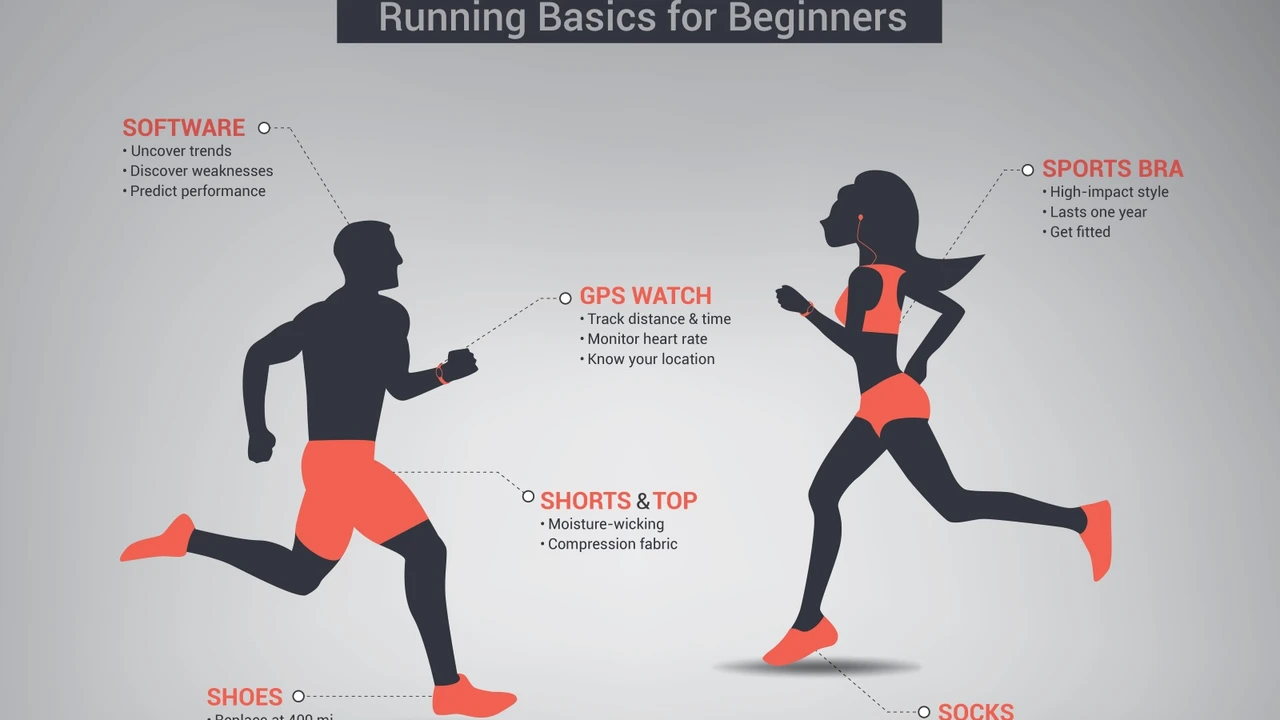
To determine your maximum heart rate, you can use a simple formula like 220 minus your age. However, this is just an estimate, and it's best to consult with a healthcare professional or exercise physiologist for a more accurate assessment. You'll need a heart rate monitor (chest strap or wrist-based) to track your heart rate during your jogs.
Carb Cycling for Metabolic Flexibility
Carb cycling involves alternating between high-carb and low-carb days to manipulate your body's insulin response and promote fat burning. The idea is that on high-carb days, you replenish glycogen stores and support muscle recovery, while on low-carb days, you force your body to burn more fat for fuel.
Carb cycling can be a complex strategy, and it's important to do it correctly to avoid negative consequences. It's best to consult with a registered dietitian or nutritionist before implementing carb cycling into your diet.
Intermittent Fasting for Calorie Restriction and Hormonal Benefits
Intermittent fasting (IF) involves cycling between periods of eating and fasting. There are several different IF protocols, such as the 16/8 method (fasting for 16 hours and eating within an 8-hour window) and the 5:2 diet (eating normally for 5 days and restricting calories to 500-600 for 2 days). IF can help reduce calorie intake, improve insulin sensitivity, and potentially boost fat burning.
IF is not suitable for everyone, and it's important to listen to your body and adjust the protocol as needed. It's also important to ensure you're getting adequate nutrition during your eating windows. Consult with a healthcare professional before starting an IF regimen.
Staying Motivated and Avoiding Future Jogging Weight Loss Plateaus
Weight loss is a marathon, not a sprint. It's important to stay motivated and avoid getting discouraged when you hit a plateau. Here are some tips for staying on track:
- Set Realistic Goals: Don't expect to lose weight overnight. Set small, achievable goals that you can celebrate along the way.
- Track Your Progress: Keep track of your weight, measurements, and other progress markers. This will help you see how far you've come and stay motivated.
- Find a Jogging Buddy: Having someone to jog with can make it more fun and keep you accountable.
- Reward Yourself: When you reach a goal, reward yourself with something non-food related, such as a new workout outfit or a massage.
- Be Patient and Persistent: Weight loss plateaus are normal. Don't give up when you hit one. Keep experimenting with different strategies until you find what works for you.
- Listen to Your Body: Pay attention to how your body feels and adjust your training and diet accordingly. Don't push yourself too hard, and make sure you're getting enough rest.
Jogging and Weight Loss The Long Game
Overcoming weight loss plateaus while jogging is a process that requires patience, persistence, and a willingness to experiment. By understanding the factors that contribute to plateaus and implementing the strategies outlined above, you can break through them and continue your journey towards a healthier and happier you. Remember to focus on the long game, stay consistent with your efforts, and celebrate your successes along the way. And most importantly, listen to your body and adjust your approach as needed. Happy jogging!
:max_bytes(150000):strip_icc()/277019-baked-pork-chops-with-cream-of-mushroom-soup-DDMFS-beauty-4x3-BG-7505-5762b731cf30447d9cbbbbbf387beafa.jpg)