Jogging vs. Other Cardio Exercises for Weight Loss
Introduction to Cardio and Weight Loss The Importance of Choosing the Right Exercise
So, you're on a quest for weight loss? Fantastic! One of the most effective tools in your arsenal is cardio exercise. But with so many options available, how do you decide which one is right for you? We're diving deep into the world of cardio, specifically comparing jogging with other popular choices, to help you make an informed decision. Think of this as your personal cardio coach, guiding you towards a leaner, healthier you.
Weight loss isn’t just about shedding pounds; it's about improving your overall well-being. It's about having more energy, feeling confident, and reducing your risk of various health issues. Cardio plays a crucial role in this process by burning calories, boosting your metabolism, and strengthening your cardiovascular system. But not all cardio is created equal. Some exercises are more effective than others, depending on your fitness level, preferences, and goals.
Jogging for Weight Loss Unveiling the Benefits and Drawbacks
Let's start with jogging. What exactly makes it a contender in the weight loss game? Jogging, at its core, is a low-to-moderate intensity exercise that involves running at a slow and steady pace. It's accessible to almost everyone, requiring minimal equipment and can be done virtually anywhere. But let's peel back the layers and see what jogging truly offers.
The Pros of Jogging A Weight Loss Powerhouse?
One of the biggest advantages of jogging is its accessibility. You don't need a gym membership or fancy equipment. All you need is a pair of comfortable shoes and a safe place to run. This makes it a cost-effective and convenient option for many people. Jogging is also a great way to improve your cardiovascular health. It strengthens your heart, lowers blood pressure, and reduces your risk of heart disease. Plus, it's a fantastic stress reliever. The rhythmic pounding of your feet against the pavement can be incredibly meditative, helping you clear your mind and reduce anxiety.
From a weight loss perspective, jogging burns a significant number of calories. The exact number depends on your weight, pace, and duration, but generally, you can expect to burn around 100 calories per mile. This calorie burn contributes directly to creating the calorie deficit needed for weight loss. Furthermore, jogging can help improve your insulin sensitivity, making it easier for your body to regulate blood sugar levels and preventing those dreaded sugar cravings.
The Cons of Jogging Potential Challenges and Considerations
Now for the not-so-glamorous side. Jogging, despite its benefits, isn't without its drawbacks. One of the most common concerns is the impact on your joints. The repetitive pounding can put stress on your knees, ankles, and hips, especially if you're overweight or have pre-existing joint problems. This can lead to injuries like runner's knee, shin splints, and stress fractures.
Another potential downside is that jogging can become monotonous. Running the same route day after day can lead to boredom, which can make it difficult to stay motivated. Furthermore, jogging may not be the most efficient way to burn calories. While it does burn calories, other forms of cardio, like high-intensity interval training (HIIT), can burn more calories in a shorter amount of time.
Alternative Cardio Options for Weight Loss Exploring Diverse Choices
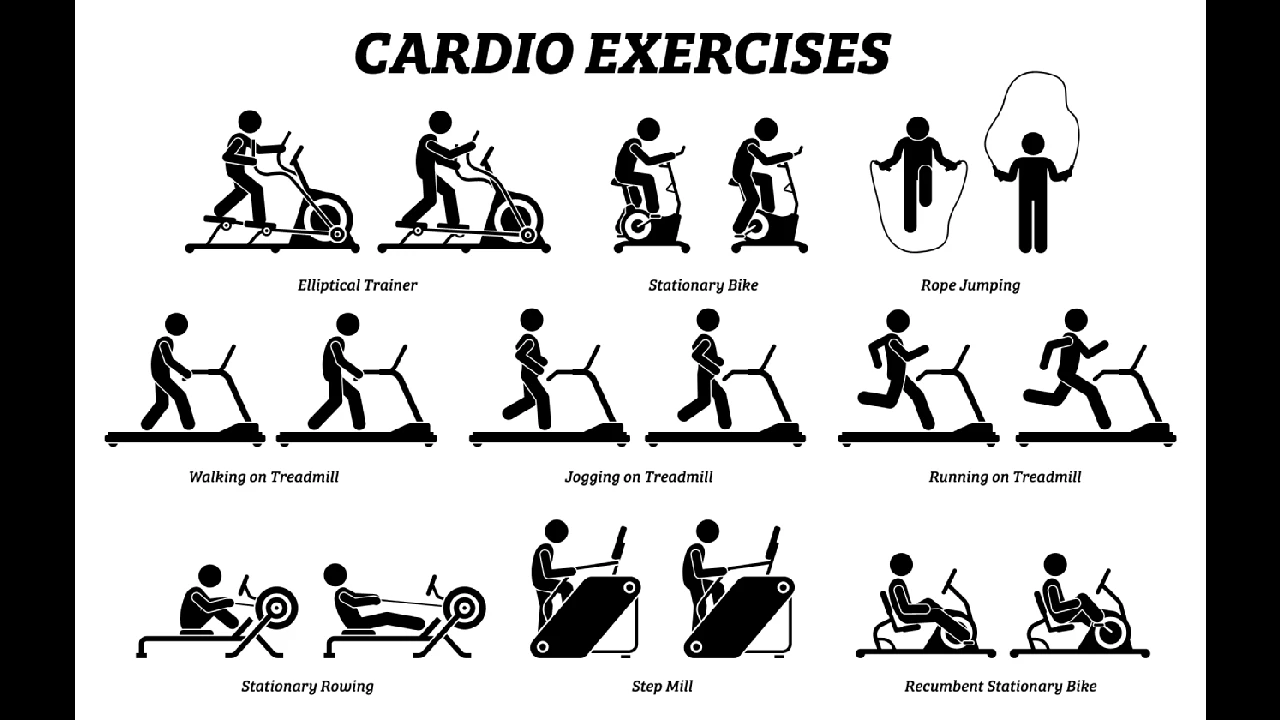
So, jogging has its pros and cons. But what about other cardio options? Let's explore some popular alternatives and see how they stack up against jogging in terms of weight loss and overall fitness.
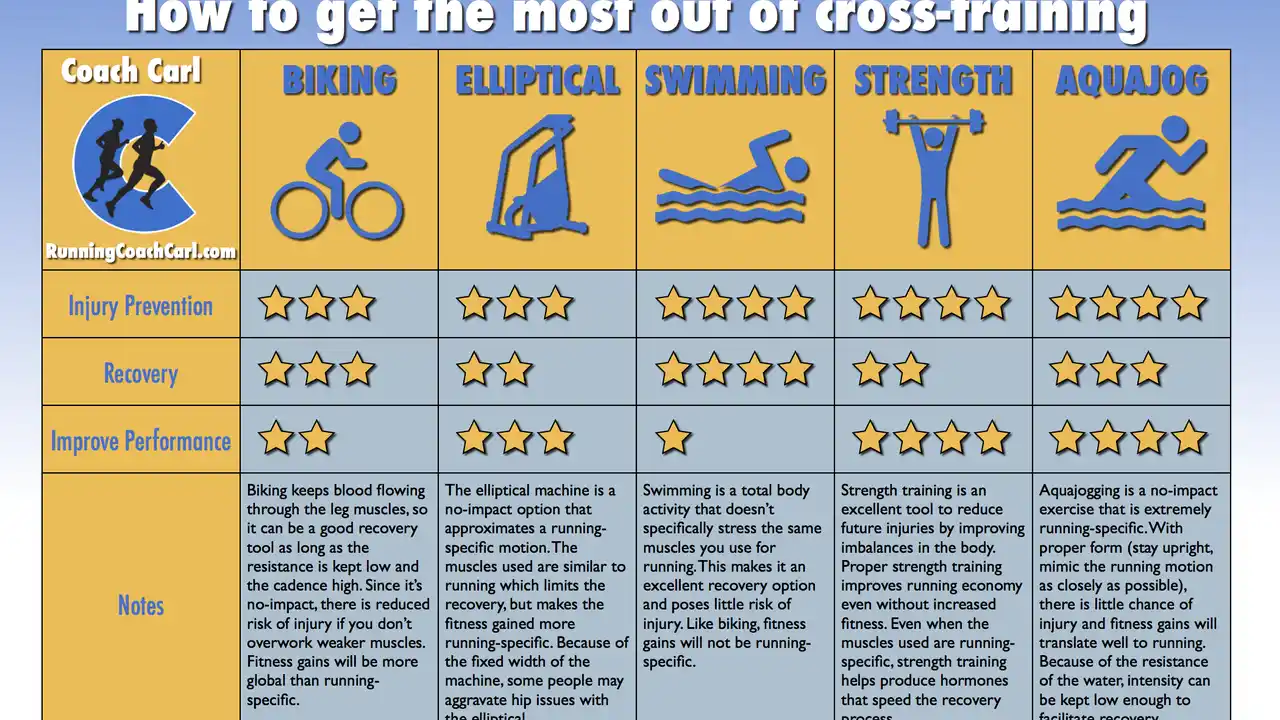
Swimming A Low Impact Cardio Champion
Swimming is a fantastic cardio option, especially if you have joint problems. The buoyancy of water reduces the impact on your joints, making it a gentle yet effective workout. Swimming engages almost every muscle in your body, providing a full-body workout that burns a significant number of calories. It's also a great way to improve your cardiovascular health and increase your lung capacity.
From a weight loss perspective, swimming can be just as effective as jogging, if not more so. The exact calorie burn depends on the stroke you use and the intensity of your workout, but generally, you can expect to burn between 500 and 700 calories per hour. Plus, swimming is a great way to build muscle, which can further boost your metabolism and help you burn more calories even when you're at rest.
Cycling A Versatile and Enjoyable Exercise
Cycling is another excellent cardio option that offers a variety of benefits. Whether you prefer cycling outdoors or indoors on a stationary bike, it's a great way to burn calories, improve your cardiovascular health, and strengthen your leg muscles. Cycling is also a low-impact exercise, making it a good option for people with joint problems. Plus, it can be a lot of fun, especially if you enjoy exploring new routes and scenery.
From a weight loss perspective, cycling can be highly effective. The calorie burn depends on the intensity of your workout, but generally, you can expect to burn between 400 and 600 calories per hour. Cycling is also a great way to improve your endurance and stamina, allowing you to exercise for longer periods of time and burn even more calories.
HIIT High Intensity Interval Training Maximizing Calorie Burn
HIIT is a type of cardio that involves short bursts of intense exercise followed by brief recovery periods. This type of training is highly effective for burning calories and improving your cardiovascular fitness. HIIT workouts are typically shorter than traditional cardio workouts, making them a great option for people who are short on time. Plus, HIIT can help boost your metabolism and improve your insulin sensitivity.
From a weight loss perspective, HIIT is a powerhouse. Studies have shown that HIIT can burn more calories than traditional cardio in the same amount of time. Furthermore, HIIT can help you burn more calories even after your workout is over, thanks to the "afterburn effect." This makes HIIT a highly efficient and effective option for weight loss.
Comparing Cardio Options A Detailed Analysis
Now that we've explored some popular cardio options, let's compare them side-by-side to see which one comes out on top for weight loss and overall fitness.
Calorie Burn A Head to Head Comparison
In terms of calorie burn, HIIT generally comes out on top, followed by swimming, cycling, and then jogging. However, it's important to remember that the exact calorie burn depends on the intensity of your workout and your individual metabolism. Also, consider the sustainability. HIIT is great for short bursts, but can you maintain it long term? Jogging might be lower calorie burn, but more easily sustainable over a longer period.
Impact on Joints Minimizing Strain and Injury Risk
In terms of impact on joints, swimming is the clear winner, followed by cycling, and then jogging. HIIT can be high-impact, depending on the exercises you choose. If you have joint problems, swimming or cycling are the best options. If you're healthy and injury-free, jogging and HIIT can be great choices, but it's important to listen to your body and avoid overtraining.
Accessibility and Convenience Fitting Exercise Into Your Life
In terms of accessibility and convenience, jogging is the winner, followed by cycling (if you have a bike), and then HIIT (which can be done at home or in a gym). Swimming requires access to a pool, which may not be convenient for everyone. Ultimately, the best cardio option is the one that you can consistently fit into your life.
Product Recommendations Enhancing Your Cardio Experience
To maximize your cardio experience and achieve your weight loss goals, here are some product recommendations that can help.
Running Shoes Choosing the Right Footwear
Investing in a good pair of running shoes is essential for jogging and walking. Look for shoes that provide adequate cushioning and support, and that fit your foot properly. We recommend the **Brooks Glycerin 20** for its superior cushioning and comfort. The Glycerin 20 features a DNA LOFT v3 midsole that provides a soft and responsive ride. It's also lightweight and breathable, making it ideal for long runs. The price ranges from $150 to $180, depending on the retailer. Another great option is the **Hoka Clifton 9**, known for its lightweight design and plush cushioning. The Clifton 9 features a compression-molded EVA midsole that provides excellent shock absorption. It's also durable and long-lasting, making it a great value for the price. The price ranges from $140 to $160.
Heart Rate Monitors Tracking Your Progress
Tracking your heart rate during cardio workouts can help you stay in the optimal zone for burning fat and improving your cardiovascular fitness. We recommend the **Garmin Forerunner 255**, a GPS running smartwatch that tracks your heart rate, pace, distance, and more. It also features advanced training metrics and recovery insights to help you optimize your workouts. The price ranges from $350 to $400. Another good option is the **Polar H10 Heart Rate Sensor**, which provides accurate heart rate data and can be used with a variety of fitness apps. The price is around $90.
Wireless Headphones Staying Motivated with Music
Listening to music during cardio workouts can help you stay motivated and push yourself harder. We recommend the **Jabra Elite Active 7**, wireless earbuds that are sweatproof and provide excellent sound quality. They also feature active noise cancellation to block out distractions. The price ranges from $180 to $200. Another great option is the **Powerbeats Pro**, wireless earbuds that are designed for athletes and provide a secure and comfortable fit. The price ranges from $200 to $250.
Smart Scales Monitoring Your Weight Loss Journey
Tracking your weight and body composition is an important part of any weight loss journey. We recommend the **Withings Body+ Smart Scale**, which tracks your weight, body fat percentage, muscle mass, and more. It also syncs with a smartphone app to help you track your progress over time. The price is around $100. Another good option is the **Fitbit Aria Air Smart Scale**, which tracks your weight and syncs with the Fitbit app. The price is around $50.
Product Use Cases Practical Applications
Let's explore some practical use cases for these product recommendations.
Using Running Shoes for Different Cardio Activities
Running shoes aren't just for jogging; they can also be used for other cardio activities like walking, hiking, and even some types of HIIT. The **Brooks Glycerin 20** is versatile enough to be used for all of these activities, providing cushioning and support for your feet. The **Hoka Clifton 9** is also a good option for walking and hiking, but may not be as suitable for high-impact activities like HIIT.
Utilizing Heart Rate Monitors for Personalized Training
Heart rate monitors can be used to personalize your training and ensure that you're working at the right intensity. The **Garmin Forerunner 255** can be used to track your heart rate during all types of cardio workouts, and it provides real-time feedback on your heart rate zones. This allows you to adjust your intensity and stay in the optimal zone for burning fat or improving your cardiovascular fitness. The **Polar H10 Heart Rate Sensor** can be used with a variety of fitness apps to track your heart rate and analyze your performance.
Leveraging Wireless Headphones for Enhanced Motivation
Wireless headphones can be used to enhance your motivation during cardio workouts. Listening to upbeat music can help you stay energized and push yourself harder. The **Jabra Elite Active 7** and **Powerbeats Pro** are both sweatproof and provide excellent sound quality, making them ideal for intense workouts. They also feature a secure and comfortable fit, so you don't have to worry about them falling out during your workout.
Employing Smart Scales for Long Term Progress Tracking
Smart scales can be used to track your weight and body composition over time. The **Withings Body+ Smart Scale** and **Fitbit Aria Air Smart Scale** both sync with smartphone apps to help you track your progress and stay motivated. These scales can also provide valuable insights into your body composition, such as your body fat percentage and muscle mass, which can help you adjust your diet and exercise plan accordingly.
Product Comparisons Making Informed Choices
Let's compare some of these products side-by-side to help you make an informed choice.
Brooks Glycerin 20 vs Hoka Clifton 9 A Running Shoe Showdown
The **Brooks Glycerin 20** and **Hoka Clifton 9** are both excellent running shoes, but they have different strengths. The Glycerin 20 is known for its superior cushioning and comfort, while the Clifton 9 is known for its lightweight design and plush cushioning. If you prioritize cushioning and comfort, the Glycerin 20 is the better choice. If you prioritize lightweight design and a more responsive ride, the Clifton 9 is the better choice.
Garmin Forerunner 255 vs Polar H10 Heart Rate Sensor A Heart Rate Monitoring Duel
The **Garmin Forerunner 255** is a GPS running smartwatch that tracks your heart rate, pace, distance, and more. The **Polar H10 Heart Rate Sensor** is a chest strap heart rate monitor that provides accurate heart rate data. If you want a comprehensive fitness tracker with GPS capabilities, the Forerunner 255 is the better choice. If you only need accurate heart rate data, the Polar H10 is a more affordable option.
Jabra Elite Active 7 vs Powerbeats Pro Wireless Earbud Face Off
The **Jabra Elite Active 7** and **Powerbeats Pro** are both excellent wireless earbuds for cardio workouts. The Elite Active 7 features active noise cancellation and is sweatproof, while the Powerbeats Pro is designed for athletes and provides a secure and comfortable fit. If you prioritize noise cancellation and sweat resistance, the Elite Active 7 is the better choice. If you prioritize a secure fit and durability, the Powerbeats Pro is the better choice.
Withings Body+ Smart Scale vs Fitbit Aria Air Smart Scale A Battle of the Smart Scales
The **Withings Body+ Smart Scale** tracks your weight, body fat percentage, muscle mass, and more, while the **Fitbit Aria Air Smart Scale** tracks your weight. If you want a scale that tracks more than just your weight, the Withings Body+ is the better choice. If you are already invested in the Fitbit ecosystem, the Aria Air offers a seamless integration.
Detailed Product Information Pricing and Specifications
Here's a more detailed look at the pricing and specifications of these products.
Brooks Glycerin 20 Detailed Specifications and Pricing
- Price: $150-$180
- Weight: 10.1 oz (men's), 9.0 oz (women's)
- Midsole: DNA LOFT v3
- Drop: 10mm
- Features: Superior cushioning, comfortable fit, lightweight, breathable
Hoka Clifton 9 Detailed Specifications and Pricing
- Price: $140-$160
- Weight: 8.7 oz (men's), 7.3 oz (women's)
- Midsole: Compression-molded EVA
- Drop: 5mm
- Features: Lightweight, plush cushioning, durable, responsive
Garmin Forerunner 255 Detailed Specifications and Pricing
- Price: $350-$400
- Features: GPS, heart rate monitor, pace tracking, distance tracking, advanced training metrics, recovery insights
- Battery Life: Up to 14 days in smartwatch mode, up to 30 hours in GPS mode
- Water Resistance: 5 ATM
Polar H10 Heart Rate Sensor Detailed Specifications and Pricing
- Price: $90
- Features: Accurate heart rate data, compatible with a variety of fitness apps
- Battery Life: Up to 400 hours
- Water Resistance: 30m
Jabra Elite Active 7 Detailed Specifications and Pricing
- Price: $180-$200
- Features: Active noise cancellation, sweatproof, excellent sound quality, secure fit
- Battery Life: Up to 8 hours (with ANC), up to 30 hours (with charging case)
- Water Resistance: IP57
Powerbeats Pro Detailed Specifications and Pricing
- Price: $200-$250
- Features: Designed for athletes, secure and comfortable fit, excellent sound quality
- Battery Life: Up to 9 hours, up to 24 hours (with charging case)
- Water Resistance: IPX4
Withings Body+ Smart Scale Detailed Specifications and Pricing
- Price: $100
- Features: Tracks weight, body fat percentage, muscle mass, and more, syncs with smartphone app
- Connectivity: Wi-Fi, Bluetooth
- Capacity: 400 lbs
Fitbit Aria Air Smart Scale Detailed Specifications and Pricing
- Price: $50
- Features: Tracks weight, syncs with Fitbit app
- Connectivity: Bluetooth
- Capacity: 400 lbs
Personalized Cardio Plans Tailoring Exercise to Your Needs
Now, let's talk about creating personalized cardio plans that are tailored to your individual needs and goals. Remember, what works for one person may not work for another. It's important to consider your fitness level, preferences, and any health conditions you may have.
Beginner Cardio Plan Building a Foundation
If you're new to cardio, start slowly and gradually increase the intensity and duration of your workouts. A good beginner plan might involve walking for 30 minutes, 3-4 times per week. As you get fitter, you can gradually increase the pace and distance of your walks. You can also try adding in some low-impact activities like swimming or cycling. Focus on consistency and listen to your body. Don't push yourself too hard, especially in the beginning.
Intermediate Cardio Plan Increasing Intensity and Duration
If you're already reasonably fit, you can start to increase the intensity and duration of your workouts. A good intermediate plan might involve jogging for 30-45 minutes, 3-4 times per week. You can also try adding in some HIIT workouts once or twice per week. Focus on varying your workouts to prevent boredom and avoid plateaus. Make sure you're challenging yourself, but also allowing your body time to recover.
Advanced Cardio Plan Pushing Your Limits
If you're an advanced athlete, you can push yourself even harder with longer and more intense workouts. A good advanced plan might involve running for 45-60 minutes, 4-5 times per week. You can also try adding in some interval training and hill workouts to challenge yourself even further. Focus on optimizing your performance and achieving your specific goals, whether it's running a marathon or improving your speed.
The Psychology of Weight Loss Staying Motivated and Consistent
Weight loss isn't just about exercise and diet; it's also about psychology. Staying motivated and consistent is crucial for long-term success. Here are some tips for staying on track:
Setting Realistic Goals Achieving Sustainable Results
Set realistic goals that are achievable and sustainable. Don't try to lose too much weight too quickly. A healthy weight loss rate is generally considered to be 1-2 pounds per week. Focus on making small, gradual changes to your lifestyle that you can maintain over the long term.
Finding an Accountability Partner Sharing the Journey
Find an accountability partner who can support you and help you stay on track. This could be a friend, family member, or even a personal trainer. Share your goals with your accountability partner and check in with them regularly. They can provide encouragement and motivation when you're feeling discouraged.
Rewarding Yourself Celebrating Milestones
Reward yourself for achieving milestones. This could be anything from buying yourself a new workout outfit to taking a relaxing bath. Just make sure that your rewards are healthy and don't sabotage your weight loss efforts.
Focusing on Progress Not Perfection Embracing the Process
Focus on progress, not perfection. There will be times when you slip up and eat something unhealthy or miss a workout. Don't beat yourself up about it. Just get back on track as soon as possible and keep moving forward. Remember, weight loss is a journey, not a destination.
The Role of Nutrition Optimizing Your Diet for Weight Loss
Exercise is important for weight loss, but it's only one piece of the puzzle. Nutrition plays an equally important role. To optimize your diet for weight loss, focus on eating whole, unprocessed foods and limiting your intake of processed foods, sugary drinks, and unhealthy fats.
Prioritizing Protein Building and Maintaining Muscle Mass
Protein is essential for building and maintaining muscle mass. It also helps you feel full and satisfied, which can help you eat fewer calories. Aim to eat a protein-rich meal or snack every 3-4 hours. Good sources of protein include lean meats, poultry, fish, eggs, beans, and lentils.
Consuming Complex Carbohydrates Fueling Your Workouts
Complex carbohydrates provide your body with energy to fuel your workouts. Good sources of complex carbohydrates include whole grains, fruits, and vegetables. Avoid simple carbohydrates like sugary drinks and processed foods, which can cause spikes in blood sugar levels.
Incorporating Healthy Fats Supporting Overall Health
Healthy fats are important for overall health and can help you feel full and satisfied. Good sources of healthy fats include avocados, nuts, seeds, and olive oil. Avoid unhealthy fats like saturated and trans fats, which can increase your risk of heart disease.
Staying Hydrated A Crucial Element for Weight Loss
Staying hydrated is crucial for weight loss and overall health. Water helps you feel full, boosts your metabolism, and helps your body burn calories more efficiently. Aim to drink at least 8 glasses of water per day. You may need to drink more water if you're exercising or if you live in a hot climate.
Addressing Common Cardio Myths Debunking Misconceptions
Let's address some common cardio myths and misconceptions.
Myth 1 Cardio Is the Only Way to Lose Weight
While cardio is an effective way to burn calories, it's not the only way to lose weight. Strength training is also important for building muscle mass, which can boost your metabolism and help you burn more calories even when you're at rest.
Myth 2 You Have to Do Hours of Cardio to See Results
You don't have to do hours of cardio to see results. Even short bursts of intense exercise, like HIIT, can be highly effective for burning calories and improving your cardiovascular fitness.
Myth 3 You Have to Run to Get a Good Cardio Workout
You don't have to run to get a good cardio workout. There are many other cardio options available, like swimming, cycling, and dancing.
Listening to Your Body Avoiding Overtraining and Injury
Listening to your body is crucial for avoiding overtraining and injury. If you're feeling pain, stop exercising and rest. Don't push yourself too hard, especially in the beginning. Gradually increase the intensity and duration of your workouts as you get fitter.
Long Term Sustainability Making Cardio a Lifelong Habit
The key to long-term success is making cardio a lifelong habit. Find activities that you enjoy and that you can consistently fit into your life. Focus on making small, gradual changes to your lifestyle that you can maintain over the long term. Remember, weight loss is a journey, not a destination.
:max_bytes(150000):strip_icc()/277019-baked-pork-chops-with-cream-of-mushroom-soup-DDMFS-beauty-4x3-BG-7505-5762b731cf30447d9cbbbbbf387beafa.jpg)