Jogging and Portion Control: A Winning Combination

Understanding the Synergy Jogging and Weight Loss
So, you're lacing up your running shoes and hitting the pavement with weight loss in mind? Excellent choice! Jogging, or running at a comfortable pace, is a fantastic cardiovascular exercise that can significantly contribute to burning calories and shedding those extra pounds. But it's not just about pounding the pavement. To truly maximize your results, it's crucial to understand the synergy between jogging and weight loss.
Think of your body like a complex engine. You need fuel (food) to power it, and exercise (jogging) to burn that fuel. When you consistently burn more calories than you consume, your body taps into its stored energy reserves – fat – leading to weight loss. Jogging helps create that calorie deficit, but it's only part of the equation.
The other crucial part? Diet. You can't outrun a bad diet, as the saying goes. Consuming excessive amounts of processed foods, sugary drinks, and unhealthy fats can quickly negate the calorie-burning benefits of your jogging routine. That's why understanding the interplay between exercise and nutrition is paramount for achieving sustainable weight loss.
The Science Behind Jogging and Fat Burning
Let's delve a little deeper into the science. When you jog, your body primarily uses carbohydrates and fats as fuel sources. The intensity of your jog will determine which fuel source is prioritized. At lower intensities, your body tends to burn a higher percentage of fat. As the intensity increases, your body relies more on carbohydrates.
This doesn't mean you should only jog at a snail's pace! Higher intensity workouts, such as interval training, can be highly effective for weight loss. Interval training involves alternating between short bursts of high-intensity running and periods of rest or low-intensity jogging. This type of training can boost your metabolism and help you burn more calories even after you've finished your workout.
Furthermore, jogging can improve your insulin sensitivity, which is your body's ability to effectively use insulin to regulate blood sugar levels. Improved insulin sensitivity can help prevent insulin resistance, a condition that can lead to weight gain and type 2 diabetes.
Setting Realistic Jogging Goals for Weight Loss Success
Before you hit the road, it's essential to set realistic goals. Trying to do too much too soon can lead to injury and burnout. Start slowly and gradually increase your mileage and intensity over time. A good starting point is to aim for 30 minutes of jogging, three to four times per week.
Listen to your body. If you're feeling pain, stop and rest. It's better to take a day off than to push yourself too hard and risk an injury that could set you back for weeks.
Consider using a fitness tracker or app to monitor your progress. These tools can help you track your distance, pace, and calories burned. Seeing your progress can be a great motivator to keep you going.
The Importance of Proper Jogging Gear for Comfort and Safety
Investing in proper jogging gear can make a significant difference in your comfort and safety. A good pair of running shoes is essential. Look for shoes that provide adequate cushioning and support for your feet. Visit a specialty running store where you can get fitted for shoes that are appropriate for your foot type and running style.
Wear comfortable, breathable clothing that wicks away moisture. Avoid cotton, which can become heavy and uncomfortable when wet. Consider wearing reflective clothing if you're jogging in low-light conditions.
Don't forget about hydration! Carry a water bottle with you and drink plenty of fluids before, during, and after your jog. Dehydration can lead to fatigue and decreased performance.
Fueling Your Body for Jogging and Weight Loss Optimal Nutrition
As mentioned earlier, nutrition is a crucial component of weight loss. Focus on eating a balanced diet that is rich in fruits, vegetables, lean protein, and whole grains. Limit your intake of processed foods, sugary drinks, and unhealthy fats.
Consider working with a registered dietitian to create a personalized meal plan that meets your individual needs and goals. A dietitian can help you identify any nutritional deficiencies and ensure that you're getting the nutrients you need to support your jogging routine and weight loss efforts.
Here are some specific nutritional tips for joggers:
* **Prioritize protein:** Protein is essential for muscle repair and recovery. Aim for about 0.8 grams of protein per pound of body weight. Good sources of protein include lean meats, poultry, fish, beans, lentils, and tofu. * **Don't fear carbohydrates:** Carbohydrates are your body's primary source of energy. Choose complex carbohydrates, such as whole grains, fruits, and vegetables, over simple carbohydrates, such as sugary drinks and processed foods. * **Embrace healthy fats:** Healthy fats are essential for hormone production and overall health. Good sources of healthy fats include avocados, nuts, seeds, and olive oil. * **Stay hydrated:** Drink plenty of water throughout the day, especially before, during, and after your jog.The Role of Strength Training in Enhancing Jogging Performance and Weight Loss
While jogging is a great cardiovascular exercise, incorporating strength training into your routine can further enhance your performance and weight loss results. Strength training helps build muscle mass, which can increase your metabolism and help you burn more calories even when you're at rest.
Focus on exercises that target your major muscle groups, such as squats, lunges, push-ups, and rows. Aim for two to three strength training sessions per week.
Don't be afraid to lift weights! Lifting weights won't make you bulky, especially if you're also jogging regularly. In fact, strength training can help you tone your muscles and improve your overall physique.
Addressing Common Challenges and Plateaus in Jogging and Weight Loss
It's normal to encounter challenges and plateaus along your weight loss journey. Don't get discouraged! Here are some common challenges and how to overcome them:
* **Plateaus:** Sometimes, your weight loss may stall even if you're consistently jogging and eating healthy. This is often due to your body adapting to your routine. To break through a plateau, try varying your workouts, increasing your intensity, or making adjustments to your diet. * **Injuries:** Injuries can sideline your jogging routine and derail your weight loss efforts. To prevent injuries, warm up properly before each jog, wear proper shoes, and listen to your body. If you do get injured, seek medical attention promptly and follow your doctor's recommendations for treatment and rehabilitation. * **Lack of motivation:** It's normal to experience periods of low motivation. To stay motivated, set realistic goals, find a jogging buddy, and reward yourself for your progress. * **Time constraints:** It can be challenging to find time for jogging in a busy schedule. Try breaking up your workouts into shorter sessions, jogging during your lunch break, or waking up early to jog before work.The Mental Benefits of Jogging Stress Relief and Improved Mood
Jogging is not only beneficial for your physical health but also for your mental health. Exercise releases endorphins, which have mood-boosting effects. Jogging can help reduce stress, anxiety, and depression.
Spending time outdoors while jogging can also be beneficial for your mental health. Exposure to sunlight can boost your vitamin D levels, which is essential for mood regulation.
Jogging can also be a great way to clear your head and reflect on your thoughts. Use your jogging time to disconnect from technology and connect with yourself.
Tracking Your Progress and Celebrating Your Successes
Tracking your progress can be a great motivator to keep you going. Use a fitness tracker, app, or journal to track your distance, pace, calories burned, and weight loss. Celebrate your successes along the way, no matter how small. Rewarding yourself for your progress can help you stay motivated and committed to your goals.
Share your progress with friends and family. Having a support system can help you stay accountable and motivated.
Jogging and Weight Loss for Beginners A Step-by-Step Guide
If you're new to jogging, here's a step-by-step guide to help you get started:
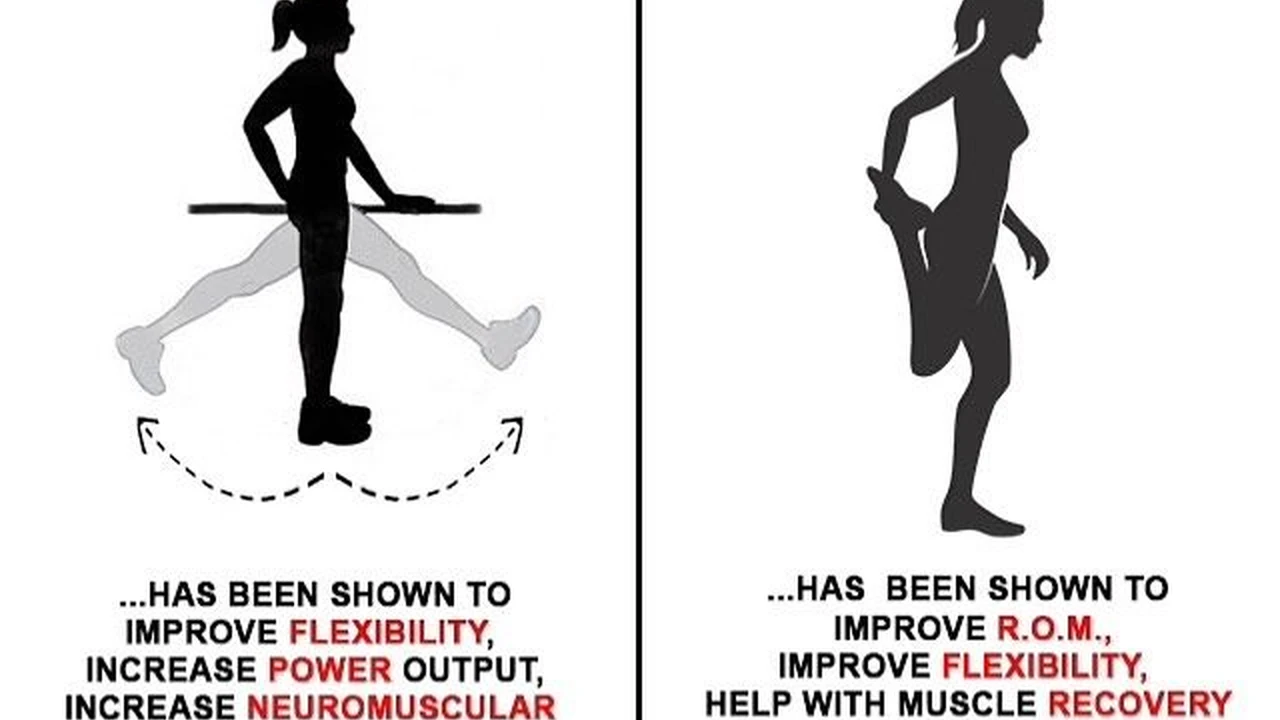
1. **Consult with your doctor:** Before starting any new exercise program, it's essential to consult with your doctor, especially if you have any underlying health conditions. 2. **Start slowly:** Begin with a walk-run program. Alternate between walking and jogging for short intervals. Gradually increase the jogging intervals and decrease the walking intervals over time. 3. **Warm up properly:** Before each jog, warm up with light cardio, such as walking or jumping jacks, and dynamic stretches, such as leg swings and arm circles. 4. **Cool down properly:** After each jog, cool down with static stretches, holding each stretch for 30 seconds. 5. **Listen to your body:** If you're feeling pain, stop and rest. 6. **Stay hydrated:** Drink plenty of water before, during, and after your jog. 7. **Wear proper shoes:** Invest in a good pair of running shoes that provide adequate cushioning and support. 8. **Find a jogging buddy:** Jogging with a friend can make the experience more enjoyable and help you stay motivated. 9. **Set realistic goals:** Don't try to do too much too soon. Start slowly and gradually increase your mileage and intensity over time. 10. **Be patient:** Weight loss takes time and effort. Don't get discouraged if you don't see results immediately. Just keep at it, and you'll eventually reach your goals.Advanced Jogging Techniques for Enhanced Weight Loss and Performance
Once you've established a solid jogging base, you can start incorporating advanced techniques to further enhance your weight loss and performance. Here are some advanced techniques to consider:
* **Interval training:** As mentioned earlier, interval training involves alternating between short bursts of high-intensity running and periods of rest or low-intensity jogging. This type of training can boost your metabolism and help you burn more calories. * **Hill training:** Running uphill can increase your cardiovascular fitness and build strength in your legs and glutes. Find a hill and run up it at a challenging pace. Then, jog down the hill to recover. * **Tempo runs:** A tempo run is a sustained effort run at a comfortably hard pace. This type of run can improve your lactate threshold, which is the point at which your body starts to accumulate lactic acid. * **Long runs:** Long runs are runs that are longer than your typical training runs. These runs can improve your endurance and build your mental toughness. * **Fartlek training:** Fartlek training is a Swedish term that means "speed play." This type of training involves varying your pace throughout your run. For example, you might sprint for a minute, then jog for two minutes, then run at a moderate pace for three minutes.The Benefits of Jogging in Different Environments Outdoor vs Treadmill
You can jog outdoors or on a treadmill. Each environment has its own advantages and disadvantages.
* **Outdoor jogging:** Jogging outdoors allows you to enjoy fresh air and sunshine. It can also be more challenging than jogging on a treadmill because you have to contend with uneven terrain and wind resistance. * **Treadmill jogging:** Treadmill jogging allows you to control your pace and incline. It can also be a good option if the weather is bad or if you don't have access to safe outdoor running routes.Ultimately, the best environment for jogging is the one that you enjoy the most.
The Importance of Rest and Recovery for Jogging and Weight Loss
Rest and recovery are just as important as exercise and nutrition. Your body needs time to repair and rebuild muscle tissue after exercise. Aim for at least seven to eight hours of sleep per night.
Consider incorporating rest days into your training schedule. On rest days, you can do light activities, such as walking or stretching.
Listen to your body. If you're feeling fatigued or sore, take a day off from jogging.
Jogging and Weight Loss for Specific Populations Seniors and Individuals with Health Conditions
Jogging can be a safe and effective exercise for most people, but it's essential to consider your individual needs and health conditions. If you're a senior or have a health condition, talk to your doctor before starting a jogging program.
* **Seniors:** Seniors may need to start slowly and gradually increase their mileage and intensity. They may also need to modify their jogging routine to accommodate any physical limitations. * **Individuals with health conditions:** Individuals with health conditions, such as heart disease, diabetes, or arthritis, may need to take extra precautions when jogging. They should consult with their doctor to determine a safe and effective jogging program.Debunking Common Myths About Jogging and Weight Loss
There are many myths about jogging and weight loss. Let's debunk some of the most common ones:
* **Myth: Jogging is bad for your knees.** Fact: Jogging is not inherently bad for your knees. In fact, it can strengthen the muscles around your knees and improve joint stability. However, it's essential to wear proper shoes and listen to your body to prevent injuries. * **Myth: You need to jog for hours to lose weight.** Fact: You don't need to jog for hours to lose weight. Even short bursts of jogging can be effective for burning calories and shedding pounds. * **Myth: You can target fat loss in specific areas of your body.** Fact: You can't target fat loss in specific areas of your body. When you lose weight, you lose it from all over your body. * **Myth: You need to starve yourself to lose weight.** Fact: You don't need to starve yourself to lose weight. In fact, starving yourself can be counterproductive because it can slow down your metabolism and lead to muscle loss.The Future of Jogging and Weight Loss Emerging Trends and Technologies
The future of jogging and weight loss is likely to be shaped by emerging trends and technologies. Here are some trends to watch:
* **Wearable technology:** Wearable technology, such as fitness trackers and smartwatches, is becoming increasingly sophisticated. These devices can track your distance, pace, calories burned, heart rate, and sleep patterns. This data can help you optimize your jogging routine and weight loss efforts. * **Virtual reality:** Virtual reality (VR) is being used to create immersive jogging experiences. VR can transport you to exotic locations and make your workouts more engaging. * **Artificial intelligence:** Artificial intelligence (AI) is being used to personalize jogging and weight loss programs. AI can analyze your data and provide you with customized recommendations for your workouts and diet.Product Recommendations for Jogging and Weight Loss
To maximize your jogging and weight loss efforts, consider incorporating these products into your routine:
* **Running Shoes:** * **Brooks Ghost 14:** Known for its comfort and cushioning, ideal for everyday jogging. Priced around $130. Uses: Daily training, long runs, recovery runs. Comparison: Superior cushioning compared to the Nike Revolution 6. * **Saucony Kinvara 13:** Lightweight and responsive, great for faster-paced runs. Priced around $120. Uses: Tempo runs, speed work, racing. Comparison: More flexible than the Hoka Clifton 8. * **Fitness Trackers:** * **Fitbit Charge 5:** Tracks activity, sleep, heart rate, and stress levels. Priced around $150. Uses: Monitoring daily activity, tracking workouts, sleep analysis. Comparison: More features than the Garmin Vivosmart 4. * **Garmin Forerunner 245:** GPS running watch with advanced training metrics. Priced around $300. Uses: Tracking running performance, monitoring training load, planning workouts. Comparison: Longer battery life than the Apple Watch SE. * **Wireless Headphones:** * **Jabra Elite Active 75t:** Waterproof and sweatproof, with excellent sound quality. Priced around $180. Uses: Listening to music or podcasts while jogging. Comparison: Better noise isolation than the Apple AirPods (3rd generation). * **AfterShokz Aeropex:** Bone conduction headphones that allow you to hear your surroundings while listening to music. Priced around $160. Uses: Staying aware of your surroundings while jogging in traffic. Comparison: More comfortable for long runs than traditional earbuds. * **Protein Powders:** * **Optimum Nutrition Gold Standard 100% Whey:** A classic whey protein powder for muscle recovery. Priced around $30 (24 servings). Uses: Post-workout recovery, increasing protein intake. Comparison: More widely available than many plant-based protein powders. * **Vega Sport Premium Protein:** Plant-based protein powder for vegan or vegetarian athletes. Priced around $40 (20 servings). Uses: Post-workout recovery, increasing protein intake for vegans. Comparison: Better taste than some other vegan protein powders. * **Hydration Packs:** * **CamelBak HydroBak:** Lightweight and minimalist hydration pack for short to medium-distance runs. Priced around $70. Uses: Carrying water and essentials during runs. Comparison: More compact than the Osprey Duro 1.5. * **Osprey Duro 1.5:** Larger hydration pack with more storage space for longer runs. Priced around $100. Uses: Carrying water, snacks, and extra gear during long runs. Comparison: More comfortable for larger runners than the CamelBak HydroBak.Detailed Information on Recommended Products
* **Brooks Ghost 14:** * **Price:** $130 * **Description:** A neutral running shoe known for its smooth ride and excellent cushioning. Features DNA LOFT cushioning for a soft and responsive feel. * **Uses:** Daily training, long runs, recovery runs. * **Specifications:** Weight: 10.1 oz, Drop: 12mm. * **Benefits:** Comfortable, durable, versatile. * **Drawbacks:** Not ideal for speed work. * **Fitbit Charge 5:** * **Price:** $150 * **Description:** A fitness tracker that monitors activity, sleep, heart rate, and stress levels. Features built-in GPS and a bright color display. * **Uses:** Monitoring daily activity, tracking workouts, sleep analysis. * **Specifications:** Battery life: Up to 7 days, Water resistance: 50 meters. * **Benefits:** Comprehensive tracking, easy to use, stylish design. * **Drawbacks:** Requires a Fitbit Premium subscription for some features. * **Jabra Elite Active 75t:** * **Price:** $180 * **Description:** Waterproof and sweatproof wireless earbuds with excellent sound quality. Features active noise cancellation and a comfortable fit. * **Uses:** Listening to music or podcasts while jogging. * **Specifications:** Battery life: Up to 7.5 hours, Water resistance: IP57. * **Benefits:** Secure fit, excellent sound quality, noise cancellation. * **Drawbacks:** Can be expensive. * **Optimum Nutrition Gold Standard 100% Whey:** * **Price:** $30 (24 servings) * **Description:** A popular whey protein powder that is easy to mix and tastes great. Contains 24 grams of protein per serving. * **Uses:** Post-workout recovery, increasing protein intake. * **Specifications:** 24 grams of protein per serving, low in sugar and fat. * **Benefits:** High-quality protein, easy to mix, delicious flavors. * **Drawbacks:** Contains dairy. * **CamelBak HydroBak:** * **Price:** $70 * **Description:** A lightweight and minimalist hydration pack that carries 1.5 liters of water. Features a comfortable fit and a breathable back panel. * **Uses:** Carrying water and essentials during runs. * **Specifications:** Capacity: 1.5 liters, Weight: 7 oz. * **Benefits:** Lightweight, comfortable, easy to use. * **Drawbacks:** Limited storage space.Staying Motivated and Making Jogging a Sustainable Lifestyle
The key to long-term success with jogging and weight loss is to make it a sustainable lifestyle. Here are some tips for staying motivated and making jogging a part of your everyday routine:
* **Find a jogging buddy:** Jogging with a friend can make the experience more enjoyable and help you stay accountable. * **Join a running club:** Joining a running club can provide you with support and motivation. * **Set realistic goals:** Don't try to do too much too soon. Start slowly and gradually increase your mileage and intensity over time. * **Reward yourself for your progress:** Celebrating your successes can help you stay motivated and committed to your goals. * **Vary your workouts:** Avoid boredom by varying your jogging routine. Try different routes, speeds, and intensities. * **Listen to your body:** If you're feeling fatigued or sore, take a day off from jogging. * **Make it fun:** Find ways to make jogging enjoyable. Listen to music, podcasts, or audiobooks. Explore new routes. * **Be patient:** Weight loss takes time and effort. Don't get discouraged if you don't see results immediately. Just keep at it, and you'll eventually reach your goals. By following these tips, you can make jogging a sustainable lifestyle and achieve your weight loss goals. Remember to consult with your doctor before starting any new exercise program.:max_bytes(150000):strip_icc()/277019-baked-pork-chops-with-cream-of-mushroom-soup-DDMFS-beauty-4x3-BG-7505-5762b731cf30447d9cbbbbbf387beafa.jpg)