How to Improve Your Jogging Speed and Endurance
Understanding Proper Jogging Form The Foundation of Efficient Running
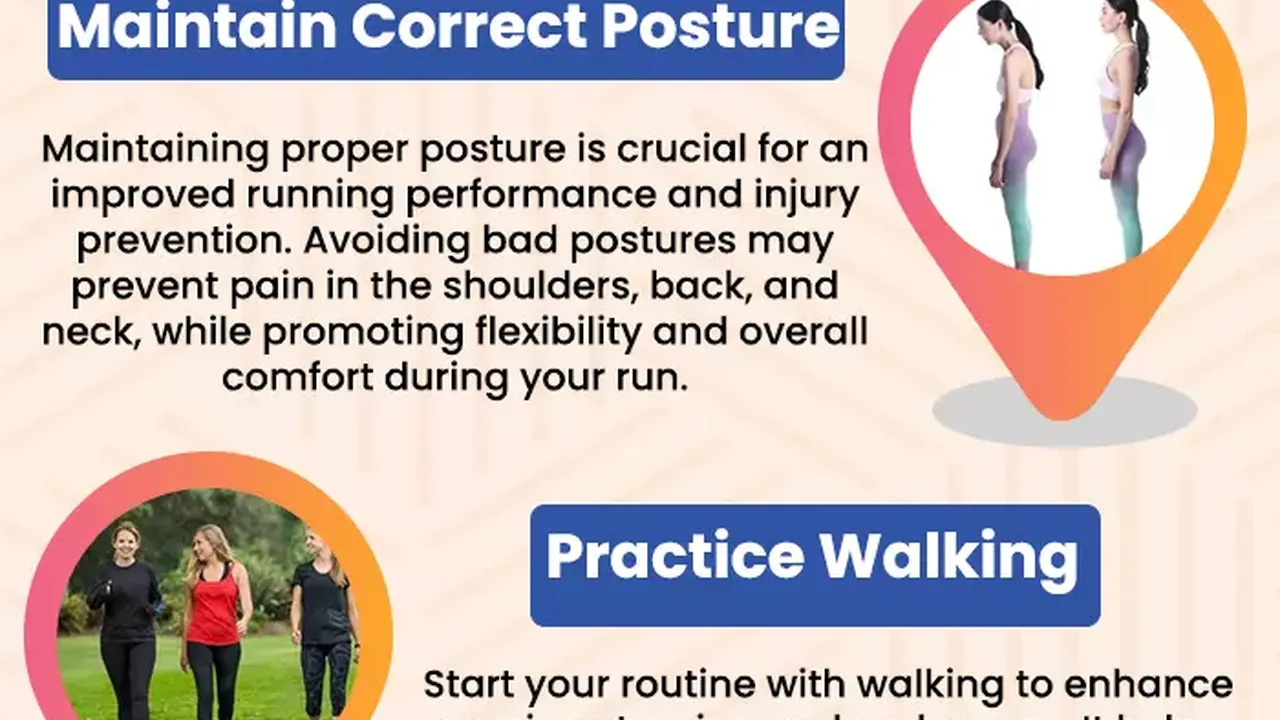
Let's dive deep into the core of effective jogging – proper form. It's not just about putting one foot in front of the other; it's about optimizing your body mechanics to minimize injury risk and maximize efficiency. Think of it as building a house; a strong foundation is crucial. Poor form can lead to a whole host of problems, from shin splints to knee pain, hindering your progress and making your runs less enjoyable.
Head Position and Gaze Keeping Your Eyes on the Prize
Your head position is often overlooked, but it plays a significant role in your overall posture. Imagine a string pulling you up from the crown of your head. Keep your head up, eyes looking forward, not down at your feet. This helps maintain a neutral spine and prevents neck strain. Avoid tilting your head too far back or hunching your shoulders. Think about scanning the horizon, anticipating what's ahead. This also improves your awareness of your surroundings, especially important when jogging in urban areas.
Shoulder Relaxation and Arm Swing The Key to Smooth Motion
Tension in your shoulders can radiate down your body, impacting your breathing and stride. Relax your shoulders and keep them low, not shrugged up towards your ears. Your arm swing should be natural and controlled, not crossing your body. Think of your arms as pendulums, swinging forward and back from your shoulders. A 90-degree bend in your elbows is generally recommended. Avoid clenching your fists; imagine holding a delicate bird in each hand. This promotes relaxation and prevents unnecessary tension.
Core Engagement The Powerhouse of Your Run
Your core muscles are the foundation of your running power. Engaging your core stabilizes your spine and helps you maintain proper posture. Think of drawing your belly button towards your spine, activating your abdominal muscles. This doesn't mean sucking in your stomach; it's a subtle engagement that supports your lower back and pelvis. A strong core also improves your balance and coordination, reducing your risk of falls and injuries. Consider incorporating core strengthening exercises into your training routine, such as planks, bridges, and Russian twists.
Hip Alignment and Stride Length Optimizing Your Movement
Your hips should be aligned and level as you run. Avoid excessive side-to-side movement, which can waste energy and strain your joints. Your stride length should be natural and comfortable, not too long or too short. Overstriding, landing with your foot too far in front of your body, can increase impact and lead to injuries. Aim to land midfoot, directly beneath your hips. This helps distribute the impact force more evenly and reduces stress on your joints. Listen to your body and adjust your stride length as needed, depending on the terrain and your energy level.
Foot Strike and Cadence Finding Your Rhythm
Foot strike is a hotly debated topic in the running world. While there's no one-size-fits-all answer, landing midfoot is generally considered the most efficient and injury-preventive technique. This allows your foot to act as a natural shock absorber, distributing the impact force more evenly. Avoid heel striking, which can send a jarring force up your leg. Cadence, the number of steps you take per minute, is another important factor. Aim for a cadence of around 170-180 steps per minute. This helps reduce overstriding and improves running efficiency. You can use a metronome or a running watch to track your cadence and make adjustments as needed.
Essential Jogging Gear Recommendations For Enhanced Performance
Having the right gear can significantly impact your jogging experience. From comfortable shoes to moisture-wicking apparel, the right equipment can help you stay comfortable, prevent injuries, and improve your performance.
Running Shoes Finding the Perfect Fit For Your Feet
Choosing the right running shoes is crucial. Consider your foot type (neutral, pronated, or supinated), running style, and the terrain you'll be running on. Visit a specialty running store for a professional fitting. They can analyze your gait and recommend shoes that provide the right support and cushioning. Some popular brands include Brooks, Asics, Saucony, and New Balance. Look for shoes with good cushioning, stability, and breathability. Replace your shoes every 300-500 miles, or when you notice signs of wear and tear.
Product Recommendation Brooks Ghost 14 The Everyday Runner's Choice
The Brooks Ghost 14 is a popular choice for everyday runners. It offers a smooth and comfortable ride, with excellent cushioning and responsiveness. It's suitable for a variety of foot types and running styles. The Ghost 14 features Brooks' DNA LOFT cushioning, which provides a soft and plush feel without sacrificing responsiveness. It also has a breathable mesh upper that keeps your feet cool and dry. The Ghost 14 is a durable and reliable shoe that can handle daily training and long runs.
Brooks Ghost 14 Use Cases
- Daily training runs
- Long runs
- Recovery runs
- Walking
- General fitness activities
Brooks Ghost 14 Detailed Information and Pricing
The Brooks Ghost 14 typically retails for around $130. It's available in a wide range of sizes and colors. You can find it at most specialty running stores and online retailers. Be sure to check for sales and discounts, as prices may vary.
Product Comparison Brooks Ghost 14 vs Asics Gel-Kayano 28
The Brooks Ghost 14 and the Asics Gel-Kayano 28 are both popular running shoes, but they cater to different needs. The Ghost 14 is a neutral shoe, suitable for runners with neutral pronation. The Gel-Kayano 28 is a stability shoe, designed for runners with overpronation. The Gel-Kayano 28 offers more support and stability, while the Ghost 14 provides a softer and more flexible ride. Consider your foot type and running style when choosing between these two shoes.
Moisture-Wicking Apparel Staying Dry and Comfortable
Cotton clothing can trap sweat and become heavy and uncomfortable during your runs. Choose moisture-wicking apparel made from synthetic materials like polyester or nylon. These materials wick sweat away from your skin, keeping you dry and comfortable. Look for shirts, shorts, and socks that are specifically designed for running. Consider layering your clothing in cooler weather to stay warm and dry.
Product Recommendation Nike Dri-FIT Running T-Shirt The Performance Standard
The Nike Dri-FIT Running T-Shirt is a classic choice for runners. It's made from Nike's Dri-FIT fabric, which wicks sweat away from your skin and keeps you dry and comfortable. It has a lightweight and breathable design that allows for unrestricted movement. The Nike Dri-FIT Running T-Shirt is a versatile and reliable choice for any runner.
Nike Dri-FIT Running T-Shirt Use Cases
- Daily training runs
- Race day
- Gym workouts
- Casual wear
Nike Dri-FIT Running T-Shirt Detailed Information and Pricing
The Nike Dri-FIT Running T-Shirt typically retails for around $30. It's available in a wide range of sizes and colors. You can find it at most sporting goods stores and online retailers. Be sure to check for sales and discounts, as prices may vary.
Product Comparison Nike Dri-FIT vs Adidas AEROREADY
Both Nike Dri-FIT and Adidas AEROREADY are popular moisture-wicking fabrics. They both effectively wick sweat away from your skin, keeping you dry and comfortable. Nike Dri-FIT is known for its lightweight and breathable design, while Adidas AEROREADY is known for its soft and comfortable feel. Consider your personal preferences when choosing between these two fabrics.
Running Watch Tracking Your Progress and Performance
A running watch can be a valuable tool for tracking your progress and performance. It can track your distance, pace, time, heart rate, and other metrics. This data can help you monitor your training and make adjustments as needed. Look for a running watch with GPS capabilities, heart rate monitoring, and other features that are important to you.
Product Recommendation Garmin Forerunner 245 Music The Runner's Smart Companion
The Garmin Forerunner 245 Music is a popular choice for runners who want to track their performance and listen to music on the go. It features GPS, heart rate monitoring, and a variety of other metrics. It also has the ability to store and play music, so you can leave your phone at home. The Garmin Forerunner 245 Music is a versatile and feature-rich running watch that can help you reach your goals.
Garmin Forerunner 245 Music Use Cases
- Daily training runs
- Race day
- Tracking distance, pace, time, and heart rate
- Listening to music
- Receiving notifications
Garmin Forerunner 245 Music Detailed Information and Pricing
The Garmin Forerunner 245 Music typically retails for around $350. It's available at most electronics stores and online retailers. Be sure to check for sales and discounts, as prices may vary.
Product Comparison Garmin Forerunner vs Apple Watch
Garmin Forerunner and Apple Watch are both popular smartwatches, but they cater to different needs. Garmin Forerunner is primarily focused on fitness tracking, while Apple Watch is more of a general-purpose smartwatch. Garmin Forerunner offers more advanced fitness tracking features, longer battery life, and a more rugged design. Apple Watch offers a more user-friendly interface, a wider range of apps, and seamless integration with Apple devices. Consider your priorities when choosing between these two smartwatches.
Optimizing Your Jogging Routine For Maximum Benefit
It's not just about the gear; it's about how you structure your jogging routine to maximize its benefits. Consistency, variety, and proper planning are key to achieving your fitness goals.
Warm-Up and Cool-Down Preparing Your Body For Exercise
Always warm up before you start jogging. A proper warm-up prepares your muscles for exercise and reduces your risk of injury. Start with 5-10 minutes of light cardio, such as walking or jogging at a slow pace. Then, perform some dynamic stretches, such as arm circles, leg swings, and torso twists. After your run, cool down with 5-10 minutes of light cardio and static stretches, holding each stretch for 30 seconds. This helps your muscles recover and reduces soreness.
Interval Training Boosting Your Speed and Endurance
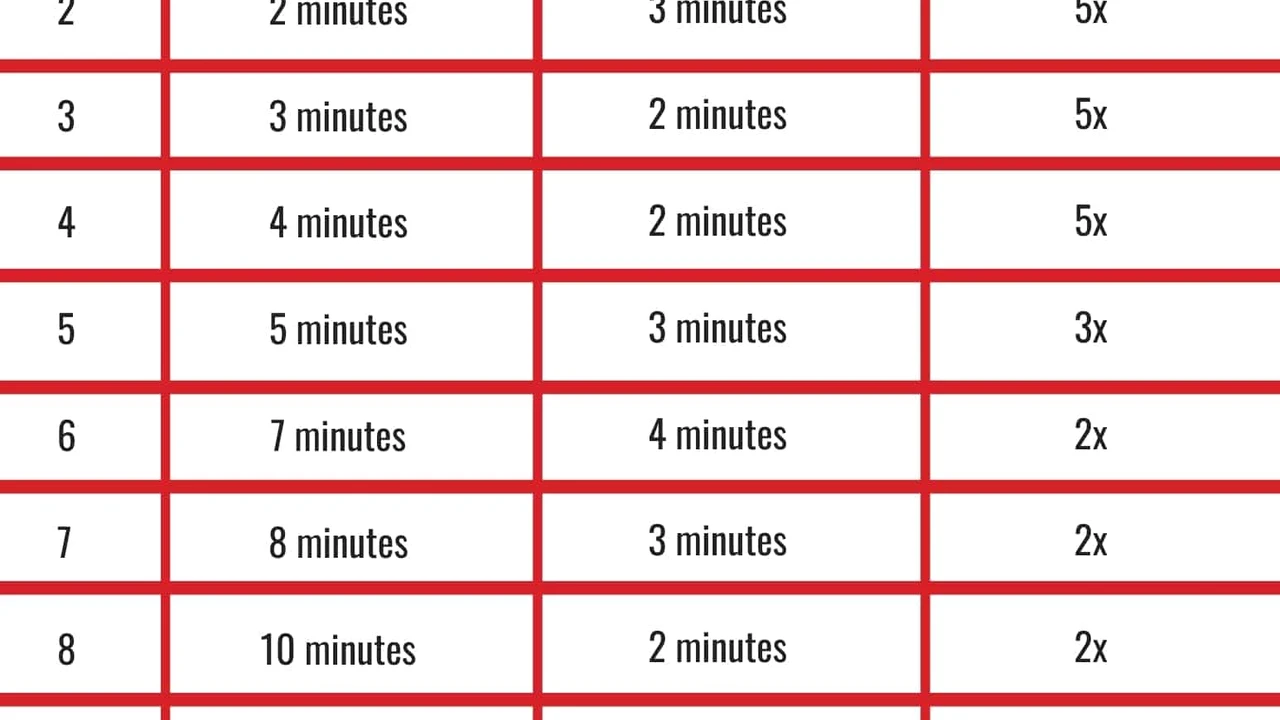
Interval training involves alternating between high-intensity bursts of running and periods of rest or low-intensity jogging. This type of training can significantly improve your speed and endurance. For example, you could run at a fast pace for 1 minute, then jog at a slow pace for 2 minutes. Repeat this cycle for 20-30 minutes. Adjust the intensity and duration of the intervals based on your fitness level.
Long Runs Building Your Aerobic Capacity
Long runs are essential for building your aerobic capacity and endurance. Gradually increase the distance of your long runs over time. Start with a distance that is comfortable for you and add a mile or two each week. Run at a conversational pace, where you can still hold a conversation without being too breathless. Fuel your long runs with carbohydrates and electrolytes to maintain your energy levels.
Hill Training Strengthening Your Legs and Lungs
Hill training is a challenging but effective way to strengthen your legs and lungs. Find a hill that is moderately steep and run up it at a moderate pace. Jog down the hill to recover. Repeat this cycle for 10-15 repetitions. Adjust the steepness and length of the hill based on your fitness level.
Rest and Recovery Allowing Your Body to Rebuild
Rest and recovery are just as important as training. Your muscles need time to rebuild and repair themselves after exercise. Aim for at least one rest day per week. Get plenty of sleep, eat a healthy diet, and stay hydrated. Consider incorporating active recovery activities, such as yoga or swimming, into your rest days.
Nutrition and Hydration Fueling Your Runs Effectively
Proper nutrition and hydration are essential for fueling your runs and maximizing your performance. What you eat and drink before, during, and after your runs can significantly impact your energy levels, recovery, and overall well-being.
Pre-Run Nutrition Carbo-Loading For Energy
Eat a carbohydrate-rich meal or snack 1-2 hours before your run. This will provide your muscles with the energy they need to perform. Choose easily digestible carbohydrates, such as bananas, toast, or oatmeal. Avoid fatty or high-fiber foods, which can cause stomach upset. Drink plenty of water to stay hydrated.
During-Run Hydration Replacing Lost Fluids
Stay hydrated during your runs, especially on hot or humid days. Drink water or a sports drink every 15-20 minutes. Sports drinks can help replace electrolytes that are lost through sweat. Carry a water bottle or use a hydration pack. Plan your route so that you have access to water fountains or stores.
Post-Run Nutrition Replenishing Your Glycogen Stores
Eat a carbohydrate-rich and protein-rich meal or snack within 30-60 minutes after your run. This will help replenish your glycogen stores and repair your muscles. Choose foods such as yogurt with fruit, a protein smoothie, or a chicken sandwich. Drink plenty of water to rehydrate.
Electrolyte Balance Maintaining Optimal Performance
Electrolytes are minerals that help regulate fluid balance and muscle function. They are lost through sweat during exercise. To maintain electrolyte balance, consume sports drinks, electrolyte tablets, or foods that are rich in electrolytes, such as bananas, spinach, and coconut water.
Injury Prevention Strategies Staying Healthy and On Track
Preventing injuries is crucial for staying healthy and on track with your jogging goals. By taking proactive steps to protect your body, you can minimize your risk of injury and enjoy your runs for years to come.
Proper Warm-Up and Cool-Down Preparing Your Body
As mentioned earlier, always warm up before you start jogging and cool down afterwards. This prepares your muscles for exercise and reduces your risk of injury.
Gradual Progression Avoiding Overtraining
Increase your mileage and intensity gradually over time. Avoid doing too much too soon, which can lead to overtraining and injuries. Follow the 10% rule, increasing your mileage by no more than 10% each week.
Strength Training Building Muscle Support
Incorporate strength training into your routine to build muscle support and stability. Focus on exercises that strengthen your legs, core, and hips. Examples include squats, lunges, planks, and glute bridges.
Stretching Maintaining Flexibility
Stretch regularly to maintain flexibility and range of motion. Focus on stretching your hamstrings, quads, calves, and hip flexors. Hold each stretch for 30 seconds.
Listening to Your Body Recognizing Pain Signals
Pay attention to your body and listen to any pain signals. Don't ignore pain or try to push through it. Rest or seek medical attention if you experience any pain that is persistent or severe.
:max_bytes(150000):strip_icc()/277019-baked-pork-chops-with-cream-of-mushroom-soup-DDMFS-beauty-4x3-BG-7505-5762b731cf30447d9cbbbbbf387beafa.jpg)